Is Arzak the Best Dining Experience in San Sebastian?
Evaluating whether Arzak is the premier gastronomic destination in San Sebastian requires looking closely at its historic legacy, avant-garde culinary philosophy, and the stiff competition it faces in a city renowned worldwide for exce...
Evaluating whether Arzak is the premier gastronomic destination in San Sebastian requires looking closely at its historic legacy, avant-garde culinary philosophy, and the stiff competition it faces in a city renowned worldwide for exceptional food.
Contents
Determining whether Arzak holds the title of the absolute best dining experience in San Sebastian, Spain, depends heavily on whether a diner prioritizes multi-generational culinary history and avant-garde laboratory-crafted techniques or prefers modern minimalist seafood concepts, rustic Basque grill culture, or vibrant pintxo crawls. As a foundational pillar of the New Basque Cuisine movement (Nueva Cocina Vasca) holding Michelin stars for decades, Arzak offers an intellectually rigorous and deeply personal approach to fine dining that many connoisseurs still consider peerless, even if contemporaries like Mugaritz, Elkano, or Akelarre challenge its top-tier supremacy.
The Legacy and Evolution of Arzak
To understand Arzak's current standing in the global culinary landscape, one must examine its deep roots in San Sebastian’s Miracruz district. Long before San Sebastian became a global hotspot for Michelin-starred establishments, the Arzak family operated a modest tavern and wine shop. The transition from traditional Basque tavern to an experimental culinary powerhouse was spearheaded by Juan Mari Arzak in the late 20th century, alongside his pioneering peers who sought to rescue Basque cuisine from stagnation by infusing it with modern techniques inspired by French nouvelle cuisine.
Today, the kitchen is led co-equally by Juan Mari and his daughter, Elena Arzak, representing a seamless intergenerational transfer of creative vision. Elena Arzak, recognized globally for her sharp intellect and innovative palate, ensures that the restaurant honors its local heritage while continuing to push boundaries.
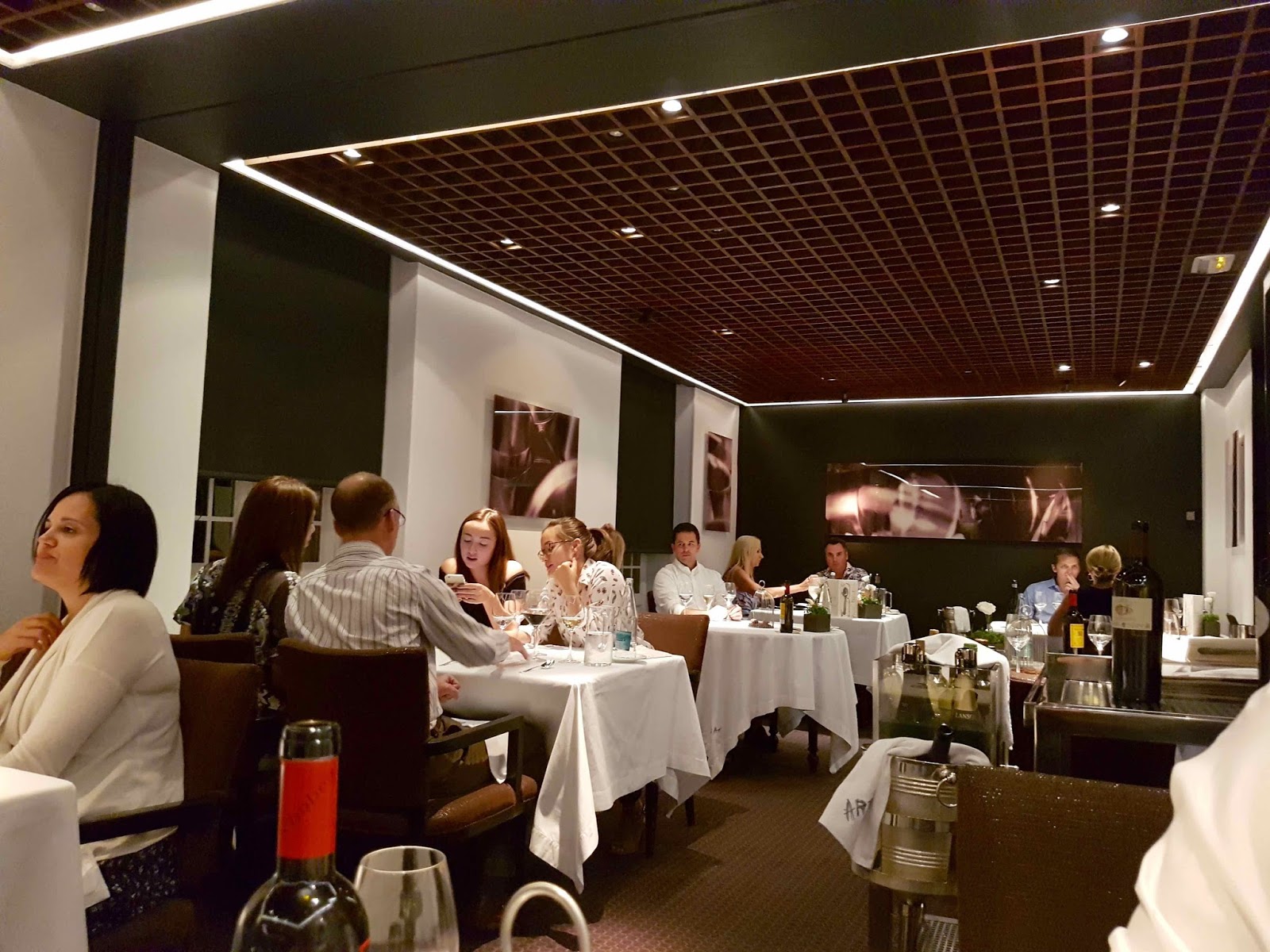
The dining room itself manages to feel both sophisticated and welcoming, avoiding the cold, sterile formality found in some contemporary temples of gastronomy. Waitstaff are remarkably knowledgeable, guiding guests through a narrative that bridges Basque tradition with global flavor profiles. This meticulous balance of history, family dedication, and constant reinvention anchors Arzak's argument for being the city's top dining experience.
The Culinary Philosophy: The Research Laboratory
What truly sets Arzak apart from traditional fine dining establishments is its dedicated on-site research center, known as the Banco de Sabores (Flavor Bank). This laboratory-like space functions as an archive of textures, aromas, freeze-dried ingredients, and technological experiments where new dishes are conceptualized months before ever reaching a guest's table.
- Technological Innovation: The kitchen utilizes modern food science techniques—such as lyophilization, dehydration, and texturizing agents—not for mere theatricality, but to accentuate the intrinsic flavors of primary ingredients.
- Sensory Play: Dishes often play with visual deception. A classic example is a dish that appears to be a stone or a piece of bark, but is actually an edible creation crafted from potato, fish, or cocoa, completely subverting guest expectations.
- Basque Foundations: Despite the futuristic presentation, the core flavor profiles remain deeply rooted in the Cantabrian Sea and the fertile valleys of Gipuzkoa. Fresh fish, local herbs, and regional peppers form the baseline of every tasting menu.
This commitment to research means that dining at Arzak is rarely just a meal; it functions as a tasting of contemporary food science filtered through a localized, sentimental lens.
Comparing Arzak with San Sebastian’s Culinary Giants
San Sebastian boasts one of the highest concentrations of Michelin stars per square meter in the world. To assess whether Arzak is the best, it must be weighed against its elite local rivals, each offering a fundamentally different philosophy of luxury dining.
| Restaurant | Culinary Style | Core Focus | Atmospheric Vibe |
|---|---|---|---|
| Arzak | Avant-garde Basque | Flavor laboratory & family legacy | Warm, historic, sophisticated |
| Mugaritz | Conceptual & Deconstructive | Challenging perceptions & emotion | Intellectual, provocative, minimalist |
| Elkano | Traditional Basque Grill | Whole turbot & charcoal mastery | Rustic, unpretentious, seaside |
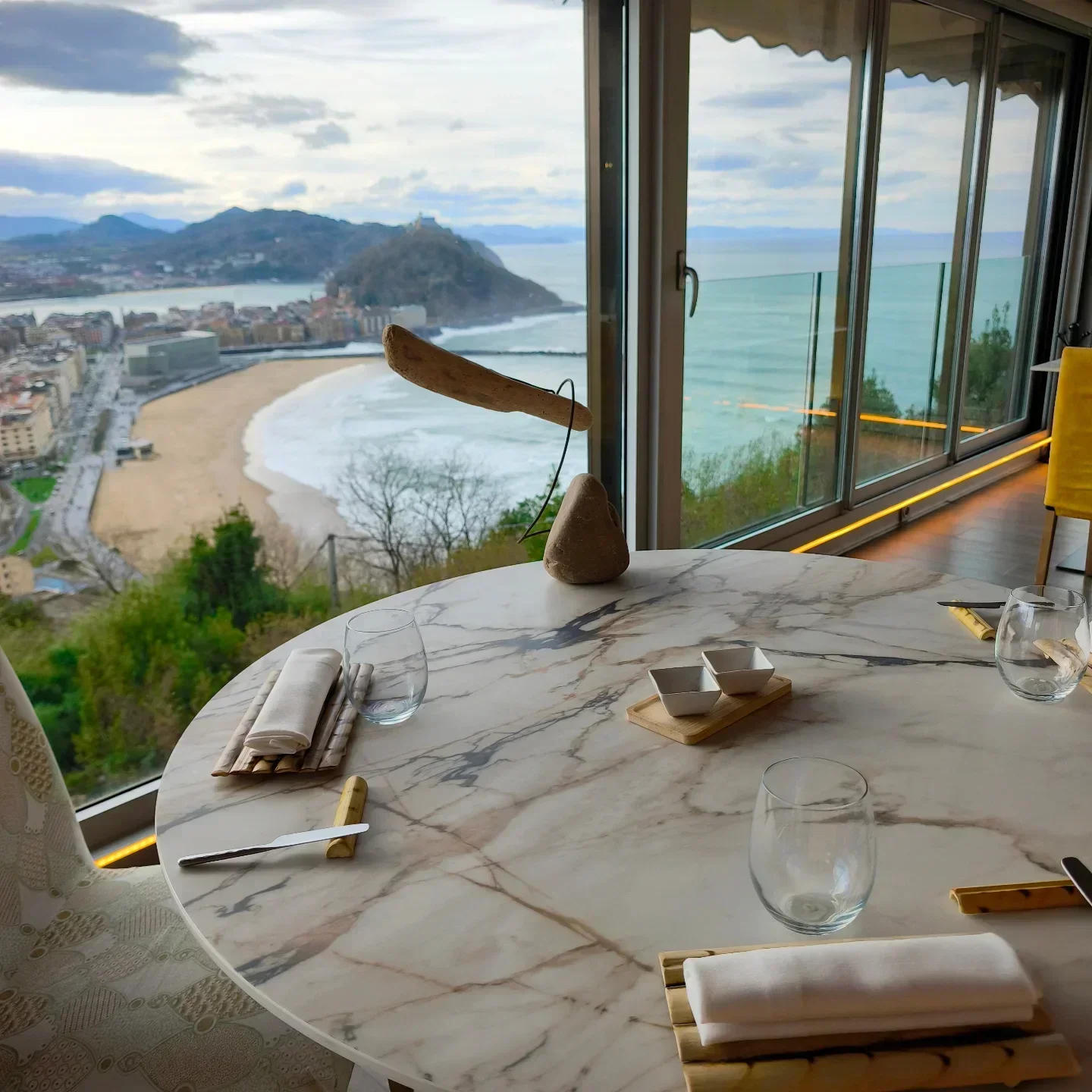
| Akelarre | Modern Luxury | Ocean views & technical precision | Dramatic, luxurious, panoramic |
For diners seeking raw intellectual provocation and a menu designed to challenge emotional responses to food, Mugaritz often captures the title of most innovative. Meanwhile, travelers looking for the ultimate expression of open-fire seafood preparation frequently bestow the crown upon Elkano in nearby Getaria. Arzak sits precisely in the middle: offering rigorous technical innovation wrapped in the warmth of a historic family-run institution.
Practical Considerations: Booking, Pricing, and Logistics
Securing a table at Arzak requires careful planning and financial preparation. Because demand far exceeds capacity, prospective diners must navigate specific operational realities.
- Reservations: Bookings typically open several months in advance through their official online booking platform. Securing a prime weekend dinner slot during peak tourist season (July through September) requires monitoring release dates closely.
- Pricing: As a three-Michelin-starred establishment, the tasting menu carries a substantial luxury price tag, typically scaling upwards with optional wine pairings or specialized cellar selections.
- Location: Situated in the Miracruz district, Arzak is a short taxi or bus ride away from the famous Concha Bay or the historic Old Town (Parte Vieja). Unlike restaurants perched high on Monte Igueldo or nestled in rural hills, Arzak is embedded within an urban neighborhood, giving it an intimate, neighborhood-anchored feel.
- Dress Code: Smart casual attire is expected. While jackets and ties are not strictly mandated, athletic wear, beachwear, and excessively casual clothing are discouraged to maintain the dining room's ambiance.
Frequently Asked Questions
Does Arzak currently hold three Michelin stars?
Yes, Arzak has maintained its prestigious three Michelin star rating for many years, reflecting its consistent adherence to the highest standards of culinary excellence, service, and innovation.
How far in advance should I book a table at Arzak?
It is strongly recommended to book at least three to four months in advance, especially if you plan to visit during the summer months or early autumn when San Sebastian experiences peak culinary tourism.
Is the tasting menu at Arzak suitable for dietary restrictions?
The kitchen can accommodate various dietary requirements, provided they are notified well in advance during the booking process. Because much of the menu is prepared dynamically in their research lab, advance notice ensures the culinary team can craft appropriate, high-quality alternatives without compromising the dining narrative.
How long does the dining experience typically last?
A standard tasting menu experience at Arzak usually spans between three to four hours. The pacing is deliberate, allowing guests time to appreciate the narrative, presentation, and complex flavor profiles of each course.
Can children dine at Arzak?
While children are technically permitted, the lengthy duration of the multi-course tasting menu and the avant-garde nature of the dishes make the experience better suited for adults and teenagers with an established interest in gastronomy.
Final Recommendation
If your definition of the "best" dining experience centers on a harmonious blend of multi-generational family hospitality, historic culinary pedigree, and cutting-edge laboratory innovation rooted in Basque identity, Arzak remains an essential, world-class destination. However, if your preference leans toward rustic wood-fire grilling or provocative conceptual art, you may find other local shrines better suited to your palate. For most serious food travelers, experiencing Arzak at least once is a non-negotiable pilgrimage.
Image Gallery