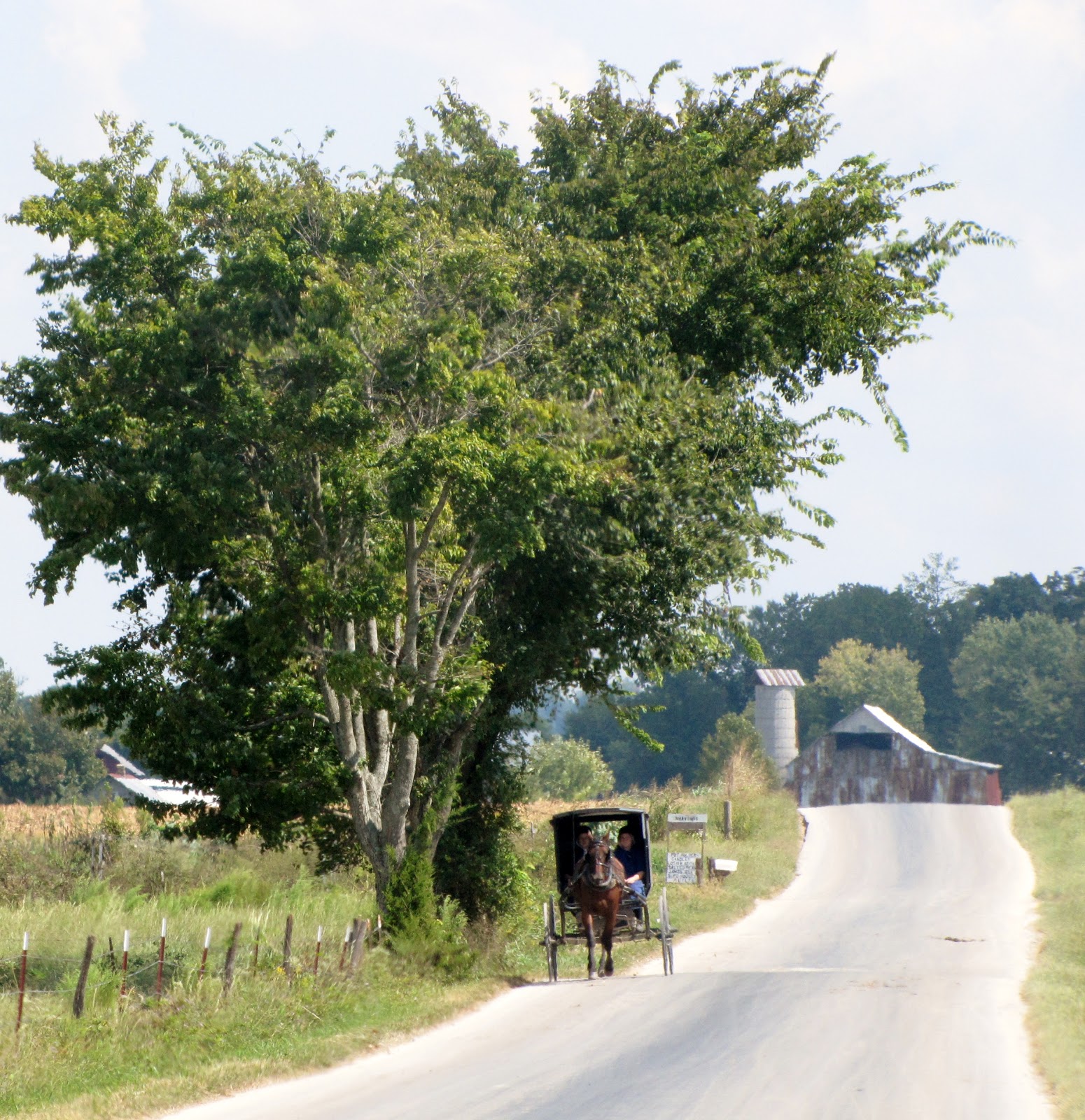
Exploring the Amish Community of Ethridge, Tennessee: Culture, Commerce, and Visitor Guidelines in 2026
The Amish community of Ethridge, Tennessee, located in Lawrence County, represents the largest Old Order Amish settlement in the state. Established in 1944 by families coming from Ohio, Pennsylvania, and Kentucky, this vibrant rural co...
The Amish community of Ethridge, Tennessee, located in Lawrence County, represents the largest Old Order Amish settlement in the state. Established in 1944 by families coming from Ohio, Pennsylvania, and Kentucky, this vibrant rural community spans thousands of acres, offering visitors a glimpse into a traditional, faith-driven agrarian lifestyle centered around horse-and-buggy transportation, plain dress, and self-sufficient enterprise.
Contents
Historical Roots and Geographic Context of Lawrence County
The Ethridge Amish settlement traces its origins to a migration pattern driven by the search for fertile, affordable farmland and relative isolation from modern societal pressures. Located approximately 70 miles south of Nashville along U.S. Route 43, Ethridge provides an ideal geographic environment for traditional farming operations. Lawrence County features rolling hills, temperate climate conditions, and rich soil compositions well-suited for livestock management, crop rotation, and produce cultivation.
Over the decades, the settlement has expanded from a few pioneering households into multiple church districts encompassing hundreds of families. While maintaining strong ties to older settlements in Pennsylvania and Ohio, the Ethridge community developed distinct local customs adapted to Middle Tennessee's climate and economic landscape. The local infrastructure supports a network of gravel and paved country roads where horse-drawn buggies share space with modern automotive traffic, necessitating heightened situational awareness and caution from visitors.
Core Cultural Pillars and Daily Life
Life within the Ethridge Amish community is anchored by strict adherence to the Ordnung, an unwritten set of rules and biblical interpretations that govern daily behavior, social interactions, and technological boundaries. Understanding these cultural foundations is essential for respectful interaction during any visit to Lawrence County.
Technology and Transportation Boundaries
The community utilizes a selective approach to modern technology, accepting tools that serve the family and community while rejecting conveniences that threaten family cohesion or promote excessive individualism.
- Transportation: Horse-and-buggy travel remains the primary method for local transit. Automobiles are not owned by church members, though hired drivers are frequently utilized for long-distance travel, medical emergencies, or hauling heavy freight to regional markets.
- Power Sources: Grid electricity is generally eschewed in homes and workshops. Instead, residents rely on pneumatic power, bottled gas, and solar or diesel generators when machinery operation is unavoidable.
- Communication: Telephones are typically kept outside the main living quarters in shared shanties or barns to prevent constant interruptions within the domestic sphere.
Dress Code and Social Structure
Plainness in attire is practiced to minimize vanity and foster humility. Women wear solid-colored modest dresses, aprons, and bonnets or head coverings, while men wear straw hats in summer, felt hats in winter, straight-cut coats, and trousers held up by suspenders rather than belts. Church services are held on a rotating basis in members' homes or large barns rather than dedicated church buildings, reinforcing the communal and domestic nature of their faith.
Economic Enterprises, Crafts, and Agricultural Offerings
The economic vitality of the Ethridge Amish settlement relies on a blend of traditional agriculture, skilled craftsmanship, and retail roadside commerce. Unlike strictly agricultural communities in the Midwest, the Ethridge settlement features a high concentration of small-scale artisan shops and home-based businesses.
| Business Category | Primary Products & Services | Typical Operating Hours | Visitor Accessibility |
|---|---|---|---|
| Furniture Workshops | Solid hardwood dining sets, rocking chairs, custom cabinetry, bedroom suites | Monday – Saturday, daylight hours | High; custom orders welcomed |
| Produce & Greenhouse | Heirloom vegetables, canned goods, jams, jellies, seasonal bedding plants | Seasonal (Spring – Autumn), daylight hours | High; roadside stands common |
| Blacksmith & Metalwork | Custom horseshoes, wagon repairs, structural brackets, agricultural implements | Monday – Friday, daylight hours | Moderate; commercial focus |
| Quilting & Handcrafts | Hand-stitched quilts, woven baskets, leather goods, handmade toys | Monday – Saturday, daylight hours | High; retail display areas on-site |
Agriculture remains a foundational economic pillar. Families raise dairy cattle, poultry, and hogs, alongside cultivating expansive fields of corn, tobacco, alfalfa, and sorghum. The production of sorghum molasses is a notable autumn tradition, utilizing mule-powered presses to extract juice before boiling it down in large copper pans.
Responsible Visitor Guidelines and Etiquette
Visiting the Ethridge settlement requires cultural sensitivity and adherence to local expectations. Because the Amish value privacy and humility, tourists must observe respectful boundaries to ensure positive interactions for both residents and visitors.
- Photography Restrictions: Never take photographs or videos of individuals, children, or church members without direct, explicit permission. Many traditional orders believe that posed images violate biblical prohibitions against graven images and foster personal pride.
- Roadway Safety: When driving through Lawrence County, exercise extreme caution. Horse-drawn buggies move significantly slower than motor vehicles and carry slow-moving vehicle (SMV) triangles, but they can be difficult to see around winding country hills during dawn or dusk.
- Business Etiquette: Respect posted closing signs and Sunday observances. Sunday is strictly reserved for worship, family rest, and community visitation; commercial establishments are closed.
- Direct Inquiry: When visiting workshops or roadside stands, polite conversation is welcomed. Asking respectful questions about craftsmanship or farming practices often yields rich educational exchanges.
Comparative Overview: Ethridge Settlement vs. Northern Communities
To better understand the unique character of the Ethridge settlement, it helps to compare it with larger, more widely known settlements in states like Pennsylvania and Ohio.
- Settlement Age: While Lancaster County, Pennsylvania, dates back to the early 1700s, Ethridge is a mid-20th-century settlement founded in 1944.
- Economic Diversification: Due to smaller initial land allotments per family, Ethridge was forced to diversify into woodworking, metalworking, and retail crafts faster than purely agrarian communities.
- Tourism Integration: Ethridge features a designated auto-tour route map (available at local welcome centers) that guides visitors safely past participating farms, helping manage traffic flow and protecting residential privacy.
Practical Recommendations for Travelers
Planning a trip to the Ethridge Amish community involves understanding regional logistics and seasonal timing. The ideal time to visit is between late spring and early autumn when roadside stands overflow with fresh produce, flowers, and handmade crafts.
- Obtain a Map: Stop by local Lawrence County tourism hubs to secure an updated Amish tour map. This ensures you patronize businesses that actively welcome public trade.
- Bring Cash: Many small artisan shops and roadside stands do not accept credit cards or digital payments. Carry sufficient small-denomination cash.
- Respect Private Property: Do not wander past commercial parking areas into private residential lawns, barns, or living quarters unless explicitly invited.
- Support Local Artisans: When purchasing furniture or quilts, inquire about shipping options if your vehicle cannot accommodate large items. Many shops coordinate freight delivery for custom furniture orders.
Frequently Asked Questions
Do the Amish in Ethridge speak English?
Yes, English is spoken fluently for business and public interactions. However, within their homes, church services, and family life, they converse primarily in Pennsylvania German, often referred to locally as Pennsylvania Dutch.
Can visitors buy goods from the Amish on Sundays?
No, commercial establishments, roadside stands, and furniture workshops are closed on Sundays. Members dedicate this day entirely to church fellowship, spiritual reflection, and family rest.
Are automobiles permitted within the Ethridge Amish community?
Community members do not own or drive automobiles, adhering to traditional restrictions against personal motor vehicles. However, they frequently hire non-Amish drivers or utilize public transportation alternatives when traveling long distances.
How should motorists safely share the road with buggies?
Motorists must maintain a safe following distance and pass only when visibility is completely clear. Because buggies lack modern brake lights and turn signals, drivers should anticipate sudden turns into farm lanes and slow down immediately upon approaching slow-moving vehicle emblems.
Where can visitors find an official map of the Amish businesses?
Official visitor guides and self-guided driving tour maps can be obtained through the Lawrence County Chamber of Commerce or local welcome centers located near U.S. Route 43 in Ethridge and Lawrenceburg.
Planning a journey to explore the Ethridge community offers a rare window into a disciplined, pastoral way of life. By respecting cultural norms, supporting local artisans, and practicing attentive roadway safety, visitors can experience the rich heritage and exceptional craftsmanship of Middle Tennessee's premier plain community.
Image Gallery