A Comprehensive Guide to Calculating the Net Worth of a Person
Calculating your net worth provides a definitive snapshot of your financial health by subtracting your total liabilities from your total assets. This balance sheet approach reveals your current solvency, tracking the accumulation of we...
Calculating your net worth provides a definitive snapshot of your financial health by subtracting your total liabilities from your total assets. This balance sheet approach reveals your current solvency, tracking the accumulation of wealth over time by accounting for everything you own of value against the entirety of what you owe to creditors.
Contents
Understanding the Net Worth Formula
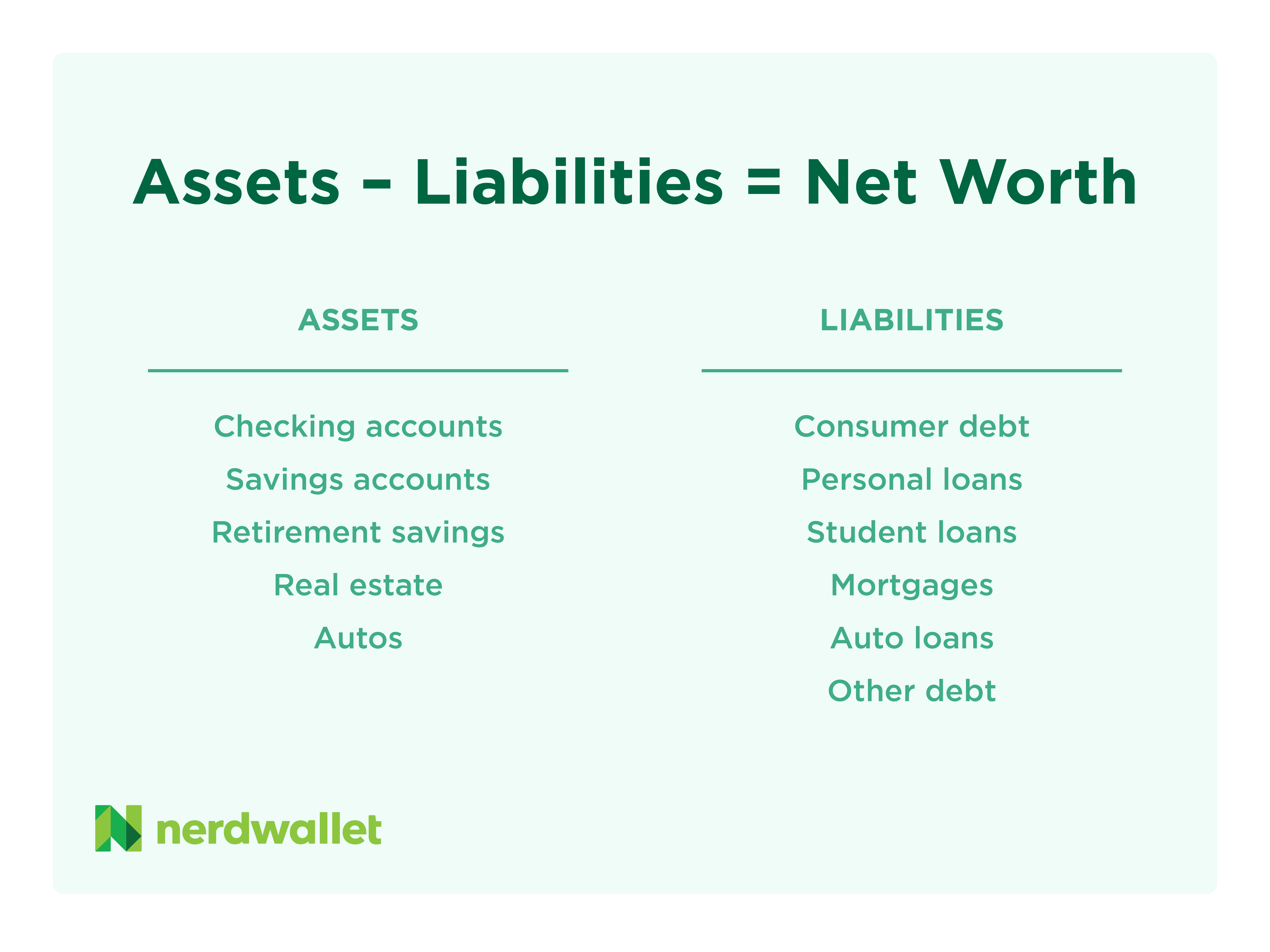
The calculation of net worth is fundamentally a simple arithmetic process, yet it requires precise data collection. The core formula is: Assets - Liabilities = Net Worth.
Assets are items of monetary value that you possess, including cash, real estate, investment accounts, and personal property. Liabilities represent financial obligations, such as mortgages, student loans, credit card balances, and personal lines of credit. When you subtract the sum of these obligations from the total value of your assets, the resulting figure is your net worth. A positive figure indicates you are solvent, while a negative figure, often termed "underwater" or having negative equity, indicates that your debts exceed the current market value of your assets.
Step 1: Cataloging Your Assets
To arrive at an accurate net worth, you must categorize your assets into two groups: liquid and illiquid. Liquid assets are those that can be converted to cash quickly without significant loss of value, while illiquid assets may take time to sell or realize their full market price.
- Cash and Cash Equivalents: This includes checking accounts, savings accounts, high-yield money market accounts, and certificates of deposit (CDs).
- Investment Portfolios: Include the current market value of brokerage accounts, including stocks, bonds, mutual funds, and exchange-traded funds (ETFs).
- Retirement Accounts: Account for the vested value of 401(k) plans, 403(b)s, individual retirement accounts (IRAs), and pension schemes.
- Real Estate: Use the current fair market value of your primary residence, vacation homes, or rental properties. It is crucial to use a conservative estimate based on recent comparable sales in your area rather than an inflated emotional value.
- Personal Property: Include high-value items such as vehicles, jewelry, art, or collectibles. Only include items that could actually be sold; do not include items with negligible resale value, such as old clothing or everyday furniture.
Step 2: Aggregating Your Liabilities
Liabilities are all debts that require future payment. For a complete picture, you must list the total remaining balance of all outstanding debts.
- Mortgages and Home Equity Loans: Include the outstanding principal on all real estate loans.
- Consumer Debt: Sum all outstanding balances on credit cards, personal loans, and payday loans.
- Educational Debt: Account for the remaining balance on federal and private student loans.
- Vehicle Loans: Include the remaining balance on any auto loans.
- Other Debts: Do not overlook taxes owed, medical bills, or any formal personal loans from individuals or institutions.
Comparison of Asset and Liability Assessment
| Category | Typical Items | Valuation Method |
|---|---|---|
| Liquid Assets | Savings, Checking, Money Market | Current account balance |
| Investments | Stocks, ETFs, Mutual Funds | Current market ticker price |
| Real Estate | Primary residence, Rental units | Comparable market analysis |
| Liabilities | Mortgages, Auto Loans, Credit Cards | Current outstanding principal |
Determining Fair Market Value vs. Book Value
A common error in calculating net worth is confusing the original purchase price with the current market value. For assets that depreciate—such as automobiles or electronics—you should estimate the current resale value. Conversely, for assets that may appreciate, such as real estate or collectibles, you should base your calculation on the price you could reasonably expect to receive if you listed the asset for sale today.
For liabilities, always use the payoff amount, which is the exact figure required to settle the debt at this moment. Note that for loans with early repayment penalties, the "payoff" amount might be slightly higher than the "current balance" shown on your monthly statement.
Why Frequency and Consistency Matter
Net worth is not a static number; it fluctuates with market conditions, loan payments, and asset acquisition. Experts recommend updating your net worth statement at least once per year, or quarterly if you are actively managing significant investment portfolios or debt repayment plans. By maintaining a consistent schedule, you can observe trends, such as the gradual decrease of liabilities as you pay down mortgages or the compounding growth of your investment accounts. This historical perspective is more valuable for long-term financial planning than a single, isolated calculation.
Common Mistakes to Avoid
- Ignoring Depreciation: Failing to adjust the value of an automobile downward over time will lead to an inflated net worth.
- Overestimating Home Value: Relying on overly optimistic estimates rather than professional appraisals or local market data creates a distorted picture of your liquidity.
- Omitting Small Debts: Ignoring small balances, such as a credit card with a tiny balance or a small personal loan, can lead to a lack of precision.
- Counting Future Income: Do not factor in your salary, future inheritance, or expected bonuses. Net worth is an accounting of what you own today, not what you anticipate earning in the future.
Troubleshooting Your Calculation
If your net worth calculation yields a result that does not seem to match your personal sense of financial stability, check for common errors. First, verify that you have used the current balance of your debt, not the minimum payment. Second, ensure that you have not double-counted assets; for instance, do not list a brokerage account balance and then separately list the individual stocks held within that account. Finally, ensure all figures are converted into your primary currency to avoid reconciliation errors.
Frequently Asked Questions
Does a primary residence count toward net worth? Yes, your primary residence is a significant asset. You calculate its contribution by taking the current market value and subtracting the remaining mortgage balance. The resulting home equity is the amount that actually adds to your net worth.
Should I include the value of my employer-sponsored pension? If the pension has a cash-out value or is a defined contribution plan like a 401(k), include it. However, if it is a defined benefit plan that only pays out upon retirement, calculating its present value is complex and often excluded from personal net worth statements unless you are performing an advanced actuarial analysis.
How do I handle joint assets and liabilities? If you are calculating individual net worth, you generally list your share of the assets and liabilities. If you are calculating household net worth, include all shared assets and joint debts, which provides a clearer view of a couple's or family's collective financial position.
Is negative net worth common? It is quite common, particularly among younger individuals who have recently taken on significant student loans or mortgages. A negative net worth is a starting point, not a permanent state, and is often corrected as debts are paid down and assets accrue value.
Should I subtract credit card balances even if I pay them off monthly? Yes. To get a precise snapshot of your net worth at a specific moment, you must include any outstanding balance on credit cards, regardless of your intention to pay them off in full at the end of the billing cycle.
Practical Next Steps
Once you have completed your calculation, use the resulting figure to set financial objectives. If your net worth is lower than expected, focus on the "liability" side of the ledger by prioritizing high-interest debt reduction. If your net worth is positive but lacks growth, investigate your investment strategy to ensure your assets are appropriately diversified. Remember that this document is for your personal use and requires no formal audit, but keeping a copy in a secure, encrypted digital vault is recommended for periodic review.
Image Gallery