Understanding the AAA Auto Insurance Grace Period Rules
The AAA auto insurance grace period is a short window after a premium due date during which a policy remains active despite a missed payment. While these rules vary significantly by state and specific regional club, most AAA-affiliated...
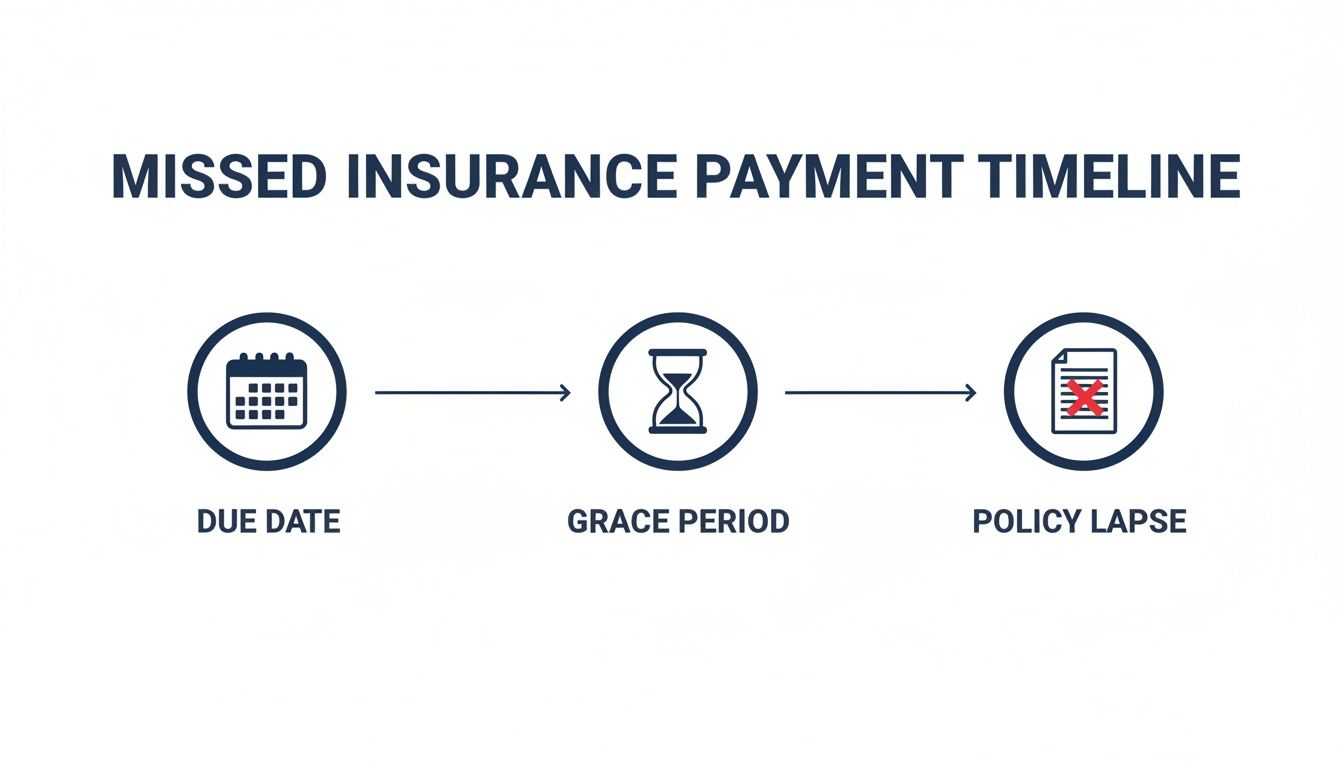
The AAA auto insurance grace period is a short window after a premium due date during which a policy remains active despite a missed payment. While these rules vary significantly by state and specific regional club, most AAA-affiliated insurers provide a 7- to 30-day window to settle balances before the policy officially lapses or is canceled for non-payment.
Contents
Navigating the complexities of auto insurance in 2026 requires a clear understanding of how "grace periods" differ from "cancellation notices." For members of the American Automobile Association (AAA), these distinctions are critical. Because AAA is a federation of independent regional clubs—such as ACG (Auto Club Group), CSAA Insurance Group, and Auto Club Enterprises—the specific rules governing your policy are dictated by both your local club’s internal policies and the insurance statutes of the state where the vehicle is garaged. This guide clarifies how these rules operate, the risks associated with missing payments, and the steps required to maintain continuous coverage.
Defining the AAA Auto Insurance Grace Period
A grace period is an extension of coverage provided by the insurer beyond the official due date of a premium. During this timeframe, the policyholder is still legally insured. If an accident occurs during the grace period, the insurer is generally required to cover the claim, provided the outstanding premium is paid within the specified window.
However, it is essential to distinguish between a voluntary grace period offered by an insurer and a state-mandated notice period. Most states require insurance companies to send a "Notice of Cancellation" for non-payment at least 10 to 15 days before the policy is terminated. In many cases, the "grace period" AAA members experience is actually this legally required notice window. In 2026, AAA clubs continue to align their billing cycles with these state requirements to ensure legal compliance and member protection.
The Role of Regional AAA Clubs
Because AAA is not a single, monolithic insurance company, your grace period rules depend on your specific provider. For example:
- CSAA Insurance Group: Serving members in parts of Northern California, the Mountain West, and the Mid-Atlantic.
- Auto Club Group (ACG): Primarily serving the Midwest and parts of the South.
- Auto Club Enterprises: Serving Southern California and several other states.
Each of these entities operates under different underwriting guidelines. When you review your policy documents, look for the "Payment and Cancellation" section. This area outlines the exact number of days you have after a missed payment before the company moves to terminate the contract.
How Long Is the AAA Grace Period?
While there is no universal "AAA-wide" grace period, most members will find their window falls into a specific range based on their payment history and state law.
Standard Windows (7 to 30 Days)
In a typical scenario, a grace period lasts roughly 10 to 15 days. This often matches the state’s requirement for a cancellation notice. For example, if your payment is due on the 1st of the month and remains unpaid, AAA may send a notice on the 2nd stating that your policy will cancel on the 12th if payment is not received. This 10-day window acts as your functional grace period.
Some premium tiers or long-term members with high "loyalty scores" may be granted more flexibility, occasionally extending up to 30 days, though this is increasingly rare in the high-risk environment of 2026. Conversely, new policyholders (those in their first 60 days of coverage) often face stricter rules and shorter windows, as they have not yet established a reliable payment history.
Factors That Influence Grace Period Length
Several variables can shorten or lengthen the time you have to pay:
- State Regulations: States like New York or California have rigorous consumer protection laws that may mandate longer notice periods compared to states with more deregulated insurance markets.
- Payment Method: Users on automated recurring payments (EFT) might receive a slightly longer "retry" window if a transaction fails, compared to those who pay by manual check or one-time online payments.
- Policy History: If you have had multiple "NSF" (Non-Sufficient Funds) events in the past 12 months, AAA may shorten your grace period or move you to a "cash-only" payment status, where no grace period is offered for future cycles.
What Happens if You Miss the Grace Period?
Missing the end of the grace period leads to a policy lapse. A lapse is more than just a temporary lack of insurance; it is a significant financial and legal event that can have long-lasting consequences.
Policy Cancellation and Lapses
Once the grace period expires, AAA will officially cancel the policy. From that moment forward, you are driving uninsured. If you are involved in an accident during a lapse, you are personally liable for all damages, medical bills, and legal fees. Furthermore, most states utilize electronic reporting systems (such as the DMV’s insurance verification database). When AAA reports a cancellation for non-payment, the state may suspend your vehicle registration or driver’s license.
The Cost of Reinstatement
If your policy is canceled, you may be able to "reinstate" it, but this is at the discretion of the AAA affiliate.
- Reinstatement with a Lapse: This means your coverage restarts on the day you pay, leaving a "gap" in your insurance history. In 2026, even a one-day gap can result in a 10% to 25% increase in your future premiums, as insurers view gaps as a high-risk indicator.
- Reinstatement without a Lapse: This is a "backdated" reinstatement. It is rare and usually requires a "Statement of No Losses," a legal document where you swear that no accidents occurred during the period you were unpaid. This typically involves paying a reinstatement fee ranging from $25 to $100.
Managing AAA Payments to Avoid Lapses
To avoid the stress of grace period deadlines, AAA members should utilize the digital tools provided by their regional clubs.
Automatic Payments and Notifications
Most AAA affiliates in 2026 offer mobile apps that provide real-time push notifications regarding billing. Setting up Automated Clearing House (ACH) payments directly from a bank account is generally safer than using a credit card, as credit cards can expire or be canceled due to fraud, leading to accidental missed payments.
Additionally, many AAA clubs offer a "Secondary Addressee" option. This allows you to designate a family member or friend to receive a copy of any cancellation notices, providing an extra layer of protection if you miss an email or letter.
Comparison of Grace Period Scenarios
| Scenario | Coverage Status | Legal Consequences | Financial Impact |
|---|---|---|---|
| Payment on Due Date | Active | None | Standard Premium |
| Within Grace Period | Active | None | Possible Late Fee ($10–$25) |
| Expired Grace Period | Lapsed/Canceled | Risk of License Suspension | Significant Premium Hike |
| Reinstated (7 Days Later) | Active (post-gap) | Possible Registration Fees | High-Risk Rating for 3–5 Years |
Legal and Financial Consequences of Uninsured Driving
Driving during a lapse—even if you intend to pay the AAA bill the following week—is a major risk. In 2026, law enforcement technology, including automated license plate readers (ALPRs), allows police to identify uninsured vehicles in real-time.
Beyond legal fines, being "uninsured" makes you a "No Pay, No Play" driver in certain states (such as Louisiana or New Jersey). This means that even if another driver hits you and is 100% at fault, you may be legally barred from suing them for non-economic damages like "pain and suffering" because you failed to maintain your own insurance.
Furthermore, if you have a car loan or lease, your lender will be notified of the cancellation. Lenders require "Force-Placed Insurance" if your AAA policy lapses. Force-placed insurance is significantly more expensive than AAA coverage and only protects the lender’s interest in the vehicle, not your liability or personal property.
Frequently Asked Questions
Does AAA offer a grace period for the very first payment?
Generally, no. The "initial premium" or "down payment" required to start a policy does not have a grace period. Coverage typically does not begin until the first payment is processed. If the first payment fails, the policy is usually "voided from inception," meaning it effectively never existed.
If I have an accident during the grace period, will AAA pay the claim?
Yes, provided that you pay the outstanding premium before the grace period ends. However, AAA may deduct the unpaid premium amount from your claim settlement. It is vital to make the payment immediately; if the grace period expires before you pay, the insurer can deny coverage for the accident that occurred while you were technically "late."
Will a missed payment affect my AAA membership?
Usually, no. AAA auto insurance and AAA roadside assistance memberships are often billed separately, even if they appear on the same statement. Missing an insurance payment will cause your policy to lapse, but your roadside assistance (towing, battery service) typically remains active as long as the annual membership dues are paid. However, check with your local club, as some "bundled" accounts may handle delinquency differently.
How do I know the exact date my AAA grace period ends?
The most accurate way to find this date is to look for a "Notice of Cancellation for Non-Payment" in your mail or online portal. This document is legally required to state the exact date and time (usually 12:01 AM) that coverage will cease. If you haven't received a notice yet, call your local AAA agent or the customer service number on your ID card.
Can I change my due date to avoid the grace period?
Most AAA affiliates allow you to adjust your billing cycle once or twice per year. If your current due date falls before your payday, moving it by a few days can help you avoid relying on the grace period altogether. Note that changing your due date may require a one-time "pro-rated" payment to align the new schedule.
Final Recommendations for AAA Policyholders
Understanding the AAA auto insurance grace period rules is about recognizing the fine line between a "late payment" and a "coverage lapse." To protect your financial health and driving record in 2026:
- Verify Your Local Club: Identify whether you are with CSAA, ACG, or another affiliate to get specific rules.
- Monitor the Notice of Cancellation: Treat this document as a hard deadline rather than a suggestion.
- Prioritize Continuous Coverage: Even a 24-hour lapse can trigger "high-risk" categorization by insurance algorithms, costing you thousands of dollars over the next several years.
- Communicate Early: If you know a payment will be late, contact AAA customer service before the due date. They may be able to offer a one-time extension or payment plan that prevents a formal cancellation notice from being generated.
By staying proactive and utilizing automated tools, you can ensure that the AAA grace period remains a rarely used safety net rather than a recurring risk to your mobility and financial stability.
Image Gallery