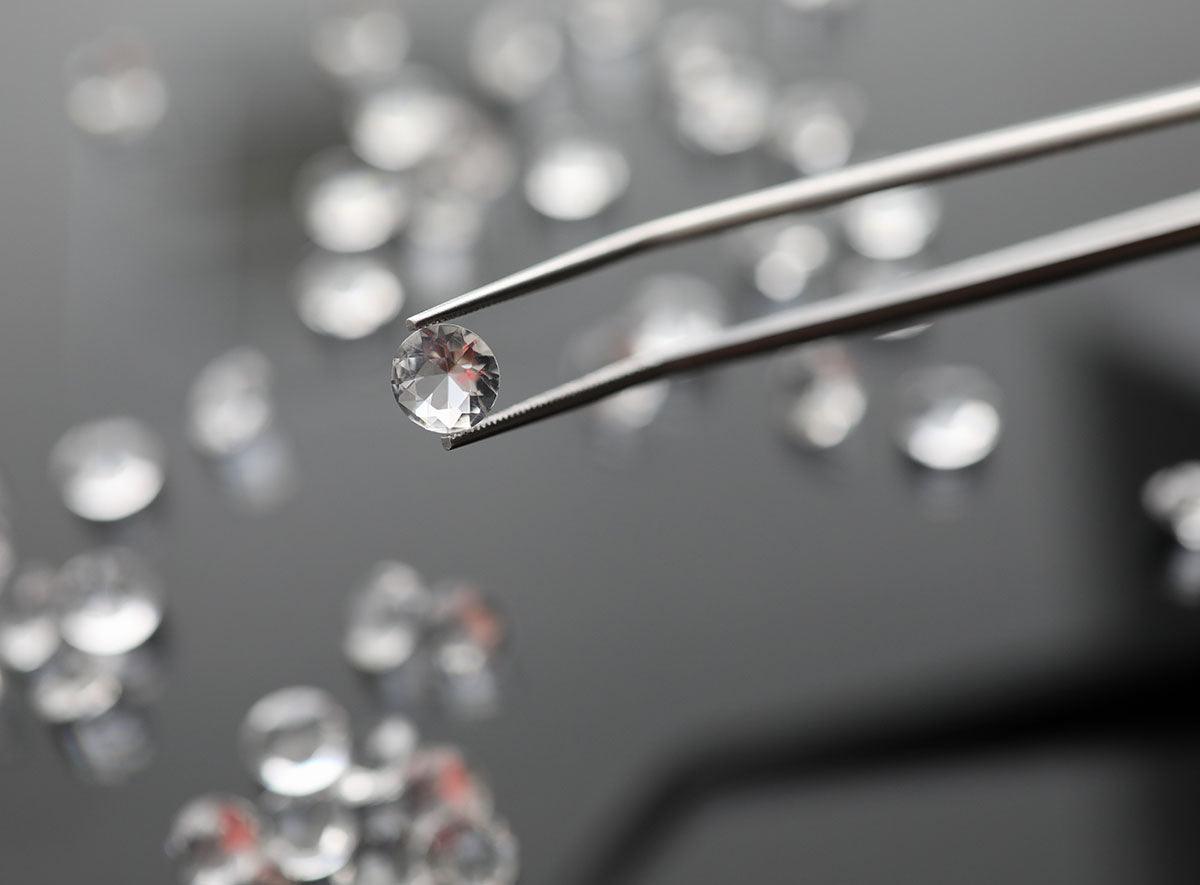
Why Synthetic Diamond Jewelry Works: A Comprehensive Guide to Laboratory-Grown Gemstones
Synthetic diamond jewelry works because laboratory-grown diamonds are chemically, physically, and optically identical to diamonds mined from the earth. By utilizing advanced technological processes to replicate the intense pressure and...
Synthetic diamond jewelry works because laboratory-grown diamonds are chemically, physically, and optically identical to diamonds mined from the earth. By utilizing advanced technological processes to replicate the intense pressure and high temperature of the mantle, manufacturers produce gemstones that possess the same refractive index, hardness, and brilliance as natural diamonds, offering consumers a durable and high-quality alternative that is fully recognized as a legitimate diamond under current international industry standards.
Contents
Understanding the Nature of Synthetic Diamonds
In the modern jewelry market, the term "synthetic" diamond is frequently used interchangeably with "laboratory-grown," "lab-created," or "cultured" diamond. It is essential to clarify that these stones are not "fakes" or simulants such as cubic zirconia (CZ) or moissanite. While CZ is composed of zirconium dioxide and moissanite is silicon carbide, a synthetic diamond is composed of pure carbon atoms arranged in the same rigid crystal lattice structure as a mined diamond.
The functionality and value of these diamonds stem from their adherence to the same rigorous physical benchmarks as their subterranean counterparts. They rank a 10 on the Mohs scale of mineral hardness, meaning they are just as resistant to scratching and daily wear as a diamond recovered from a kimberlite pipe. For the wearer, this means the jewelry functions exactly like traditional diamond jewelry: it is suitable for daily use, including engagement rings and other pieces designed to withstand a lifetime of wear.
The Production Technologies: HPHT and CVD
The reason synthetic diamonds work as viable jewelry is rooted in two primary production technologies that simulate the geological conditions of diamond formation.
High Pressure High Temperature (HPHT)
The HPHT method is the more traditional approach, designed to mirror the extreme environment deep within the Earth’s mantle. A small diamond seed is placed in a carbon source and subjected to pressures exceeding 5 gigapascals and temperatures around 1,500 degrees Celsius. This forces the carbon to crystallize around the seed, building a rough diamond layer by layer.
Chemical Vapor Deposition (CVD)
CVD has become increasingly prevalent as a cost-effective and precise method for creating high-clarity diamonds. In a vacuum chamber, a mixture of hydrocarbon gases is ionized. This process breaks the molecular bonds of the gas, allowing carbon atoms to settle onto a diamond seed plate. The crystal grows vertically, and the final result is a diamond with chemical properties indistinguishable from the most high-quality natural specimens.
The Scientific Basis for Equivalence
For jewelry to "work," it must be able to withstand the tests used by gemologists to verify authenticity. Synthetic diamonds are consistently identified as "real" by standard testing equipment because they share the same thermal and electrical conductivity profiles.
When a jeweler uses a diamond tester, which measures thermal conductivity to verify a stone's identity, a lab-grown diamond provides a positive reading. Because these stones are genuine carbon crystals, they also exhibit the characteristic fire, brilliance, and scintillation expected of fine jewelry. From an optical standpoint, they are indistinguishable to the naked eye, even to trained experts, without specialized laboratory equipment like a DiamondView imaging system, which detects the specific growth patterns unique to synthetic production methods.
Comparison of Diamond Jewelry Options
When evaluating why synthetic diamonds are increasingly chosen by consumers, it is helpful to compare them against traditional natural diamonds and common diamond simulants.
| Feature | Lab-Grown Diamond | Natural Diamond | Cubic Zirconia |
|---|---|---|---|
| Composition | Pure Carbon | Pure Carbon | Zirconium Dioxide |
| Mohs Hardness | 10 | 10 | 8.0 - 8.5 |
| Refractive Index | 2.42 | 2.42 | 2.15 - 2.18 |
| Heat Conductivity | High | High | Very Low |
| Refractive Method | Real Diamond | Real Diamond | Simulant |
This comparison highlights that synthetic diamonds occupy a unique space in the market. They are objectively diamonds, yet they offer different logistical and economic benefits than natural diamonds.
Why Synthetic Jewelry Fits the Modern Lifestyle
The adoption of synthetic diamonds is driven by several practical considerations that make them a functional choice for jewelry buyers in 2026.
Cost Efficiency
The efficiency of laboratory production allows for a significantly higher carat weight for the same price point compared to natural diamonds. For many, this means the ability to purchase a larger or higher-clarity stone within a set budget. Because these stones are created in a controlled environment, there is often less variation in the clarity grades compared to the unpredictable nature of mining, allowing for a more consistent supply of high-grade, "eye-clean" stones.
Ethical and Traceability Benefits
One of the primary drivers behind the success of synthetic diamonds is the ability to provide an exact "chain of custody." Because the origin is a facility rather than a mine, the provenance of the stone is absolute. For consumers who prioritize the social and environmental implications of their purchases, the controlled environment of a laboratory offers a transparent alternative that avoids the complexities sometimes associated with the global diamond supply chain.
Durability and Maintenance
Because synthetic diamonds are chemically identical to natural diamonds, they require no special handling. They can be cleaned using standard ultrasonic cleaners or steam cleaning methods commonly used by professional jewelers. They do not cloud, fade, or lose their brilliance over time, provided they are cleaned regularly to remove oils and debris, just as one would care for any piece of fine jewelry.
Common Misconceptions
Despite their scientific legitimacy, there are persistent myths surrounding synthetic diamonds. The most common is that they are "synthetic" in the way plastic is synthetic. In chemical terms, synthetic means "put together" or "composed of parts," but in the context of gemology, it refers to the origin, not the material itself. It is a common misconception that they are "fake" diamonds; in reality, the Federal Trade Commission (FTC) in the United States and other international bodies have affirmed that lab-grown diamonds are indeed diamonds.
Another misconception is that they lack "resale value" in the same way as natural diamonds. While it is true that market dynamics for lab-grown diamonds have evolved as production capacity has increased, the functional value—the ability to enjoy a durable, brilliant, and beautiful piece of jewelry—remains constant.
Next Steps for the Jewelry Buyer
If you are considering purchasing synthetic diamond jewelry, your approach should mirror how you would shop for any other high-end investment.
- Verify Certification: Always request a report from a reputable gemological laboratory, such as the International Gemological Institute (IGI) or the Gemological Institute of America (GIA), which specifically classifies the stone as "Laboratory-Grown."
- Understand the Four Cs: Just as with natural diamonds, prioritize the Cut, Color, Clarity, and Carat. The cut is particularly critical for the stone's brilliance.
- Inquire About Setting Materials: Ensure the metal used in the setting (gold, platinum, etc.) is of the quality you expect, as the quality of the mounting is just as important as the stone itself for the longevity of the jewelry.
- Professional Inspection: Once purchased, take the jewelry to an independent appraiser to confirm the specifications match the accompanying certification.
By focusing on these steps, you can confidently select a piece of synthetic diamond jewelry that meets your personal standards for beauty, quality, and durability.
Frequently Asked Questions
Do synthetic diamonds lose their shine over time?
No. Because synthetic diamonds are pure carbon with the same atomic structure as natural diamonds, they do not cloud or lose their optical properties. Any perceived loss of shine is usually due to the accumulation of skin oils, lotion, or dirt on the surface of the stone, which can be easily restored through routine professional cleaning.
Can a jeweler tell the difference between lab-grown and natural diamonds?
A jeweler cannot distinguish between them using a loupe or a standard diamond thermal conductivity tester. To definitively identify a lab-grown diamond, a jeweler must use advanced spectroscopic instrumentation capable of detecting the unique growth signatures created during the HPHT or CVD process.
Is synthetic diamond jewelry a good investment?
Synthetic diamond jewelry is best viewed as a purchase for personal enjoyment and wear rather than as a financial asset. Like many mass-produced luxury goods, their market value is tied to production technology rather than scarcity. If your goal is long-term appreciation, consult a financial advisor regarding precious metal commodities or certified rare, high-value natural diamonds.
Do lab-grown diamonds scratch easily?
No. They possess a hardness rating of 10 on the Mohs scale, which is the highest possible rating for any gemstone. They are highly resistant to scratching and can only be damaged by another diamond or a specialized tool with similar hardness.
Image Gallery