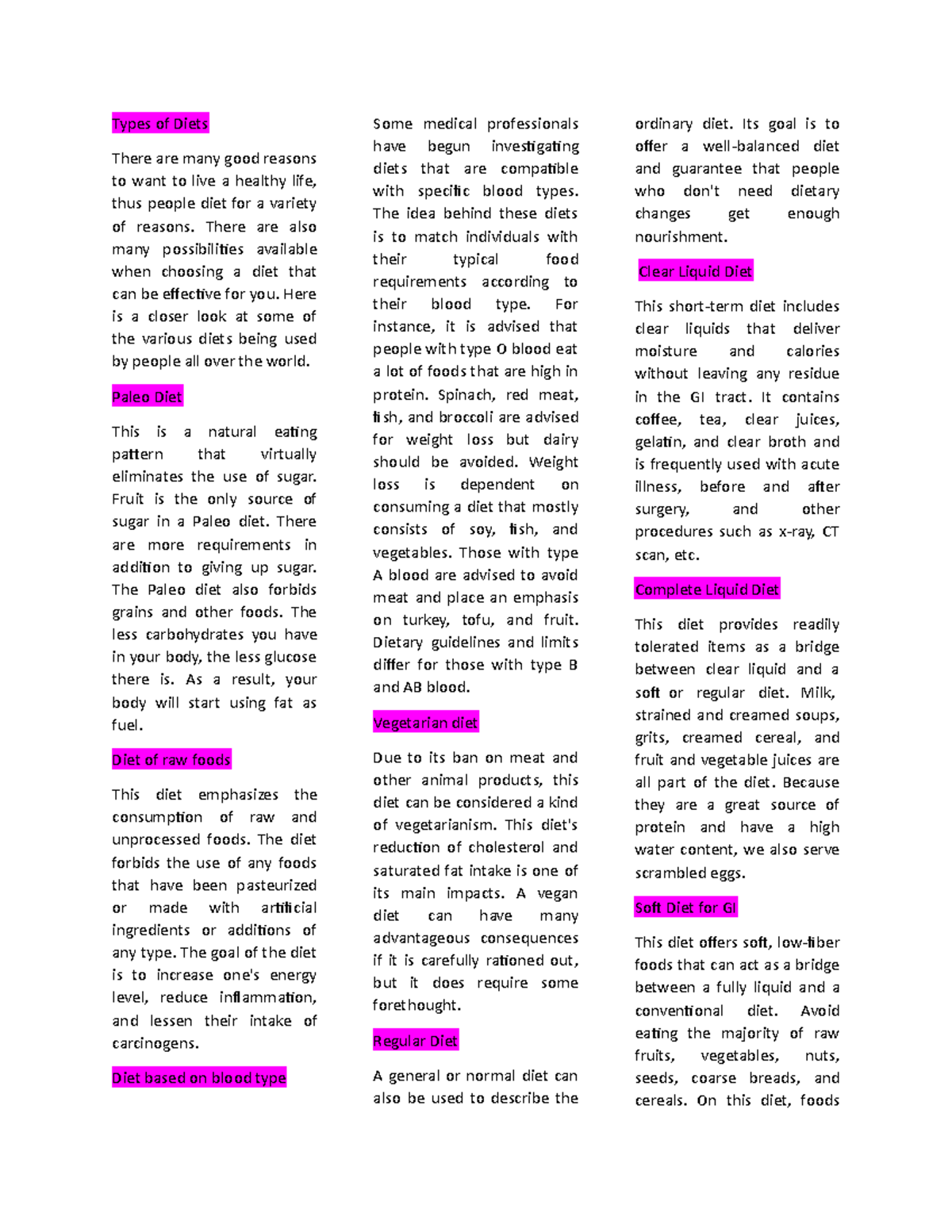
Exploring the Most Common Types of Diets: A Comprehensive Guide for 2026
Modern dietary patterns fall into several primary categories: weight management protocols, therapeutic or medical diets, ethical/lifestyle choices, and performance-based regimens. Popular examples include the Mediterranean, Ketogenic,...
Modern dietary patterns fall into several primary categories: weight management protocols, therapeutic or medical diets, ethical/lifestyle choices, and performance-based regimens. Popular examples include the Mediterranean, Ketogenic, DASH, and Vegan diets. Choosing the right approach depends on individual metabolic needs, specific health conditions, and long-term sustainability rather than universal templates.
Contents
Understanding the Landscape of Human Nutrition in 2026
The concept of a "diet" has evolved significantly. While the term was once synonymous with temporary restriction for weight loss, it now encompasses long-term nutritional frameworks designed to optimize longevity, manage chronic illness, or align with ethical values. In 2026, the focus has shifted toward "precision nutrition," where standardized diets are increasingly adapted to suit individual genetic markers and microbiome compositions.
When analyzing the different types of diets, it is helpful to categorize them by their primary objective. Some aim to manipulate macronutrients (carbohydrates, fats, and proteins) to alter metabolism, while others focus on the quality of food sources or the timing of consumption. Understanding these distinctions is the first step in identifying which framework aligns with your personal health goals.
Heart-Healthy and Longevity-Focused Diets
These diets are generally supported by the most robust clinical evidence for reducing the risk of cardiovascular disease and increasing lifespan. They prioritize whole foods, healthy fats, and a high intake of fiber.
The Mediterranean Diet
The Mediterranean diet remains the gold standard for heart health. Rather than a strict set of rules, it is a pattern based on the traditional eating habits of people in countries bordering the Mediterranean Sea. It emphasizes high consumption of fruits, vegetables, legumes, nuts, and seeds. The primary fat source is extra-virgin olive oil, which provides monounsaturated fats and polyphenols.
Research, such as the landmark PREDIMED study, has consistently shown that this diet reduces the incidence of major cardiovascular events. It allows for moderate consumption of poultry, eggs, and dairy (specifically yogurt and cheese) while limiting red meat and sweets. The inclusion of moderate red wine consumption is also a traditional component, though current 2026 guidelines emphasize moderation due to the complex relationship between alcohol and health.
The DASH Diet
The Dietary Approaches to Stop Hypertension (DASH) diet was specifically designed by the National Institutes of Health (NIH) to help treat or prevent high blood pressure. It focuses on foods rich in potassium, calcium, and magnesium—nutrients that help control blood pressure.
A defining characteristic of the DASH diet is its strict sodium limits. The standard version limits sodium to 2,300 mg per day, while the lower-sodium version restricts it to 1,500 mg. By emphasizing lean proteins, whole grains, and low-fat dairy, DASH has proven effective not only for hypertension but also for improving insulin sensitivity.
The MIND Diet
The MIND diet is a hybrid of the Mediterranean and DASH patterns, specifically designed to prevent neurodegeneration and cognitive decline. It highlights "brain-healthy" foods like leafy greens and berries while discouraging foods like butter, cheese, and fried items. As the global population ages in 2026, the MIND diet has gained significant traction for its potential role in reducing the risk of Alzheimer’s disease.
Low-Carbohydrate and Ketogenic Approaches
Low-carb diets focus on reducing the intake of saccharides and starches, forcing the body to use alternative fuel sources.
The Ketogenic (Keto) Diet
The Keto diet is a high-fat, moderate-protein, and very-low-carbohydrate regimen. By limiting net carbs (total carbs minus fiber) to typically under 50 grams per day, the body enters a metabolic state called ketosis. In this state, the liver converts fatty acids into ketones, which become the primary energy source for the brain and muscles.
Originally developed in the 1920s to treat pediatric epilepsy, the Keto diet is now widely used for rapid weight loss and blood sugar management. However, it requires strict adherence; even a small excess of carbohydrates can "kick" the body out of ketosis. Potential side effects, often called the "keto flu," include fatigue and electrolyte imbalances during the transition phase.
The Paleo Diet
The Paleolithic (Paleo) diet is based on the idea of eating foods that were available to human ancestors during the hunter-gatherer era. This includes lean meats, fish, fruits, vegetables, nuts, and seeds. It strictly excludes products that emerged with the advent of agriculture, such as dairy, grains, legumes, and processed sugars. The logic is that the human body is genetically mismatched to the modern diet, leading to chronic "diseases of civilization."
The Atkins Diet
One of the oldest low-carb protocols, the Atkins diet is divided into phases. It begins with a very restrictive induction phase (similar to Keto) and gradually reintroduces certain carbohydrates as the individual approaches their goal weight. This "sliding scale" approach makes it more flexible for long-term maintenance than a standard Ketogenic diet.
Plant-Based and Ethical Eating Patterns
These diets are defined by the exclusion or reduction of animal products, often driven by environmental, ethical, or health concerns.
Veganism
A vegan diet excludes all animal-derived products, including meat, poultry, fish, dairy, eggs, and often honey. While it is highly effective for reducing saturated fat intake and increasing fiber, practitioners must be diligent about certain micronutrients. Specifically, Vitamin B12, iron, zinc, and omega-3 fatty acids must often be supplemented or carefully sourced from fortified foods.
Vegetarianism and its Variations
Vegetarianism is more flexible than veganism. Common types include:
- Lacto-Ovo Vegetarian: Includes dairy and eggs.
- Lacto-Vegetarian: Includes dairy but excludes eggs.
- Ovo-Vegetarian: Includes eggs but excludes dairy.
- Pescetarian: Includes fish and seafood but excludes poultry and red meat.
The Flexitarian Diet
The Flexitarian diet is essentially a plant-forward Mediterranean style. It encourages eating mostly plant-based foods while allowing for the occasional consumption of meat or animal products. It is often recommended by nutritionists as the most sustainable entry point for people looking to reduce their environmental footprint without committing to total abstinence from animal proteins.
Therapeutic and Medical Diets
These diets are usually prescribed by healthcare professionals to manage specific symptoms or physiological conditions.
The Low-FODMAP Diet
FODMAP stands for Fermentable Oligosaccharides, Disaccharides, Monosaccharides, and Polyols. These are short-chain carbohydrates that the small intestine absorbs poorly. For individuals with Irritable Bowel Syndrome (IBS), these sugars can cause significant bloating and pain. The Low-FODMAP diet, pioneered by Monash University, involves a strict elimination phase followed by a systematic reintroduction to identify specific triggers.
Gluten-Free Diet
Essential for individuals with Celiac disease or non-celiac gluten sensitivity, this diet eliminates all proteins found in wheat, barley, and rye. For those with Celiac disease, even trace amounts of gluten can trigger an autoimmune response that damages the lining of the small intestine.
Renal and Diabetic Diets
- Renal Diet: Designed for those with chronic kidney disease, focusing on limiting phosphorus, potassium, and sodium.
- Diabetic Diet: While many variations exist, the core focus is on the Glycemic Index (GI)—favoring foods that cause a slow, steady rise in blood glucose rather than sharp spikes.
Comprehensive Diet Comparison Table
The following table compares the primary focus and restrictions of the most common dietary frameworks.
| Diet Type | Primary Focus | Carbohydrate Level | Key Restrictions | Primary Goal |
|---|---|---|---|---|
| Mediterranean | Healthy Fats / Plants | Moderate | Processed Red Meats | Heart Health & Longevity |
| Ketogenic | Fat Metabolism | Very Low | Grains, Sugars, Starch | Weight Loss / Blood Sugar |
| DASH | Mineral Balance | Moderate | High Sodium / Fats | Hypertension Management |
| Vegan | Plant Sourcing | High | All Animal Products | Ethics / General Health |
| Paleo | Ancestral Whole Foods | Low to Moderate | Grains, Dairy, Legumes | Inflammation Reduction |
| Low-FODMAP | Digestive Comfort | Selective | Fermentable Sugars | IBS Symptom Control |
Selecting the Right Diet for Your Needs
Choosing a diet is a highly personal decision that should involve consultation with a registered dietitian or physician. In 2026, the consensus among nutritional scientists is that the "best" diet is the one you can follow consistently.
Sustainability is often hampered by overly restrictive rules. For example, while a Ketogenic diet might produce rapid results, it may be socially or psychologically difficult to maintain for years. Conversely, the Mediterranean diet is often easier to follow long-term because it does not strictly forbid entire food groups but rather encourages a shift in proportions.
Individuals should also consider their underlying health metrics. Someone with high blood pressure might prioritize the DASH diet, while someone with insulin resistance might look toward a low-carbohydrate approach. Always ensure that any restrictive diet includes a plan for meeting essential micronutrient requirements to avoid long-term deficiencies.
Frequently Asked Questions
What is intermittent fasting and is it a diet?
Intermittent fasting (IF) is more of an eating pattern or schedule than a diet. It dictates when you eat rather than what you eat. Common methods include the 16/8 method (fasting for 16 hours and eating during an 8-hour window). According to the Mayo Clinic, IF can help with weight loss and metabolic health by giving the body more time to process stored energy, but it should be paired with a nutrient-dense diet for best results.
Can I combine different types of diets?
Yes, many people combine frameworks. For example, a "Vegan-Keto" diet focuses on plant-based fats like avocado and nuts while excluding animal products and carbs. However, the more diets you combine, the more restrictive the regime becomes, which increases the risk of nutrient deficiencies and makes long-term adherence significantly more difficult.
Is the Carnivore diet safe?
The Carnivore diet is an extreme version of the Paleo or Keto diets where only animal products are consumed. While some people report short-term relief from autoimmune symptoms, most health organizations, including the World Health Organization, caution against it due to the total lack of fiber and the potential for extremely high saturated fat and sodium intake, which can negatively impact heart and gut health.
How do I know if a diet is working for me?
Success should be measured by more than just the scale. Indicators of a successful diet include improved energy levels, better sleep quality, stabilized mood, and positive changes in clinical markers like blood pressure, cholesterol, and blood glucose levels. If a diet makes you feel constantly fatigued, irritable, or leads to disordered eating habits, it is likely not the right fit.
Do I need supplements on a restrictive diet?
This depends on the specific restrictions. Vegans almost always require Vitamin B12. Those on low-carb diets often need to supplement electrolytes (sodium, magnesium, potassium). Always consult a healthcare provider for blood testing before starting a high-dose supplement regimen to ensure you are targeting actual deficiencies.
Final Recommendation
Before committing to a specific dietary change, conduct a "lifestyle audit." Consider your budget, cooking skills, social habits, and health history. For most individuals, starting with a Mediterranean-style framework is the safest and most effective path toward long-term health. If you have specific medical concerns like IBS, hypertension, or diabetes, work with a clinical nutritionist to tailor a therapeutic diet like DASH or Low-FODMAP to your specific biological needs.
Image Gallery