Understanding Fashion Merchandising: Bridging Creativity and Commerce
Fashion merchandising is the strategic process of planning, developing, and presenting product lines to ensure that the right merchandise is available at the right time, in the right quantity, and at the right price point to meet consu...
Fashion merchandising is the strategic process of planning, developing, and presenting product lines to ensure that the right merchandise is available at the right time, in the right quantity, and at the right price point to meet consumer demand and achieve profit objectives. It acts as the vital link between the creative design process and the final retail sale.
Contents
The Core Objective of Fashion Merchandising
At its fundamental level, fashion merchandising is about business alignment. While fashion design focuses on the aesthetic creation of garments and accessories, merchandising ensures these creations translate into viable market offerings. A fashion merchandiser acts as a translator, taking the artistic vision of designers and filtering it through data-driven insights regarding consumer behavior, market trends, and economic forecasts.
In 2026, the complexity of this role has increased significantly due to the integration of predictive analytics and omnichannel retail requirements. Merchandisers no longer rely solely on intuition; they must synthesize sell-through data, inventory turnover rates, and supply chain logistics to maximize profitability. This requires a balanced mindset that appreciates the nuance of seasonal trends while remaining strictly tethered to gross margin targets.
Key Responsibilities in the Merchandising Lifecycle
The lifecycle of a fashion product from concept to consumer is managed through several distinct phases. Each phase requires specific technical knowledge and collaborative efforts across departments.
1. Trend Forecasting and Market Research
Before a single stitch is sewn, merchandisers analyze data from previous seasons and current lifestyle shifts. This involves looking at runway reports, social media engagement metrics, and regional purchase data. In 2026, this stage is heavily informed by AI-driven tools that identify micro-trends within specific demographics, allowing companies to pivot their assortments with greater speed.
2. Assortment Planning
Assortment planning determines the "what," "how much," and "when." Merchandisers decide the breadth and depth of a product line. For instance, if a brand plans a collection for the autumn season, the merchandiser must determine how many units of a specific trench coat are needed, which sizes should be prioritized based on historical data, and which color palettes are most likely to convert in specific regional markets.
3. Financial Planning and Open-to-Buy (OTB)
The OTB budget is the financial heartbeat of merchandising. It dictates how much money is available to spend on inventory at any given time. By maintaining an OTB plan, merchandisers prevent overstocking—which leads to deep discounting—and understocking—which leads to missed sales opportunities.
4. Visual Merchandising and Retail Presentation
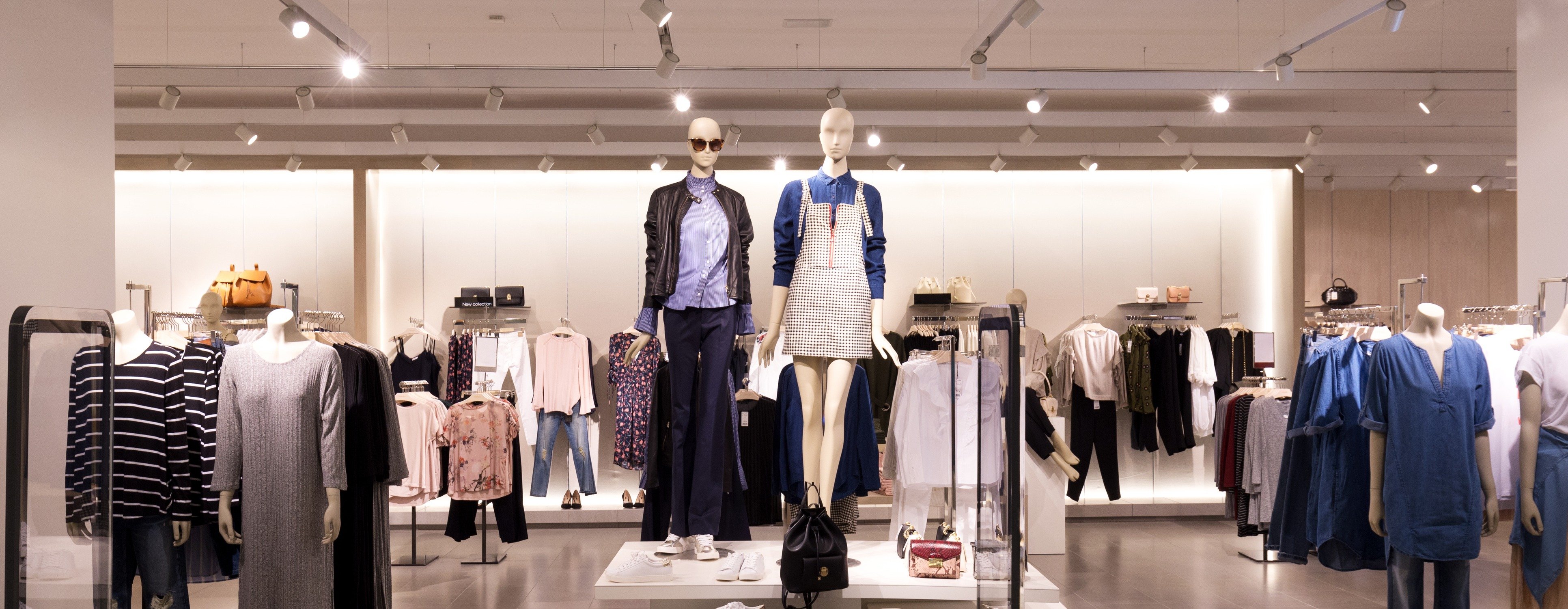
Once the product arrives, it must be presented in a way that maximizes engagement. Visual merchandising involves the physical or digital arrangement of products in stores or on e-commerce platforms. The goal is to create a compelling customer journey that encourages higher units per transaction (UPT).
Comparison: Fashion Merchandising vs. Fashion Design
Understanding the distinction between these two roles is essential for those looking to enter the industry.
| Feature | Fashion Merchandising | Fashion Design |
|---|---|---|
| Primary Goal | Profitability and inventory movement | Artistic expression and product function |
| Skill Set | Data analysis, finance, logistics | Sketching, pattern making, textile science |
| Key Metrics | Sell-through rate, GMROI, margins | Aesthetics, fit quality, brand identity |
| Output | Sales reports and assortment plans | Technical packs and prototypes |
The Role of Technology in Modern Merchandising
In 2026, technology serves as the primary differentiator between efficient and inefficient merchandising operations. Advanced ERP (Enterprise Resource Planning) systems allow for real-time inventory tracking, enabling "just-in-time" restocking models. Furthermore, predictive modeling software allows brands to simulate the impact of pricing changes before they are implemented, reducing the risk of markdowns.
Sustainable merchandising has also become a technical priority. As brands face stricter regulations regarding waste and supply chain transparency, merchandisers are now responsible for ensuring that inventory levels align with realistic sales forecasts to prevent the environmental impact of unsold stock. This "lean merchandising" approach benefits both the planet and the bottom line.
Challenges and Operational Limitations
Despite the reliance on data, fashion merchandising remains an industry prone to volatility. External factors such as unexpected economic downturns, sudden changes in consumer sentiment, or supply chain disruptions can render even the most precise plans obsolete.
- Lead Time Constraints: Global manufacturing often requires lead times of several months. If a trend hits unexpectedly, a merchandiser may be unable to react in time due to production limitations.
- Inventory Carrying Costs: Holding excess stock ties up working capital, which could otherwise be used for marketing or brand development.
- Data Fragmentation: Integrating data across physical stores, third-party marketplaces, and primary e-commerce sites remains a logistical challenge that can hinder a unified view of customer behavior.
Frequently Asked Questions
What qualifications do you need for a career in fashion merchandising? Most entry-level positions require a bachelor’s degree in fashion merchandising, business administration, or marketing. Proficiency in Microsoft Excel is non-negotiable, as most inventory planning occurs within spreadsheets or specialized retail software.
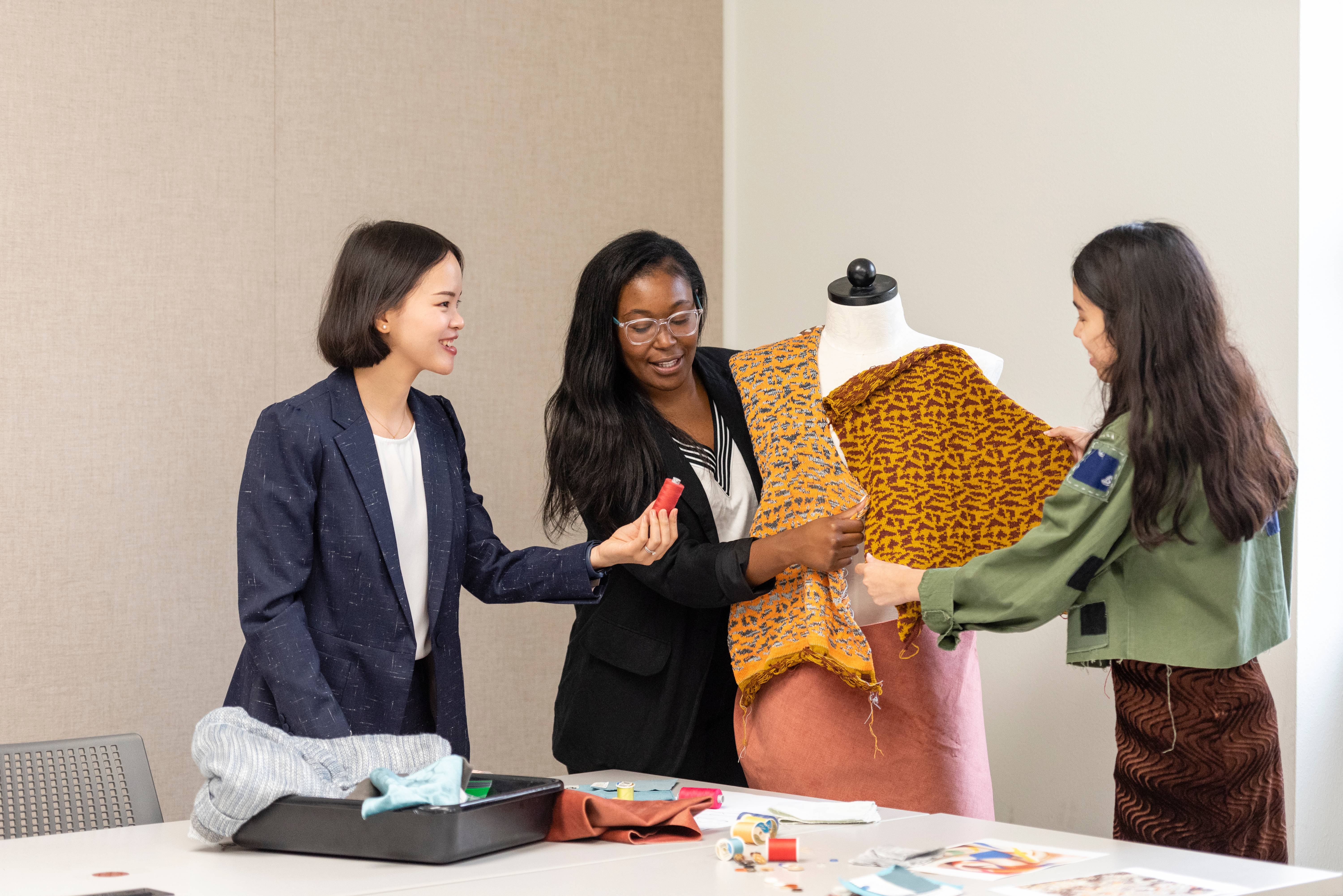
How does visual merchandising differ from general merchandising? While general merchandising focuses on the quantitative side—buying, pricing, and inventory management—visual merchandising focuses on the qualitative and aesthetic side. It involves the physical layout of goods to entice customers, including window displays, store flow, and digital UI/UX design.
Is fashion merchandising a creative career? It is a "left-brain/right-brain" career. While it is highly analytical, it requires creative thinking to interpret trends and visualize how products will appeal to consumers. You must understand the "soul" of a brand to successfully plan its assortment.
How is AI impacting fashion merchandising in 2026? AI is being used to automate routine replenishment tasks and improve demand forecasting accuracy. By analyzing massive datasets, AI identifies patterns humans might miss, allowing merchandisers to make proactive rather than reactive decisions.
Does a fashion merchandiser work with designers? Yes, they work in tandem. The merchandiser provides the designer with the "guardrails"—such as price points and material costs—based on market research, ensuring that the final designs are not only beautiful but also commercially viable.
Next Steps for Success
If you are pursuing a career or looking to improve your retail operations, start by mastering the fundamentals of retail math. Understanding how to calculate retail price, cost, markup, and margin is the baseline requirement. Once these metrics are ingrained, focus on developing a deep understanding of your specific target demographic. The most successful merchandisers are those who can balance the cold hard data of sales reports with a nuanced understanding of the customer's changing lifestyle needs.
Image Gallery