Understanding Drugs Causing Orthostatic Hypotension: Mechanisms, Categories, and Management
Orthostatic hypotension occurs when a sudden drop in blood pressure happens upon standing, leading to symptoms like dizziness, lightheadedness, and fainting. This condition is frequently triggered or exacerbated by various prescription...
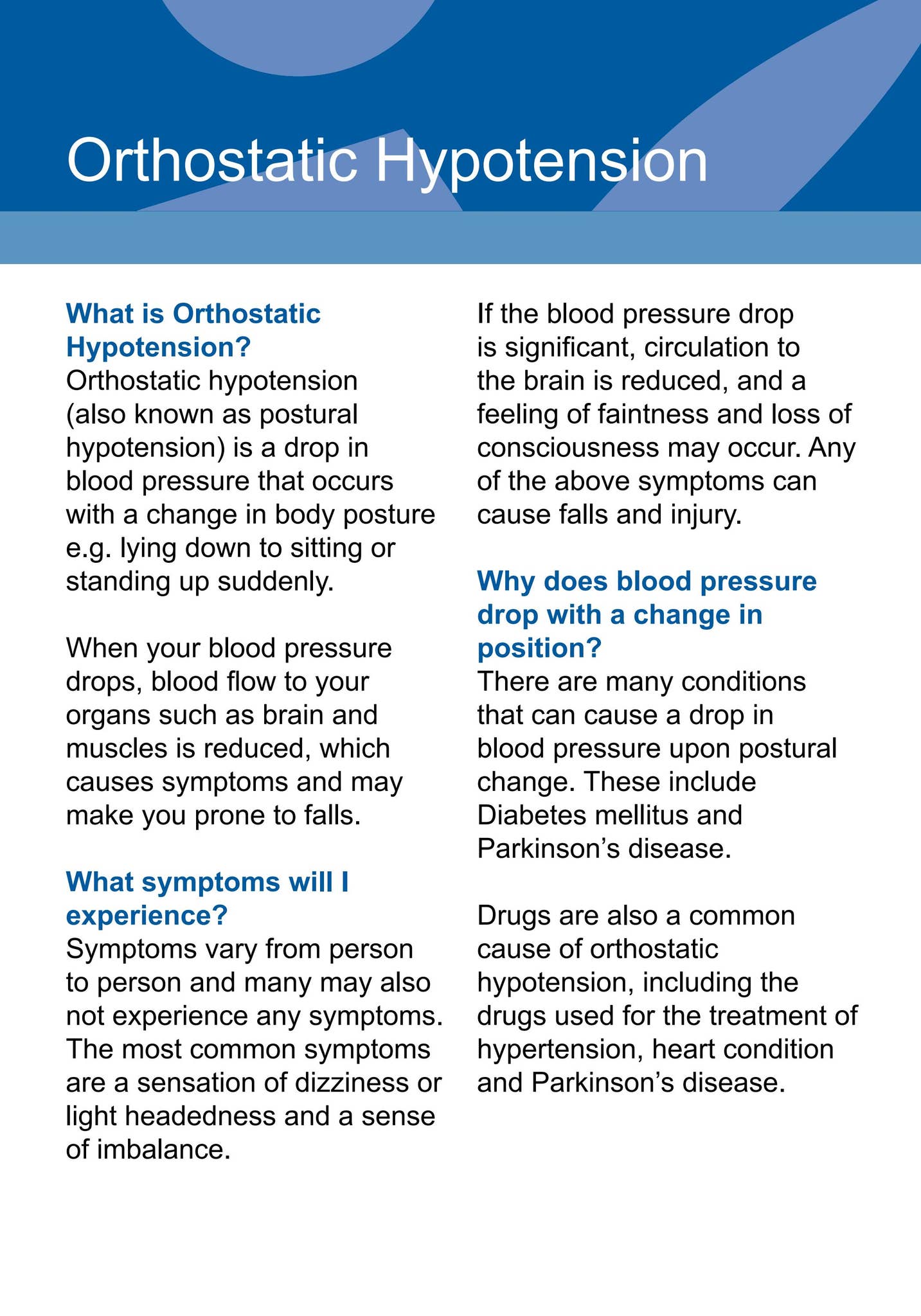
Orthostatic hypotension occurs when a sudden drop in blood pressure happens upon standing, leading to symptoms like dizziness, lightheadedness, and fainting. This condition is frequently triggered or exacerbated by various prescription and over-the-counter medications that interfere with normal cardiovascular regulation, autonomic nervous system reflexes, or fluid balance.
Contents
Defining Orthostatic Hypotension and Its Physiological Basis
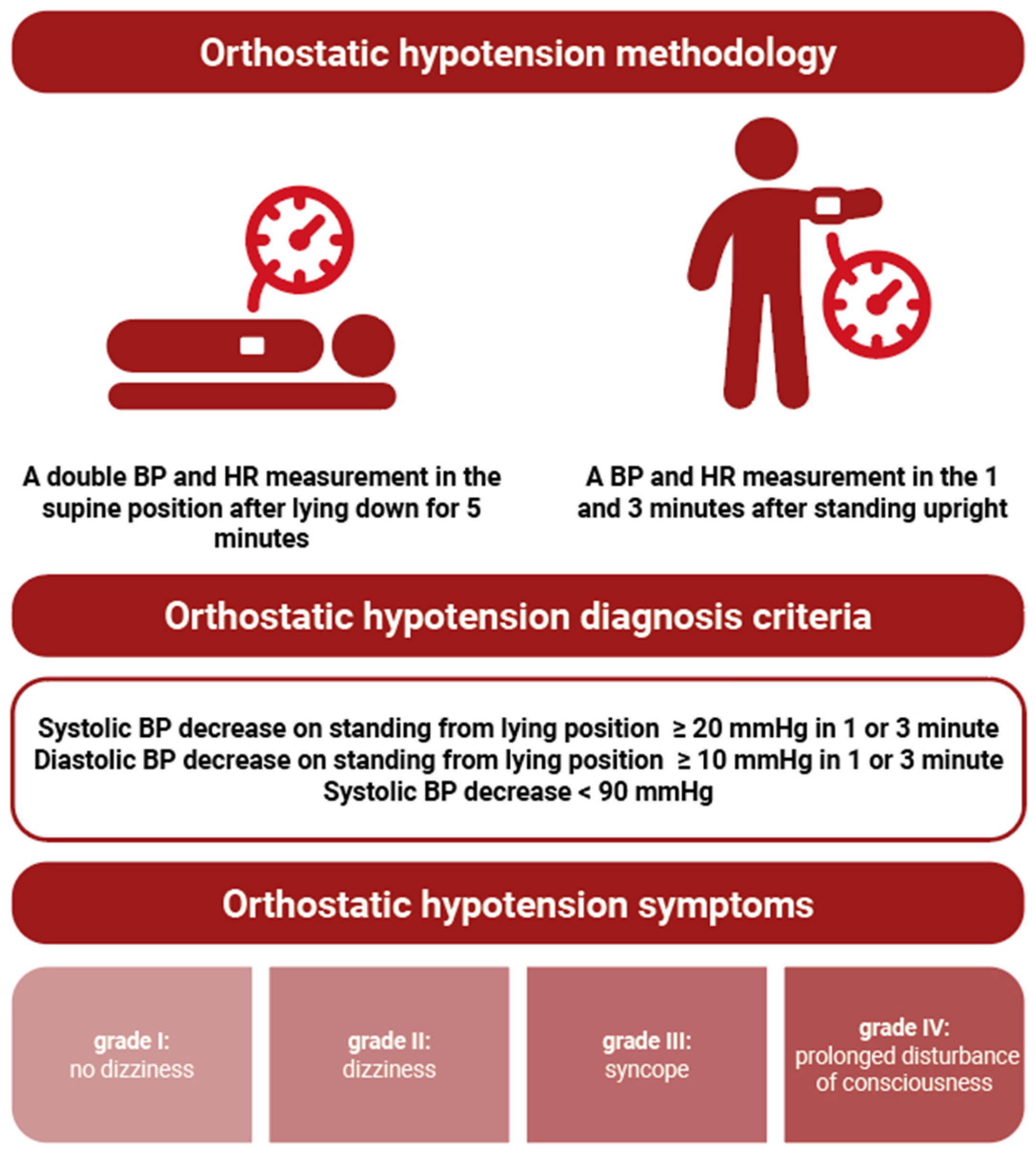
Orthostatic hypotension (OH) is clinically defined as a sustained reduction of at least 20 mmHg in systolic blood pressure or 10 mmHg in diastolic blood pressure within three minutes of standing or head-up tilt on a tilt table. Maintaining normal blood pressure during postural changes requires a complex, highly coordinated physiological response. When a person transitions from a lying or sitting position to a standing position, gravity causes approximately 300 to 800 milliliters of blood to pool in the lower extremities and the splanchnic circulation. This temporary pooling decreases venous return to the heart, which in turn reduces ventricular filling, stroke volume, and cardiac output.
To prevent a catastrophic drop in cerebral perfusion, the body immediately activates the baroreflex arc. Arterial baroreceptors located in the carotid sinuses and the aortic arch detect the drop in pressure and rapidly signal the vasomotor center in the brainstem. In response, sympathetic outflow surges while parasympathetic activity withdraws. This neurogenic adjustment results in increased heart rate, enhanced myocardial contractility, and peripheral vasoconstriction of resistance and capacitance vessels. Simultaneously, neurohormonal pathways, including the renin-angiotensin-aldosterone system (RAAS), are engaged to preserve intravascular volume and vascular tone.
When pharmacological agents disrupt any step of this intricate compensatory cascade—whether by impairing vasoconstriction, reducing blood volume, or blunting heart rate adjustments—the body fails to maintain adequate blood pressure upon standing. Consequently, cerebral hypoperfusion ensues, triggering the classic triad of lightheadedness, blurred vision, and presyncope that characterizes drug-induced orthostatic hypotension.
Major Pharmacological Categories Implicated in Orthostatic Hypotension
Numerous medication classes can induce or worsen orthostatic hypotension through distinct mechanisms of action. Clinicians must carefully evaluate a patient's complete medication regimen when investigating unexplained falls, dizziness, or syncope.
Antihypertensive Medications
Drugs prescribed to lower systemic blood pressure are among the most common culprits in orthostatic hypotension, particularly when dosages are adjusted too rapidly or when multiple agents are combined.
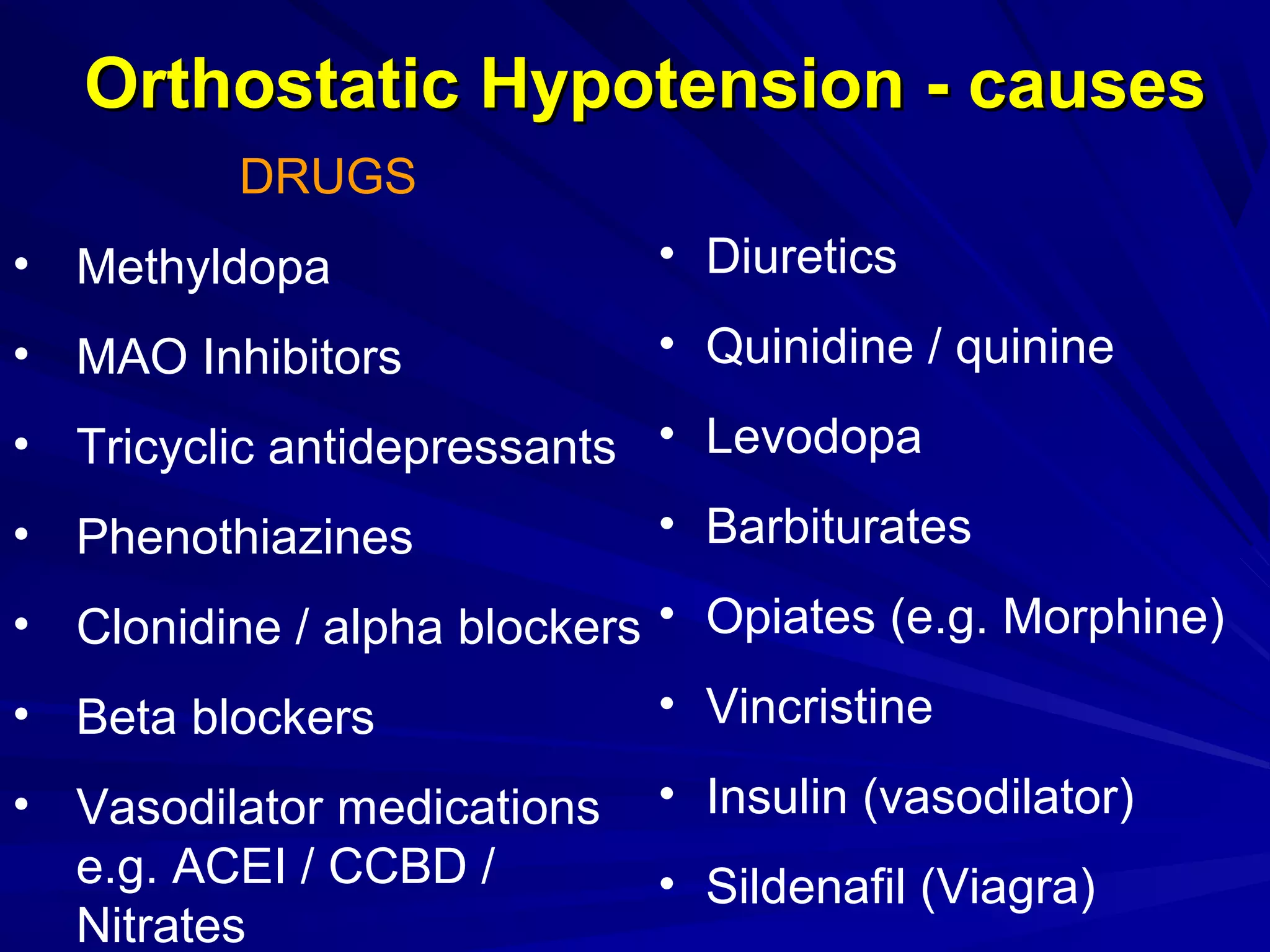
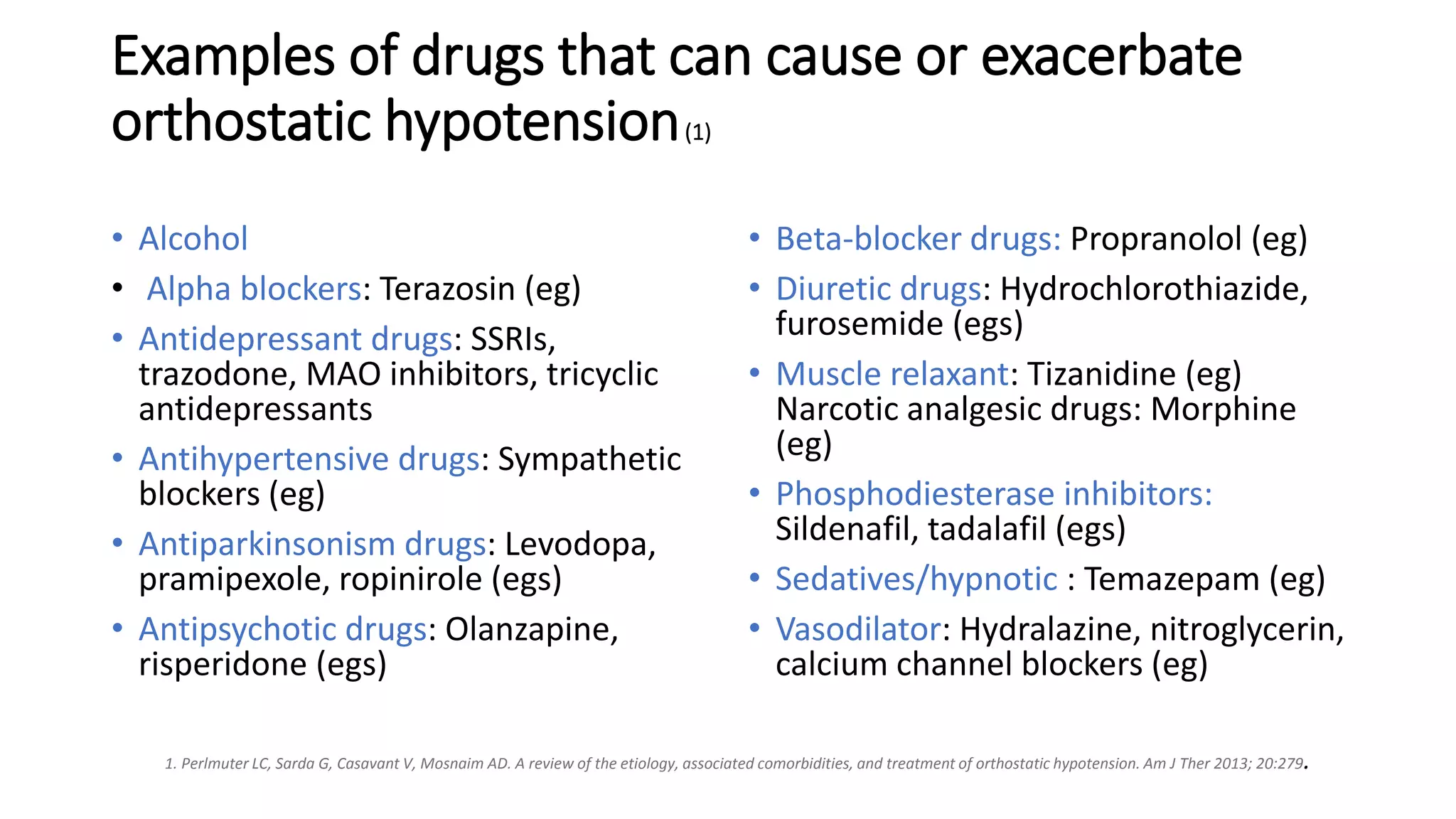
- Vasodilators: Medications such as hydralazine, minoxidil, and calcium channel blockers directly relax vascular smooth muscle. This reduction in systemic vascular resistance makes it difficult for the vasculature to constrict adequately when blood pools in the lower extremities upon standing.
- Diuretics: Loop diuretics (e.g., furosemide) and thiazide diuretics (e.g., hydrochlorothiazide) deplete total body sodium and water, reducing overall intravascular volume. A lower baseline circulating volume exaggerates the drop in venous return that occurs with postural shifts.
- Sympatholytics and Central-Acting Agents: Medications like clonidine, methyldopa, and beta-blockers blunt the sympathetic nervous system's compensatory response. Beta-blockers prevent the reflex tachycardia required to maintain cardiac output when peripheral resistance temporarily drops.
Psychotropic and Neurological Medications
Central nervous system agents frequently interfere with autonomic vasomotor control pathways.
- Antipsychotics: First-generation (typical) antipsychotics like chlorpromazine and second-generation (atypical) agents like quetiapine, risperidone, and clozapine block alpha-1 adrenergic receptors. This blockade prevents peripheral vasoconstriction, leading to significant orthostatic drops in blood pressure.
- Antidepressants: Tricyclic antidepressants (TCAs) such as amitriptyline and imipramine, along with monoamine oxidase inhibitors (MAOIs), disrupt autonomic reflexes and alpha-adrenergic tone. Modern antidepressants like selective serotonin reuptake inhibitors (SSRIs) carry a lower risk but can still occasionally contribute to hyponatremia-induced volume depletion or mild orthostasis in vulnerable individuals.
- Parkinson's Disease Medications: Dopamine agonists (e.g., pramipexole, ropinirole) and levodopa preparations frequently cause orthostatic hypotension by central autonomic modulation and peripheral vasodilation, compounding the baseline autonomic dysfunction inherent in neurodegenerative disorders like Parkinson's disease.
Urological and Vasoactive Agents
- Alpha-1 Blockers: Medications prescribed for benign prostatic hyperplasia (BPH), such as doxazosin, prazosin, and tamsulosin, relax smooth muscle in the prostate and bladder neck. Because these drugs also block vascular alpha-1 receptors, they induce systemic vasodilation. The classic "first-dose phenomenon"—a pronounced drop in blood pressure following the initial dose or a sharp titration—is well documented with this class.
- Phosphodiesterase-5 Inhibitors: Drugs like sildenafil and tadalafil cause mild, transient systemic vasodilation. When combined with antihypertensive agents or nitrates, this effect can precipitate severe symptomatic hypotension.
| Medication Class | Primary Mechanism | Clinical Presentation & Risk Factors |
|---|---|---|
| Alpha-1 Blockers (e.g., doxazosin, tamsulosin) | Blocks vascular alpha-1 receptors, preventing reflex vasoconstriction. | Prominent first-dose drop; common in older adults with BPH. |
| Antipsychotics (e.g., quetiapine, risperidone) | Alpha-1 adrenergic antagonism and central autonomic suppression. | Dizziness, sedation, and falls, particularly upon morning rising. |
| Diuretics (e.g., furosemide, hydrochlorothiazide) | Depletion of intravascular volume via renal sodium/water excretion. | Exacerbated by dehydration, heat exposure, or concurrent vasodilators. |
| Tricyclic Antidepressants (e.g., amitriptyline) | Disruption of central vasomotor tone and peripheral adrenergic blockade. | High risk in elderly populations; often accompanied by tachycardia. |
| Dopaminergic Agents (e.g., levodopa, pramipexole) | Central and peripheral vasodilation combined with underlying autonomic failure. | Progressive orthostasis in patients with neurodegenerative movement disorders. |
Patient Risk Factors and Vulnerable Populations
While anyone can experience drug-induced orthostatic hypotension, certain demographic and clinical groups face vastly elevated risks. Recognizing these vulnerabilities allows healthcare providers to implement targeted monitoring and preventive strategies.
Advanced age is the single most significant independent risk factor for orthostatic hypotension. Aging is accompanied by physiological changes known as baroreflex sensitivity attenuation. As individuals grow older, arterial walls stiffen, baroreceptors become less responsive to acute pressure changes, and myocardial compliance decreases. Furthermore, older adults experience a higher prevalence of polypharmacy—the concurrent use of five or more medications—which exponentially increases the likelihood of adverse drug interactions and cumulative hypotensive effects.
Comorbidities also play a critical role in predisposing patients to this condition. Individuals with diabetes mellitus frequently suffer from diabetic autonomic neuropathy, a condition that damages the nerves responsible for automatic blood pressure and heart rate regulation. Similarly, patients with neurodegenerative disorders such as Parkinson's disease, multiple system atrophy, or pure autonomic failure already possess impaired sympathetic pathways, making them exceptionally sensitive to any medication that further lowers vascular tone or blood volume.
Environmental and behavioral factors can precipitate or worsen episodes in vulnerable patients. Dehydration resulting from inadequate fluid intake, excessive sweating, febrile illness, or vomiting compounds volume depletion caused by diuretics. Alcohol consumption acts as a vasodilator and diuretic, amplifying the hypotensive impact of susceptible drug regimens. Rapid postural changes, such as jumping out of bed quickly in the morning, challenge the cardiovascular system before compensatory mechanisms can engage.
Clinical Evaluation and Diagnostic Confirmation
Diagnosing drug-induced orthostatic hypotension requires a systematic clinical approach that combines thorough history-taking, precise physical examination, and objective diagnostic testing.
The evaluation begins with a detailed medication review. Clinicians must examine all prescription drugs, over-the-counter remedies, herbal supplements, and recreational substances, paying close attention to recent dosage increases or the addition of new agents known to affect blood pressure or volume status. The timeline of symptom onset relative to medication administration or titration is a vital diagnostic clue.
Physical examination centers on orthostatic vital sign measurement. According to standardized guidelines, the patient should rest in a supine position for at least five minutes before baseline blood pressure and heart rate are recorded. The patient is then asked to stand, and measurements are repeated at one minute and three minutes. In clinical practice, measuring blood pressure at both one and three minutes is essential, as initial drops may recover quickly in neurogenic forms, whereas progressive drops characterize volume depletion or autonomic failure.
- Patient in Supine Position (5+ minutes)
- Record Baseline BP and Heart Rate
- Patient Stands Up
- Record BP/HR at 1 Min
- Record BP/HR at 3 Min
- Evaluate Drop: SBP ≥20 mmHg OR DBP ≥10 mmHg?
- YES: Confirm OH Diagnosis
- NO: Investigate Alternative Causes
Additional diagnostic workups may be necessary to rule out non-pharmacological causes of dizziness and syncope. Routine laboratory tests, including a comprehensive metabolic panel, complete blood count, and morning serum cortisol levels, help assess electrolyte balance, screen for anemia, and evaluate renal function or adrenal insufficiency. Electrocardiograms (ECGs) are routinely performed to identify arrhythmias, conduction blocks, or structural heart disease that could contribute to syncopal episodes.
Management Strategies and Pharmacological Adjustments
Managing drug-induced orthostatic hypotension centers on eliminating or minimizing the offending agent while implementing non-pharmacological and, when necessary, pharmacological countermeasures to preserve hemodynamic stability.
Medication Review and Optimization
The cornerstone of management is the rational deprescribing or adjustment of causative agents. Clinicians should evaluate whether essential medications can be switched to alternatives with lower orthostatic risk profiles. For example, replacing a long-acting alpha-1 blocker taken at bedtime with a uroselective agent, or reducing the total daily dose of a diuretic during cooler months or periods of stable hydration, can dramatically improve symptoms. Timing of administration is also crucial; instructing patients to take blood pressure-lowering medications or psychoactive drugs at bedtime rather than in the morning can minimize daytime orthostatic symptoms.
Non-Pharmacological Interventions
Lifestyle modifications provide foundational support for patients struggling with orthostatic symptoms:
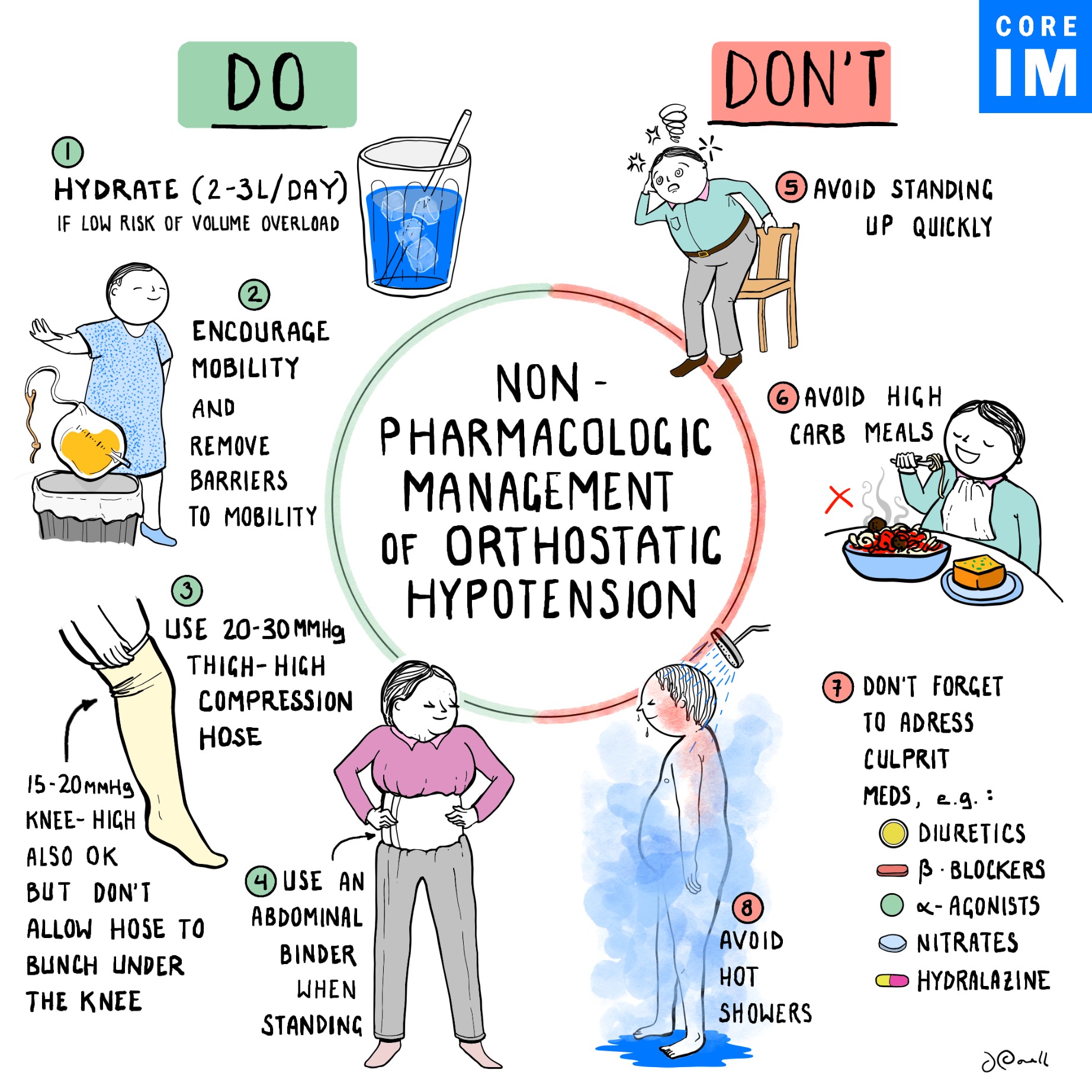
- Hydration and Salt Intake: Ensuring adequate daily fluid intake (typically 2 to 3 liters of water daily) and moderate dietary sodium intake (unless contraindicated by heart failure or severe hypertension) helps expand intravascular volume.
- Physical Counter-maneuvers: Educating patients to perform isometric contractions—such as leg crossing, squatting, or tensing the calf and thigh muscles—before standing can physically propel blood back toward the heart.
- Postural Adjustments: Patients should be advised to rise slowly from bed, sitting on the edge of the mattress for one to two minutes before standing. Elevating the head of the bed by 10 to 20 degrees can reduce nocturnal pressure diuresis and blunt morning orthostasis.
- Compression Garments: Abdominal binders and thigh-high or knee-high compression stockings reduce venous pooling in the lower extremities and splanchnic bed.
Pharmacological Therapy
When non-pharmacological measures and medication adjustments fail to control severe, disabling symptoms, targeted pharmacotherapy may be introduced. Fludrocortisone, a synthetic mineralocorticoid, expands plasma volume and enhances vascular sensitivity to circulating catecholamines. Midodrine, an alpha-1 agonist, constricts both resistance and capacitance vessels, directly raising standing blood pressure. Droxidopa, a synthetic amino acid precursor of norepinephrine, is utilized primarily for neurogenic orthostatic hypotension. These pharmacological agents require careful supervision by a physician, as they can cause supine hypertension—a dangerous elevation in blood pressure while the patient is lying flat.
Prevention and Safe Prescribing Practices
Preventing drug-induced orthostatic hypotension requires proactive clinical stewardship and patient education across all healthcare settings.
Clinicians must adopt the principle of "start low and go slow" when initiating new medications in older adults or individuals with autonomic vulnerabilities. Routine screening of orthostatic vital signs should be incorporated into annual wellness exams and whenever a new vasoactive or psychotropic drug is introduced. Pharmacists play a vital role in conducting comprehensive medication reviews to identify therapeutic duplications and cumulative hypotensive burdens.
Patient education is equally paramount. Individuals should be informed about the warning signs of orthostatic hypotension, the importance of maintaining hydration, and the necessity of reporting dizziness or near-fainting episodes immediately rather than altering their medication schedules independently. By fostering collaborative communication between patients, pharmacists, and prescribing physicians, the incidence and severity of drug-induced orthostatic hypotension can be significantly mitigated.
Frequently Asked Questions
What are the most common symptoms of drug-induced orthostatic hypotension?
The most common symptoms include lightheadedness, dizziness, blurred vision, weakness, fatigue, and cognitive slowing occurring shortly after standing up. In severe cases, patients may experience presyncope or full syncope, leading to dangerous falls and fractures.
Can over-the-counter medications cause orthostatic hypotension?
Yes. Certain over-the-counter medications, including antihistamines, cough syrups containing sedating agents, and herbal supplements purported to lower blood pressure or induce relaxation, can contribute to orthostatic hypotension, especially when combined with prescription drugs.
How long after starting a new medication does orthostatic hypotension appear?
Orthostatic hypotension can appear within hours of the first dose—such as the classic first-dose phenomenon seen with alpha-1 blockers—or develop gradually over weeks as dosages are titrated upward or cumulative volume depletion occurs.
Is drug-induced orthostatic hypotension reversible?
In the vast majority of cases, drug-induced orthostatic hypotension is fully reversible. Adjusting the dosage, switching to an alternative medication class, or discontinuing the offending agent under medical supervision typically resolves or significantly reduces symptoms.
Why are older adults more susceptible to this condition?
Older adults experience age-related declines in baroreflex sensitivity, reduced vascular compliance, and impaired heart rate modulation. Furthermore, they are more likely to have underlying chronic conditions and take multiple medications, which amplifies their risk of experiencing hypotensive drug interactions.
Conclusion and Next Actions
Drug-induced orthostatic hypotension is a manageable yet potentially dangerous condition requiring careful clinical vigilance, thorough medication review, and targeted patient education. If you or a loved one experience frequent dizziness, lightheadedness, or instability upon standing, do not stop taking prescribed medications independently. Instead, schedule an appointment with a primary care physician or a qualified healthcare specialist to review your complete medication regimen, evaluate your orthostatic vital signs, and safely optimize your treatment plan.
Image Gallery