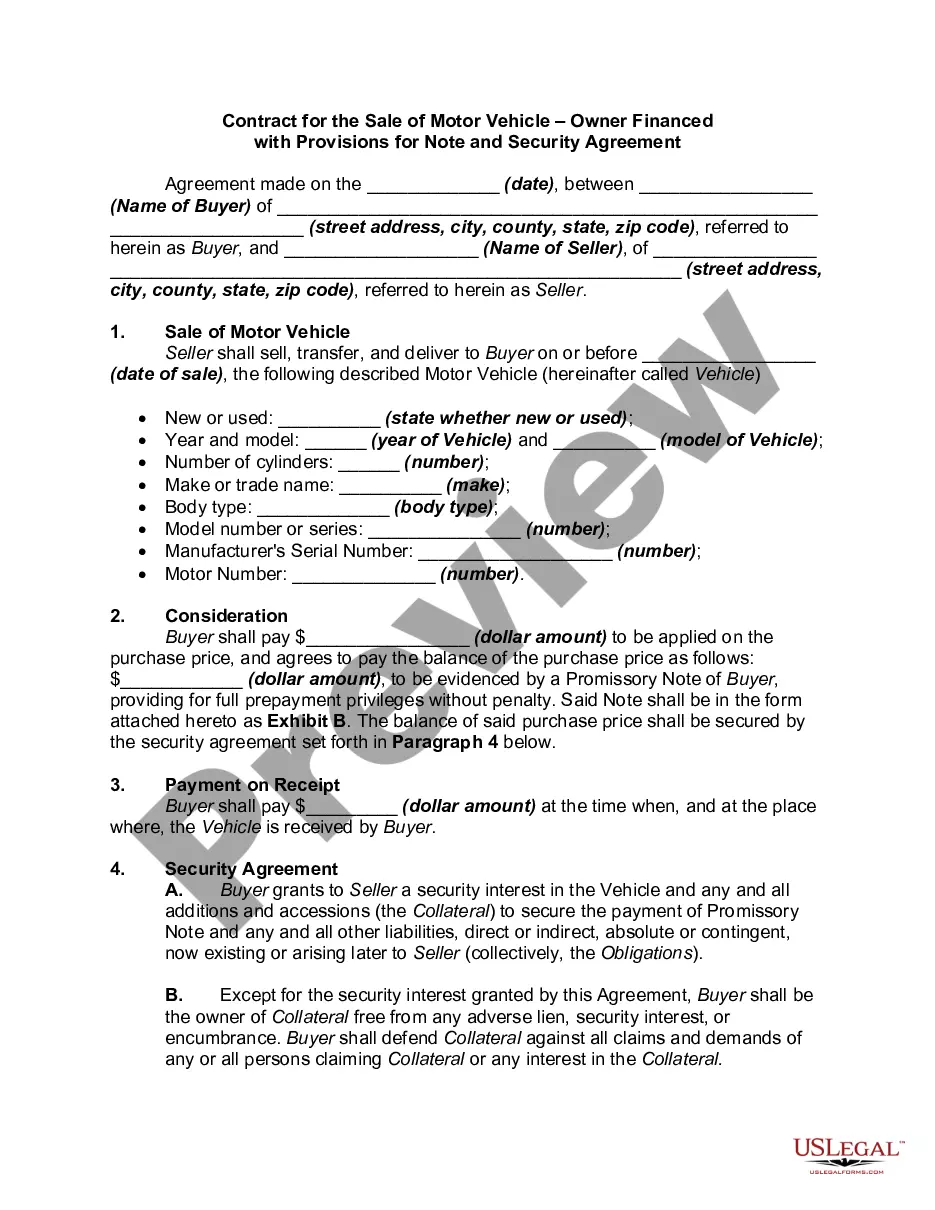
Comprehensive Guide to Owner Financing in Texas: Laws, Requirements, and Strategies for 2026
Owner financing in Texas is a real estate transaction where the seller provides a loan to the buyer to purchase the property, bypassing traditional institutional lenders. In 2026, this method remains a critical alternative for buyers w...
Owner financing in Texas is a real estate transaction where the seller provides a loan to the buyer to purchase the property, bypassing traditional institutional lenders. In 2026, this method remains a critical alternative for buyers with non-traditional income and sellers looking to maximize their return on investment through interest income while securing a faster closing process.
Contents
In a typical Texas owner-financed deal, the buyer provides a down payment and signs a promissory note and a deed of trust. The seller retains a lien on the property until the loan is paid in full. Because Texas has strict regulations regarding "executory contracts" and property rights, understanding the legal framework—including the Texas Property Code and federal Dodd-Frank requirements—is essential to avoid severe financial penalties.
How Owner Financing Functions in the Texas Market
Owner financing, also known as seller financing, operates on the principle that the seller becomes the "bank." Instead of the buyer receiving cash from a mortgage company to pay the seller, the seller extends credit to the buyer. This credit is secured by the property itself.
In 2026, the mechanics of these deals have become more standardized to comply with evolving consumer protection laws. The transaction involves two primary legal documents:
- The Promissory Note: This is the "IOU" that outlines the loan amount, interest rate, payment schedule, and consequences of default.
- The Deed of Trust: This document secures the note by placing a lien on the property. It grants a trustee the "power of sale," allowing for a non-judicial foreclosure if the buyer fails to meet their obligations.
Unlike other states that frequently use "Land Contracts" or "Contracts for Deed," Texas heavily regulates these "executory contracts." Most legal professionals in the state recommend a Warranty Deed with Vendor's Lien, which transfers legal title to the buyer immediately at closing. This structure provides the buyer with more protection and the seller with a clearer path to foreclosure compared to the legally hazardous contract-for-deed model.
The Legal Framework: Texas Property Code and Federal Law
Texas is known for its rigorous protection of homestead rights. Consequently, several layers of regulation govern owner-financed transactions. Failure to comply with these can result in the buyer being able to rescind the contract and recover all payments made.
Texas Property Code Chapter 5
This chapter is the primary regulator of seller financing. It imposes strict disclosure requirements on sellers, particularly concerning the condition of the property and any existing liens. Under Subchapter D, sellers must provide a "Disclosure of Property Condition" and a "Notice of Existing Liens" if the property is being sold with an underlying mortgage (often called a "wrap-around").
The Texas SAFE Act
The Secure and Fair Enforcement for Mortgage Licensing (SAFE) Act requires individuals who "engage in the business of a residential mortgage loan originator" to be licensed. In Texas, a seller is generally exempt from licensing if they finance their own primary residence or if they perform five or fewer owner-financed transactions in a 12-month period. If a seller exceeds this limit, they must involve a licensed Residential Mortgage Loan Originator (RMLO) to process the loan.
Dodd-Frank Wall Street Reform Act
Federal law also intersects with Texas transactions. The Dodd-Frank Act requires sellers to ensure the buyer has a reasonable Ability to Repay (ATR) the loan if the property is the buyer's primary residence. While there are "one-property" and "three-property" exemptions for small-scale sellers, these exemptions still carry restrictions on interest rate resets and balloon payments.
The Critical Role of the Residential Mortgage Loan Originator (RMLO)
Even when not strictly required by law for a single transaction, many Texas sellers in 2026 utilize an RMLO to insulate themselves from liability. The RMLO performs the "underwriting" for the seller, checking the buyer’s credit history, debt-to-income ratio, and employment verification.
By using an RMLO, the seller gains a third-party certification that the loan complies with the Ability to Repay rules. This is a vital defense if a buyer later claims the loan was "predatory." The RMLO typically charges a flat fee (often between $500 and $1,500), which can be paid by either the buyer or the seller.
Comparing Owner Financing to Traditional Mortgages
Choosing between owner financing and a traditional bank loan depends on the buyer’s creditworthiness and the seller’s financial goals. In the 2026 economic environment, interest rates for owner financing are typically 2% to 4% higher than institutional rates to compensate the seller for the increased risk.
| Feature | Traditional Mortgage | Owner Financing (Texas) |
|---|---|---|
| Approval Time | 30–60 Days | 7–14 Days |
| Credit Requirements | Strict (FICO, DTI) | Flexible (determined by seller) |
| Down Payment | 3%–20% | Typically 10%–20% |
| Interest Rates | Market Standard | Market + 2% to 5% |
| Closing Costs | High (Origination, Appraisal, etc.) | Lower (Title & Attorney fees) |
| Regulation | Federal Banking Laws | TX Property Code & Dodd-Frank |
Risks and Pitfalls of "Wrap-Around" Financing
A "wrap" occurs when a seller has an existing mortgage on the property and "wraps" their new loan to the buyer around that original debt. While common in Texas, this carries a significant risk: the Due-on-Sale Clause.
Most traditional mortgages contain a clause that allows the bank to demand full payment of the loan if the property is sold. If the bank discovers the transfer, they can initiate foreclosure even if the buyer is making payments to the seller. To mitigate this in 2026, Texas law requires specific disclosures under Texas Property Code § 5.016, giving the buyer the right to cancel the contract if the disclosure isn't provided before the transaction is finalized.
Benefits for Sellers and Buyers
For Sellers:
- Monthly Income: Sellers receive principal and interest payments, often yielding a higher return than other conservative investments.
- Higher Sale Price: Properties offered with financing often command a premium because they are accessible to a wider pool of buyers.
- Taxes: Sellers may be able to utilize the installment sale method (IRS Publication 537) to spread out capital gains tax liabilities over the life of the loan.
For Buyers:
- Access to Ownership: Ideal for self-employed individuals or those with credit blemishes who cannot meet the rigid "Qualified Mortgage" standards of 2026.
- Speed: Without the need for a bank appraisal or lengthy underwriting, buyers can move into their new home in a fraction of the time.
- Negotiability: Terms such as the down payment, interest rate, and term length are entirely negotiable between the two parties.
Essential Steps to Structuring the Deal
To ensure a legally sound transaction in Texas, participants should follow a standardized process:
- Negotiate Terms: Agree on the sales price, interest rate, term (usually a 15 or 30-year amortization with a 5-year balloon), and down payment.
- Engage an RMLO: Have the buyer submit their financial documents to a licensed originator to ensure compliance with the ATR rules.
- Title Search and Insurance: Never skip this step. A title company will ensure the seller has the legal right to sell the property and that no unknown liens exist.
- Drafting Documents: Use a Texas-licensed attorney to draft the Promissory Note and Deed of Trust. Do not use generic forms found online, as they often fail to include mandatory Texas notices.
- Closing at a Title Company: While not strictly required by law, closing at a title company ensures that all documents are properly recorded in the county real property records.
Frequently Asked Questions
Can I do a "Contract for Deed" in Texas?
While technically legal, Contracts for Deed (Executory Contracts) are highly discouraged in Texas due to the 2005 legislative changes. The regulations are so burdensome—requiring annual accountings and allowing for easy rescission by the buyer—that most attorneys will only draft a "Note and Deed of Trust" transaction.
What happens if the buyer stops paying?
In Texas, the Deed of Trust allows for a non-judicial foreclosure. This is a relatively fast process compared to other states. After providing the required notices of default and intent to accelerate, the seller can post the property for a trustee's sale on the first Tuesday of the month.
Is there a limit on interest rates for owner financing?
Yes. Texas usury laws generally limit interest rates. For residential homesteads, the rate is typically capped, but the ceiling is high enough that most standard owner-financed deals (8% to 12%) remain well within legal limits. Always check the current Texas Office of Consumer Credit Commissioner (OCCC) guidelines for the latest usury ceilings.
Does the seller have to pay the property taxes?
The buyer is responsible for taxes and insurance. However, it is highly recommended that the seller set up an escrow account (similar to a bank) to collect these funds monthly. This ensures that the seller isn't blindsided by a tax foreclosure or a lack of insurance coverage.
Practical Recommendations
For anyone entering an owner-financed agreement in Texas in 2026, the primary goal should be legal transparency. Buyers should insist on a title policy to confirm they are receiving a clear title. Sellers should prioritize using an RMLO and a specialized real estate attorney to draft the documents.
Because of the "Due-on-Sale" risks associated with underlying mortgages, parties should consider using a third-party note servicing company. These companies collect payments from the buyer, pay the underlying mortgage, and remit the balance to the seller, providing an audit trail for both parties and ensuring the property stays in good standing with the original lender.
Image Gallery