Analyzing Public Interest in Jennifer Lahmers and Plastic Surgery Speculation
Jennifer Lahmers, a prominent broadcast journalist and television personality known for her work on programs like Extra, has frequently been the subject of public speculation regarding potential cosmetic enhancements. However, there is...
Jennifer Lahmers, a prominent broadcast journalist and television personality known for her work on programs like Extra, has frequently been the subject of public speculation regarding potential cosmetic enhancements. However, there is no verified public record or official statement from Lahmers confirming that she has undergone plastic surgery. Discussion regarding her appearance is largely driven by social media trends and visual comparisons rather than documented medical procedures.
Contents
The Phenomenon of Celebrity Appearance Speculation
In the digital age, high-profile media personalities are subjected to intense scrutiny regarding their physical appearance. For professionals like Jennifer Lahmers, who spend the vast majority of their careers in front of high-definition cameras, the pressure to maintain a polished, camera-ready aesthetic is significant. This often leads to a feedback loop where viewers analyze subtle changes in a person’s facial structure, skin texture, or expression, frequently labeling these natural variations or stylistic shifts as evidence of surgical intervention.
It is important to distinguish between the legitimate practice of plastic surgery and the various other factors that contribute to a person's changing appearance on camera. Television lighting, professional makeup application, weight fluctuations, and the natural aging process all play a critical role in how a celebrity is perceived by an audience over the course of several years. When observers search for "what changed for Jennifer Lahmers plastic surgery," they are often attempting to reconcile the differences between how the personality looked early in her career and how she appears in the current broadcast cycle.
Factors Influencing Perceived Changes in Appearance
When analyzing why audiences often perceive changes in the faces of public figures, several non-surgical variables should be considered. Understanding these elements provides a more comprehensive view of how appearance evolves outside of medical clinics.
1. Professional Grooming and Styling
Television networks employ professional makeup artists and hair stylists specifically trained to work with studio lighting. Shifts in makeup trends—such as the transition from heavy contouring to the current preference for "clean girl" aesthetics or subtle, dewy skin finishes—can dramatically alter the perception of a person’s facial structure.
2. Advanced Broadcast Lighting and High-Definition Cameras
Modern television studios utilize sophisticated LED lighting systems that can be adjusted to minimize shadows or highlight specific features. In high-definition, even minor changes in lighting temperature or intensity can make a person’s face appear fuller, thinner, or smoother, contributing to viewer speculation that does not account for technical production choices.
3. Lifestyle and Health Dynamics
As individuals progress through their careers, changes in diet, fitness routines, and stress levels can have visible impacts on the face. Weight fluctuations, even minor ones, often manifest in the jawline and cheek area. Furthermore, the natural process of collagen depletion and hormonal shifts occurs for everyone, regardless of celebrity status.
4. Non-Invasive Aesthetic Procedures
While "plastic surgery" implies invasive procedures, many public figures utilize non-invasive, medically supervised treatments. These are categorized differently than surgery and include options like chemical peels, laser skin resurfacing, and high-quality skincare regimens. These treatments can improve skin tone and elasticity without the need for incisions or structural alteration.
Understanding the Difference: Invasive vs. Non-Invasive Procedures
If a public figure were to seek professional aesthetic help, the terminology varies significantly. Public interest often conflates these terms, but from a medical and aesthetic standpoint, the differences are vast.
| Procedure Type | Characteristics | Recovery Time | Purpose |
|---|---|---|---|
| Invasive Surgery | Requires incisions, anesthesia, and internal tissue/bone alteration. | Weeks to months | Structural changes (e.g., Rhinoplasty) |
| Minimally Invasive | Uses needles or heat-based technology to stimulate skin. | Days | Collagen production, texture improvement |
| Topical/Maintenance | Includes lasers, peels, and professional-grade skincare. | Immediate to 48 hours | Brightening, hydration, surface smoothing |
The Role of Social Media in Speculation
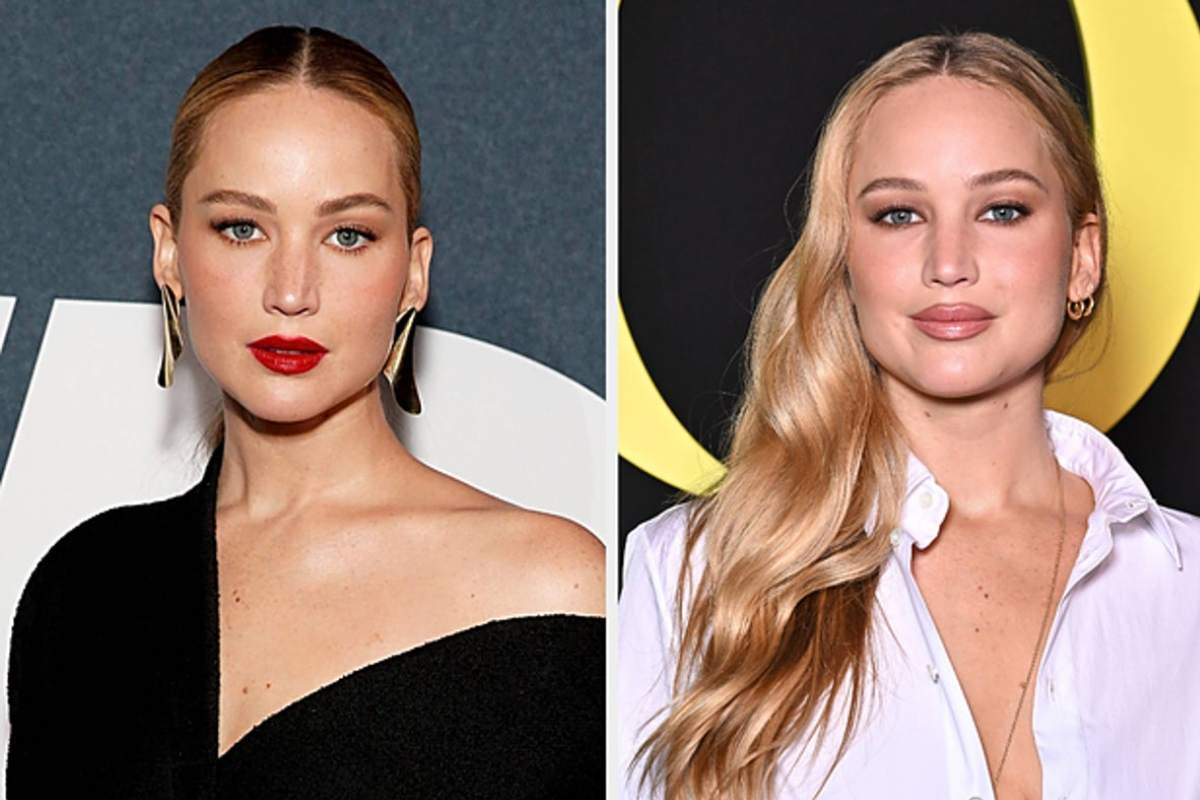
Platforms like Instagram, TikTok, and X (formerly Twitter) have decentralized the way celebrity news is consumed. In the past, gossip columns were the primary source of speculation; today, "expert" analysts on social media platforms often create side-by-side photo comparisons. These comparisons are rarely scientific, as they often rely on photos taken years apart, under different lighting conditions, with varying camera angles and degrees of digital retouching.
When users encounter these videos or posts, the algorithm often reinforces the narrative that a change has occurred. This creates a confirmation bias where viewers look for evidence to support the theory that surgery has happened, rather than evaluating the possibility that the individual is simply aging or changing their personal style. For a professional such as Jennifer Lahmers, these narratives are often speculative and lack corroboration from the individual herself or her representatives.
Establishing Facts in an Era of Digital Rumors
In the absence of a professional disclosure, it is essential for the public to maintain a critical eye toward hearsay. Medical procedures, whether cosmetic or reconstructive, are personal health decisions protected by privacy laws. Just as one would not expect a professional to disclose their medical records to the public, there is no inherent obligation for television hosts to comment on their personal aesthetic choices.
Furthermore, attributing appearance shifts solely to surgery minimizes the effort, discipline, and professional maintenance that go into a broadcast career. Maintaining a consistent public persona requires a commitment to a healthy lifestyle, wardrobe curation, and the guidance of professional stylists.
Common Questions Regarding Celebrity Aesthetic Changes
Does a change in facial structure always indicate plastic surgery? No. Facial structure changes can result from weight fluctuations, hormonal shifts, changes in makeup techniques, and the natural aging process. These factors often mimic the results of surgery when viewed through a screen.
Why do people speculate about Jennifer Lahmers’ appearance? Public figures are often subject to intense scrutiny. Speculation usually arises when viewers notice a shift in style or appearance compared to earlier stages of a career, leading to organic online conversation that is often driven by curiosity rather than evidence.
What is the difference between aesthetic procedures and plastic surgery? Plastic surgery typically involves invasive operations that change bone or muscle structure. Aesthetic procedures are often non-invasive or minimally invasive, focusing on skin quality and surface-level rejuvenation.
Are celebrities required to disclose aesthetic procedures? There is no legal requirement for public figures to disclose whether they have undergone cosmetic enhancements. Such decisions are private matters regarding personal health and body autonomy.
How does lighting affect the perception of plastic surgery? Television lighting is engineered to create specific effects. Changes in shadows, brightness, and contrast can make a person’s face appear significantly different, leading viewers to incorrectly assume that physical alterations have occurred.
Recommendation for Discerning Viewers
When evaluating rumors regarding the physical appearance of celebrities, it is best to approach such information with skepticism. Much of the content circulated online regarding "what changed" is designed for engagement rather than factual accuracy. If you are interested in the evolution of a public figure's style, focus on the visual evidence provided by professional styling and the undeniable impact of aging, which remains the most significant driver of natural appearance changes. Rather than searching for surgical interventions that may not exist, appreciate the professional evolution and longevity that individuals like Jennifer Lahmers maintain in a demanding industry.
Image Gallery