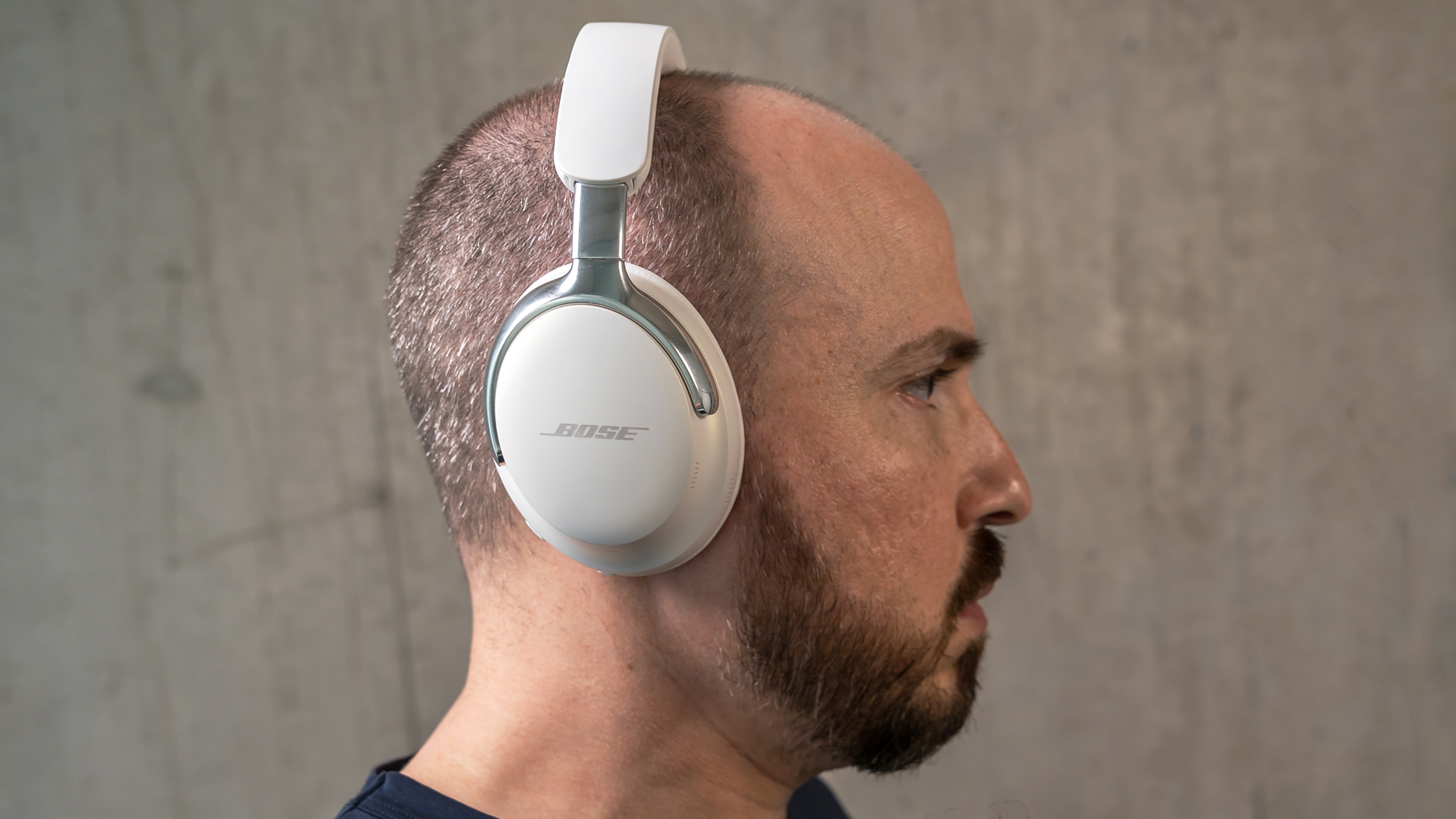
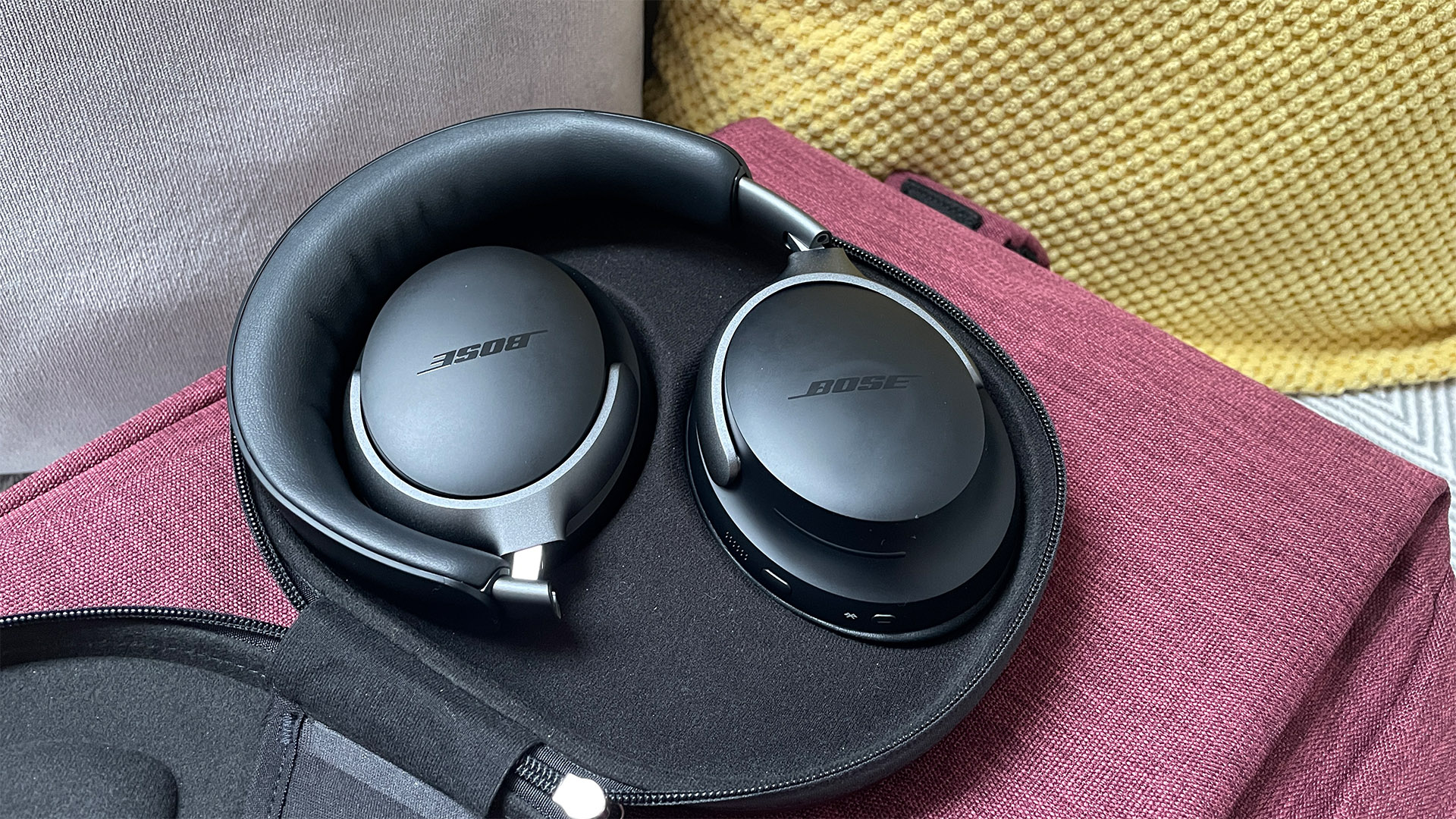
Bose QuietComfort 25 Headphones Review: Assessing Legacy Performance in 2026
The Bose QuietComfort 25 (QC25) remains a significant milestone in consumer audio history, offering a masterclass in active noise cancellation (ANC) and ergonomic design for commuters and frequent travelers. While newer models have sin...
The Bose QuietComfort 25 (QC25) remains a significant milestone in consumer audio history, offering a masterclass in active noise cancellation (ANC) and ergonomic design for commuters and frequent travelers. While newer models have since introduced wireless connectivity and smart integration, the wired QC25 continues to provide a reliable, high-fidelity acoustic environment for those who prefer a battery-powered analog connection without the complexities of Bluetooth pairing.
Contents
Historical Context and Design Philosophy
Released in 2014, the Bose QuietComfort 25 was designed as the successor to the legendary QC15. At the time of its debut, the objective was clear: prioritize effective noise attenuation and comfort for long-haul travel. Unlike the current trend of heavy, feature-laden headphones, the QC25 focuses on a lightweight, collapsible frame that folds neatly into a compact carrying case.
The build quality emphasizes high-impact plastics and synthetic protein leather cushions. From a 2026 perspective, the aesthetic is distinctly utilitarian. The headband features a soft suede-like lining that prevents the "clamping" sensation often found in tighter audiophile headphones. By utilizing a standard 2.5mm to 3.5mm detachable cable, Bose allowed users to replace the cord easily, which remains a practical advantage over modern wireless headphones with integrated, non-removable batteries that render the unit "dead" once the battery fails.
Active Noise Cancellation (ANC) Performance
The hallmark of the QC25 is its proprietary Acoustic Noise Cancelling technology. Even by today’s standards, the QC25 is exceptionally effective at neutralizing low-frequency ambient drone, such as jet engines, HVAC systems, and the hum of a train carriage.
The mechanism operates through an array of internal and external microphones that analyze ambient sound and generate an inverted phase signal. In practice, the transition between "Off" and "On" is stark. When switched on, the world effectively fades into a hushed background. However, it is important to note that the QC25 does not handle unpredictable, high-pitched sounds—like sudden chatter or sharp mechanical clicks—as effectively as the sophisticated algorithms found in the current Bose QuietComfort Ultra series. For the budget-conscious user in 2026, the QC25 provides roughly 80-85% of the noise-canceling efficacy of modern flagships at a fraction of the cost on the secondary market.
Acoustic Signature and Audio Fidelity
The QC25 provides a "Bose Sound" profile, which is tuned primarily for clarity, mid-range presence, and long-term listening comfort rather than aggressive bass response.
- Bass: The low end is controlled and articulate. It does not bloom or bleed into the mids, making it suitable for podcasts and acoustic music.
- Mid-Range: Vocals are clear and placed slightly forward, which is ideal for conference calls or watching films on an airplane.
- Treble: The high frequencies are rolled off to prevent listener fatigue during extended wear.
Because the headphones are driven by an active amplifier within the earcups, the audio profile remains consistent regardless of the source device. Whether you are plugging into a high-end DAC or a legacy headphone jack on a laptop, the sound remains balanced. Note that when the single AAA battery powering the electronics dies, the headphones lose their active EQ processing, resulting in a thin, hollow sound that is largely unusable for critical listening.
Operational Requirements and Power
The QC25 is a strictly battery-powered device. It requires one AAA battery to function, which provides approximately 35 hours of active listening time. In 2026, this is both a strength and a limitation.
- The Advantage: You are never reliant on USB charging ports during a flight. A spare AAA battery is easy to carry and provides instant "recharging."
- The Disadvantage: You must maintain a stock of batteries. If you forget to switch the headphones off after use, the battery will drain completely.
The physical toggle switch on the right earcup is simple and tactile, providing immediate visual feedback on whether the noise cancellation is active. Unlike touch-sensitive panels on modern headphones, this mechanical switch is immune to accidental inputs from hair, hoodies, or moisture.
Comparison: QC25 vs. Modern Alternatives
| Feature | Bose QC25 | Modern ANC Headphone (e.g., QC Ultra) |
|---|---|---|
| Connectivity | Wired (3.5mm) | Wireless (Bluetooth) + Wired |
| Power Source | AAA Battery | Rechargeable Li-Ion |
| Noise Canceling | Industry-standard (Fixed) | Adaptive/Adjustable |
| Smart Features | None | App Integration, EQ, Transparency |
| Durability | High (Field Repairable) | Moderate (Internal Battery limit) |
Common Maintenance and Troubleshooting
Given that the QC25 units available in 2026 are likely pre-owned, potential buyers should anticipate some degree of wear. The most common point of failure is the synthetic leather on the ear cushions. Fortunately, the cushions are user-replaceable. Third-party replacement pads are widely available, often at a lower cost than original Bose components.
If you experience "crackling" sounds or one-sided audio, the issue is almost always the cable rather than the drivers. Because the cable uses a standard 2.5mm connector on the headphone side, you can replace the cable entirely without requiring soldering or specialized repair tools. Before discarding a unit, ensure the battery contacts inside the right earcup are clean and free of corrosion from old, leaked batteries.
Suitability for the 2026 User
Who should consider a Bose QuietComfort 25 today?
- Travelers on a Budget: If you want the Bose noise-cancellation experience without the $300+ price tag of current models, the QC25 is an excellent investment.
- Audio Purists: If you prefer a wired, jitter-free connection for listening to high-resolution audio files on a computer, the QC25 provides an excellent platform.
- Work-from-Home Users: The integrated microphone on the cable, while older in design, is sufficient for clear voice pickup during video calls, and the wired connection eliminates the "Bluetooth dropping" frustrations common in home office environments.
However, if your primary device is a modern smartphone lacking a 3.5mm headphone jack, the QC25 will require a digital-to-analog converter (DAC) dongle. While these are inexpensive, they do introduce a potential point of failure and a minor inconvenience.
Frequently Asked Questions
Does the Bose QC25 work without a battery? No. The QC25 is an active-only headphone. Without the AAA battery, the internal amplifier and the noise-cancellation electronics remain powered off, resulting in extremely quiet and poor-quality audio that is not suitable for listening.
Can I use the QC25 for phone calls? Yes. The provided cable includes an inline remote and microphone. The microphone is functional for phone calls and video conferencing, provided the device you are connecting to has a compatible 3.5mm input.
Is it worth buying a used QC25 in 2026? It is worth it if you prioritize value and do not mind the lack of wireless features. Ensure the headband padding is intact, as replacing the headband is significantly more difficult than replacing the ear cushions.
How does the noise cancellation compare to modern earbuds? While modern high-end earbuds provide impressive ANC, the physical seal and over-ear design of the QC25 still generally outperform small earbuds in blocking out low-frequency engine drones and consistent white noise.
Is there a way to make the QC25 wireless? There are third-party Bluetooth adapters designed specifically to plug into the 2.5mm jack of the QC25, effectively turning them into wireless headphones. However, these add bulk and introduce another battery that requires its own charging, often negating the simplicity of the original design.
Final Recommendation
The Bose QuietComfort 25 is a testament to purposeful design. While it lacks the "smart" features and wireless convenience of its successors, its core competency—quieting the world around you—remains highly effective. If you can secure a well-maintained pair or refurbish an existing one with new ear cushions, it remains a high-value tool for travel, work, and focused listening in 2026. Prioritize purchasing a high-quality, long-lasting cable and a bulk pack of reliable AAA batteries to keep your experience seamless.
Image Gallery