Harper University Hospital Detroit Overview: Comprehensive Facility Guide and Clinical Services
Harper University Hospital in Detroit stands as a cornerstone of tertiary and quaternary healthcare in Michigan, anchoring the Detroit Medical Center (DMC) campus in Midtown. Serving as a major academic teaching hospital, it blends spe...
Harper University Hospital in Detroit stands as a cornerstone of tertiary and quaternary healthcare in Michigan, anchoring the Detroit Medical Center (DMC) campus in Midtown. Serving as a major academic teaching hospital, it blends specialized clinical care, advanced medical research, and comprehensive residency training programs in affiliation with Wayne State University School of Medicine. Patients, healthcare professionals, and researchers navigating this sprawling medical institution benefit from understanding its specialized service lines, campus history, administrative structure, and logistical access points.
Contents
Historical Foundations and Institutional Evolution
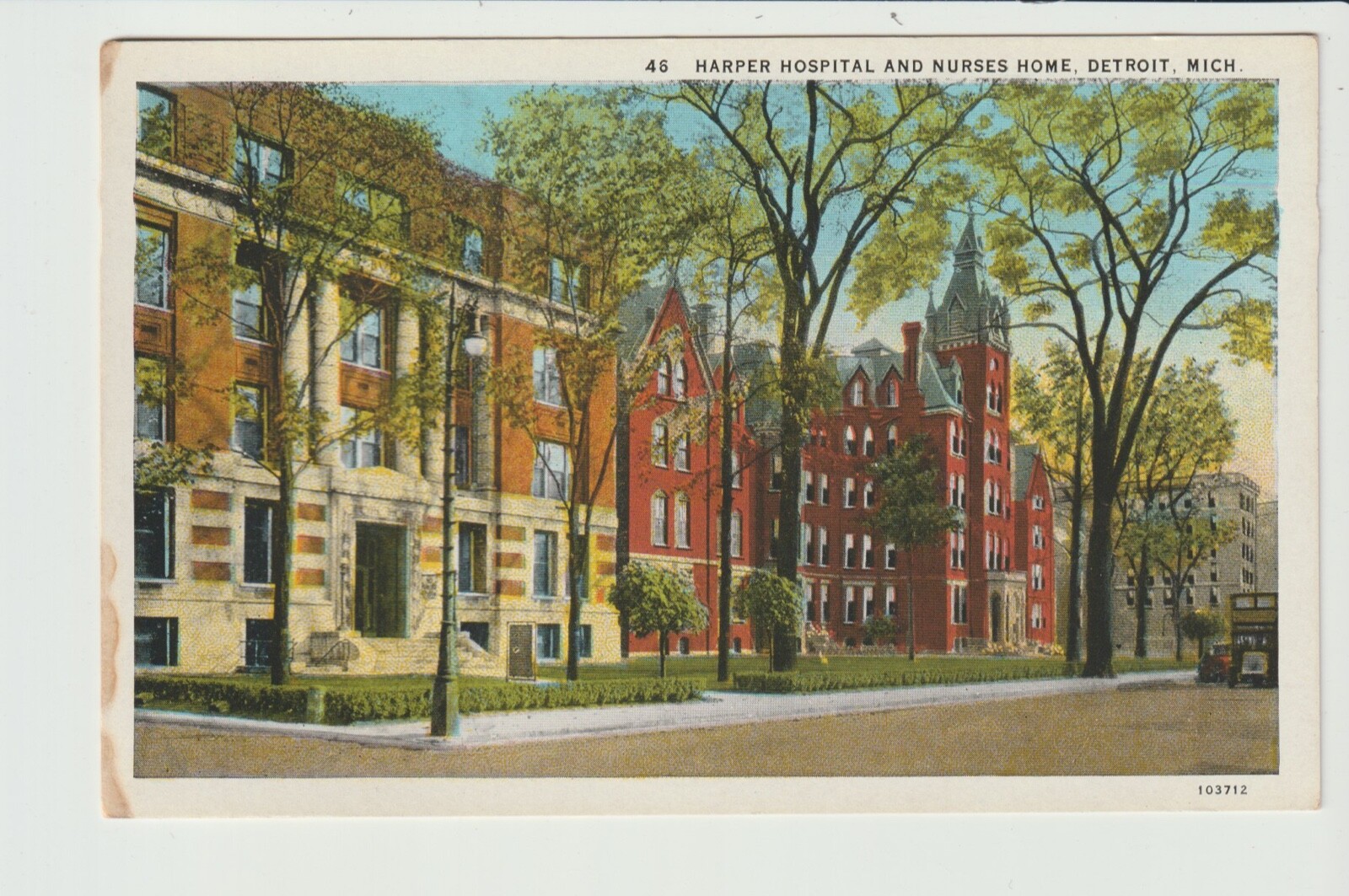
The lineage of Harper University Hospital traces back to the mid-19th century, making it one of the oldest and most historically significant healthcare institutions in the state of Michigan. Originally established through the philanthropic efforts of Walter Buhl and the financial support of Anna Harper in the wake of the American Civil War, the institution initially aimed to provide care for Union soldiers and indigent Detroit citizens. Over the decades, the hospital underwent numerous structural transformations, moving from its original downtown site to its current location in the Midtown Detroit medical corridor during the mid-20th century.
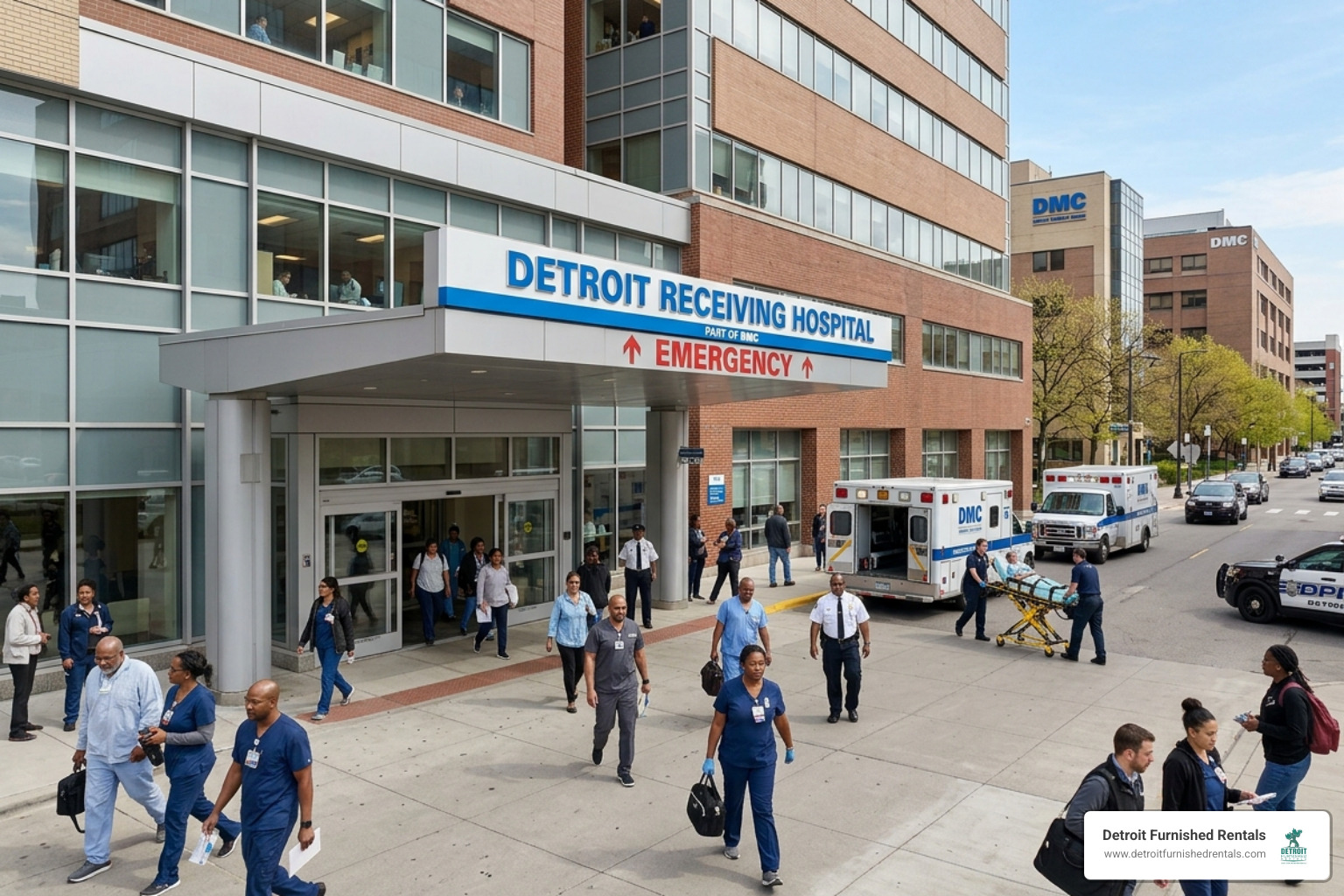
As part of the Detroit Medical Center, Harper has continually expanded its physical footprint and technological infrastructure. The integration into the broader DMC network allowed the hospital to consolidate specialized medical disciplines under a unified administrative umbrella. Today, while operating as a distinct acute-care facility with its own nursing, medical staff, and specialized units, it shares campus resources—such as diagnostic laboratories, emergency transport corridors, and parking structures—with neighboring DMC institutions like Hutzel Women's Hospital and the Detroit Receiving Hospital.
Core Clinical Specialties and Centers of Excellence
Harper University Hospital is widely recognized for its high-acuity medical and surgical services, functioning as a primary referral center for complex cases across the region. Unlike community hospitals focused on primary and secondary care, Harper specializes in tertiary interventions that require specialized technology, multidisciplinary physician teams, and intensive post-operative management.
Cardiovascular Care
The cardiovascular service line at Harper encompasses advanced diagnostic catheterization, electrophysiology studies, coronary artery bypass grafting (CABG), and structural heart disease interventions. Cardiologists and cardiothoracic surgeons work in tandem within dedicated cardiac care units to manage acute myocardial infarctions, heart failure exacerbations, and complex arrhythmias. The hospital utilizes advanced imaging modalities, including cardiac magnetic resonance imaging (MRI) and multi-slice computed tomography (CT), to guide precise surgical and percutaneous treatments.
Neurosciences and Neurosurgery
Neurological care at Harper addresses complex disorders of the central and peripheral nervous systems. The neurosurgery department performs intricate procedures for brain tumors, aneurysms, spinal cord compression, and neurovascular conditions. Collaborating closely with neurologists, neuro-intensivists, and specialized rehabilitation therapists, the neurosciences team manages acute strokes, epileptic disorders, and neurodegenerative conditions within dedicated neurological intensive care units (Neuro-ICU).
Transplant Programs
As a major organ transplant center, Harper University Hospital hosts established surgical programs for kidney and pancreas transplantation. The transplant division manages the entire continuum of care, from initial candidate evaluation and organ procurement coordination to complex immunosuppressive management and long-term post-transplant follow-up. Multidisciplinary teams consisting of transplant surgeons, nephrologists, specialized pharmacists, and social workers coordinate care to maximize graft survival and patient outcomes.
Nephrology and Renal Services
Building upon its robust transplant infrastructure, Harper is a nationally recognized destination for nephrology care. The hospital provides comprehensive management for acute kidney injury, chronic kidney disease (CKD), and end-stage renal disease (ESRD). Inpatient and outpatient dialysis services are integrated directly into the facility's acute-care workflows, ensuring uninterrupted renal replacement therapy for medically complex inpatients.
Academic Affiliation and Medical Education
A defining characteristic of Harper University Hospital is its deep integration into the academic and research missions of the Wayne State University School of Medicine. This partnership shapes the clinical culture of the institution, ensuring that patient care is informed by ongoing scientific discovery and evidence-based medical education.
- Residency and Fellowship Training: The hospital serves as the primary training site for dozens of medical residents and clinical fellows specializing in internal medicine, general surgery, nephrology, cardiology, and neurology.
- Clinical Trials and Research: Investigators at Harper conduct active clinical trials, exploring novel pharmacological therapies, surgical techniques, and medical devices. Patients treated at the hospital frequently gain access to cutting-edge therapies before they become widely available in community settings.
- Multidisciplinary Rounding: Academic oversight ensures that patient care teams include attending physicians, resident physicians, clinical pharmacists, and medical students, fostering an environment of rigorous clinical review and collaborative problem-solving.
Campus Infrastructure and Operational Navigation
Navigating the Harper University Hospital campus requires an understanding of its physical layout within the Detroit Medical Center footprint. Located at 3990 John R St, Detroit, MI 48201, the hospital is situated in the Midtown neighborhood, immediately adjacent to the Wayne State University campus and accessible via major regional expressways including I-75 and I-94.
| Facility Component | Primary Function | Location / Access Details |
|---|---|---|
| Main Patient Entrance | Visitor check-in, registration, and general information desk. | 3990 John R St, street-level access with valet parking. |
| Diagnostic Imaging | MRI, CT, X-ray, and ultrasound services for inpatients and outpatients. | Lower level and diagnostic wing, accessible via main elevators. |
| Emergency Services | Co-managed acute emergency care through the DMC network. | Adjacent Detroit Receiving Hospital and specialized DMC emergency portals. |
| Parking Structures | Patient and visitor parking with direct skywalk or ground-level access. | Dedicated DMC parking decks located along John R St and Mack Ave. |
Patient Access, Visiting Policies, and Preparation
Preparing for a visit, outpatient procedure, or inpatient admission at Harper University Hospital involves adhering to established institutional guidelines designed to maintain patient safety, infection control, and operational efficiency.
Registration and Insurance Verification
Patients arriving for scheduled procedures must complete pre-registration through the DMC administrative portal or via phone prior to their arrival. Essential items to bring include:
- A government-issued photo identification (Driver's License or State ID).
- All active health insurance cards and secondary coverage documentation.
- A comprehensive, physical list of current medications, including dosages and frequencies.
- Relevant medical records, outside imaging CDs, or physician referral letters if requested by the clinical team.
Visitor Guidelines
Visitor policies at Harper University Hospital are subject to periodic adjustments based on public health conditions, seasonal viral activity, and specific unit regulations. General inpatient units typically permit designated visiting hours, while intensive care units (ICUs) maintain stricter limits on the number of visitors per patient and specific age restrictions to ensure clinical stability and rest for critically ill individuals. Visitors are generally required to check in at security desks to receive a visitor badge.
Frequently Asked Questions
What medical specialties are Harper University Hospital most known for?
Harper University Hospital is nationally and regionally recognized for its expertise in cardiovascular disease, neurosurgery, kidney and pancreas transplantation, and nephrology. It operates as a tertiary care center managing complex, high-acuity medical and surgical conditions.
Is Harper University Hospital affiliated with a medical school?
Yes. Harper is a primary teaching hospital in close partnership with the Wayne State University School of Medicine. This partnership drives its academic programs, medical residencies, fellowships, and clinical research trials.
Where should visitors park when visiting a patient at Harper?
Visitors can utilize the designated Detroit Medical Center parking structures located along John R Street and Mack Avenue. Valet parking is also available at the main entrance of the hospital for patient drop-off and retrieval convenience.
How do I access my medical records from a stay at Harper University Hospital?
Medical records can be requested through the Detroit Medical Center Health Information Management (HIM) department. Patients can access their health data online through the designated DMC patient portal or by submitting a formal written records request form.
Does Harper University Hospital have an emergency department?
While Harper specializes in inpatient tertiary care, emergency medical needs for the DMC campus are centrally routed through the adjacent Detroit Receiving Hospital and integrated DMC emergency services, ensuring immediate access to trauma and acute care specialists.
Next Actions and Practical Guidance
For patients, referring physicians, or researchers seeking to engage with Harper University Hospital, taking the appropriate next step depends on the nature of the inquiry. Individuals seeking scheduled clinical care should first obtain a physician referral if required by their insurance plan, followed by contacting the central scheduling office or utilizing the DMC online appointment portal. For billing inquiries, medical record requests, or specific department extensions, contacting the main hospital switchboard at (313) 745-8000 provides direct routing to administrative and clinical departments. Always verify current operating hours, visitor protocols, and parking rates directly through official channels prior to arrival.
Image Gallery