How to Determine Exactly What Type of Fishing License You Need in 2026
To determine the specific fishing license you need, you must identify your residency status, the body of water (freshwater or saltwater), your age, and the duration of your trip. Most jurisdictions offer annual, multi-day, or single-da...
To determine the specific fishing license you need, you must identify your residency status, the body of water (freshwater or saltwater), your age, and the duration of your trip. Most jurisdictions offer annual, multi-day, or single-day permits. Specific species like trout or salmon often require additional stamps or endorsements.
Contents
Fishing regulations are designed to manage aquatic populations and fund conservation efforts. In 2026, these regulations have become more digitized and specific to local ecosystems. Navigating the requirements requires a step-by-step analysis of where you are fishing, what you are targeting, and your legal status in that jurisdiction. Failure to secure the correct permit can lead to significant fines and the confiscation of your gear.
Determining Your Residency Status
The first and most impactful factor in deciding what license to buy is your residency. For regulatory purposes, residency is not just about where you are currently standing; it is about your legal domicile. In most U.S. states and many international regions, a "resident" is someone who has lived in the area for a consecutive period—usually six months to a year—and possesses a valid state-issued ID or driver's license from that location.
Why Residency Matters
Residency status dictates the cost of the license. Historically and through 2026, resident licenses are significantly subsidized by local taxes and state funding. A resident annual license might cost $25, while a non-resident equivalent could exceed $100. This price gap exists because residents contribute to the state’s infrastructure and conservation budgets year-round through other tax avenues.
Special Residency Cases
Many jurisdictions offer "Part-Year Resident" or "Student" licenses. If you are an active-duty military member stationed in a state, you are often granted resident pricing regardless of your legal home of record. Similarly, full-time students attending a university within a state can often purchase resident licenses by showing proof of enrollment. Always verify if you qualify for these exceptions, as they can save substantial amounts of money over the course of a fishing season.
Freshwater vs. Saltwater Licenses
The distinction between freshwater and saltwater fishing is the most common point of confusion for new anglers. In 2026, the lines are clearly drawn, but the environmental transition zones—known as brackish water—require careful attention to the law.
Freshwater Licenses
A freshwater license typically covers inland lakes, ponds, reservoirs, and non-tidal rivers. These licenses fund the stocking of species like bass, bluegill, and catfish. If you are fishing in a landlocked body of water, a freshwater license is almost certainly what you need.
Saltwater Licenses
Saltwater licenses apply to the ocean, coastal bays, and tidal rivers. Because marine environments are often managed by both state and federal agencies, these licenses may have different reporting requirements. For example, under the National Saltwater Angler Registry managed by the National Oceanic and Atmospheric Administration (NOAA), some states require you to be registered even if you are fishing from shore.
The Challenge of Brackish Water
In coastal regions, many rivers move from salt to fresh as you head inland. These "demarcation lines" are usually defined by specific landmarks like bridges, dams, or geographical coordinates. If you plan to fish in these transition zones, the safest legal move is to possess a "Combination" or "All-Water" license. These comprehensive permits cover both environments and eliminate the risk of accidentally crossing an invisible regulatory line.
Duration and Frequency: Short-Term vs. Annual
In 2026, licensing agencies provide flexibility for both dedicated enthusiasts and occasional vacationers. Choosing the right duration is a matter of calculating your "cost per day" on the water.
- Annual Licenses: These are valid for 365 days from the date of purchase or for a set calendar year (January 1 to December 31). If you plan to fish more than three or four times in a year, the annual license is consistently the most cost-effective option.
- Short-Term Licenses (1-Day, 3-Day, 7-Day): These are ideal for tourists or those trying the sport for the first time. While the daily rate is much higher than an annual pass, the total outlay is lower. Note that non-residents often have access to different short-term increments than residents.
- Lifetime Licenses: Many states offer a one-time purchase that covers the angler for the rest of their life. While the upfront cost is high (often $500 to $1,000), it protects the holder against future price increases and remains valid even if the angler moves out of state.
Age-Based Requirements and Exemptions
Age is a primary factor in determining if you need a license at all. In 2026, most jurisdictions have standardized their age brackets to simplify enforcement.
Youth Exemptions
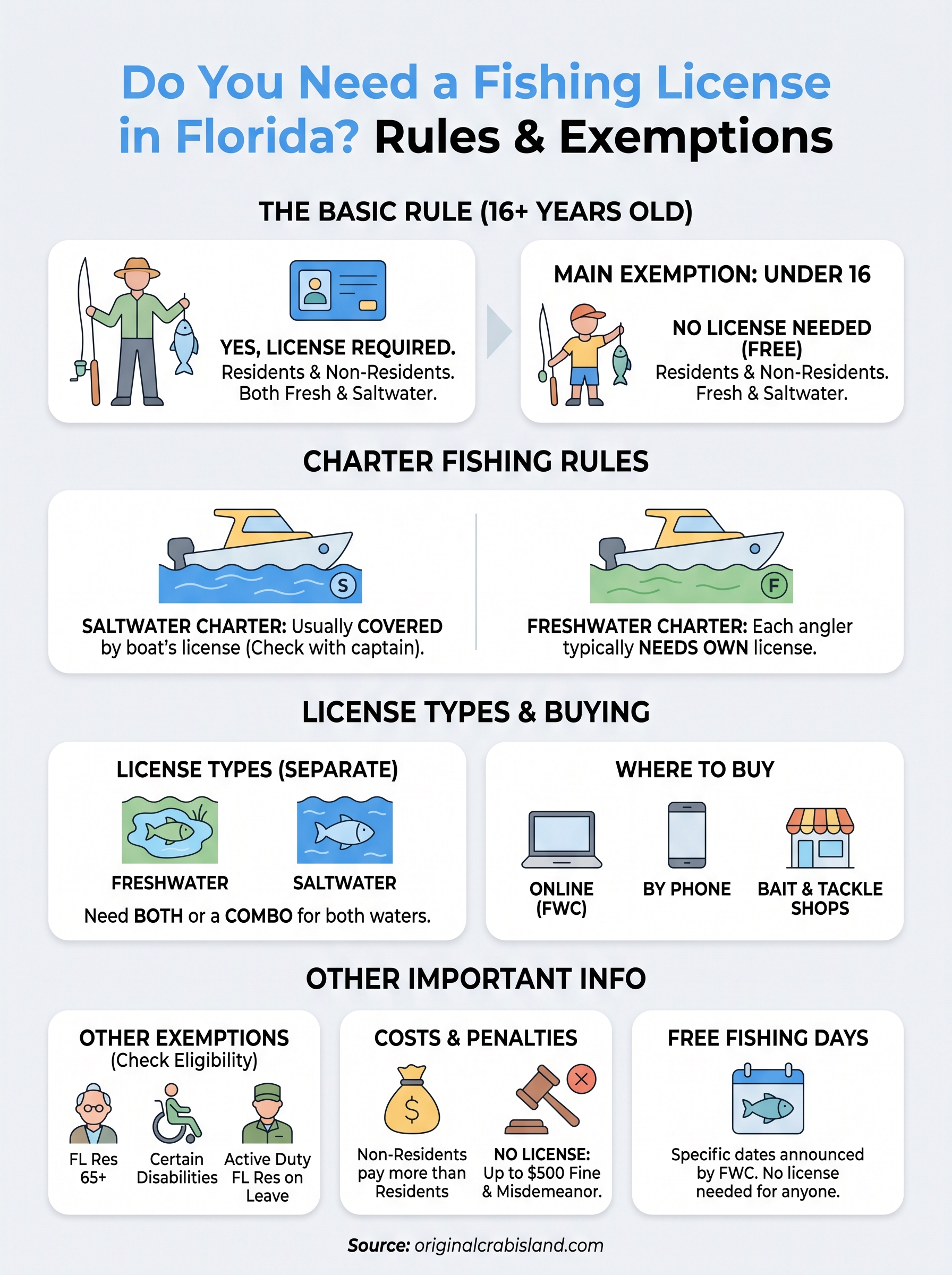
Most states allow children under the age of 16 to fish without a license. This is intended to encourage the next generation of conservationists to enter the sport without financial barriers. However, even if a child doesn't need a license, they must still follow all bag limits, size restrictions, and season dates.
Senior Licenses
Once an angler reaches a certain age—typically 65 or 70—they often qualify for a "Senior License." These are either free or offered at a steep discount. In some regions, seniors are exempt from the license requirement entirely, though they may still need to carry proof of age and residency.
Disability and Veteran Licenses
States frequently provide free or low-cost licenses to disabled veterans and individuals with permanent disabilities. These programs are a gesture of gratitude for service and an effort to make the outdoors accessible to everyone. Documentation from the Department of Veterans Affairs or a medical provider is usually required during the application process.
Species-Specific Stamps and Endorsements
A general fishing license is often just the "entry fee." Depending on what you are trying to catch, you may need additional "stamps" or "endorsements." These are secondary permits that fund the specific management of high-demand or sensitive species.
- Trout Stamps: Because trout often require expensive hatchery programs and specific cold-water habitat management, many states require a trout stamp to be purchased in addition to a freshwater license.
- Salmon and Steelhead Tags: In the Pacific Northwest and Great Lakes regions, these migratory fish are strictly monitored. Anglers must often carry a "harvest record card" to log each fish kept.
- Reef Fish Endorsements: In saltwater environments, targeting species like snapper or grouper may require a specific endorsement to help federal agencies track the health of reef ecosystems.
- Sustained Harvest Permits: For shellfish like lobster or crab, specialized permits are the norm, often accompanied by strict gear requirements (e.g., specific trap designs).
Comparison of Common License Types (2026 Standards)
| License Category | Typical Duration | Best For | Key Requirement |
|---|---|---|---|
| Resident Annual | 12 Months | Local residents fishing 4+ times/year | Proof of domicile (ID/Utility bill) |
| Non-Resident Annual | 12 Months | Frequent out-of-state visitors | Valid ID from home state |
| 7-Day Tourist | 1 Week | Vacationers and week-long trips | No residency proof needed |
| All-Water Combo | 12 Months | Anglers fishing both coast and inland | Covers both Fresh and Saltwater |
| Senior/Veteran | Lifetime/Annual | Older anglers or former military | Proof of age or military service |
| Youth | N/A | Children under 16 | Usually free; no physical card needed |
Where and How to Purchase Your License
In 2026, the process of buying a license has moved almost entirely to digital platforms. You can typically purchase a license through:
- State Agency Websites: The U.S. Fish & Wildlife Service provides links to every state’s fish and wildlife department. This is the most secure way to buy.
- Mobile Apps: Most states now have dedicated "Outdoors" apps. These allow you to store a digital copy of your license on your phone, which is legally valid in place of a paper copy in most jurisdictions.
- Retail Locations: Bait and tackle shops, as well as large outdoor retailers (like Bass Pro Shops or Walmart), still offer license printing services for a small convenience fee.
Digital Verification and Geofencing
A new development in 2026 is the use of geofencing within fishing apps. Some apps can now alert you if you are entering a zone that requires a different license or if you are in a "Catch and Release Only" area. Utilizing these tools can prevent accidental violations of local law.
Reciprocal Licenses and Boundary Waters
One of the most complex scenarios involves fishing on a body of water that borders two states, such as the Colorado River between Arizona and California, or the Delaware River between Pennsylvania and New Jersey.
"Reciprocal agreements" are treaties between states that allow an angler with a license from either state to fish the entire body of water, provided they are in a boat. However, if you are fishing from the shore, you must almost always have a license for the state whose soil you are standing on. In 2026, always check the specific boundary water rules on the Take Me Fishing resource portal before heading out.
Consequences of Fishing Without the Correct License
The legal ramifications of improper licensing are more than just a slap on the wrist. State wildlife officers (game wardens) have broad authority to enforce these laws.
- Fines: Fines for fishing without a license can range from $50 to over $1,000, depending on the state and whether you have kept any fish.
- Gear Seizure: In many jurisdictions, officers have the right to seize any equipment used in the commission of a wildlife crime. This includes rods, reels, tackle boxes, and in extreme cases of poaching, even boats or vehicles.
- Loss of Privileges: Serious or repeat offenders may have their fishing and hunting privileges revoked not just in that state, but in all states participating in the Interstate Wildlife Violator Compact.
Frequently Asked Questions
Do I need a license if I am just practicing "catch and release"?
Yes. The law generally defines "fishing" as the attempt to take or catch fish, regardless of whether you intend to keep them. Even if you release every fish immediately, you are still interacting with the resource and must possess a valid license.
Can I fish for free on certain days?
Most states host "Free Fishing Days" or "Free Fishing Weekends," often coinciding with National Fishing and Boating Week in June. On these specific dates, residents (and sometimes non-residents) can fish without a license, though all other size and bag limits still apply.
If I am fishing with a guide or on a charter boat, do I need my own license?
This depends on the location. In states like Florida, many charter captains hold a "blanket license" that covers everyone on their boat. However, in states like California or New York, individual anglers are often required to have their own permits even when on a guided trip. Always ask your guide or charter operator about their license status before you arrive.
Do I need a license to fish in a private pond?
In most jurisdictions, you do not need a state fishing license to fish in a pond that is entirely on private property, has no inlet or outlet to public waters, and is not stocked by the state. However, if the pond is connected to a public stream or river, the state may still claim jurisdiction.
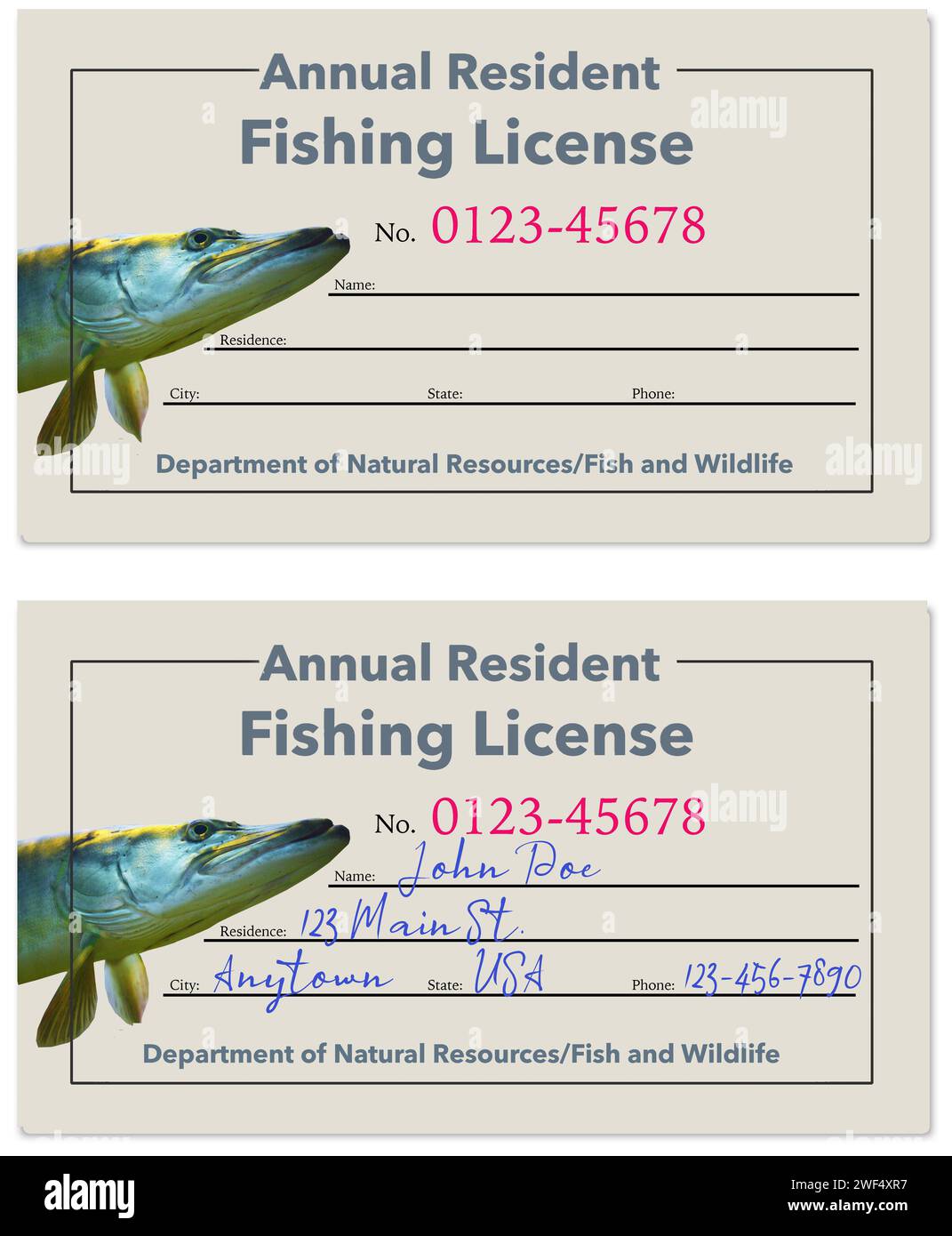
What happens if I lose my physical license?
In 2026, this is rarely a problem. You can log into your state’s wildlife portal and reprint your license or simply show the digital version on your mobile device. Most states charge a very small fee (usually $2–$5) for a replacement physical card if you require one.
Final Recommendation for 2026 Anglers
Before you head to the water, download your state’s official wildlife management app. This is the single most effective way to ensure you have the correct license, the necessary stamps for your target species, and an up-to-date map of legal fishing boundaries. If you are a beginner, start with a "Combination Annual License" to give yourself the most flexibility and peace of mind across different water types.
Image Gallery