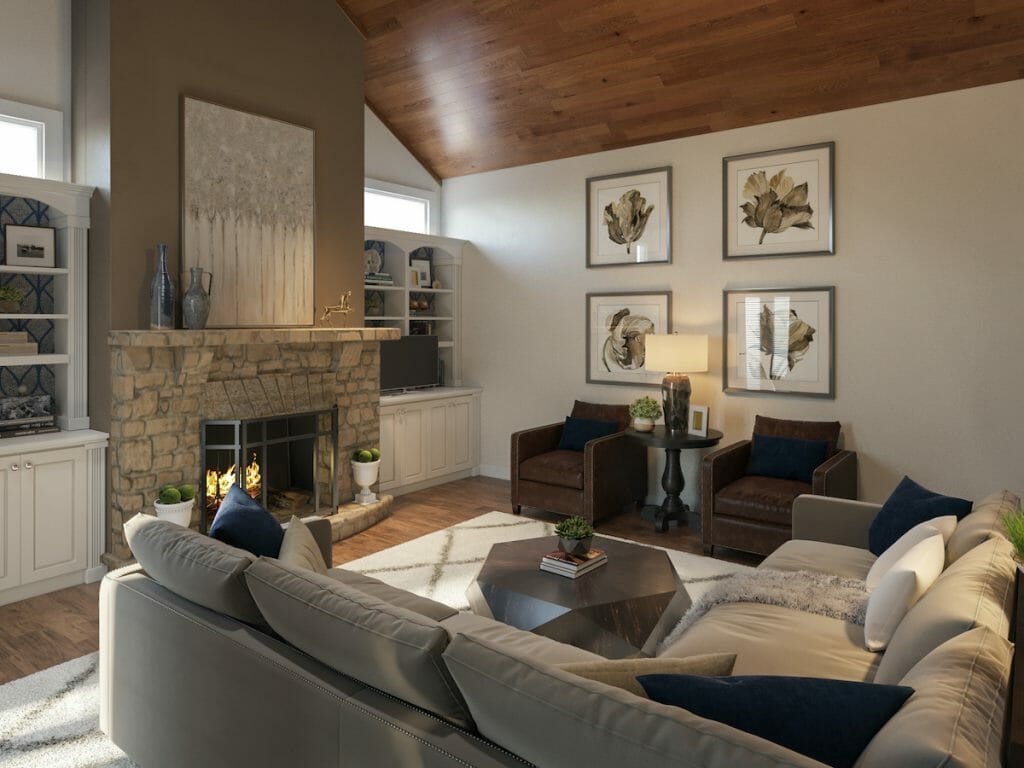
Why Hiring Interior Designers in Detroit Matters
Hiring an interior designer in Detroit matters because local professionals navigate the city's unique architectural heritage, building codes, and supply chains while maximizing property value and transforming functional spaces into coh...
Hiring an interior designer in Detroit matters because local professionals navigate the city's unique architectural heritage, building codes, and supply chains while maximizing property value and transforming functional spaces into cohesive environments tailored to the Motor City's distinct lifestyle.
Contents
Introduction to Detroit’s Unique Architectural Landscape
Detroit possesses one of the most architecturally diverse and historically rich landscapes in North America. From the sprawling historic Dutch Colonials and Tudors in the University District and Boston-Edison to the sleek, industrial loft conversions in Corktown and Downtown, residential and commercial spaces here demand a specialized approach. Transforming these environments is rarely a one-size-fits-all endeavor. The decision to hire a professional interior designer in Detroit is rooted in the need to bridge historical preservation with modern living standards, ensuring that structural integrity, aesthetic vision, and local regulatory requirements align seamlessly.
For property owners navigating this landscape, the challenge extends far beyond selecting paint colors or purchasing furniture. Detroit's older homes often feature quirky layouts, plaster walls, outdated plumbing systems, and distinct spatial limitations that require professional spatial planning. Meanwhile, new developments and commercial spaces demand a forward-looking perspective that captures the city’s ongoing revitalization. Engaging an experienced interior designer provides the technical expertise and creative direction necessary to execute complex renovations efficiently, saving time and preventing costly mistakes.
Navigating Local Building Codes, Permits, and Historical Regulations
One of the most compelling reasons to work with a local interior designer is their familiarity with municipal requirements. Detroit's regulatory environment involves specific city codes, zoning laws, and historic district commissions that can complicate interior renovations, particularly for properties located within designated historic neighborhoods like Indian Village or Corktown.
The Historic District Commission (HDC)
Properties situated within Detroit’s historic districts are subject to strict oversight by the Historic District Commission. Any work that alters the exterior—and in some cases, significant interior architectural elements visible from the exterior—requires review and approval. Local interior designers frequently collaborate with the HDC, understanding what materials, window replacements, or layout modifications will pass inspection. This familiarity prevents project delays and costly redesigns that occur when property owners attempt DIY updates without prior clearance from city entities.
Building Permits and Contractor Coordination
Major interior transformations—such as moving load-bearing walls, updating electrical systems, or reconfiguring plumbing in older Detroit basements—require permits from the City of Detroit Buildings, Safety Engineering, and Environmental Department (BSEED). Professional designers maintain established networks of licensed local contractors, structural engineers, and electricians who understand regional building standards. They manage the submission process, coordinate inspections, and ensure that all work complies with the Michigan Residential Code.
Tailoring Design to Detroit’s Climate and Housing Types
Interior design in the Midwest must account for distinct seasonal shifts. Detroit experiences freezing winters with heavy snowfall and humid summers, environmental factors that directly influence material selection, insulation needs, and spatial functionality.
- Flooring Choices: Hardwood is a staple in many Detroit homes, but fluctuating indoor humidity can cause wood to warp or expand. Designers advise on engineered wood products or properly sealed local species that withstand seasonal changes.
- Lighting Design: With shorter daylight hours during Michigan winters, optimizing natural light and implementing layered artificial lighting strategies are critical components of a functional Detroit interior.
- Mudrooms and Entryways: Given the region's slushy winters and rainy springs, designers prioritize durable, functional entryways with built-in storage, heated flooring, and moisture-resistant finishes to protect interior living spaces.
Economic Value and Return on Investment (ROI)
Investing in professional design services is often viewed through the lens of luxury, but in a dynamic real estate market like Detroit's, it functions as a strategic financial decision. Whether updating a bungalow in East English Village or prepping a high-rise condo for the market, professional interior designers enhance property equity.
Designers optimize square footage, improve architectural flow, and select finishes that appeal to prospective buyers. Furthermore, their trade-only access to furniture, textiles, and fixtures often grants discounts that offset the designer's consultation fees. By preventing costly execution errors—such as purchasing oversized furniture that cannot navigate narrow staircases or failing to budget adequately for structural contingencies—designers protect the overall project investment.
| Project Scope | Common Detroit Housing Type | Primary Design Challenge | Estimated Timeline Impact |
|---|---|---|---|
| Historic Restoration | Foursquare / Tudor (Boston-Edison) | Preserving original millwork while updating utilities | Moderate to High (6–12 months) |
| Loft Modernization | Industrial Warehouse (Corktown) | Managing open-plan acoustics and expansive vertical space | Short to Moderate (3–6 months) |
| Suburban Refresh | Ranch / Split-Level (Metro Detroit) | Removing restrictive walls for modern flow | Short (2–4 months) |
Supporting the Local Creative Ecosystem
Hiring a Detroit-based interior designer goes beyond personal convenience; it contributes directly to the regional economy and creative community. Detroit is internationally recognized as a UNESCO City of Design, boasting a robust community of furniture makers, metalworkers, textile artists, and boutique fabricators.
Local designers frequently source custom elements directly from neighborhood artisans. This approach yields one-of-a-kind interior features—such as custom steel staircases, reclaimed wood shelving, or locally crafted lighting fixtures—that cannot be found in national retail catalogs. Collaborating with a local professional connects homeowners to this vibrant network, resulting in spaces that reflect the authentic character and artistic spirit of the city.
Step-by-Step Guide: How to Select and Hire a Detroit Interior Designer
Navigating the selection process requires clear criteria to ensure a productive working relationship. Prospective clients should follow a structured approach to vet and secure the right professional for their project.
- Define Project Scope and Budget: Establish clear boundaries regarding what spaces require attention, the desired timeline, and an explicit financial threshold before reaching out to designers.
- Review Portfolios for Local Experience: Examine past projects to determine if the designer has experience with Detroit-specific architecture, whether historic homes, downtown high-rises, or mid-century modern properties.
- Verify Credentials and Insurance: Confirm that the designer holds relevant certifications (such as NCIDQ certification) and carries professional liability insurance to protect against unforeseen damages during execution.
- Conduct Initial Consultations: Meet with two or three candidates to discuss communication styles, design philosophies, and fee structures (flat fee, hourly, or percentage of total cost).
- Review the Contract Thoroughly: Ensure the agreement outlines deliverables, timeline milestones, contractor oversight responsibilities, and dispute resolution procedures before signing.
Common Pitfalls to Avoid When Hiring a Designer
Entering a design contract without proper preparation can lead to misunderstandings and project delays. Homeowners should be mindful of several frequent missteps:
- Failing to Establish a Realistic Budget: Underestimating the cost of labor and specialized materials in the current market leads to stalled projects. A professional designer can help formulate a realistic baseline, but initial numbers must be transparent.
- Ignoring Communication Styles: Interior design is a collaborative, highly personal process. Choosing a designer based solely on aesthetics while ignoring personality clashes can create friction during stressful renovation phases.
- Vague Contract Terms: Ambiguity regarding who purchases materials, manages returns, or oversees day-to-day contractor scheduling can lead to unexpected out-of-pocket expenses. Ensure all operational responsibilities are explicitly documented.
Frequently Asked Questions
Do interior designers in Detroit handle construction management?
Many full-service interior designers in Detroit coordinate closely with general contractors and oversee the execution of the design plan. However, the extent of project management varies by firm. Some focus strictly on spatial planning, finish selection, and furnishing, while others manage turnkey renovations. Always clarify management duties during initial consultations.
How much do interior designers in Detroit typically charge?
Pricing structures vary based on experience and project scope. Designers may charge an hourly rate, a flat fee per room or project phase, or a percentage (typically 15% to 30%) of the total furniture and material budget. Some firms also charge an initial consultation fee to evaluate the space and outline potential concepts.
Can an interior designer help increase my home's resale value in Detroit?
Yes. Professional designers optimize spatial flow, select timeless and universally appealing finishes, and highlight architectural features unique to Detroit homes. These enhancements make properties more competitive in both urban neighborhoods and suburban markets across Wayne, Oakland, and Macomb counties.
What is the difference between an interior decorator and an interior designer?
Interior decorators primarily focus on the aesthetic surface of a space—selecting furniture, window treatments, color palettes, and accessories. Interior designers undergo comprehensive training that includes spatial planning, building codes, architectural drafting, lighting design, and structural coordination, allowing them to alter and improve the functional layout of a space.
How far in advance should I hire a designer for a major renovation?
For extensive renovations or whole-house projects, clients should engage an interior designer 3 to 6 months before construction begins. This lead time allows adequate space for conceptual development, architectural drafting, permit approvals, and ordering materials with long manufacturing lead times.
Do Detroit interior designers work with sustainable or locally sourced materials?
Many Detroit designers prioritize sustainability by incorporating vintage or antique furniture, energy-efficient lighting, non-toxic finishes, and custom pieces crafted by local artisans. Clients interested in sustainable building practices should explicitly inquire about a designer's sourcing philosophy during the vetting process.
Conclusion and Next Actions
Hiring an interior designer in Detroit is a strategic investment in both the longevity of a property and the quality of daily life within it. By leveraging local expertise in architectural styles, municipal codes, and regional craftsmanship, professional designers navigate the complexities of Detroit's housing stock with precision. To begin, compile a list of potential local designers whose portfolios align with the specific architectural style of your property, establish a clear preliminary budget, and schedule initial consultations to find the right collaborative partner for your project.
Image Gallery