Selecting the Best PCOS Hair Removal Cream: A Clinical and Practical Guide
Managing hirsutism—excessive, unwanted hair growth—is a common priority for individuals diagnosed with Polycystic Ovary Syndrome (PCOS). While hormonal therapy and lifestyle changes target the root endocrine imbalance, topical hair rem...
Managing hirsutism—excessive, unwanted hair growth—is a common priority for individuals diagnosed with Polycystic Ovary Syndrome (PCOS). While hormonal therapy and lifestyle changes target the root endocrine imbalance, topical hair removal creams offer a non-invasive, immediate solution for aesthetic management. Choosing the right product requires balancing formula sensitivity, skin barrier health, and the specific physiological characteristics of PCOS-related hair growth.
Contents
Understanding Hirsutism in the Context of PCOS
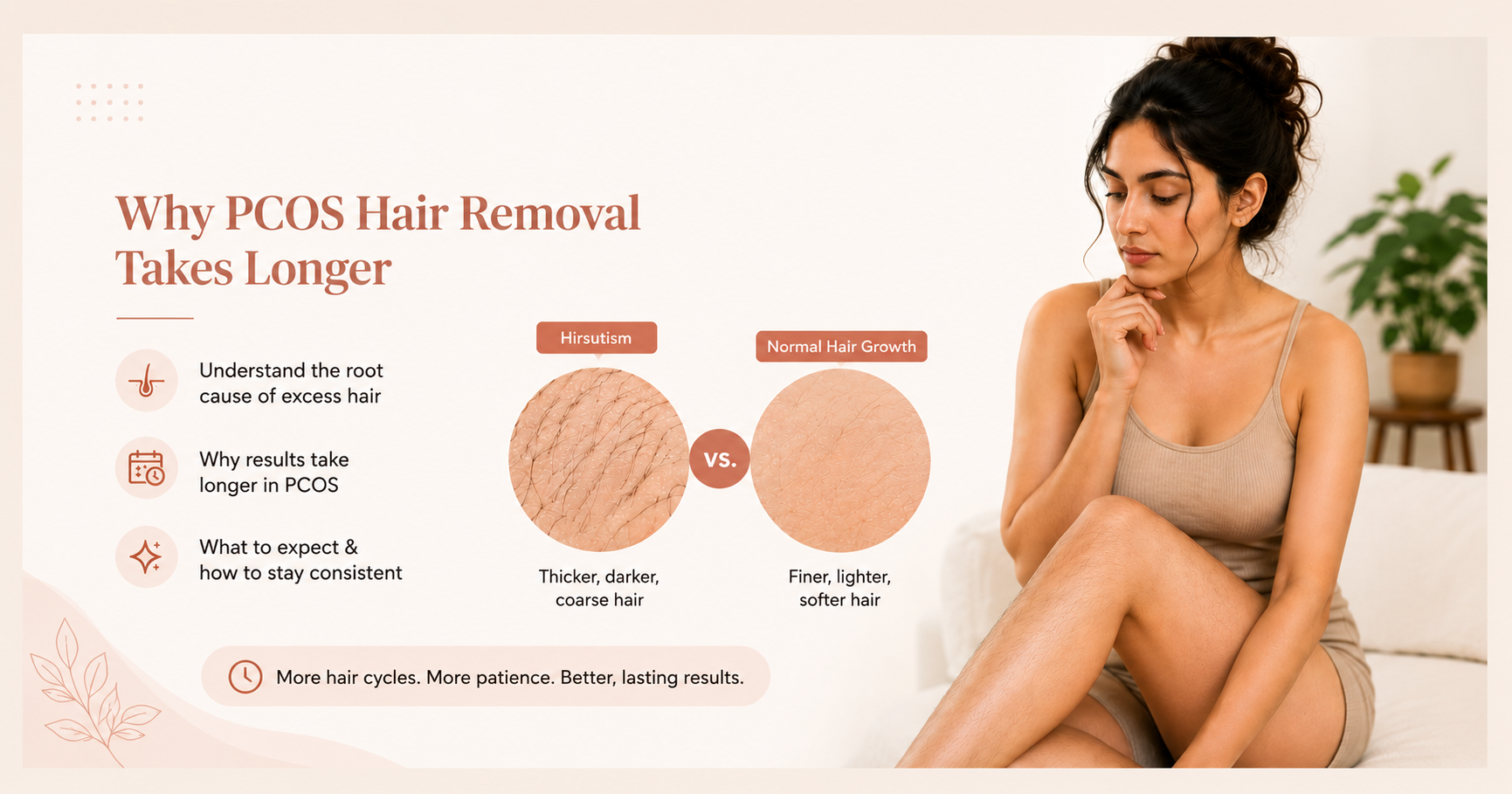
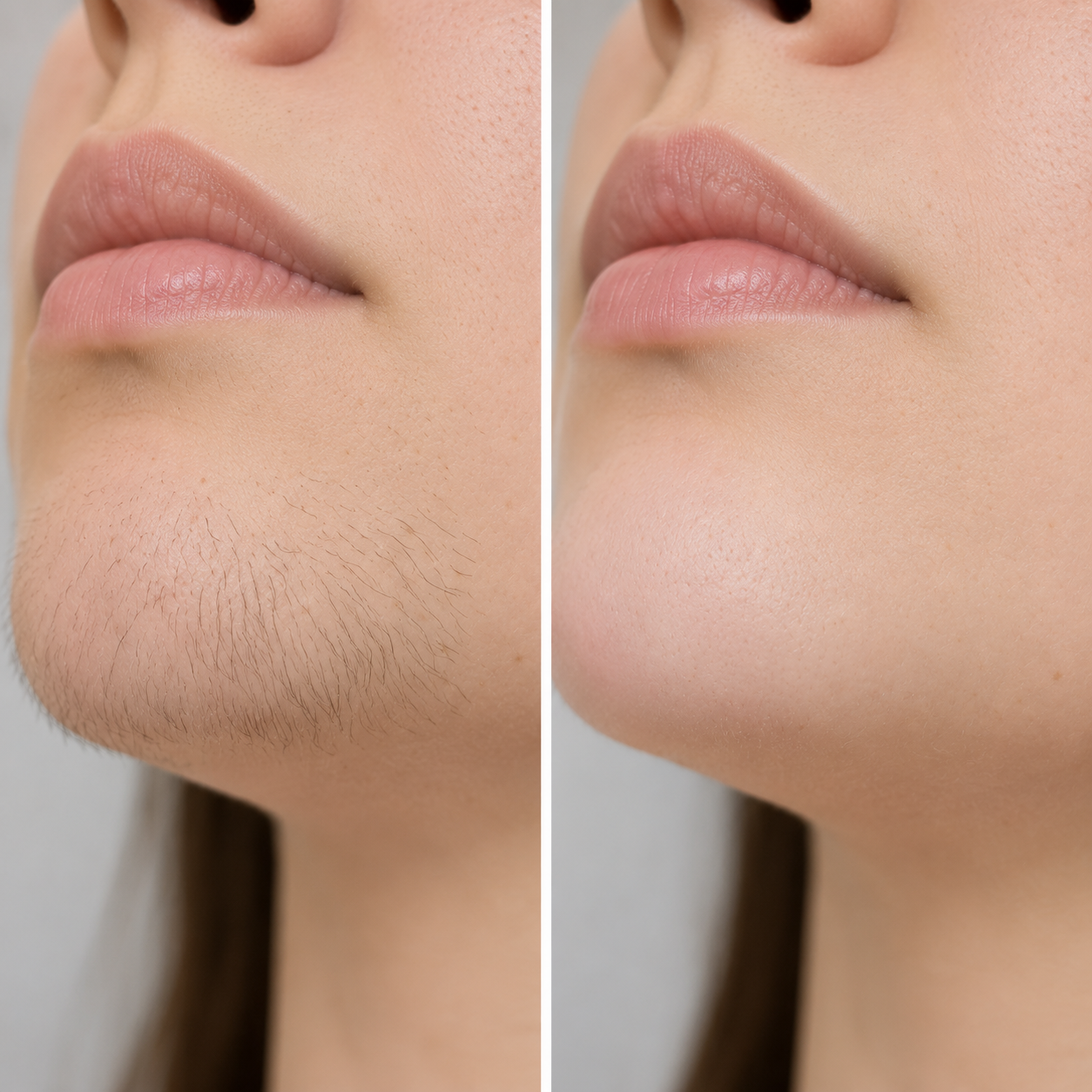
PCOS often results in elevated androgen levels, which can lead to the development of terminal, pigmented hair in areas typically associated with male-pattern growth, such as the face, chin, chest, and back. Unlike vellus hair (the fine "peach fuzz" found on most of the body), this PCOS-related hair is thicker, coarser, and grows more rapidly.
Because these hairs are structural and fueled by systemic hormonal activity, depilatory creams (chemical hair removal) do not stop growth; they merely dissolve the hair shaft at or slightly below the surface of the skin. When selecting a product, the primary goal is to find a formulation that effectively breaks down these tougher, coarser hair proteins without inducing chemical burns or folliculitis, a common risk when the skin barrier is already compromised by hormonal fluctuations.
Evaluating Active Ingredients and Skin Sensitivity
Most over-the-counter depilatory creams rely on chemical agents, typically thioglycolates or sulfides, to break down the disulfide bonds in the keratin structure of the hair. In the context of PCOS, where skin may be more prone to acne or increased sensitivity due to elevated androgens, ingredient selection is paramount.
- Calcium Thioglycolate: This is the most common active agent. It is effective for coarse hair but can be harsh. Look for formulas that incorporate buffers to stabilize pH levels.
- Soothing Additives: To mitigate the risk of irritation, prioritize creams containing aloe vera, chamomile, bisabolol, or ceramides. These ingredients help maintain the skin’s lipid barrier during the chemical breakdown process.
- Fragrance-Free Formulations: Many standard hair removal creams use heavy perfumes, which are common allergens. For facial use or sensitive skin, fragrance-free, hypoallergenic options are strongly recommended to prevent contact dermatitis.
Comparative Overview of Hair Removal Methods
While depilatory creams are efficient for widespread surface removal, they should be viewed as one component of a broader management strategy. The following table contrasts depilatories with other common approaches for PCOS hair management.
| Method | Mechanism | Typical Duration | Risk Profile |
|---|---|---|---|
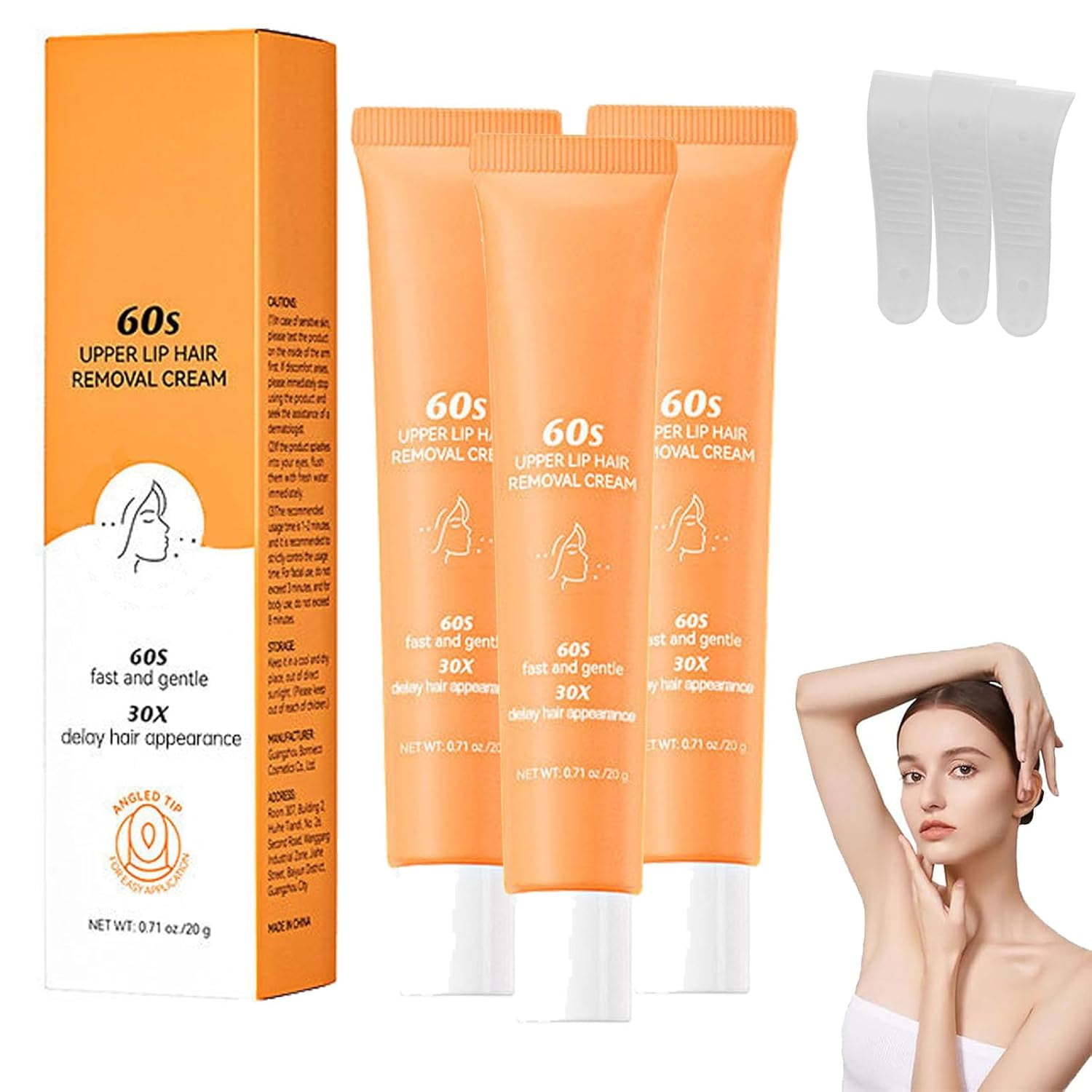
| Depilatory Cream | Chemical dissolution of keratin | 3–7 days | Low (if patch tested) |
| Mechanical Shaving | Physical blade cutting | 1–3 days | Moderate (ingrown hairs) |
| Prescription Eflornithine | Inhibits hair follicle enzyme | Long-term | Low (clinical supervision) |
| Laser/IPL | Light-based follicle damage | Permanent reduction | Variable (requires consultation) |
Essential Steps for Safe Application
Using a depilatory cream on skin affected by PCOS requires rigorous attention to preparation and post-care to avoid localized inflammation.
- Mandatory Patch Testing: Always apply a small amount of the cream to an inconspicuous area, such as the inner forearm, 24 hours before full-face or body application. Observe for redness, itching, or swelling.
- Skin Preparation: Ensure the skin is clean and dry. Avoid applying creams immediately after a hot shower, as the skin’s pores are open and the barrier is more permeable, increasing the risk of chemical penetration and irritation.
- Timed Application: Never exceed the manufacturer's recommended time. If the hair is coarse, it is better to perform a second application after a 24-hour interval than to leave the product on for an extended duration, which can lead to chemical burns.
- Gentle Removal: Use a damp, soft cloth or a plastic spatula to remove the cream. Avoid aggressive scrubbing, which can disrupt the skin barrier and lead to post-inflammatory hyperpigmentation.
- Post-Depilation Care: Immediately rinse with cool water. Follow with a non-comedogenic, fragrance-free moisturizer to restore hydration.
Troubleshooting Common Challenges
Even with the best products, users may encounter specific issues. If you experience persistent redness, it is likely that your skin is reacting to the alkalinity of the depilatory agent. In such cases, discontinue use immediately and switch to a formula designed specifically for "sensitive" skin.
If you are using topical acne treatments (such as retinoids or salicylic acid) for PCOS-related breakouts, you must stop these treatments for at least 48 hours before and after using a hair removal cream. Combining these potent active ingredients significantly increases the risk of skin stripping and severe irritation.
Professional Guidance and Medical Integration
For many living with PCOS, topical creams are a stop-gap. For long-term management of facial hirsutism, dermatologists may prescribe Eflornithine hydrochloride cream. This is not a depilatory—it does not remove hair—but rather works by inhibiting an enzyme in the hair follicle to slow the rate of growth. It is often used in conjunction with laser hair removal or traditional depilatory methods. Always consult with a healthcare professional or an endocrinologist to discuss whether hormonal management or professional-grade topical prescriptions are appropriate for your specific clinical picture.
Frequently Asked Questions
Are depilatory creams safe to use on the face? Yes, but only if the product is explicitly labeled for facial use. Facial depilatory creams are formulated with different concentrations of active ingredients and often include extra emollients compared to those intended for the legs or body.
Does using a cream cause hair to grow back thicker? No. This is a persistent myth. Hair removed via depilatory cream feels coarser when it grows back because the chemical has tapered the hair tip at the surface, creating a blunt edge. The actual thickness, density, and growth rate are determined by your internal hormonal status, not the removal method.
How often can I use hair removal cream? Frequency depends on your hair growth cycle and skin tolerance. Generally, allow at least 48 to 72 hours between applications to ensure the skin barrier has fully recovered from the high pH of the depilatory agent.
Can I use these creams while on PCOS medication? Certain medications, particularly isotretinoin or strong topical retinoids, can thin the skin. If you are taking any prescribed systemic or topical medication, consult your prescribing physician before adding chemical hair removal to your routine.
What is the best way to prevent bumps after using cream? To prevent folliculitis or ingrown hairs, avoid tight-fitting clothing over the area immediately after treatment and prioritize keeping the area clean. If you are prone to ingrown hairs, using a gentle, non-chemical exfoliant 24 hours prior to hair removal can help clear the follicle opening.
Recommendation
For those with PCOS seeking a reliable hair removal cream, prioritize brands that offer "sensitive skin" formulations with added humectants like glycerin or soothing plant extracts. Begin with a cautious patch test, follow all timing instructions strictly, and view these products as a temporary aesthetic tool rather than a cure for hormonal hair growth. If irritation occurs, pivot to alternative physical removal methods and consult a dermatologist to explore medical-grade options like Eflornithine.
Image Gallery