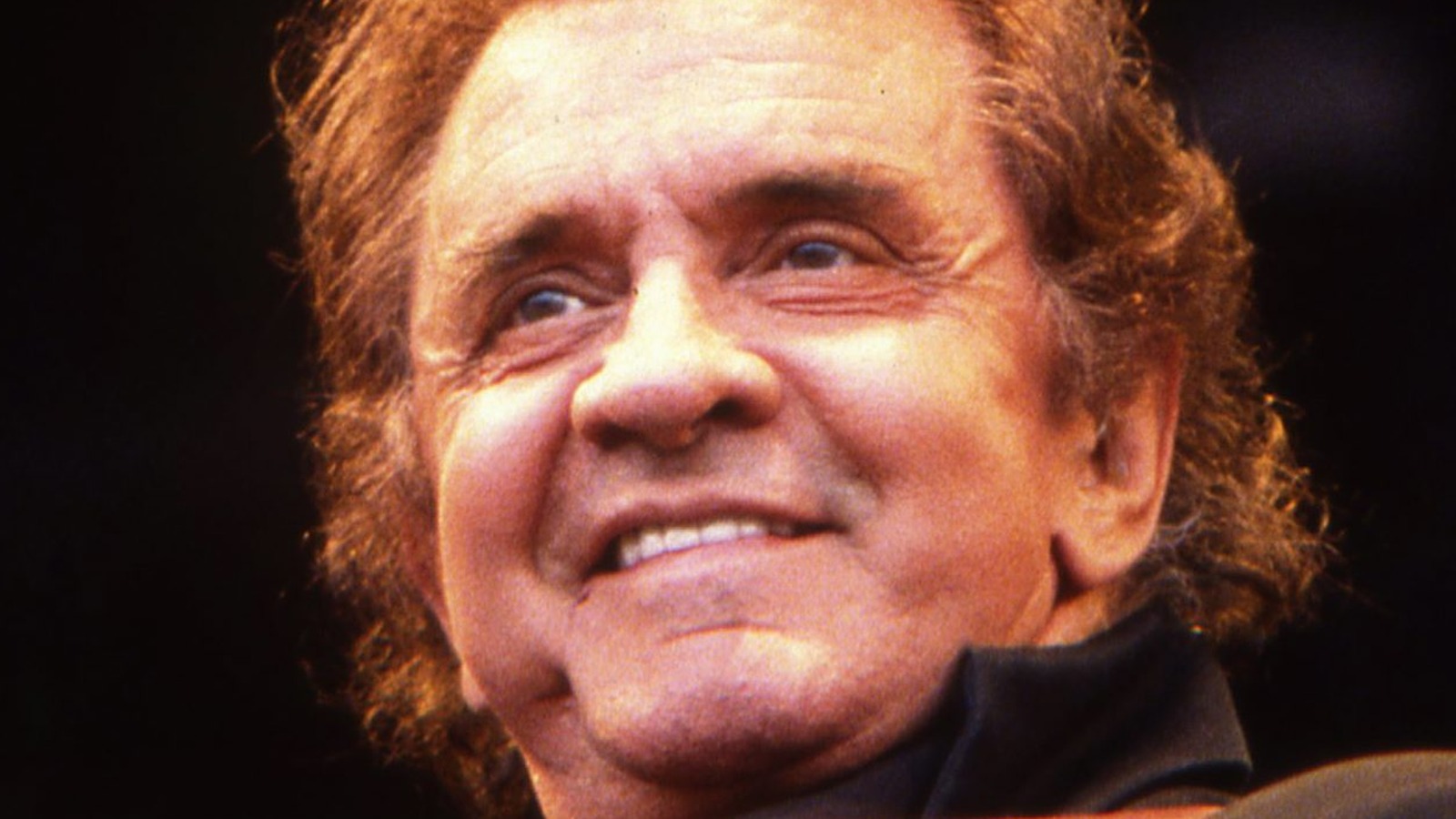
Johnny Cash Net Worth 2025: The Financial Legacy of the Man in Black
As of early 2026, the estate of Johnny Cash is valued at an estimated $60 million to $100 million. While Cash had a net worth of approximately $60 million at the time of his death in 2003, posthumous album releases, lucrative publishin...
As of early 2026, the estate of Johnny Cash is valued at an estimated $60 million to $100 million. While Cash had a net worth of approximately $60 million at the time of his death in 2003, posthumous album releases, lucrative publishing deals, and the continued commercial use of his "Man in Black" persona have significantly bolstered the estate's valuation through 2025.
Contents
Johnny Cash remains one of the most influential figures in music history, bridging the gaps between country, rock and roll, folk, and gospel. Even decades after his passing, his financial footprint continues to expand. This growth is driven not just by nostalgia but by strategic management of his intellectual property, a resurgence in vinyl sales, and the discovery of "lost" recordings that have reached the charts in the mid-2020s.
Understanding the Valuation of a Posthumous Estate
When discussing the net worth of a deceased icon like Johnny Cash in 2025, it is essential to distinguish between the liquid assets he held at his death and the current valuation of his intellectual property (IP). A celebrity estate functions much like a corporation; its value fluctuates based on market demand for the artist's work, licensing opportunities, and the management of publishing rights.
For Johnny Cash, the valuation has seen a steady climb. This is largely due to the evergreen nature of his catalog. Songs like "I Walk the Line," "Ring of Fire," and his haunting cover of Nine Inch Nails' "Hurt" continue to generate millions in streaming royalties and synchronization fees for film and television. As of 2026, the estate's ability to capitalize on new technology—including high-fidelity spatial audio remasters—has ensured that Cash remains a top-tier earner among deceased musicians.
The 2024 Breakthrough: The "Songwriter" Album and 2025 Revenue
One of the primary reasons for the heightened interest in Johnny Cash's net worth in 2025 was the 2024 release of the album Songwriter. This project consisted of previously unreleased demos recorded in 1993, which were stripped back and re-recorded with modern instrumentation by his son, John Carter Cash, and co-producer David "Fergie" Ferguson.
The success of Songwriter in late 2024 provided a significant revenue spike that carried through 2025. Posthumous releases serve several financial purposes:
- Direct Sales and Streams: New material generates immediate physical and digital sales.
- Catalog Rejuvenation: A new release often leads listeners back to the artist’s "Greatest Hits," increasing the streaming numbers for the entire discography.
- Licensing Momentum: New buzz surrounding an artist makes their older tracks more attractive for commercial use in advertising and cinematic trailers.
Revenue Streams Fueling the Cash Estate in 2026
The financial health of the Johnny Cash estate is built on a diversified portfolio of income streams. Unlike modern artists who rely heavily on touring, a posthumous estate must maximize passive income.
Music Publishing and Performance Royalties
Music publishing remains the "crown jewel" of the Cash estate. Every time a song written by Johnny Cash is played on the radio, streamed on Spotify, or performed by another artist, a royalty is paid. While Cash’s performance rights are significant, his songwriting credits—which cover over 1,000 songs—provide a more stable, long-term asset.
Branding and Merchandising
The "Man in Black" is more than a nickname; it is a global brand. In 2025, the estate continued to see high returns from apparel, home decor, and specialty items sold through the official Johnny Cash store and third-party retailers. The iconic image of Cash—rugged, rebellious, yet deeply spiritual—resonates with diverse demographics, from older country fans to younger "Americana" enthusiasts.
Film, Television, and Sync Licensing
Synchronization licenses (sync) occur when music is used in visual media. Cash's music is a staple in Hollywood. His deep, resonant voice is frequently used to provide gravitas to movie trailers and prestige television dramas. These one-time licensing fees can range from five to six figures depending on the usage, providing a substantial boost to the estate's annual bottom line.
Comparative Estate Valuations (Estimated 2025/2026)
To understand where Johnny Cash stands in the hierarchy of music legends, it is helpful to compare his estate's estimated valuation and annual earnings with his contemporaries.
| Artist | Estimated Estate Value (2025/2026) | Primary Income Driver |
|---|---|---|
| Johnny Cash | $60M - $100M | Catalog Streaming & Posthumous Releases |
| Elvis Presley | $500M+ | Graceland Tourism & Rights Management |
| David Bowie | $250M+ | Landmark Catalog Sale (Warner Chappell) |
| Waylon Jennings | $20M - $40M | Publishing & Outlaw Country Branding |
| June Carter Cash | $10M - $20M* | Shared Royalties & Distinct Performance Rights |
*Note: Much of June Carter Cash’s estate is intertwined with the broader Cash family holdings.
The Role of John Carter Cash and Estate Management
The sustained growth of Johnny Cash’s net worth is not accidental. It is the result of meticulous management by his son, John Carter Cash, who oversees the Cash Cabin Studio and the broader legacy. The strategy has been one of "quality over quantity." By avoiding over-commercialization and focusing on projects that maintain the integrity of Johnny’s voice, the estate has preserved the brand's premium status.
Management decisions involve:
- Archival Preservation: Digitizing and restoring thousands of hours of tape to ensure future releases are possible.
- Legal Protections: Vigilantly defending the "Man in Black" trademark and preventing unauthorized use of Johnny’s likeness, particularly in the age of AI-generated content.
- Strategic Partnerships: Collaborating with heritage brands and modern musicians to keep the music relevant to the "Gen Z" and "Alpha" listeners.
Historical Context: Net Worth at the Time of Death
To appreciate the $100 million ceiling of the estate today, one must look at Johnny Cash’s financial status in September 2003. At that time, his net worth was estimated at $60 million. While this was a massive sum, it was largely tied up in real estate (such as the 14,000-square-foot lakefront home in Hendersonville, Tennessee) and the valuation of his future royalties.
Cash had experienced several financial peaks and valleys. His "wilderness years" in the 1980s saw a decline in commercial success, but his partnership with Rick Rubin for the American Recordings series in the 1990s and early 2000s sparked a massive financial and critical resurgence. This late-career comeback is what ultimately solidified his estate's long-term value, as it introduced him to a younger, alternative rock audience.
Challenges to the Estate’s Value
Despite the strong numbers in 2025, managing an estate of this magnitude comes with challenges:
- The Streaming Economy: While streaming volume is high, the per-stream payout remains low. Estates must rely on massive volume to match the income once generated by physical CD and LP sales.
- The Loss of Physical Assets: The tragic 2007 fire that destroyed the Cash family home in Hendersonville removed a significant physical asset that could have been a "Graceland-style" museum, which often provides a massive revenue stream for deceased stars.
- Rights Fragmentation: Over a career spanning Sun Records, Columbia, and Mercury, Johnny Cash’s recording rights are split among various entities, requiring complex legal navigation to coordinate box sets and anniversary reissues.
Frequently Asked Questions
Who inherited Johnny Cash’s money?
The bulk of Johnny Cash’s estate was left to his children. While there were five children in total (four daughters with Vivian Liberto and his son with June Carter Cash), John Carter Cash was largely tasked with the creative management of the musical legacy and the Cash Cabin properties.
Does the Johnny Cash estate own the rights to all his songs?
No. Music rights are often split between the "master recording" (the actual audio) and the "publishing" (the underlying composition). Various labels like Sony Music (which owns the Columbia catalog) hold the masters for his most famous works, while the estate manages the publishing and image rights.
How much does the Johnny Cash estate earn per year?
While private, industry estimates suggest the estate earns between $5 million and $10 million annually from a combination of royalties, licensing, and merchandise. This number often spikes during years with major releases, such as the 2024 Songwriter album.
Is the Johnny Cash Museum in Nashville part of the estate?
The Johnny Cash Museum in Nashville is a highly successful venture, but it was founded by Bill Miller, a close friend of Cash. While the museum works in cooperation with the family, it is a separate business entity that contributes to the overall "brand value" of Johnny Cash without being a direct asset of the Cash heir-controlled estate.
Has the estate considered selling the music catalog?
As of 2026, there have been no confirmed reports of a full catalog sale. While many artists (like Bob Dylan or Bruce Springsteen) have sold their catalogs for hundreds of millions, the Cash estate has focused on long-term stewardship rather than a one-time liquidation.
Final Perspective: A Legacy Beyond Dollars
While the $60 million to $100 million valuation of Johnny Cash’s net worth in 2025 is a testament to his commercial power, his true value lies in his cultural impact. For investors and fans alike, the financial stability of his estate ensures that his archives will remain preserved and his music will continue to be accessible for future generations. For those looking to understand the "business" of music legends, the Cash estate serves as a primary example of how to maintain dignity and profitability in the posthumous market.
If you are interested in the financial structures of music estates, your next step should be researching the American Recordings business model, which demonstrates how a late-career rebranding can multiply an artist's net worth for decades to come.
Image Gallery