Comprehensive Guide to My Little Pony Character Descriptions and Personalities
My Little Pony character descriptions serve as the definitive blueprint for understanding the unique traits, magical abilities, and narrative roles of the franchise's iconic ponies. Across generations, these character profiles combine...
My Little Pony character descriptions serve as the definitive blueprint for understanding the unique traits, magical abilities, and narrative roles of the franchise's iconic ponies. Across generations, these character profiles combine distinct visual motifs, specific cutie marks, and signature personality archetypes that drive the storytelling of Equestria.
Contents
The Evolution of Character Design in My Little Pony
Character design philosophy within the My Little Pony franchise has evolved significantly since Hasbro launched the property in 1982. Initially created as a line of molded plastic toys, early iterations focused on pastel color palettes, symbol-based flank markings, and standardized body proportions. As the media adaptations expanded through television specials and series, these toy-based concepts transformed into complex narrative avatars with distinct psychological profiles.
When Friendship is Magic premiered in 2010 under the creative direction of Lauren Faust, the character development strategy shifted toward subverting traditional magical girl tropes. Each pony was engineered with distinct flaws, specific strengths, and relatable insecurities. This modern framework established a balanced ensemble cast where character descriptions rely heavily on psychological realism, behavioral quirks, and specialized talents rather than flat, idealized archetypes.
Core Visual and Narrative Elements
- Coat and Mane Coloration: Color theory plays a primary role in establishing emotional resonance and visual hierarchy among the cast, utilizing contrasting or analogous palettes to hint at underlying personality traits.
- Cutie Marks: These symbolic flank tattoos serve as visual manifestations of a pony's true calling, destiny, and specialized skill set, acquired only after self-realization.
- Physical Manifestations of Magic: Unicorn horns, Pegasus wings, and Alicorn status define physical capabilities, social standing, and magical thresholds within the societal structure of Equestria.
- Core Archetypes: Characters are built around foundational literary tropes—such as the overachiever, the loyal protector, the free-spirited artisan, and the cynical realist—grounded by modern emotional intelligence.
Detailed Breakdown of the Mane Six
The core ensemble of Friendship is Magic represents the elemental framework of the series. Understanding their detailed descriptions requires looking past surface appearances to examine their driving motivations, professional callings, and interpersonal dynamics within Ponyville and beyond.
Twilight Sparkle
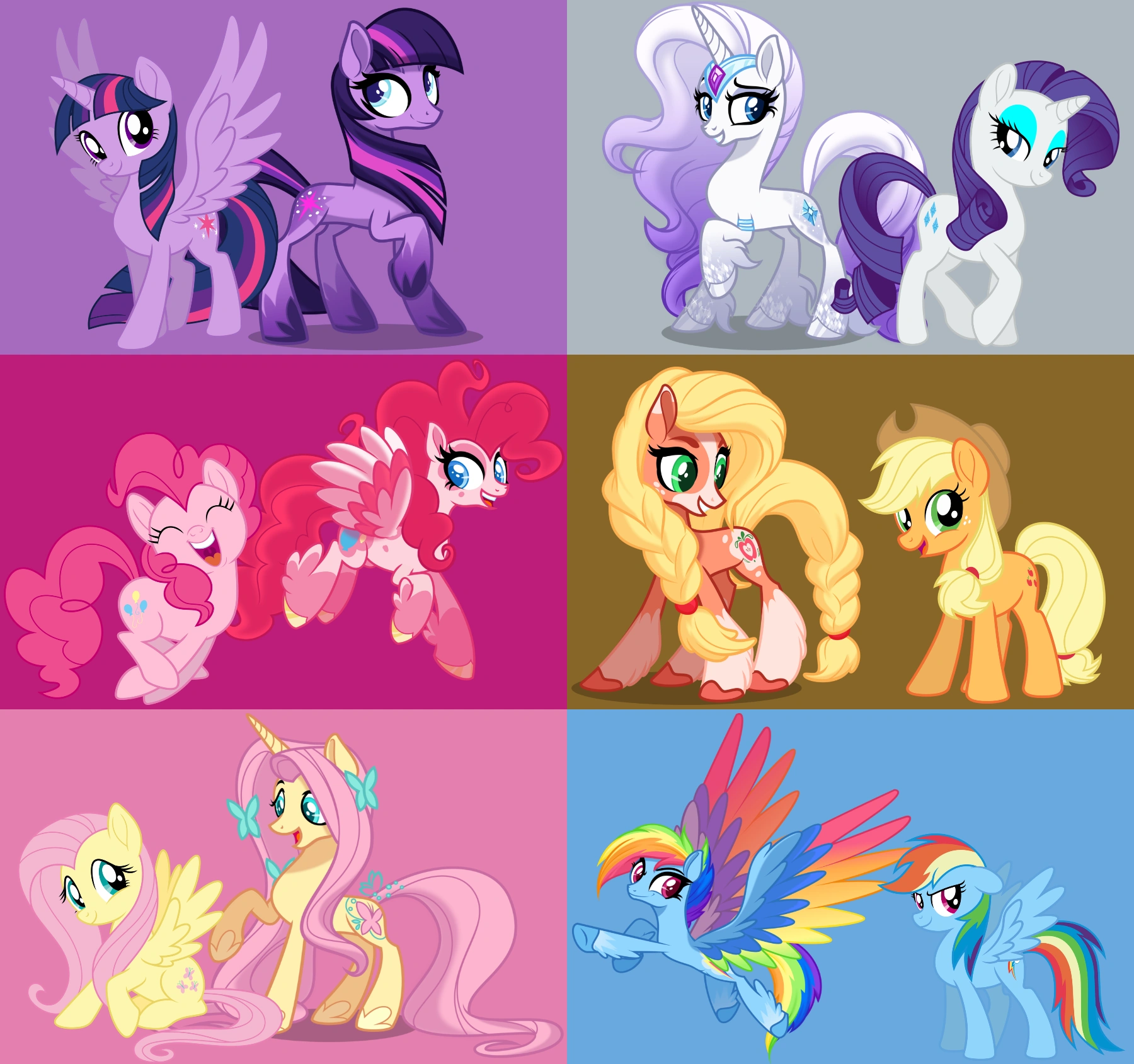
Twilight Sparkle begins her narrative journey as an obsessive, academically driven unicorn whose life revolves around strict schedules, historical texts, and magical theory. Under the direct tutelage of Princess Celestia, her initial character description emphasizes social isolation and intellectual arrogance, which gradually transforms into compassionate leadership.
- Species: Unicorn, later transitioning to an Alicorn princess of friendship.
- Cutie Mark: A large pink six-pointed star backed by five smaller white sparkling stars, symbolizing her mastery of magic and her destined connection to the elements of harmony.
- Key Traits: Analytical, highly organized, prone to stress-induced anxiety, deeply loyal, and deeply committed to continuous education.
- Primary Role: The intellectual anchor of the group, serving as a diplomat, librarian, and eventual ruler of the School of Friendship.
Applejack
Applejack represents the grounded, agrarian foundation of the ensemble. Operating Sweet Apple Acres, her character profile is built upon stubborn honesty, familial duty, and intense physical labor. She rejects pretension, preferring practical solutions over theoretical magic.
- Species: Earth Pony.
- Cutie Mark: Three red apples, denoting her agricultural heritage, love for the land, and expertise in orchard management.
- Key Traits: Dependable, industrious, fiercely independent, occasionally stubborn, and deeply protective of her extended family.
- Primary Role: The moral compass and physical backbone of the group, providing common-sense reality checks during supernatural crises.
Rainbow Dash
Rainbow Dash embodies ambition, competitive drive, and unbridled confidence. As a self-proclaimed elite flyer, her narrative arc centers on balancing a desire for personal glory with the responsibilities of true heroism and genuine friendship.
- Species: Pegasus.
- Cutie Mark: A cloud with a lightning bolt colored in the spectrum of a rainbow, representing her signature aerial maneuver, the Sonic Rainboom.
- Key Traits: Bold, athletic, competitive, fiercely loyal, occasionally arrogant, and easily bored by mundane administrative tasks.
- Primary Role: The resident daredevil and vanguard, aspiring to join the elite aerial stunt team known as the Wonderbolts.
Rarity
Rarity bridges the gap between raw talent and high-society aspiration. As a fashion designer and boutique owner, her character description highlights a meticulous eye for aesthetics, a dramatic flair, and a generous spirit that frequently contradicts her perceived vanity.
- Species: Unicorn.
- Cutie Mark: Three blue diamonds, symbolizing her eye for hidden beauty, refined taste, and talent for gem-seeking magic.
- Key Traits: Generous, perfectionist, sophisticated, dramatic, industrious, and uncompromising regarding quality and style.
- Primary Role: The creative visionary of the group, utilizing her tailoring skills and social ambitions to connect with ponies across diverse economic strata.
Fluttershy
Fluttershy is defined by her profound empathy for animals and her paralyzing social anxiety. Her character arc demonstrates that gentleness should not be mistaken for weakness, as she routinely displays immense inner strength when defending her woodland companions and friends.
- Species: Pegasus.
- Cutie Mark: Three pink butterflies, representing her affinity for nature, wildlife rehabilitation, and quiet grace.
- Key Traits: Empathetic, soft-spoken, highly sensitive, timid in crowds, but fiercely courageous in moments of crisis.
- Primary Role: The caretaker and wildlife expert, maintaining the delicate ecological balance of the Everfree Forest border.
Pinkie Pie
Pinkie Pie operates on a hyperactive, cartoon-physics level that defies conventional logic. Her character profile combines unyielding optimism with a deep-seated fear of social rejection, manifested through her constant need to throw parties and make others smile.
- Species: Earth Pony.
- Cutie Mark: Three balloons (two blue, one yellow), symbolizing her ability to bring joy, celebration, and levity to any situation.
- Key Traits: Energetic, unpredictable, highly imaginative, emotionally intuitive, and occasionally overwhelming to more reserved ponies.
- Primary Role: The emotional catalyst and social coordinator, breaking down tension with spontaneous humor and unconditional warmth.
Comparative Analysis of Pony Subspecies and Traits
To fully grasp My Little Pony character descriptions, one must understand how biological classification influences a character's societal role, magical capacity, and physical abilities within the fictional ecosystem.
| Subspecies | Primary Physical Trait | Innate Magical Capability | Typical Societal Role | Notable Representative |
|---|---|---|---|---|
| Earth Pony | Enhanced physical strength and ground connection | Passive connection to nature, flora acceleration | Agriculture, manual labor, governance, commerce | Applejack |
| Pegasus | Wings enabling flight and cloud manipulation | Weather manipulation, atmospheric control, physical agility | Meteorology, aerial defense, sports, exploration | Rainbow Dash |
| Unicorn | Horn channeling focused kinetic and spellcasting energy | Telekinesis, teleportation, specialized spell creation | Academia, arts, politics, advanced technology | Twilight Sparkle |
| Alicorn | Combined wings and horn representing all traits | Universal magical mastery, flight, immortality | Monarchy, divine leadership, historical preservation | Princess Celestia |
Secondary and Supporting Characters
Beyond the Mane Six, Equestria is populated by a diverse cast of recurring characters whose descriptions enrich the world-building and provide narrative friction or support.
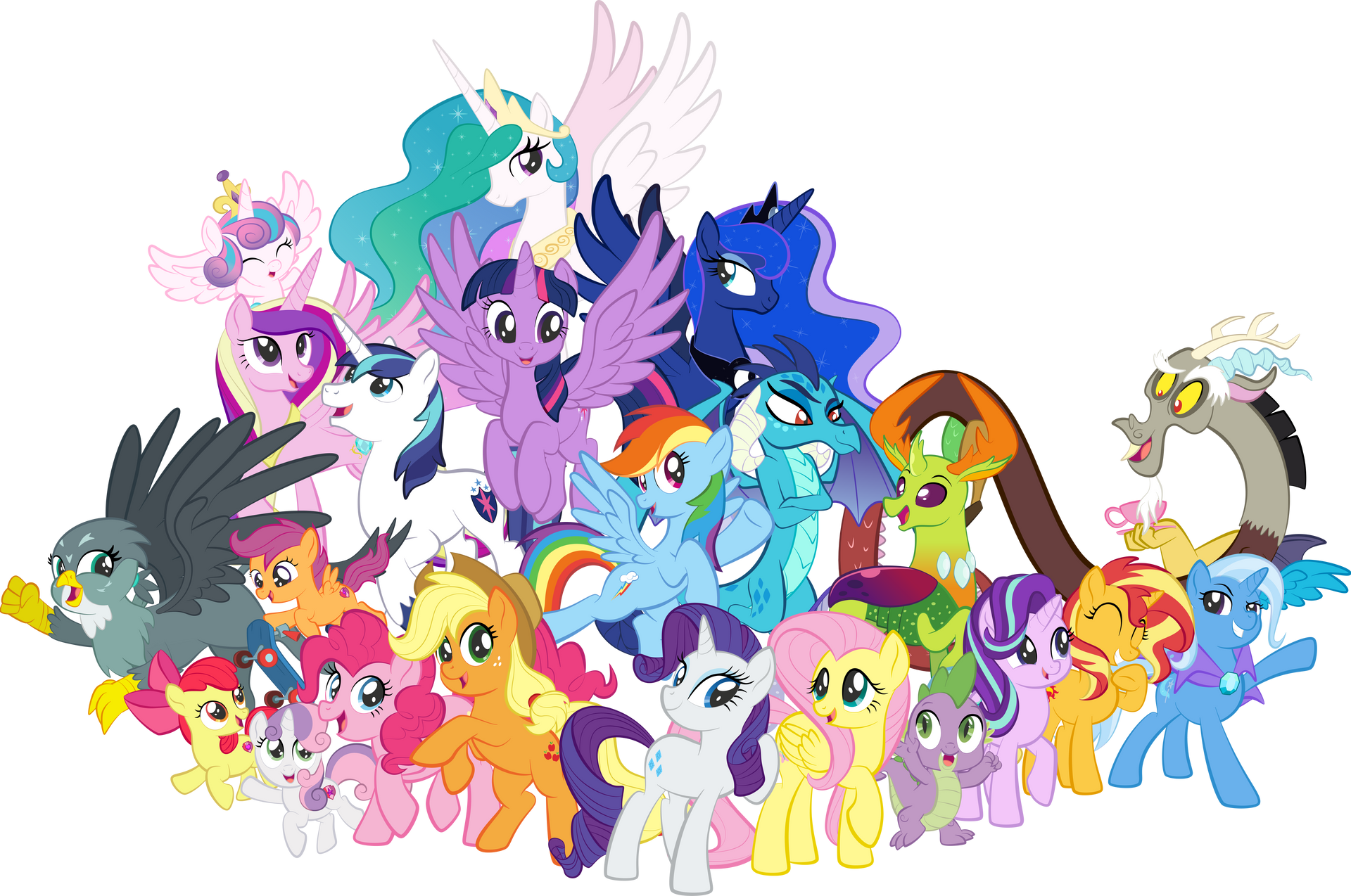
- Spike the Dragon: Twilight’s adoptive brother and loyal assistant. As a young dragon, his character profile explores themes of identity, growing pains, and finding one's unique purpose outside of pony society.
- Princess Celestia and Princess Luna: The diarchs of Equestria. Celestia represents day, wisdom, and institutional stability, while Luna embodies night, dreams, and the psychological processing of guilt and redemption.
- The Cutie Mark Crusaders (Apple Bloom, Sweetie Belle, Scootaloo): A trio of fillies dedicated to discovering their true talents. Their character descriptions focus on youthful exuberance, trial-and-error experimentation, and mutual support during developmental setbacks.
- Discord: The chaotic spirit of disharmony. As an antagonistic force turned reluctant ally, his character study revolves around learning the value of genuine friendship over manufactured mischief.
Step-by-Step Guide to Writing Original Character Descriptions
When developing custom characters within the My Little Pony universe for fan fiction or roleplaying, maintaining internal consistency with established lore is essential. Follow this structured approach to build a believable inhabitant of Equestria.
- Determine the Subspecies: Choose between Earth Pony, Pegasus, Unicorn, or select a rare hybrid or creature variant, keeping in mind how their physical traits limit or expand their daily life.
- Establish the Color Palette: Select a coat color, mane style, and eye color that either harmonize or provide striking contrast, ensuring the visual presentation hints at their core temperament.
- Define the Special Talent: Identify the specific craft, science, art form, or athletic pursuit that defines their primary passion before they receive their definitive mark.
- Design the Cutie Mark: Sketch a symbolic representation of that talent, ensuring it avoids overly complex detailing so it remains recognizable on a pony's flank.
- Craft Psychological Flaws: Balance their strengths with realistic insecurities, social limitations, or bad habits to prevent the character from becoming a flat, uninteresting archetype.
- Integrate into the Setting: Assign them a residence, occupation, and social network within an established location such as Ponyville, Manehattan, or the Crystal Empire.
Common Pitfalls in Character Profiling
Writers often encounter specific creative hurdles when analyzing or drafting character descriptions for this franchise. Avoiding these errors ensures high fidelity to the source material.
- Ignoring Flaws: Making a pony universally talented and universally loved strips away dramatic tension. Every memorable character must struggle with internal contradictions.
- Overcomplicating Cutie Marks: Historically, cutie marks function as clear, iconic symbols. Intricate, highly detailed landscape paintings on a flank violate the minimalist design aesthetic of the franchise.
- Misunderstanding Subspecies Limits: Allowing non-winged ponies to fly without magical intervention, or giving earth ponies unearned telekinetic powers, breaks the internal rules established by series lore.
- Treating Species as Morality Markers: Assuming all unicorns are arrogant, all pegasi are hot-headed, or all earth ponies are simple-minded ignores the vast diversity of personalities within each biological group.
Frequently Asked Questions
What defines a Cutie Mark in My Little Pony character lore?
A cutie mark is a symbolic image that spontaneously appears on a pony's flank when they discover their true calling, special talent, or lifelong destiny in life. It acts as an outward expression of their core identity and individuality.
Can ponies change their subspecies over time?
Natural biological metamorphosis is extremely rare and typically restricted to magical ascension, such as a unicorn or pegasus earning Alicorn status through profound achievements in friendship or leadership. Standard ponies remain within their assigned subspecies.
Why do character descriptions emphasize personal flaws?
Modern writing standards for the franchise prioritize psychological realism, ensuring that characters overcome relatable hurdles like insecurity, jealousy, or stubbornness to provide meaningful lessons for viewers.
Are there differences between character descriptions across generations?
Yes, earlier generations (Gen 1 through Gen 3) focused primarily on toy aesthetics, pastel color schemes, and simple fantasy adventures, whereas modern generations (Gen 4 and beyond) emphasize serialized storytelling, deep psychological profiles, and complex interpersonal dynamics.
How do non-unicorn characters perform everyday tasks without telekinesis?
Earth ponies and pegasi utilize specialized dexterity, mouth-holding mechanics, or engineered tools and harnesses adapted for equine anatomy to interact with their environment and operate machinery.
What is the significance of the Mane Six archetypes?
The Mane Six represent the core elements of harmony—Honesty, Kindness, Laughter, Generosity, Loyalty, and Magic—serving as a narrative prism through which complex moral and social challenges are examined and resolved.
Explore the rich lore of Equestria further by analyzing official graphic novels, companion art books, and series scripts to deepen your understanding of these timeless character profiles.
Image Gallery