How to Follow the GE Leadership Life Insurance Cash Value Withdrawal Rule
To follow the GE Leadership Life Insurance cash value withdrawal rule, you must request a partial surrender of your policy's "cost basis" first to ensure tax-free access to funds. You must contact the current administrator—typically Me...
To follow the GE Leadership Life Insurance cash value withdrawal rule, you must request a partial surrender of your policy's "cost basis" first to ensure tax-free access to funds. You must contact the current administrator—typically MetLife—to verify your surrender value, submit a formal withdrawal request, and ensure the remaining death benefit satisfies the minimum policy requirements.
Contents
The GE Leadership Life Insurance program was a premier executive benefit designed for senior leaders at General Electric. As of 2026, many of these policies remain in force, managed largely by MetLife after GE’s various corporate restructurings and the sunsetting of its internal insurance divisions. Understanding how to access the cash value within these policies requires a firm grasp of both the policy's internal mechanics and the federal tax regulations governing permanent life insurance.
Understanding the GE Leadership Life Insurance Cash Value Structure
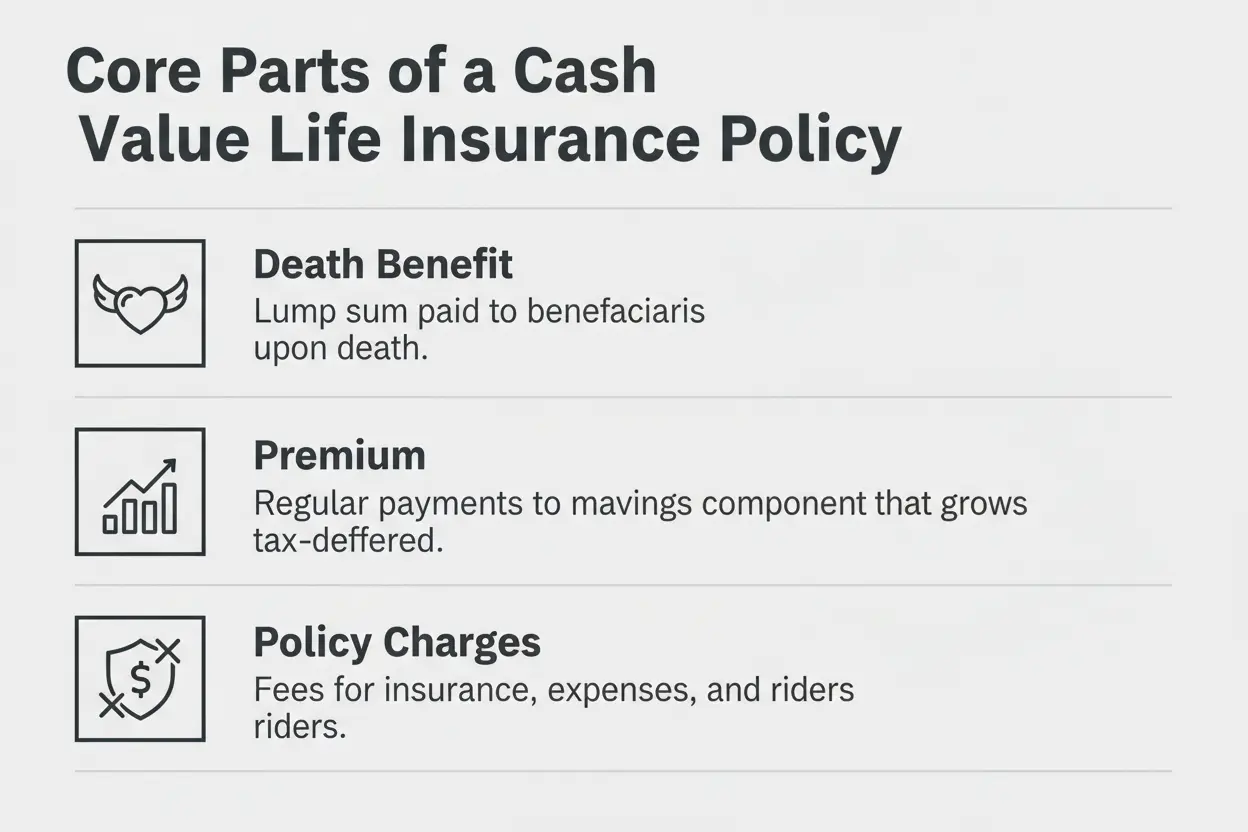
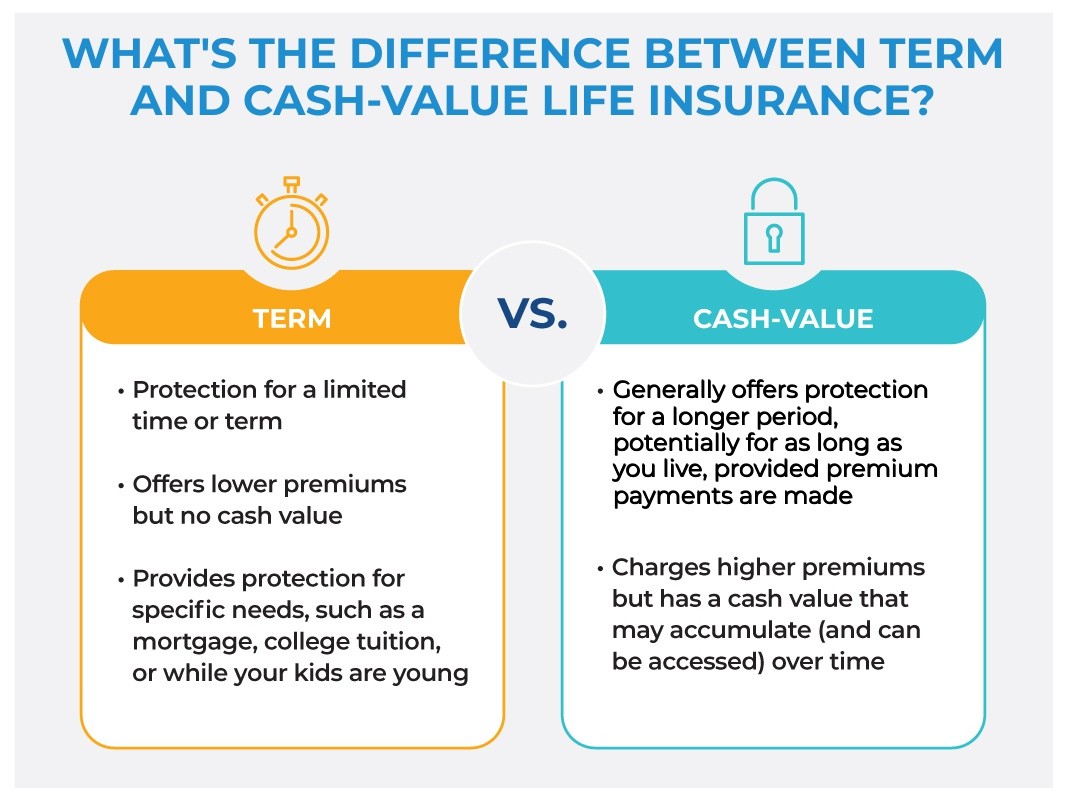
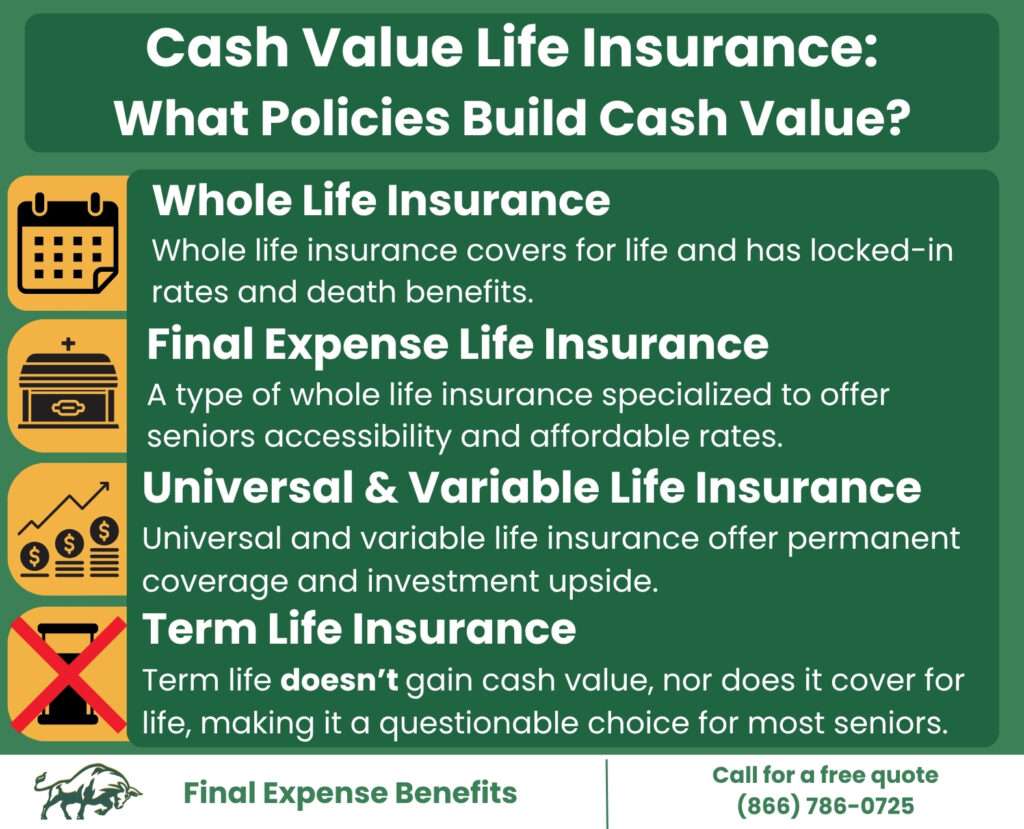
GE Leadership Life is a form of permanent life insurance, often structured as Universal Life or Variable Universal Life. Unlike term insurance, these policies build a "cash value" over time through a combination of premium payments and interest or investment gains. This cash value is more than just a savings account; it is an integral part of the policy’s death benefit and its ability to remain "in-force" (active) during your retirement years.
The cash value is divided into two distinct parts: the cost basis (the total amount of premiums you have paid into the policy) and the earnings (any growth or interest generated by the policy). When we discuss the "withdrawal rule," we are specifically looking at how you can pull money out of this cash value without triggering a tax liability or causing the policy to lapse.
In 2026, navigating these policies requires checking the specific "Product Series" your policy belongs to, as GE updated these plans several times throughout the 1990s and 2000s. Most Leadership Life policies are now administered through a dedicated MetLife service portal specifically for former GE executives.
The Core Rule: Withdrawal of Basis (FIFO)
The primary rule to follow when withdrawing cash from a GE Leadership Life policy is the First-In, First-Out (FIFO) tax treatment. Under IRS Section 7702, life insurance withdrawals are generally treated as tax-free up to the amount of the cost basis.
1. Identify Your Cost Basis
Before requesting any funds, you must ask the administrator for a "Cost Basis Statement." This document outlines exactly how much you have paid in premiums. As long as your withdrawal amount is equal to or less than this basis, the money is typically received tax-free.
2. Avoid the LIFO Trap
Once you withdraw an amount exceeding your cost basis, the IRS applies Last-In, First-Out (LIFO) treatment. This means any additional money withdrawn is considered "earnings" and is taxed as ordinary income. If you are in a high tax bracket in 2026, an accidental LIFO withdrawal can result in a significant tax bill.
3. Maintain the MEC Limit
A critical rule to follow is ensuring your policy does not become a Modified Endowment Contract (MEC). If you paid into your policy too quickly or if you withdraw so much that the death benefit drops below certain federal thresholds, the policy could be reclassified as a MEC. If this happens, all withdrawals—even those within the cost basis—become taxable as LIFO, and you may face a 10% penalty if you are under age 59½.
Step-by-Step Process for a Cash Value Withdrawal
Accessing your funds is a formal administrative process. Because GE Leadership Life is an executive-level product, the requirements for documentation are often more stringent than standard retail policies.
Step 1: Verification of Surrender Value
Log in to the administrator's portal (MetLife) or call the GE Leadership Life service center. You need to distinguish between the "Account Value" (the total amount in the policy) and the "Net Surrender Value" (the amount you can actually take out after any surrender charges or outstanding loans).
Step 2: Request an In-Force Illustration
Before signing any withdrawal forms, request an In-Force Illustration. This is a projection showing how the policy will perform after the withdrawal. Because these policies often rely on cash value to pay the internal costs of insurance, a large withdrawal could cause the policy to "implode" or lapse in future years as you age and the cost of insurance rises.
Step 3: Select the "Partial Surrender" Option
When filling out the withdrawal form, you will likely see options for "Policy Loan" or "Partial Surrender." To follow the withdrawal rule for cash access, you select Partial Surrender. This permanently removes the money from the policy and reduces the death benefit by a corresponding amount.
Step 4: Specify Tax Withholding
Even if you believe your withdrawal is tax-free because it is within the cost basis, the administrator is required to offer tax withholding. Most policyholders following the basis-first rule elect to waive withholding, but you should consult a tax advisor to ensure your basis calculations are accurate.
Withdrawal vs. Policy Loan: Which Rule to Use?
Many GE Leadership Life participants confuse withdrawals with loans. While both provide access to cash, they follow entirely different rules.
| Feature | Cash Value Withdrawal (Partial Surrender) | Policy Loan |
|---|---|---|
| Taxability | Tax-free up to cost basis; taxable after. | Generally tax-free (unless the policy is a MEC). |
| Death Benefit Impact | Permanently reduces the death benefit. | Reduces the payout only by the outstanding balance. |
| Repayment | Cannot be repaid to the policy. | Can be repaid at any time to restore value. |
| Interest Charges | None. | The company charges interest on the loan balance. |
| 2026 Considerations | Best for permanent cash needs. | Best for short-term liquidity without reducing coverage. |
Following the "Withdrawal Rule" means you are choosing to permanently reduce the size of your policy in exchange for cash. If your goal is to keep the full death benefit for estate planning purposes, a Policy Loan may be the more appropriate strategy, though it requires managing interest payments.
Impact on Death Benefit and "Corridor" Rules
One of the most complex aspects of GE Leadership Life is the "Death Benefit Corridor." The IRS requires a certain amount of "at-risk" insurance (the gap between the cash value and the death benefit) for the policy to maintain its status as life insurance.
When you follow the withdrawal rule and take out cash, the policy’s death benefit is usually reduced dollar-for-dollar. However, if your policy is in the "corridor," a withdrawal might force a much larger reduction in the death benefit to satisfy IRS statutes. This is why the In-Force Illustration mentioned earlier is vital; it prevents a scenario where a $50,000 withdrawal accidentally triggers a $200,000 drop in total insurance coverage.
Common Pitfalls and Troubleshooting
The "Lapse" Risk
The most dangerous mistake is withdrawing too much. GE Leadership Life policies have internal monthly costs (mortality charges and admin fees). These costs are deducted from the cash value. If your withdrawal leaves the cash value too low, the remaining funds may not be enough to cover these monthly costs, especially as you reach your 70s or 80s. If the cash value hits zero, the policy lapses, and you could be hit with a massive "phantom" tax bill on all previous gains.
Surrender Charges
Though many GE Leadership Life policies have been active long enough for surrender charges to expire, some executive "Top-Up" layers or newer policy versions may still have them. Always verify if a "surrender fee" applies to your withdrawal. These fees are usually a percentage of the amount withdrawn and can diminish the net amount you receive.
Address and Contact Changes
Because these are legacy policies, many holders have moved or changed banking information since they last interacted with the policy. MetLife requires signature guarantees or notarized forms for large withdrawals (typically over $25,000 or $50,000) if the funds are being sent to a new address or a new bank account.
Frequently Asked Questions
Can I withdraw my GE Leadership Life cash value online?
In 2026, most administrators allow you to view your balance online, but a full or partial surrender usually requires a signed paper form or a secure electronic signature (like DocuSign) through a verified executive portal. This is a security measure to protect high-value executive assets.
How long does it take to receive the funds?
Once the administrator receives the completed and signed paperwork, the standard processing time is 5 to 10 business days. If your policy is a "Variable" life policy, the funds are typically sold at the next available Net Asset Value (NAV) after the request is processed.
Will withdrawing cash value affect my GE pension?
No. The GE Leadership Life Insurance policy is a separate benefit from the GE Pension Plan. However, both are part of your total executive compensation package. Withdrawing cash value from your insurance policy does not reduce or alter your pension annuity payments.
What happens if I have an outstanding loan?
If you have an existing loan on your GE Leadership Life policy, you generally cannot withdraw cash value until the loan is either repaid or "netted out." In many cases, a withdrawal request will first be applied to pay off the outstanding loan balance, with the remainder sent to you as cash.
Practical Recommendation
Before executing a withdrawal, perform a "Stress Test" on your policy. Request your administrator to run a projection at a 0% or 2% rate of return. If the projection shows the policy lapsing before age 95 due to your withdrawal, consider a smaller withdrawal or a policy loan instead. The primary goal of following the GE Leadership Life withdrawal rule is to access liquidity without compromising the long-term stability of your insurance coverage.
Image Gallery