The Role of the King of England: Constitutional Powers, Ceremonial Duties, and Modern Responsibilities
The King of England—officially the Sovereign of the United Kingdom—operates as a constitutional monarch whose daily role is defined by strict convention, non-partisan neutrality, and traditional statecraft. While holding supreme execut...
The King of England—officially the Sovereign of the United Kingdom—operates as a constitutional monarch whose daily role is defined by strict convention, non-partisan neutrality, and traditional statecraft. While holding supreme executive and legislative authority in theory, the King acts almost exclusively on the binding advice of government ministers, retaining vital ceremonial, diplomatic, and unifying duties.
Contents
Historical Evolution of the Monarchy
To understand the contemporary responsibilities of the British monarch, one must trace how the institution evolved from absolute autocracy to a modern constitutional framework. For centuries, English monarchs held near-absolute sway over taxation, war, lawmaking, and land ownership. Over time, recurring political crises, financial constraints, and social shifts forced a redistribution of power.
Landmark turning points structuralized this transfer. The sealing of the Magna Carta in 1215 established the fundamental legal principle that the monarch is not above the law. Subsequent centuries saw the rise of Parliament as a legislative counterweight, culminating in the Glorious Revolution of 1688 and the English Bill of Rights of 1689. These legal statutes permanently restricted royal prerogatives, banning the monarch from suspending laws, levying taxes without parliamentary consent, or maintaining a standing army during peacetime without legislative approval.
By the 19th and 20th centuries, the crown settled into a distinctly parliamentary system. The monarch transitioned from a policy-making executive into a politically neutral head of state. Today’s Sovereign reigns rather than rules, preserving the continuity of the state while leaving governance to elected politicians.
Constitutional and Legal Powers
Although the King does not draft legislation or formulate public policy, the British constitution vests extensive nominal powers—known as the Royal Prerogative—in the person of the Sovereign. These powers, historically exercised directly by monarchs, are now exercised by the government in the King's name.
Executive and Legislative Functions
The formal legislative process requires the participation of the monarch. Every bill passed by the House of Commons and the House of Lords must receive Royal Assent before it can become an Act of Parliament. While the theoretical right to withhold Royal Assent exists, it has not been exercised since 1707 by Queen Anne.
Additional constitutional responsibilities include:
- Appointing the Prime Minister: Following a general election, the King invites the leader of the party capable of commanding a majority in the House of Commons to form a government.
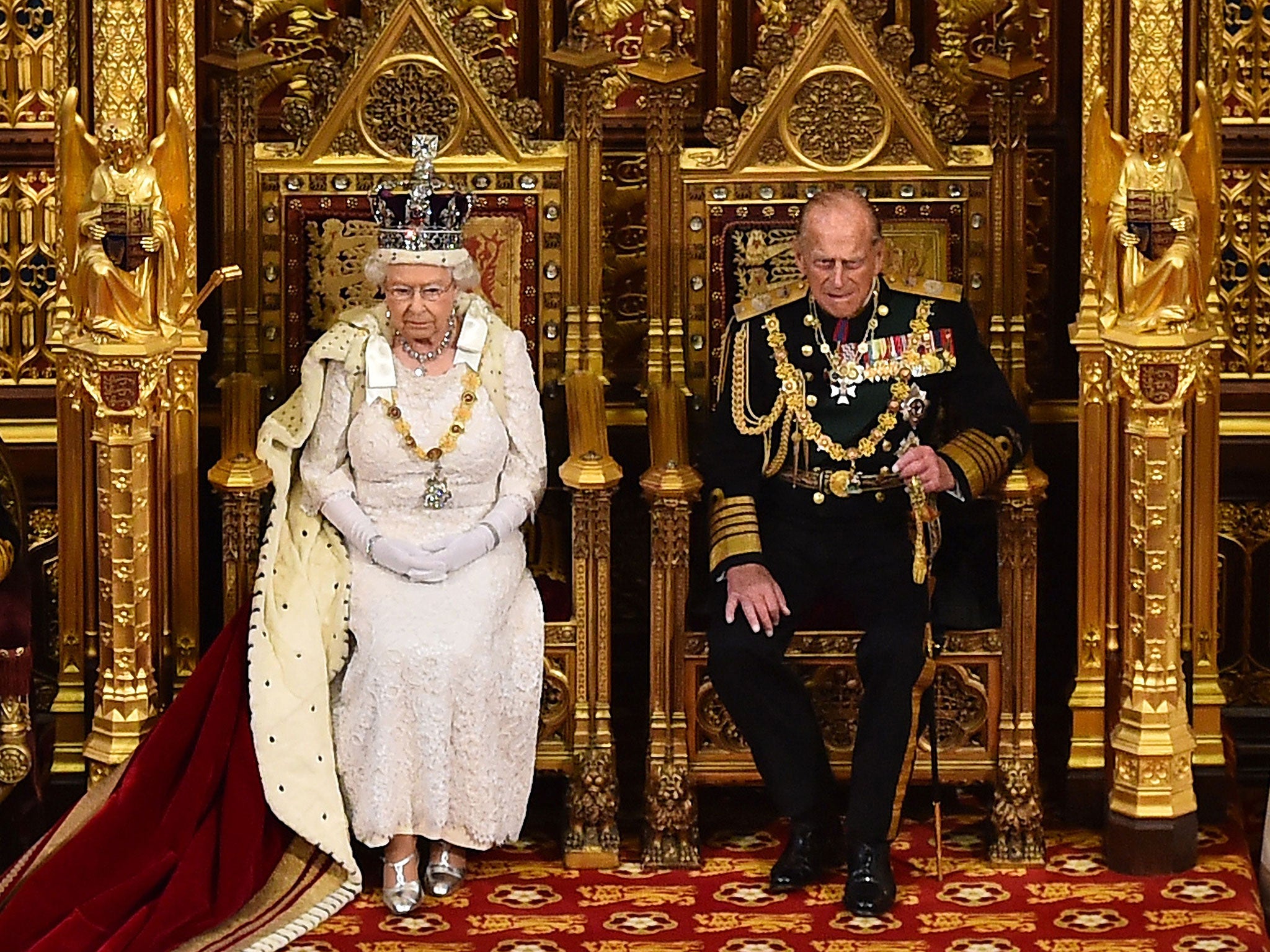
- Opening Parliament: The Sovereign formally opens each parliamentary session with the Speech from the Throne, outlining the government's legislative agenda for the upcoming term.
- Dissolving Parliament: The monarch acts on the advice of the Prime Minister to dissolve Parliament ahead of a general election, under frameworks governed by statutory legislation like the Dissolution and Calling of Parliament Act 2022.
The Sovereign's Relationship with the Government
The unwritten nature of the British constitution relies heavily on convention, precedent, and constitutional conventions. Walter Bagehot, the famous 19th-century constitutional writer, famously summarized the monarch's political rights in his relations with the Prime Minister as "the right to be consulted, the right to encourage, and the right to warn."
The Prime Minister holds a regular audience with the King—historically weekly—to discuss matters of state. During these confidential meetings, the monarch can offer perspective, wisdom, and institutional memory accumulated across decades and successive administrations. However, the ultimate decision-making power rests entirely with the Cabinet and Parliament.
Ceremonial and State Duties
Ceremonial responsibilities form the most visible aspect of the King's daily calendar. These functions project national identity, honor public service, and uphold centuries-old traditions that bind the Commonwealth realms together.
| CORE PILLARS OF SOVEREIGN DUTY | |
|---|---|
| Constitutional & Executive | Ceremonial & Diplomatic |
| - Royal Assent to Bills | - State Visits & Reception |
| - Appointment of Prime Minister | - Trooping the Colour |
| - Weekly Audience with PM | - Conferring Honours |
| - Opening of Parliament | - Head of the Commonwealth |
State Visits and Diplomacy
The King serves as the chief diplomat of the nation. Operating on the advice of the Foreign, Commonwealth & Development Office (FCDO), the Sovereign hosts visiting foreign heads of state, ambassadors, and high commissioners. State banquets, formal receptions, and official overseas tours reinforce international alliances and soft-power diplomacy without entangling the Crown in partisan political negotiations.
Honours and Awards
The British honors system relies on the Sovereign to formally confer peerages, knighthoods, medals, and decorations. Recipients are selected through independent committees that evaluate civilian and military achievements. Investitures held at royal residences allow the monarch to personally recognize citizens for exceptional contributions to science, arts, community service, charity, and military defense.
The Monarchy and the Commonwealth
Beyond the United Kingdom, the King holds the constitutional position of Head of State in a select group of independent nations known as Commonwealth realms. As of 2026, these nations include countries such as Canada, Australia, New Zealand, Jamaica, and several others in the Caribbean and Pacific.
In each realm, the King is represented locally by a Governor-General, who exercises most domestic royal functions. The monarch's role in these countries is distinct from their role as Head of the Commonwealth—an association of 56 independent member states spanning Africa, Asia, the Americas, and Europe. While most Commonwealth nations are republics or have their own indigenous monarchies, they recognize the British monarch as the symbolic head of this voluntary association.
Public Funding and Estates
The financial maintenance of the monarch and the royal household is managed through transparent statutory mechanisms designed to support official duties while separating personal wealth from state assets.
The Sovereign Grant
The primary funding mechanism is the Sovereign Grant, a fixed percentage of the profits generated by the Crown Estate—a vast portfolio of commercial real estate, agricultural land, and seabed holdings owned by the monarch in right of the Crown, but managed independently by an independent corporate body.
The revenue generated by the Crown Estate goes directly to the UK Treasury. A portion of these profits (historically 15% to 25%) is returned to the monarch as the Sovereign Grant to cover official travel, property maintenance of historic residences like Buckingham Palace and Windsor Castle, and staff payroll. All royal accounts are audited annually by the National Audit Office and published for public scrutiny.
Frequently Asked Questions
Can the King of England veto a law passed by Parliament?
In theory, the King possesses the power to withhold Royal Assent, which would block a bill from becoming law. In practice, this power is obsolete. Constitutional convention dictates that the monarch acts only on ministerial advice, meaning any refusal of assent without explicit government backing would trigger a major constitutional crisis.
Does the King pay taxes?
Since 1993, the monarch has voluntarily paid Income Tax and Capital Gains Tax on private income and commercial revenues. While the Sovereign is legally exempt from certain forms of taxation due to crown immunities, voluntary arrangements ensure compliance with standard national tax obligations.
What happens if the King is incapacitated or traveling?
Under the Regency Acts, if the monarch is temporarily incapacitated due to illness or absent abroad on state business, Counsellors of State can be appointed from among senior members of the royal family to exercise core royal functions, such as signing state papers and holding council meetings.
Is the King politically neutral?
Yes. Absolute political neutrality is the cornerstone of the modern British monarchy. The King does not vote in parliamentary elections, does not publicly express political opinions, and maintains strict confidentiality regarding discussions with government leaders.
Conclusion and Next Actions
The role of the King of England is a sophisticated blend of constitutional continuity, non-partisan statecraft, and ceremonial leadership. Stripped of executive autocracy through centuries of democratic reform, the modern Sovereign acts as an enduring symbol of national unity, diplomatic anchor, and constitutional safeguard. To explore further official documentation regarding royal finances, constitutional law, and the historic powers of the Crown, consult the official records published by the UK Parliament and the Official Website of the British Royal Family.
Image Gallery