Navigating Norwegian Cruise Line Holdings: Structure, Brands, and Operations
Norwegian Cruise Line Holdings Ltd. (NCLH) is a leading global cruise company operating three distinct brands—Norwegian Cruise Line, Oceania Cruises, and Regent Seven Seas Cruises—offering itineraries to approximately 700 destinations...
Norwegian Cruise Line Holdings Ltd. (NCLH) is a leading global cruise company operating three distinct brands—Norwegian Cruise Line, Oceania Cruises, and Regent Seven Seas Cruises—offering itineraries to approximately 700 destinations worldwide with a combined fleet designed to cater to contemporary, premium, and luxury market segments.
Contents
Introduction to Norwegian Cruise Line Holdings Ltd.
Understanding the corporate architecture of major cruise conglomerates is essential for travel industry analysts, prospective investors, and travelers looking to parse how different cruise lines operate under a single parent organization. Norwegian Cruise Line Holdings Ltd., publicly traded on the New York Stock Exchange under the ticker symbol NCLH, stands as one of the major players in the global cruise industry.
While individual cruise lines maintain distinct identities, marketing strategies, and onboard experiences, their strategic direction, financial allocations, fleet expansion programs, and corporate governance are centrally managed by the parent holding company. This operational framework allows the enterprise to leverage economies of scale in shipbuilding, port negotiations, global marketing, and supply chain management while preserving the unique value propositions of its constituent brands.
The Corporate Portfolio: Brands and Market Segments
The primary strength of Norwegian Cruise Line Holdings lies in its multi-brand strategy, which covers a broad spectrum of the vacation market. By segmenting its offerings into contemporary, upper-premium, and luxury categories, the corporation captures diverse consumer demographics and mitigates market-specific downturns.
Norwegian Cruise Line (Contemporary Segment)
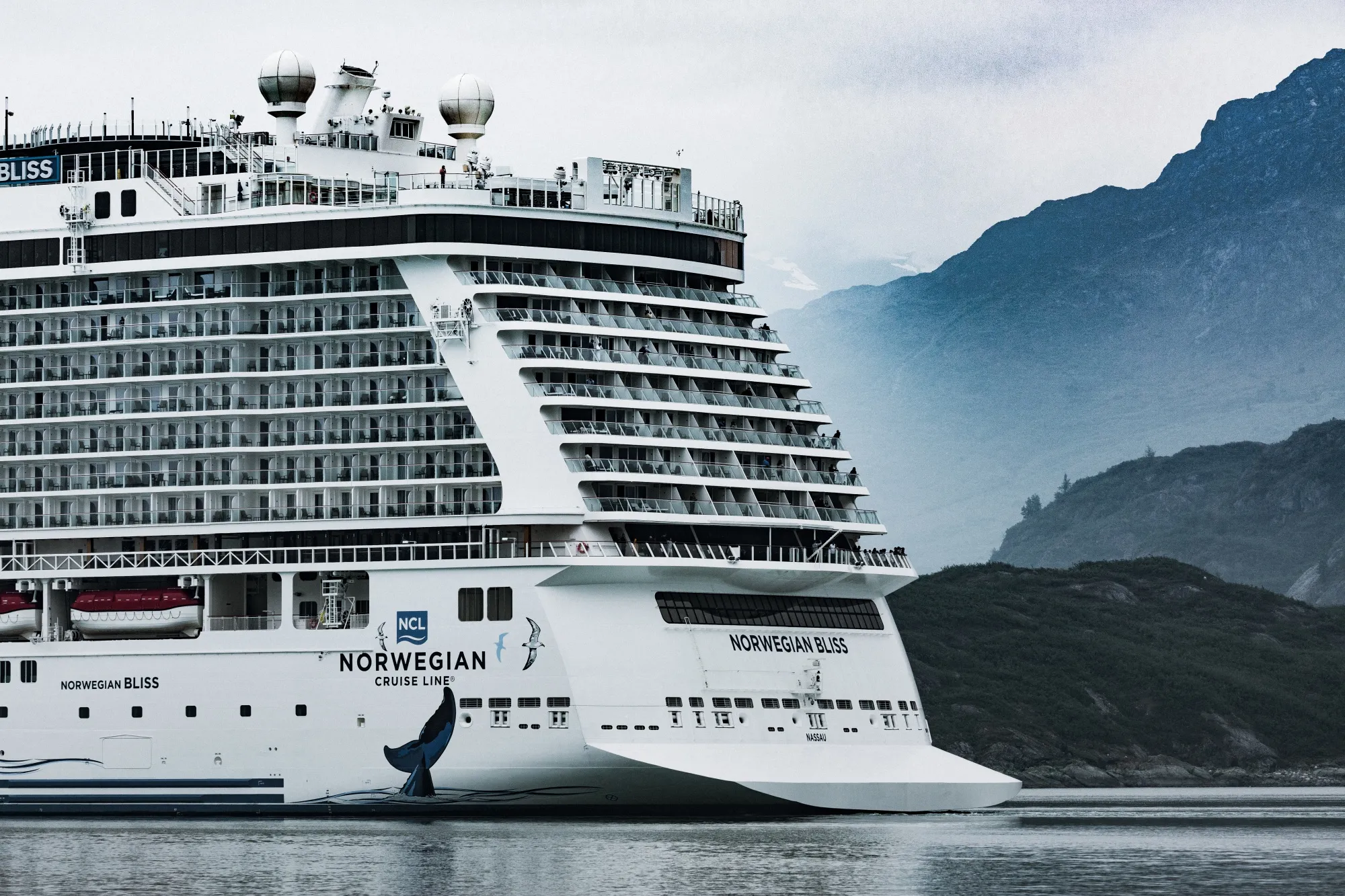
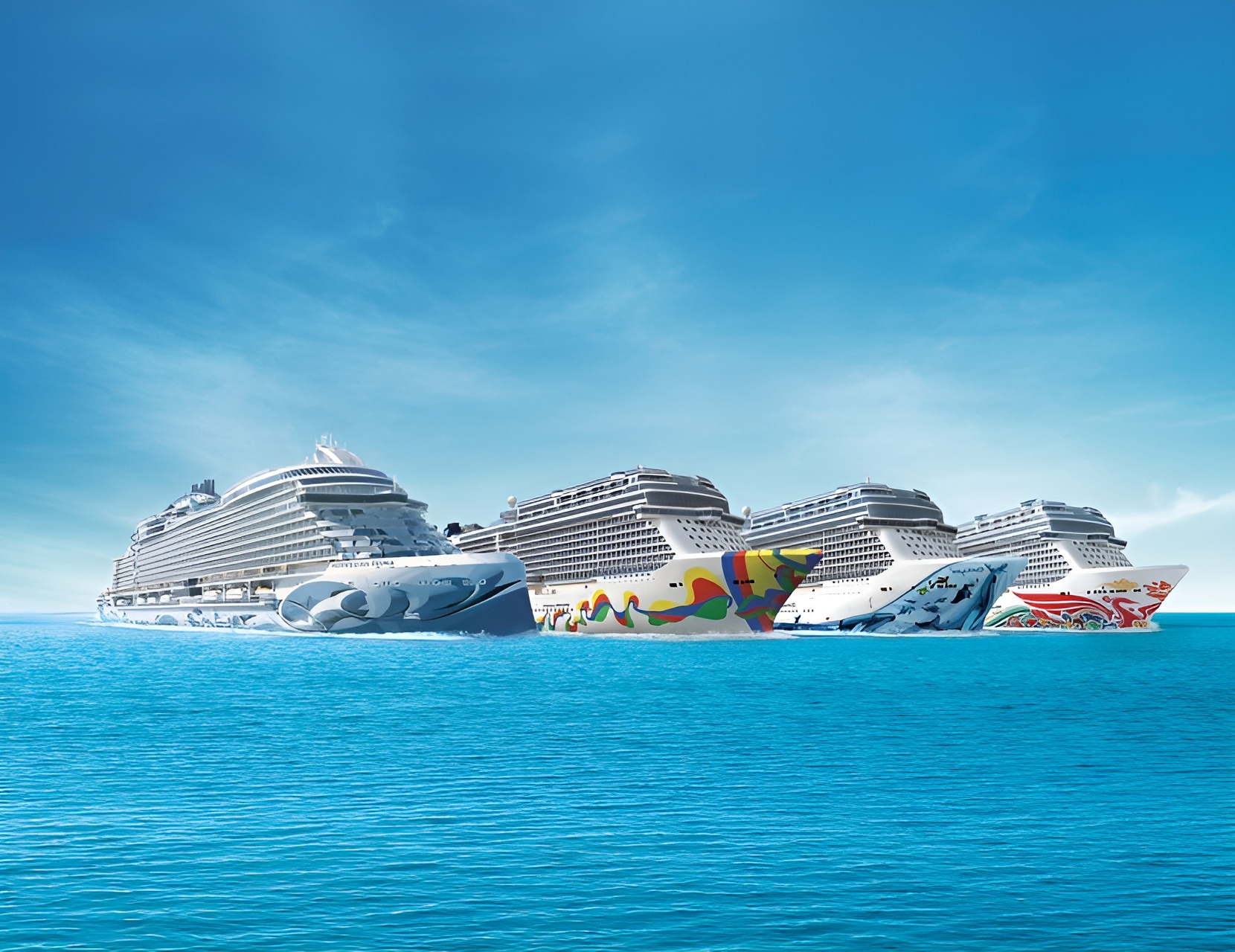
Norwegian Cruise Line is the foundational brand of the holding company, pioneering the concept of "Freestyle Cruising." This operational model breaks away from traditional cruise ship norms—such as fixed dining times and formal dress codes—by offering passengers greater flexibility in dining, entertainment, and daily schedules. The contemporary fleet ranges from mid-sized vessels to massive, amenity-laden mega-ships featuring go-kart tracks, high-end specialty restaurants, sprawling thermal suites, and expansive observation lounges.
Oceania Cruises (Upper-Premium Segment)
Acquired by the parent company to capture the upper-premium traveler, Oceania Cruises targets mature, affluent passengers interested in destination-intensive itineraries and culinary excellence. The fleet consists of mid-sized ships that can navigate smaller ports inaccessible to larger vessels. Oceania positions itself around the "Finest Cuisine at Sea," featuring gourmet restaurants designed by master chefs and immersive enrichment programs.
Regent Seven Seas Cruises (Luxury Segment)
At the pinnacle of the holding company’s portfolio is Regent Seven Seas Cruises, a luxury brand defined by an all-inclusive business model. Fares across this fleet typically cover shore excursions, specialty dining, open bars, gratuities, and roundtrip airfare. The all-suite ships feature exceptionally high staff-to-guest ratios, spacious accommodations, and refined interior designs aimed at ultra-high-net-worth travelers seeking high-end luxury at sea.
Fleet Composition and Strategic Development
Managing a multi-brand fleet requires long-term capital planning, particularly given the multi-year timeline required to design, finance, and construct modern cruise vessels. NCLH relies on major international shipyards—such as Fincantieri in Italy and Meyer Werft in Germany—to execute its newbuild programs.
| Brand | Market Positioning | Average Ship Capacity (Guests) | Key Inclusion Model | Primary Destinations |
|---|---|---|---|---|
| Norwegian Cruise Line | Contemporary | 2,000 – 4,200+ | À la carte / Specialty Dining Extra | Caribbean, Alaska, Europe, Hawaii |
| Oceania Cruises | Upper-Premium | 650 – 1,250 | Culinary Focus / Selected Inclusions | Worldwide, Extended Voyages |
| Regent Seven Seas | Luxury | 490 – 750 | Fully Inclusive (Excursions, Air, Drinks) | Worldwide Luxury Itineraries |
Fleet expansion is tied to environmental efficiency and technological innovation. Modern vessels incorporate advanced wastewater purification systems, shore power capabilities to reduce emissions while docked in port, and energy-efficient hull designs that minimize fuel consumption.
Financial Management and Investor Relations
As a publicly traded corporation, NCLH is subject to rigorous financial reporting standards and market scrutiny. The company's financial health depends heavily on capacity days, net yield, occupancy percentages, and consumer discretionary spending trends.
Revenue Streams
- Ticket Sales: The base fare paid by passengers for accommodations, transportation, and standard onboard meals.
- Onboard Revenue: Expenditures on specialty dining, shore excursions, spa treatments, casino gaming, beverage packages, and retail shopping.
- Other Revenue: Supplemental income generated through travel insurance partnerships, port agency services, and private island operations, such as Harvest Caye in Belize and Great Stirrup Cay in the Bahamas.
Cost Factors and Capital Expenditures
Operating a global fleet involves substantial fixed and variable costs. Fuel consumption represents one of the largest volatile expenses, frequently managed through hedging strategies. Additionally, shipbuilding commitments require extensive debt financing, access to export credit agencies, and disciplined capital allocation to maintain balance sheet stability across economic cycles.
Operational Sustainability and Environmental Stewardship
The cruise industry faces increasing regulatory pressure and consumer demand regarding environmental impact. NCLH publishes regular sustainability reports detailing its path toward decarbonization, waste reduction, and community engagement.
- Decarbonization Goals: The company aims to achieve net-zero greenhouse gas emissions by 2050, investing in alternative marine fuels, energy-saving devices, and optimized route planning.
- Water Stewardship: Advanced wastewater treatment systems purify effluent to standards often exceeding local regulatory requirements, allowing vessels to discharge clean water safely or retain it where required.
- Single-Use Plastics: Corporate initiatives have significantly reduced single-use plastics across all three fleets, replacing plastic bottles, straws, and utensils with biodegradable or reusable alternatives.
Practical Considerations for Travelers and Industry Observers
For individuals booking vacations or evaluating corporate performance, several practical factors characterize the NCLH ecosystem:
- Loyalty Program Integration: The Latitudes Rewards program allows guests to earn points across Norwegian Cruise Line sailings, though reciprocal tier matching across Oceania and Regent Seven Seas is limited due to distinct brand positioning.
- Booking Policies: Standard deposit, cancellation, and final payment schedules vary by brand, with luxury and upper-premium brands often requiring earlier deposits and more stringent cancellation windows due to lower guest capacities.
- Travel Advisor Partnerships: A substantial percentage of NCLH bookings are facilitated through travel advisors, supported by dedicated trade portals, educational programs, and incentive structures.
Frequently Asked Questions
What brands are owned by Norwegian Cruise Line Holdings?
Norwegian Cruise Line Holdings Ltd. owns and operates three distinct cruise brands: Norwegian Cruise Line, which focuses on contemporary cruising; Oceania Cruises, which operates in the upper-premium segment; and Regent Seven Seas Cruises, which serves the luxury, all-inclusive market.
Is Norwegian Cruise Line Holdings a publicly traded company?
Yes, NCLH is a publicly traded corporation listed on the New York Stock Exchange under the ticker symbol NCLH. It is governed by a board of directors and subject to United States Securities and Exchange Commission reporting regulations.
How does NCLH manage environmental sustainability across its fleet?
The company implements sustainability initiatives focused on reducing greenhouse gas emissions through energy-efficient ship designs, investing in alternative marine fuels, utilizing shore power in compliant ports, eliminating single-use plastics, and installing advanced wastewater purification systems.
What is the difference between Oceania Cruises and Regent Seven Seas Cruises?
While both cater to affluent travelers, Oceania Cruises positions itself in the upper-premium market with a strong emphasis on culinary experiences and destination-intensive itineraries where many amenities are à la carte. Regent Seven Seas Cruises operates in the all-inclusive luxury segment, where fares encompass virtually all costs, including shore excursions, roundtrip airfare, open bars, and specialty dining.
Where are NCLH cruise ships built?
NCLH contracts with major European shipyards for its newbuild vessels, primarily partnering with Fincantieri in Italy and Meyer Werft in Germany, both of which specialize in complex cruise ship engineering and construction.
Conclusion and Next Actions
For investors, evaluating NCLH requires tracking quarterly earnings reports, net yield metrics, and global travel demand indicators. For travelers, selecting the appropriate brand within the Norwegian Cruise Line Holdings portfolio depends entirely on desired budget, preferred ship scale, and the level of service and inclusion sought for a vacation at sea. Review specific brand terms, itinerary maps, and current deployment schedules directly through official brand channels before finalizing travel arrangements or investment decisions.
Image Gallery