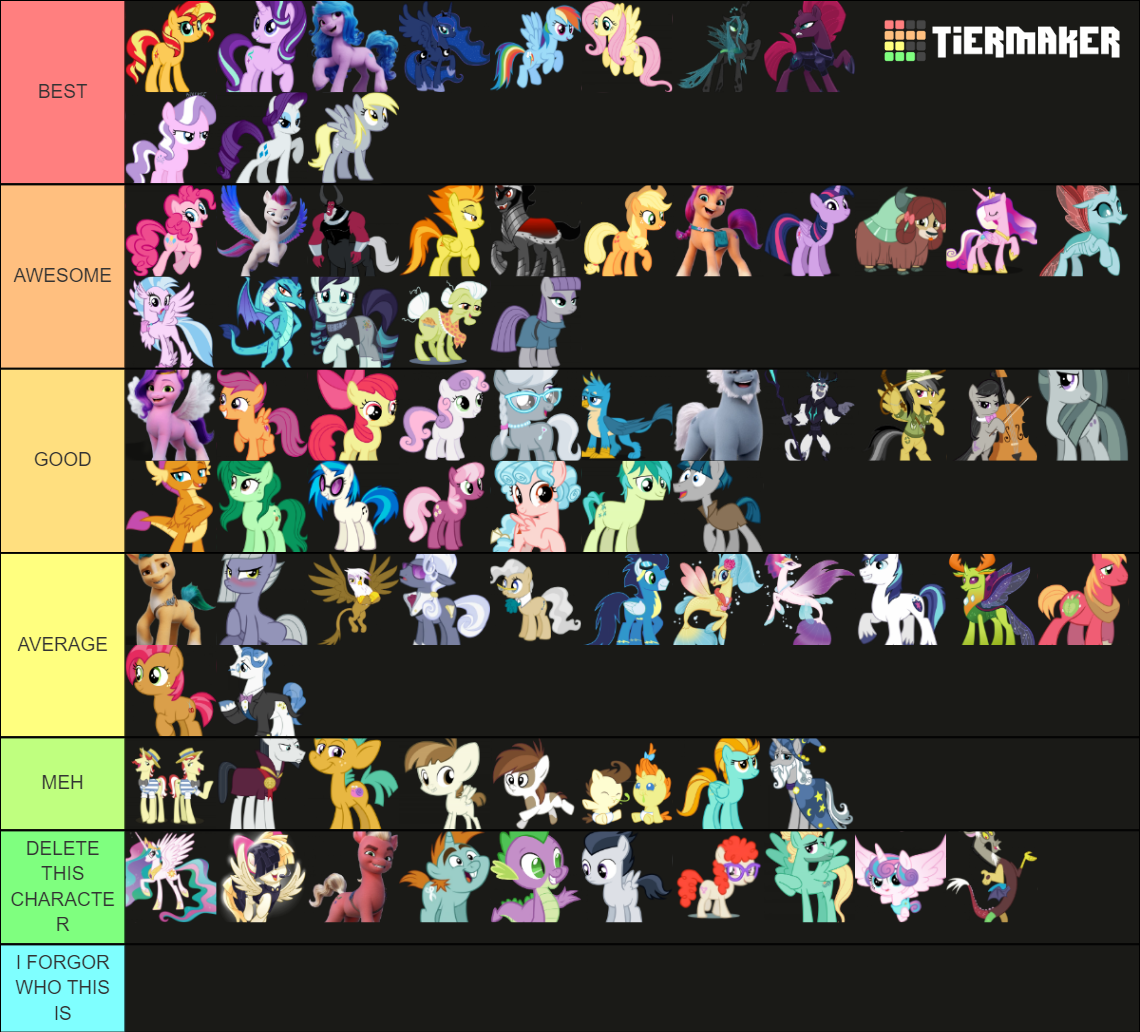
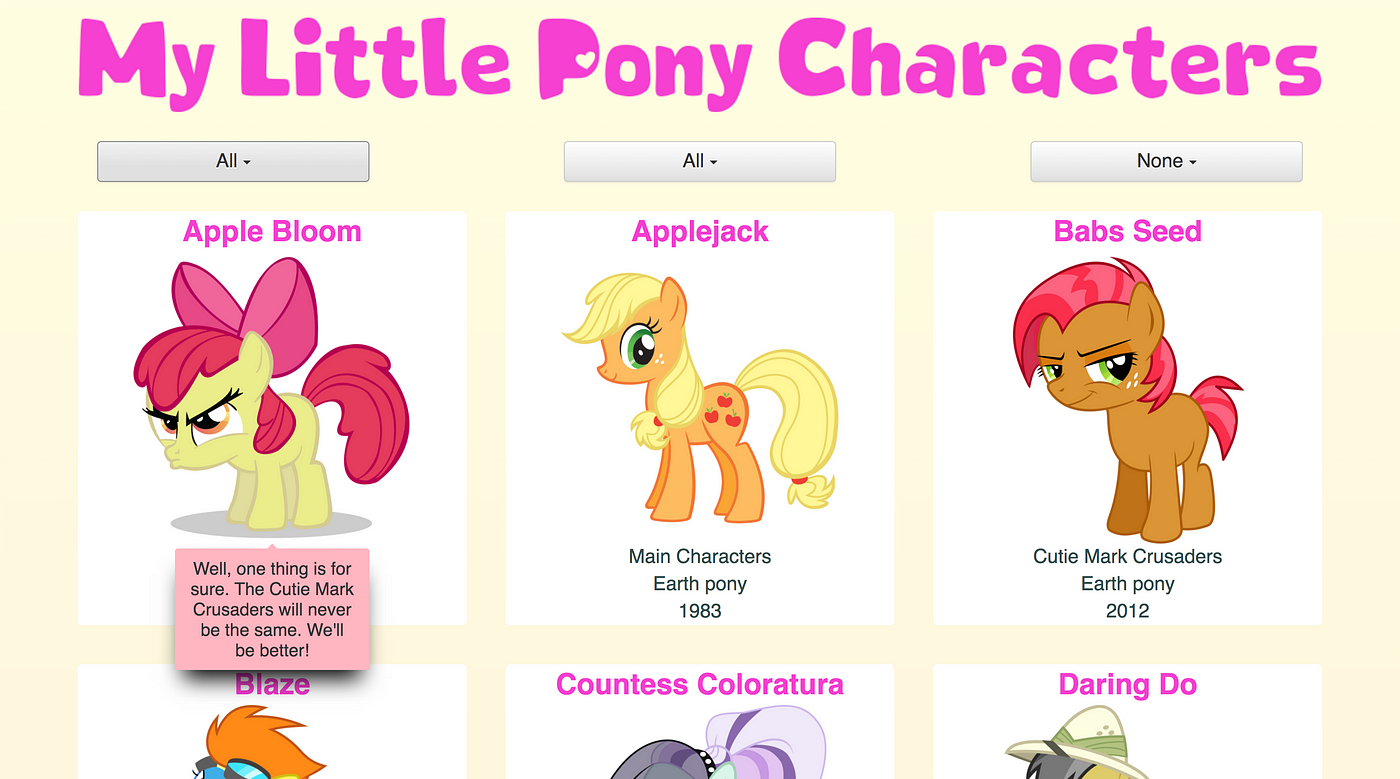
Comprehensive Guide to Every MLP Character: Taxonomy, Design, and Narrative Evolution
An MLP character refers to a distinct fictional individual within the My Little Pony franchise, created by Hasbro across various generational iterations starting in 1982. These characters span diverse species—including Earth Ponies, Pe...
An MLP character refers to a distinct fictional individual within the My Little Pony franchise, created by Hasbro across various generational iterations starting in 1982. These characters span diverse species—including Earth Ponies, Pegasi, Unicorns, and Alicorns—and are defined by their unique physical appearances, iconic Cutie Marks, and specific narrative roles.
Contents
Understanding the Taxonomy of Equestrian Residents
The universe of My Little Pony is populated by a rich tapestry of inhabitants, each classified by physiological traits, magical capabilities, and societal roles. Understanding this taxonomy is fundamental to analyzing any MLP character within the canon.
Ponies are divided into four primary biological classifications:
- Earth Ponies: Possess a deep, innate connection to nature, agriculture, and physical endurance. They lack horns and wings but exhibit remarkable strength and stamina.
- Pegasi: Master the skies with feathered wings, possessing the unique ability to manipulate weather, walk on clouds, and control wind currents.
- Unicorns: Wield powerful magic through their horns, allowing them to levitate objects, cast spells, and alter their environment. Their magical aptitude often correlates with focused study or specialized talents.
- Alicorns: Rare rulers who combine the physical traits and powers of all three pony types, possessing wings, horns, and Earth pony resilience.
Beyond the core pony species, the world includes various creatures such as changelings, griffins, dragons, zebras, and yaks. Every major MLP character is further identified by a Cutie Mark—a symbolic tattoo or marking on their flank that appears when they discover their special talent or true calling in life.
Evolution of Character Design Across Generations
The visual style and personality archetypes of MLP characters have transformed significantly since the franchise's inception. Tracing this evolution reveals shifts in animation technology, target demographics, and storytelling complexity.
| Generation | Production Years | Design Characteristics | Narrative Approach |
|---|---|---|---|
| Generation 1 (G1) | 1982–1992 | Hand-drawn animation, pastel color palettes, detailed symbols, realistic horse proportions adapted for children. | Episodic, fairy-tale adventures featuring dark fantasy elements and sprawling realms of magic. |
| Generation 3 (G3) | 2003–2009 | Softer, rounded toy designs, heavily saturated pinks and purples, simplified symbols, plastic-focused aesthetic. | Slice-of-life, domestic stories focused on friendship, tea parties, and fashion without grand antagonists. |
| Generation 4 (G4) | 2010–2019 | Stylized Flash animation, large expressive eyes, distinct silhouette profiles, individualized color theory. | Serialized character development, complex moral lessons, deep lore, and universal appeal across demographics. |
| Generation 5 (G5) | 2021–Present | 3D computer-generated imagery (CGI), modern textures, expressive rigging, dynamic movement physics. | Continuity-focused adventures exploring the restoration of magic and unity in a fractured post-G4 world. |
Deep Dive into the Mane Six and Core Figures
The core ensemble of Generation 4—popularly known as the Mane Six—serves as the gold standard for character writing in the franchise. Each character represents an element of harmony while embodying distinct psychological traits, flaws, and strengths.
Twilight Sparkle
Starting as an obsessive, academically minded unicorn, Twilight Sparkle's arc centers on learning that friendship is just as vital as book knowledge. Under the tutelage of Princess Celestia, she evolves into the Princess of Friendship and ultimately an Alicorn ruler. Her analytical nature and organizational skills anchor the group during systemic crises.
Applejack
Representing absolute honesty, Applejack is an Earth pony who manages Sweet Apple Acres. Her character highlights work ethic, familial loyalty, and stubborn reliability. She anchors the narrative in rural traditions and practical problem-solving.
Rainbow Dash
An ambitious Pegasus striving to join the Wonderbolts, Rainbow Dash embodies loyalty and athletic daring. While prone to boastfulness, her fierce protection of her friends drives much of the high-stakes action throughout the series.
Rarity
A fashion designer and boutique owner, Rarity represents generosity. Combining high-class aspirations with a dramatic flair, her character subverts stereotypes by demonstrating that vanity and kindness can coexist with exceptional business acumen and grit.
Fluttershy
A gentle, animal-loving Pegasus who represents kindness, Fluttershy struggles with profound stage fright and social anxiety. Her character arc showcases the quiet strength required to overcome fear and stand up for others in times of crisis.
Pinkie Pie
A high-energy party planner representing laughter, Pinkie Pie utilizes cartoon physics and chaotic optimism to break tension. Beneath her exuberant exterior lies a deeply insecure pony terrified of losing her friends, adding unexpected emotional depth to her comedic role.
Character Creation and Customization Guidelines
For writers, artists, and roleplayers developing an original MLP character, adhering to established design principles ensures consistency with official lore.
Core Design Principles: Silhouette Recognition: A well-designed pony should be identifiable purely by its silhouette, utilizing unique mane and tail shapes rather than relying solely on color. Color Theory: Avoid overly saturated neon palettes unless purposeful. Stick to analogous or complementary color schemes for coat, mane, and eye colors. Cutie Mark Logic: Ensure the Cutie Mark reflects a specific skill, passion, or defining life event rather than a generic object or hobby. Flaw Integration: Every compelling character requires tangible flaws—such as perfectionism, impulsivity, or insecurity—to drive narrative growth.
Comparative Analysis of Major Antagonists and Redeemed Figures
The depth of the franchise is heavily bolstered by its complex antagonists, many of whom undergo significant redemption arcs.
| Character | Initial Alignment | Primary Motivation | Redemption Status |
|---|---|---|---|
| Sunset Shimmer | Antagonist (G4 Films) | Desire for power and validation denied by Celestia. | Fully redeemed; becomes a mentor and empathetic leader. |
| Starlight Glimmer | Antagonist (G4 Series) | Trauma-induced desire to eliminate inequality and cutie marks. | Fully redeemed; transitions to pupil and school counselor. |
| Discord | Neutral / Chaotic Antagonist | Boredom and the pursuit of chaotic amusement. | Reformed ally; struggles continuously with maintaining bonds. |
| Queen Chrysalis | Unyielding Antagonist | Survival and nourishment of her changeling hive through forced love. | Unredeemed; ultimately petrified due to refusal to change. |
Frequently Asked Questions About MLP Characters
What is the most popular MLP character in the franchise?
Twilight Sparkle and Rainbow Dash consistently rank as the most popular characters across fan polls, merchandise sales, and community engagement metrics, largely due to their central narrative roles and dynamic abilities.
How are Cutie Marks determined for an MLP character?
A Cutie Mark manifests magically on a pony's flank when they realize their unique talent, inner passion, or purpose that separates them from all other ponies. This process usually occurs during adolescence or childhood.
Are all MLP characters horses?
No, while horses and ponies form the demographic majority, the universe features diverse fantasy and real-world species including dragons, griffins, changelings, yaks, kirin, and sea ponies.
What defines an Alicorn in the franchise?
An Alicorn is a rare pony possessing the physical traits and magical abilities of Earth ponies, Pegasi, and Unicorns. In the established lore, Alicorns traditionally rule Equestrian society and hold immense responsibilities.
Can original fan-made characters fit into official MLP lore?
Yes, fan creators frequently integrate original characters (OCs) into the world by respecting established biological rules, magic limitations, and regional geography within Equestria.
Conclusion and Engagement
Analyzing any MLP character requires examining how their design, species traits, and personal flaws intersect to drive storytelling forward. Whether exploring the classic archetypes of Generation 4 or the modern 3D iterations of Generation 5, these figures continue to resonate through rich narrative design. Apply these character frameworks to your own creative projects or deepen your appreciation of the franchise by tracing how each resident contributes to the broader world of Equestria.
Image Gallery