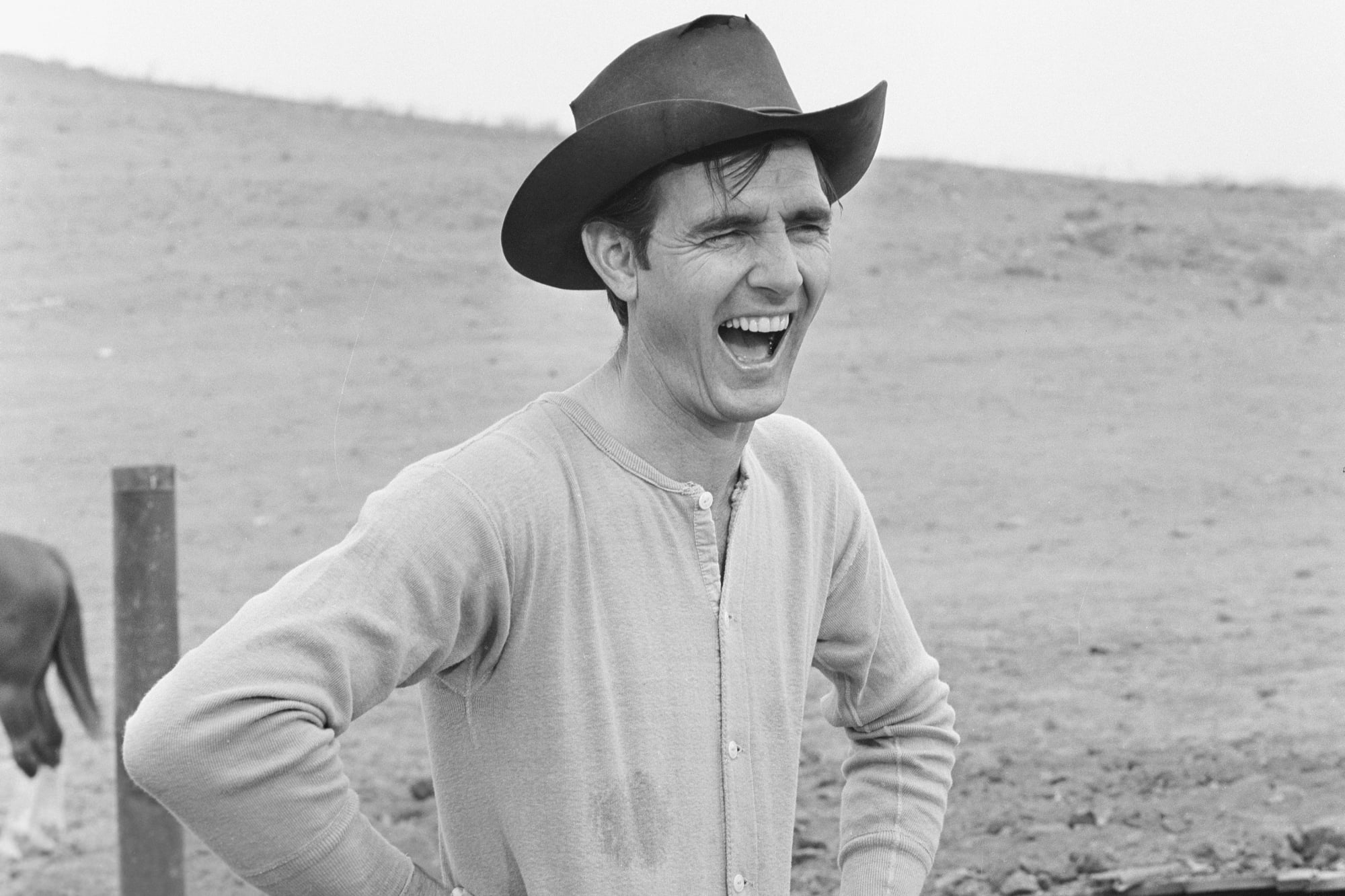
The Old Faces That Shaped Gunsmoke: The Icons Behind Television's Defining Western
Gunsmoke stands as a monumental achievement in American television history, anchoring the prime-time landscape for twenty seasons from 1955 to 1975 with 635 episodes. Behind the longevity of this sprawling western epic was a curated en...
Gunsmoke stands as a monumental achievement in American television history, anchoring the prime-time landscape for twenty seasons from 1955 to 1975 with 635 episodes. Behind the longevity of this sprawling western epic was a curated ensemble of seasoned actors, writers, and creators whose distinct faces, vocal cadences, and dramatic choices defined the inhabitants of Dodge City, Kansas. These veteran performers brought cinematic gravity to early television, transforming a standard radio adaptation into a nuanced study of frontier survival, human vulnerability, and institutional justice.
Contents
The Genesis and Evolution of Dodge City's Landscape
Understanding the cultural footprint of Gunsmoke requires examining its transition from a gritty 1952 radio drama starring William Conrad into a visual medium that demanded physical presence. Developed by Norman Macdonnell and writer John Meston, the television iteration aimed for a darker, more realistic portrayal of the post-Civil War American frontier than traditional Saturday-matinee cowboy serials.
The success of this transition depended entirely on casting. The creative team bypassed clean-cut, youthful archetypes in favor of weathered character actors whose lived-in expressions and gravelly voices reflected a hard-edged reality. These veteran faces grounded the fictionalized Dodge City in psychological authenticity, making the perpetual threat of frontier violence feel immediate and consequential.
James Arness as Marshal Matt Dillon
At the center of the canvas stood James Arness, whose towering six-foot-seven frame and stoic demeanor defined the archetype of the reluctant lawman. Arness brought a complex interiority to Marshal Matt Dillon, portraying a man physically and emotionally scarred by the violence he was sworn to police.
| Character Aspect | Dramatic Function |
|---|---|
| Physical Presence | Imposed immediate authority and visual dominance in frames |
| Emotional Reserve | Conveyed the crushing loneliness of frontier peacekeeping |
| Moral Conflict | Balanced legal duty against the harsh realities of survival |
Arness's casting was personally endorsed by John Wayne, who turned down the initial television offer and recommended his younger peer for the role. Across two decades, the evolution of Matt Dillon's face—from youthful resolve to lined, weathered endurance—mirrored the physical toll of the frontier itself. Arness anchored the series through shifting cultural eras, maintaining moral clarity amidst changing television standards.
Milburn Stone as Doc Adams
As the cynical, compassionate town physician Galen "Doc" Adams, Milburn Stone provided the emotional counterweight to Matt Dillon's rigid enforcement of the law. Stone had spent decades as a reliable character actor in Hollywood westerns and dramas before securing the role that would define his career.
Doc Adams was not merely a medical practitioner; he served as the moral conscience of Dodge City. Stone utilized his expressive eyes and sharp delivery to balance biting sarcasm with profound tenderness. His interactions with Matt Dillon and saloon owner Miss Kitty Russell established a surrogate family structure, humanizing an otherwise lawless cattle town. Stone's performance ensured that the medical emergencies of the frontier were treated with dramatic gravity rather than superficial plot devices.
Amanda Blake as Miss Kitty Russell
Amanda Blake brought fierce independence and quiet vulnerability to Miss Kitty Russell, the proprietor of the Long Branch Saloon. In early television, saloon women were frequently relegated to flat, stereotypical backgrounds. Blake, however, worked closely with writers to imbue Kitty with business acumen, emotional strength, and fierce loyalty.
Blake’s distinct red hair, elegant period wardrobe, and expressive smile became visual hallmarks of the series. Her subtle romantic tension with Matt Dillon—never fully consummated over twenty years—became one of television's most enduring sustained subplots. Blake's portrayal challenged contemporary gender norms, showing a woman who managed a rough frontier enterprise with authority while commanding the respect of outlaws and lawmen alike.
Ken Curtis as Festus Haggen
When Dennis Weaver departed his role as deputy Chester Goode in 1964, the production introduced Ken Curtis as Festus Haggen, a shift that altered the tonal texture of the series. Curtis had previously appeared in guest roles playing different characters before establishing the permanent role of the rustic, superstitious, yet fiercely capable deputy.
Curtis drew upon his background as a big-band singer and western character actor to create Festus’s unmistakable dialect, physical mannerisms, and comedic timing. Beneath the folksy exterior and rough frontier vernacular, Festus possessed sharp tracking skills and unflinching loyalty. The dynamic between Matt Dillon's straight-laced authority and Festus's eccentric pragmatism introduced vital comedic relief without compromising the dramatic stakes of the narrative.
Supporting Players Who Built the World
The longevity of Gunsmoke relied heavily on a revolving door of talented guest stars and recurring character actors who populated the perimeter of Dodge City. Performers such as Glenn Strange, who played the patient Long Branch bartender Sam after the departure of original bartender Matt Hellman, provided a steady visual anchor in the background of saloon scenes.
Other notable faces included:
- Burt Reynolds: Played blacksmith Quint Asper from 1962 to 1965, bringing kinetic physical energy before transitioning to film stardom.
- Buck Taylor: Joined the cast in 1967 as the eager young gunfighter-turned-deputy Newly O'Brien, representing the next generation of frontier law enforcement.
- Dack Rambo and various guest icons: Countless actors passed through Dodge City, from Bette Davis and Charles Bronson to a young Harrison Ford, treating a guest spot on Gunsmoke as a premier acting credential.
Behind the Camera: The Architects of Tone
While the faces on screen captured public attention, the writers and directors established the artistic integrity that kept audiences engaged for two decades. John Meston, the primary architect of the show's dark psychological tone, approached scripts with stark minimalism. Meston rejected Hollywood tropes where good and evil fought clean battles; instead, his stories explored desperation, prejudice, greed, and the psychological cost of violence.
Directors like Andrew V. McLaglen and Ted Post translated this ethos visually, utilizing stark black-and-white cinematography (and later, rich Technicolor) to emphasize the isolation of the Kansas plains. The expansive horizon lines and dusty streets framed the human actors as small figures struggling against a vast, indifferent landscape.
Legacy and Cultural Impact
The old faces that shaped Gunsmoke established a blueprint for the modern serialized drama long before cable television popularized complex character studies. By allowing their principal characters to age in real time over twenty years, the creators offered a rare meditation on mortality, professional burnout, and the fading of the American frontier.
As modern audiences revisit these classic episodes, the enduring appeal lies not just in the historical setting, but in the authentic human faces portraying universal struggles. The weathered features of James Arness, Milburn Stone, Amanda Blake, and Ken Curtis remain permanent fixtures in the history of American entertainment, representing an era when television relied on the patient development of character over fleeting spectacle.
Frequently Asked Questions
Why did James Arness get cast as Marshal Matt Dillon ahead of other actors?
John Wayne personally recommended James Arness to CBS executives after turning down the role himself. Arness possessed the physical stature, commanding voice, and quiet intensity that producers felt was essential for projecting genuine authority on the dangerous Kansas frontier.
How did the cast change over the course of Gunsmoke's twenty-season run?
While the core quartet of James Arness, Milburn Stone, Amanda Blake, and Ken Curtis remained remarkably stable through the peak years, the supporting cast evolved significantly. Early regulars like Dennis Weaver (Chester) and later additions like Burt Reynolds (Quint) and Buck Taylor (Newly) rotated through the ensemble to keep narrative dynamics fresh.
Was Dodge City in Gunsmoke historically accurate?
While Dodge City was a real Kansas cattle town with a volatile history, the television series fictionalized much of its timeline and population. The show utilized historical context regarding the cattle trade, outlaws, and post-Civil War tensions, but prioritized dramatic character-driven storytelling over strict historical documentation.
Why did Amanda Blake leave Gunsmoke before the series ended?
Amanda Blake left the show during its final season in 1974, citing exhaustion and a desire to pursue other creative endeavors and animal welfare activism. Her departure led to the writing out of Miss Kitty, shifting the narrative focus further toward the rugged outdoor adventures of Matt Dillon.
How many episodes of Gunsmoke were produced?
Across its twenty-season broadcast run from 1955 to 1975, Gunsmoke produced 635 episodes, making it one of the longest-running live-action scripted prime-time television series in US history.
Next Actions and Further Exploration
To deepen your understanding of Gunsmoke and its creators, explore archival interviews with surviving cast members, read production histories detailing the transition from radio to television, and examine unedited scripts from primary writers like John Meston to study the evolution of frontier dramatic writing.
Image Gallery