Professional Mold Remediation in Palm Harbor: Assessment and Action Strategies
Effective mold remediation in Palm Harbor requires a systematic approach, beginning with a professional moisture assessment and concluding with verified structural drying and decontamination. Because Florida’s humid subtropical climate...
Effective mold remediation in Palm Harbor requires a systematic approach, beginning with a professional moisture assessment and concluding with verified structural drying and decontamination. Because Florida’s humid subtropical climate facilitates rapid fungal growth, property owners must prioritize rapid response, professional containment, and source-moisture elimination to ensure long-term structural integrity and indoor air quality.
Contents
Understanding the Humidity Factor in Palm Harbor
Palm Harbor’s geography and proximity to the Gulf of Mexico create a high-humidity environment that acts as a perpetual fuel source for mold. In residential and commercial buildings, mold spores are ubiquitous; they only require a moisture threshold—typically above 60% relative humidity or a localized water intrusion—to colonize porous surfaces like drywall, insulation, and wood framing.
For property owners, recognizing the difference between a minor localized issue and a systemic contamination is the first step. Professional mold remediation is not merely the act of wiping surfaces clean. It is a precise scientific process designed to remove the mold colony, neutralize spores, and, crucially, address the underlying moisture defect that allowed the growth to occur.
The Professional Assessment: Determining the Scope
A professional assessment is the cornerstone of successful remediation. Relying on visual inspections alone is often insufficient, as mold frequently grows behind baseboards, inside wall cavities, and above ceiling tiles.
Professional technicians in the Palm Harbor area typically initiate the assessment with the following steps:
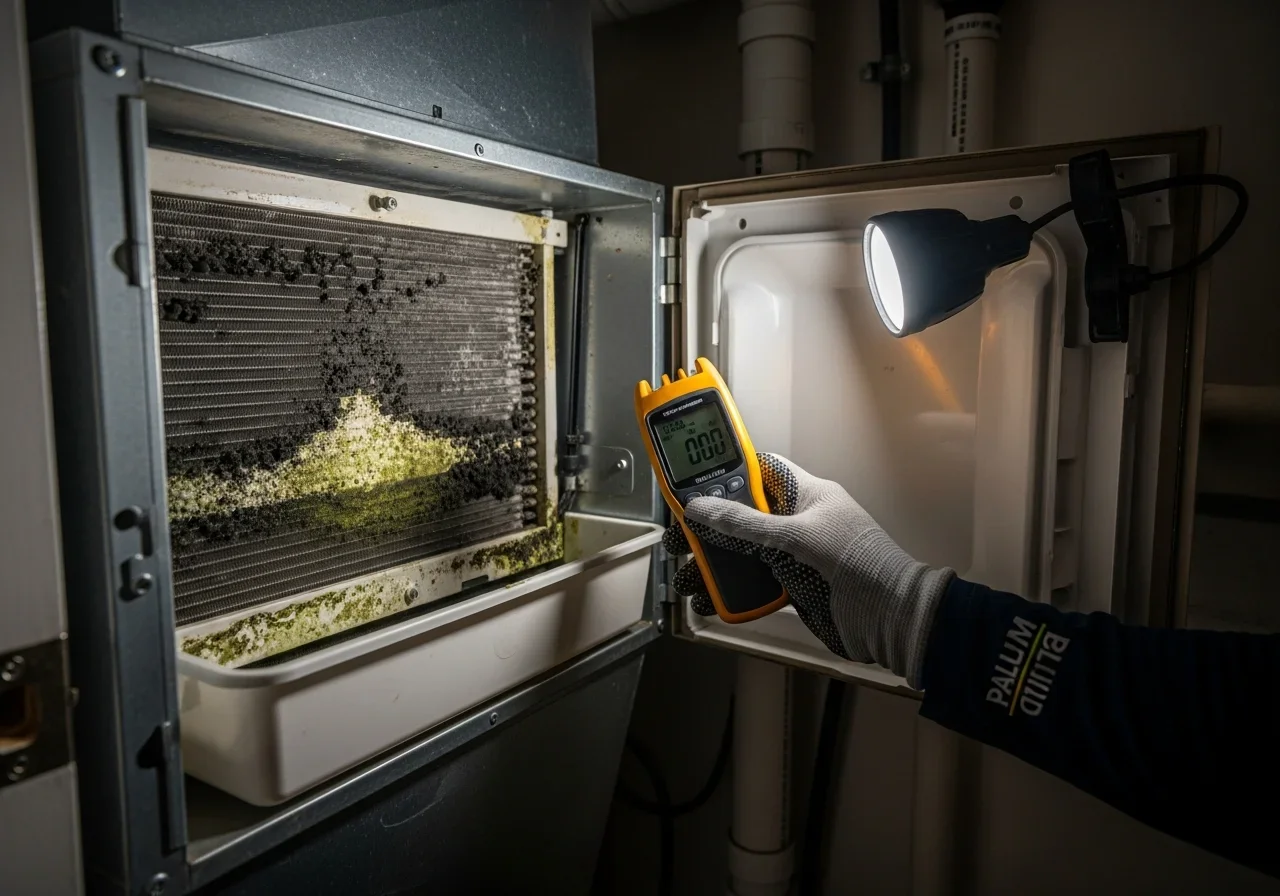
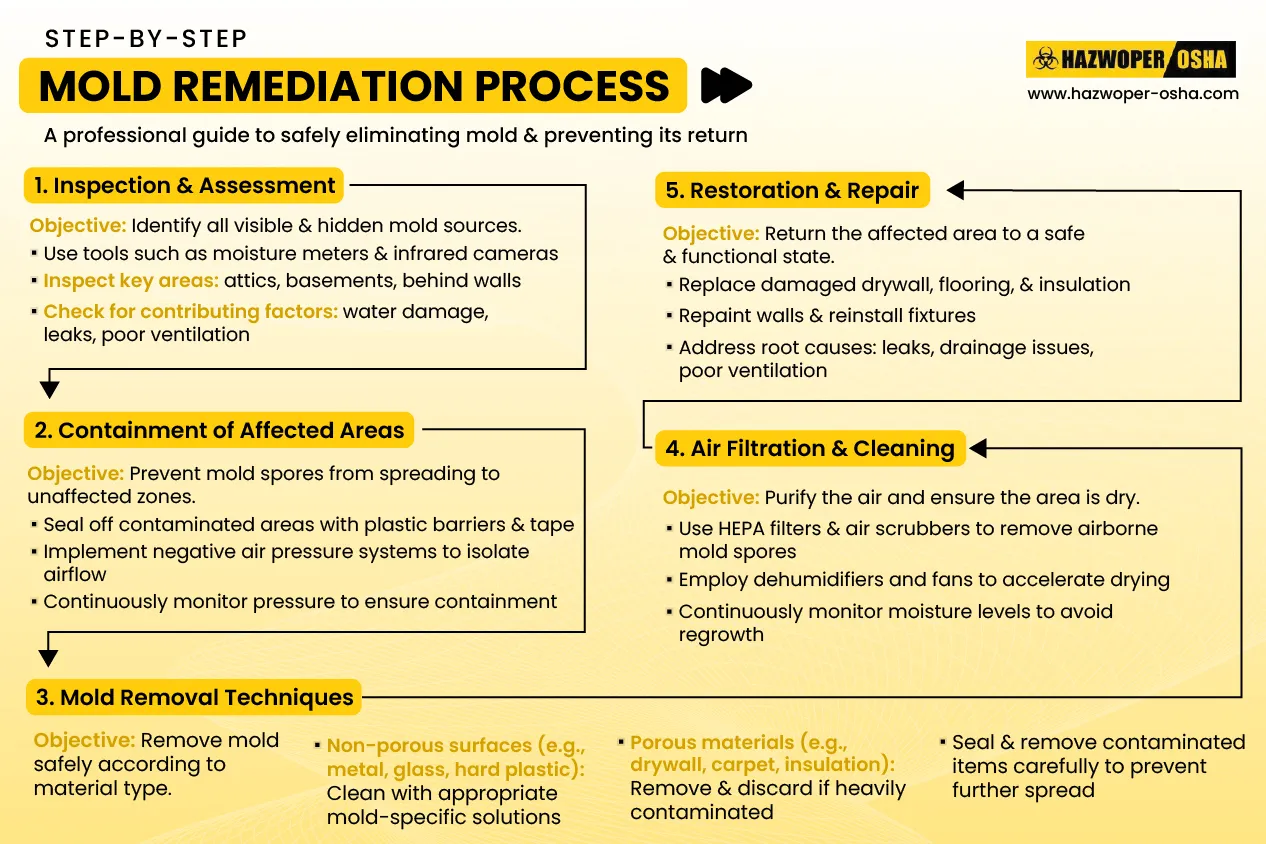
- Moisture Mapping: Using infrared thermography and moisture meters, technicians identify hidden water accumulation within building materials. This determines the "extent of loss"—the exact physical footprint of the mold contamination.
- Air Quality Sampling: By comparing indoor spore counts against outdoor baselines, specialists can determine if airborne contamination has reached levels that require specialized HEPA (High-Efficiency Particulate Air) filtration systems during the cleanup.
- Source Identification: Identifying why the mold is growing is critical. Whether the culprit is a leaking HVAC condensate line, a roof breach, or chronic high humidity due to poor ventilation, the source must be corrected; otherwise, the mold will return regardless of how thoroughly the area is cleaned.
The Remediation Action Plan
Once the assessment is complete, the remediation phase begins. This is governed by industry standards, such as those published by the Institute of Inspection, Cleaning and Restoration Certification (IICRC) in the S520 Standard for Professional Mold Remediation.
Containment and Protection
Before any removal begins, technicians establish containment. This prevents the cross-contamination of unaffected areas. In a residential setting, this often involves erecting physical barriers using 6-mil polyethylene plastic sheeting and creating negative air pressure zones. This ensures that when materials are removed, the resulting dust and spores are pulled through a HEPA-filtered air scrubber rather than drifting into your living spaces.
Removal and Decontamination
The physical removal process follows a strict protocol:
- Porous Material Disposal: Materials like saturated drywall, heavily contaminated carpeting, and water-damaged acoustic ceiling tiles are generally considered non-salvageable. These are carefully bagged and removed from the property.
- Cleaning and HEPA Vacuuming: Structural components that remain, such as wall studs or subflooring, are cleaned using specialized antimicrobial agents. HEPA vacuuming is employed to remove fine particulates that settle on surfaces after the bulk removal is complete.
- Encapsulation: In some instances, wood framing that has been cleaned is treated with an encapsulant—a specialized coating that seals the surface, providing an additional layer of protection against future moisture absorption and potential regrowth.
Comparative Analysis: DIY vs. Professional Intervention
While some property owners may attempt minor cleaning, the threshold for professional intervention is reached quickly, especially in the humid climate of Pinellas County.
| Feature | DIY Cleaning | Professional Remediation |
|---|---|---|
| Detection | Limited to visible surfaces | Infrared mapping of hidden moisture |
| Containment | Typically none | HEPA negative air pressure zones |
| PPE (Safety) | Standard household masks | Full-body suits and respirators (N95/P100) |
| Verification | Visual inspection | Post-remediation air testing |
| Moisture Source | Often ignored | Corrected as part of the project |
Verifying Successful Remediation
After the physical labor is finished, professional remediation is not complete until "clearance" is achieved. This is often performed by an independent third-party industrial hygienist. The hygienist conducts post-remediation verification (PRV), which involves re-testing the air quality and inspecting the work area to ensure it meets the established criteria for safety. Only after this verification should any reconstruction or finishing work begin.
Frequently Asked Questions
1. Does homeowners insurance cover mold remediation in Palm Harbor? Coverage depends entirely on your specific policy and the cause of the mold. If the mold resulted from a "covered peril" (like a sudden, accidental burst pipe), remediation may be covered. If the mold resulted from long-term neglect, high humidity, or flooding, standard policies often exclude it. Always review your policy documents or contact your agent before authorizing work.
2. How long does the remediation process typically take? For a small, localized issue, remediation might take 2 to 3 days. If the contamination is extensive—affecting multiple rooms or involving structural repairs—the process can take one to two weeks, including the time required for structural drying and post-remediation testing.
3. Is it safe to stay in the house during mold remediation? Usually, homeowners can stay in the property if the remediation is contained to a specific room or area. However, if the project is large-scale and requires extensive air filtration or if there are occupants with respiratory sensitivities, relocation during the active phase of work may be recommended.
4. Why is bleach not recommended for professional mold removal? Bleach is often ineffective on porous materials like drywall or wood because it cannot penetrate the surface to kill the mold roots (hyphae). Furthermore, the water content in bleach can actually feed the mold in the short term, and its high pH can cause rapid degradation of building materials. Professionals utilize specialized, EPA-registered antimicrobial fungicides that are specifically formulated for deep penetration and long-term inhibition of mold growth.
5. What is the difference between mold remediation and mold removal? "Removal" implies that every single spore has been eliminated, which is scientifically impossible given that mold is naturally present in the environment. "Remediation" is the professional process of reducing mold levels back to a normal, safe state (the baseline) and addressing the underlying moisture issues to prevent future colonization.
Moving Forward with Your Property
If you suspect mold growth, delay is your greatest liability. Mold colonies can expand significantly within 48 to 72 hours under the right conditions. Contact a certified professional for an initial assessment to define the scope of the problem. Ensure the company you select is IICRC-certified and maintains appropriate liability and environmental insurance coverage specific to mold remediation. By acting decisively and relying on professional verification, you can protect your property and health from the consequences of unresolved moisture issues.
Image Gallery