Median Net Worth by Age in California Explained
Understanding median net worth by age in California requires looking beyond national averages. Driven by high real estate values, tech sector compensation, and elevated living costs, California residents typically maintain higher media...
Understanding median net worth by age in California requires looking beyond national averages. Driven by high real estate values, tech sector compensation, and elevated living costs, California residents typically maintain higher median net worth figures across most age brackets than the U.S. national average. However, wealth distribution in the state is bifurcated, largely dependent on homeownership status and regional economics.
Contents
Disclaimer: This article provides general financial information and educational analysis. Net worth benchmarks serve as macro-level statistical indicators rather than personal financial recommendations. Consult a certified financial planner (CFP) or tax professional for individualized advice.
Defining Net Worth and the California Context
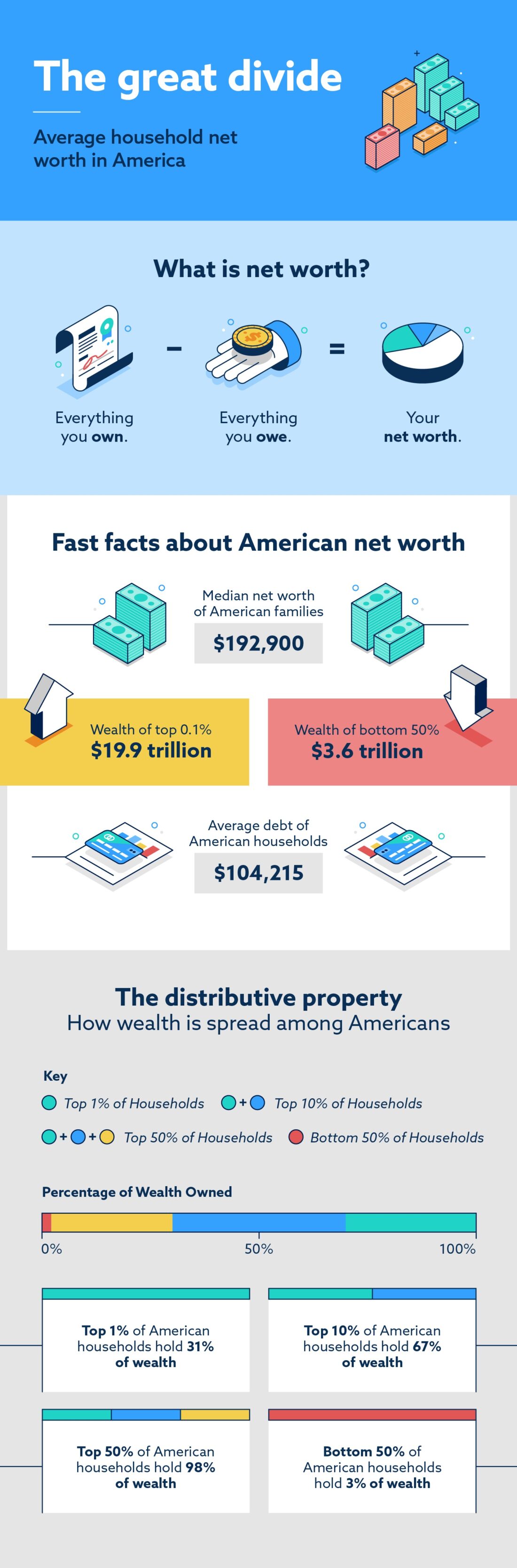
Net worth is a straightforward calculation: your total assets minus your total liabilities. Assets include bank accounts, investment portfolios, retirement balances, real estate equity, businesses, and valuable physical property. Liabilities include mortgage balances, auto loans, student debt, credit card balances, and personal loans.
Net Worth = Total Assets - Total Liabilities
While net worth is the primary measure of overall financial health, evaluating it in California introduces unique variables that set the state apart from the rest of the nation.
Why Median Is More Accurate Than Average
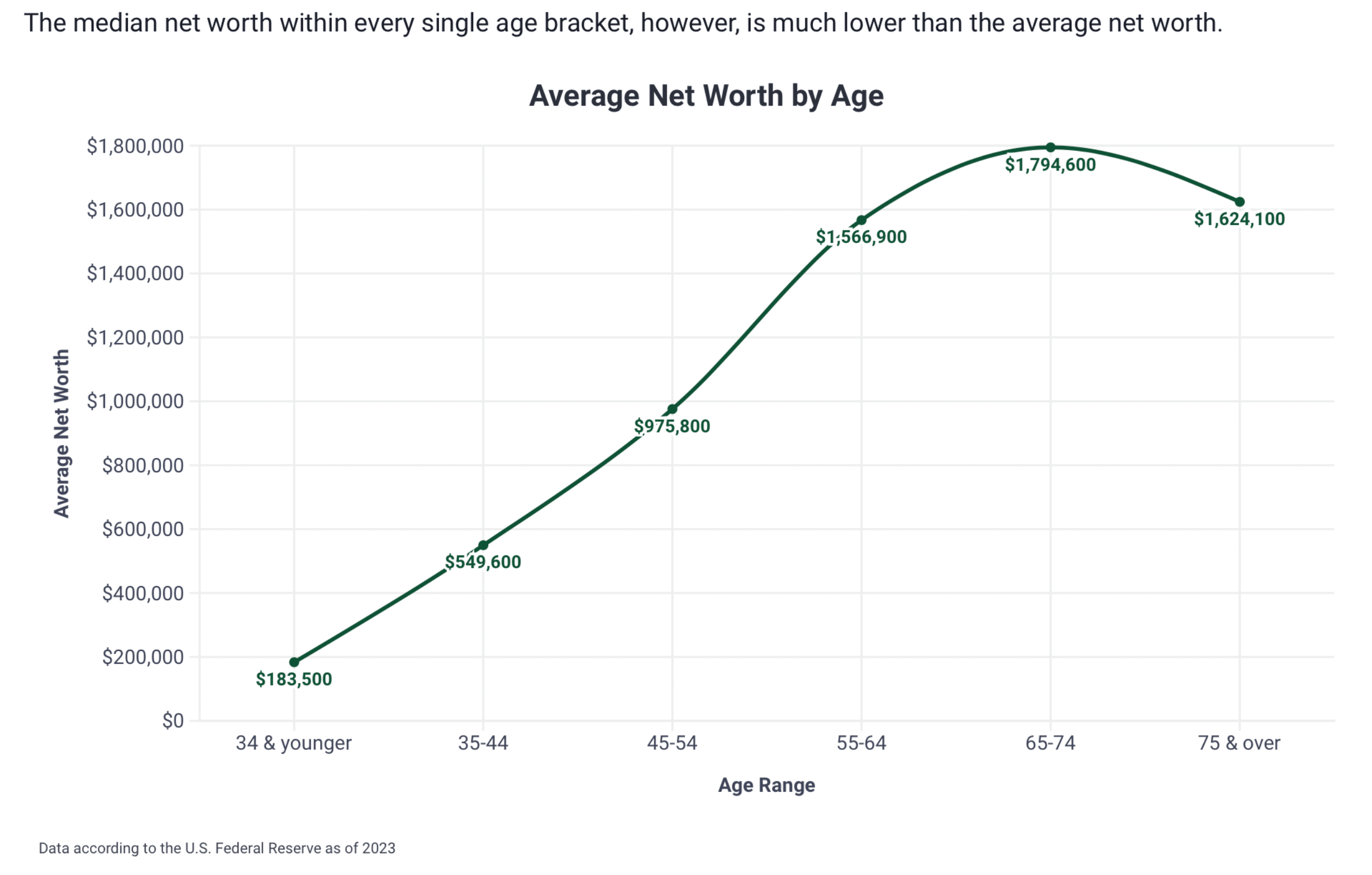
When analyzing wealth statistics, the median is a far more reliable benchmark than the mean (average). The average net worth in California is heavily skewed upward by the state’s high concentration of billionaires, tech executives, and ultra-high-net-worth individuals.
The median represents the exact middle point of the population: 50% of households fall above this number, and 50% fall below it. Using median data ensures that outliers do not distort the picture of what a typical Californian of a given age has accumulated.
The Impact of California’s High-Cost Economy
California’s economic climate creates a distinctive dual effect on net worth accumulation:
- High Earnings Potential: Tech hubs in Silicon Valley, entertainment in Los Angeles, biotech in San Diego, and professional services across urban centers push nominal wages higher than in most states.
- Elevated Asset Appreciation: Residential real estate in major California metropolitan areas historically appreciates at faster rates than national markets, serving as a primary wealth-building tool for homeowners.
- High Cost of Living and Taxes: High income taxes, elevated state sales taxes, expensive healthcare, and high rent costs mean younger residents often struggle to begin accumulating positive net worth early in their careers.
Median Net Worth by Age Group in California
While the Federal Reserve Survey of Consumer Finances provides comprehensive national net worth figures every three years, state-level microdata from the U.S. Census Bureau and independent policy institutes offer clearer insights into California's unique demographic wealth profile.
Below is a detailed examination of median net worth across primary age brackets in California, reflecting typical wealth development stages from early career through retirement.
Life Stage Wealth Progression in California:
- Under 35: Debt Reduction & Early Savings
- 35–44: Real Estate Entry & Career Acceleration
- 45–54: Peak Earning & Home Equity Growth
- 55–64: Pre-Retirement Consolidation
- 65+: Asset Preservation & Retirement Income
Under Age 35: The Early-Career Foundation
- Estimated California Median Net Worth: $45,000 – $60,000
- National Median Benchmark: ~$39,000
For Californians under 35, net worth accumulation is often tempered by high initial living costs, rental expenses in major urban areas, and student loan debt. Early-career professionals in non-tech or non-specialized industries frequently hover around a neutral net worth during their 20s.
However, young workers in California’s technology, finance, engineering, and healthcare sectors often benefit from higher starting salaries and initial stock grants (RSUs). For this demographic, rapid debt repayment and early entry into employer-matched 401(k) plans provide a boost that pulls the state's median net worth above the national standard for this age cohort.
Key characteristics of this age bracket in California include:
- Low Homeownership Rates: Very few Californians under 35 own residential property without family assistance, meaning liquid savings and retirement accounts make up the vast majority of their asset base.
- Student and Consumer Debt: High cost of living leads many young adults to carry credit card balances or defer student loan payments, keeping early net worth moderate.
Ages 35–44: The Wealth Acceleration Window
- Estimated California Median Net Worth: $180,000 – $230,000
- National Median Benchmark: ~$135,000
The 35–44 age range marks a significant inflection point for net worth in California. During this decade, career progression leads to higher base salaries, senior roles, and increased equity vesting.
This period also marks the traditional entry point into homeownership for those who can afford down payments in California's high-priced housing market. Buyers who secure real estate in mid-to-late 30s begin leveraging home equity, which rapidly increases their total net worth as market values appreciate.
- The Homeowner vs. Renter Divergence: In California, the wealth gap between renters and homeowners widens dramatically in this age bracket. Homeowners gain equity through mortgage principal paydown and property appreciation, while long-term renters must rely almost exclusively on investment accounts to keep pace.
- Peak Debt Accumulation: Mortgage balances reach their apex during this phase, meaning gross assets increase substantially, while liabilities also peak.
Ages 45–54: Peak Earning Years
- Estimated California Median Net Worth: $360,000 – $440,000
- National Median Benchmark: ~$247,000
Between ages 45 and 54, household incomes in California generally reach their peak. For mid-career professionals, compound interest in tax-advantaged retirement accounts (401ks, IRAs, state pensions like CalPERS or CalSTRS) begins to yield compound returns.
For property owners who purchased real estate 10 to 15 years prior, accumulated home equity often constitutes 50% or more of their total net worth.
- Children and Family Costs: College tuition expenses, childcare, and adolescent dependents can temporarily slow down liquid savings growth, but strong real estate gains and matured investment portfolios keep overall net worth expanding.
- Business Equity: Entrepreneurs and small business owners in California often see business valuations peak during these years, adding significant non-liquid asset values to personal balance sheets.
Ages 55–64: Pre-Retirement Consolidation
- Estimated California Median Net Worth: $580,000 – $700,000
- National Median Benchmark: ~$364,000
As retirement approaches, net worth growth shifts from aggressive accumulation to capital preservation and risk management. Households in this age group typically benefit from low mortgage principal balances, substantial retirement account compounding, and high levels of home equity built up over several housing cycles.
In high-cost coastal markets like the San Francisco Bay Area, Los Angeles Westside, and Orange County, median net worth for homeowners in this bracket frequently exceeds $1 million, largely driven by real estate. However, state-wide median numbers remain tempered by non-homeowning households and interior regions with lower property values.
- Catch-Up Contributions: Many workers maximize catch-up contributions to employer retirement plans and Roth IRAs to prepare for post-career income needs.
- Debt Payoff: Focus turns heavily toward eliminating primary residence debt and outstanding consumer liabilities before exiting the workforce.
Ages 65 and Older: Retirement and Estate Transition
- Estimated California Median Net Worth (65–74): $650,000 – $780,000
- Estimated California Median Net Worth (75+): $520,000 – $640,000
- National Median Benchmark (65–74): ~$410,000
Net worth typically peaks between ages 65 and 74 before declining slowly as retirees draw down portfolio assets to fund living expenses.
In California, proposition tax protections (such as Proposition 13) incentivize long-time homeowners to remain in their homes, locking in historically low property tax bases. This dynamic keeps high levels of real estate equity tied up on balance sheets well into advanced age.
- De-accumulation Phase: Post-75 net worth trends downward as medical expenditures increase, mandatory minimum distributions (RMDs) require portfolio drawdowns, and estate planning transfers assets to heirs or trusts.
- Prop 19 Real Estate Mobility: Recent updates to California tax law (Proposition 19) allow seniors over 55 to transfer their primary residence tax base to a replacement home anywhere in California, encouraging downsizing without incurring tax penalties.
California vs. National Net Worth Comparison
The table below contrasts estimated median net worth benchmarks by age group in California against overall U.S. national estimates based on data compiled from federal surveys and regional economic research by organizations such as the Public Policy Institute of California.
| Age Bracket | National Median Net Worth | Estimated California Median Net Worth | Key Net Worth Driver in California |
|---|---|---|---|
| Under 35 | ~$39,000 | $45,000 – $60,000 | Tech/Professional Salaries, Stock Compensation |
| 35 – 44 | ~$135,000 | $180,000 – $230,000 | Home Ownership Entry, Career Growth |
| 45 – 54 | ~$247,000 | $360,000 – $440,000 | Accelerated Equity Gains, Peak Earnings |
| 55 – 64 | ~$364,000 | $580,000 – $700,000 | Compounded Investments, Reduced Mortgage Debt |
| 65 – 74 | ~$410,000 | $650,000 – $780,000 | Long-Term Real Estate Equity, Pensions |
| 75+ | ~$335,000 | $520,000 – $640,000 | Real Estate Preservation, Estate Trusts |
Factors Driving California’s Net Worth Disparities
While California reports higher aggregate median net worth figures than most states, wealth is far from uniform across the population. Three primary structural factors drive regional and individual disparities:
1. Real Estate Equity vs. Rental Status
Homeownership is the dominant vehicle for net worth creation in California. According to state economic data, California homeowners possess a median net worth that is roughly 30 to 40 times higher than that of long-term renters.
Because California’s overall homeownership rate (around 55%) sits well below the national average (around 65%), the state experiences a deep economic split:
- Homeowners absorb massive long-term wealth growth via real estate appreciation.
- Renters pay high monthly housing costs, which reduces their discretionary income available for investing in public equity markets or emergency reserves.
2. Geographic and Regional Economics
Net worth figures vary widely depending on the region within California:
Coastal Urban Hubs (Bay Area, LA, Orange County, San Diego)
- Higher Median Income & Asset Values
- Higher Debt Load & Housing Entry Barriers
Inland Regions (Central Valley, Inland Empire, Northern Rural)
- Lower Housing Entry Costs
- Lower Overall Asset Valuation & Wage Ceilings
San Francisco Bay Area: Home to the highest median net worth figures in the state, powered by concentrated technology equity, corporate stock options, and expensive housing markets.
Southern California Coast (LA, Orange County, San Diego): Strong median net worth driven by diversified corporate sectors, entertainment, biotech, and premium residential real estate.
Central Valley and Inland Empire: Median net worth trends closer to or slightly below national averages, reflecting lower real estate prices and different regional employment bases.
3. High Personal Income Tax Environment
California maintains the highest top marginal state personal income tax rate in the nation. High earners must navigate substantial federal and state tax burdens, making tax-efficient investing strategies (such as tax-deferred accounts, municipal bonds, and real estate tax shelters) essential for growing net worth over time.
How to Calculate and Track Your Net Worth in California
Calculating your net worth accurately requires cataloging all financial positions at fair market value:
Calculate Assets:
- Liquid Funds: Checking, savings, high-yield money market accounts.
- Investment Accounts: Taxable brokerage accounts, crypto, mutual funds.
- Retirement Accounts: 401(k), 403(b), Traditional/Roth IRAs, pension cash values.
- Real Estate: Current estimated market value of primary residence and investment properties.
- Personal Assets: Estimated market value of vehicles, business equity, and valuable physical holdings.
Calculate Liabilities:
- Mortgages: Remaining principal balances on primary and secondary properties.
- Consumer Loans: Auto loans, personal lines of credit, solar equipment leases.
- Student Debt: Federal and private educational loan balances.
- Revolving Debt: Outstanding credit card balances.
Subtract Liabilities from Assets:
$$\text{Net Worth} = \text{Total Assets} - \text{Total Liabilities}$$
Track this calculation annually or bi-annually. Tracking net worth over time offers a clearer gauge of financial momentum than simply monitoring monthly income.
Actionable Strategies to Build Net Worth in California
Building and protecting net worth in a high-cost environment like California requires clear financial management tailored to the state's economic conditions:
Prioritize Tax-Advantaged Accounts
Because of California's high state income tax rates, maximizing pre-tax contributions to employer 401(k) or 403(b) accounts provides an immediate tax reduction while accelerating growth. California residents should also fully fund Health Savings Accounts (HSAs) and IRAs where eligible.
Diversify Outside of Local Real Estate
For homeowners whose primary residence accounts for 70% or more of their net worth, diversification is critical. Investing systematically in low-cost index funds or broad-market ETFs helps prevent over-exposure to local housing market downturns.
Protect Assets with Trusts and Umbrella Insurance
California is a litigious state with expensive real estate assets. Relying solely on a simple will is often insufficient for property owners. Setting up a Revocable Living Trust avoids costly California probate fees and ensures smooth asset transfers to heirs. Additionally, holding $1 million to $5 million in umbrella liability insurance protects accumulated wealth against personal injury claims or lawsuits.
Manage High-Interest Debt First
With high interest rates on credit cards and personal loans, paying down high-cost non-deductible debt yields a guaranteed return equal to the interest rate avoided, immediately boosting your net balance sheet.
Frequently Asked Questions
What is considered a "good" net worth in California?
A "good" net worth depends on your age, lifestyle, and housing status. However, having a net worth at or above the median for your age group in California—typically 20% to 35% higher than national figures—indicates strong financial footing relative to local living costs.
Does California tax your overall net worth?
No, California does not currently levy a direct wealth tax on total personal net worth. The state taxes income, capital gains, corporate profits, sales, and local real estate (property tax). While wealth tax proposals have been introduced in the state legislature, none have been enacted into law.
Why is median net worth higher in California than in other states?
California’s higher median net worth is primarily driven by high residential real estate appreciation over decades, alongside higher average wages in key industries like technology, finance, aerospace, and entertainment.
How does home equity affect net worth calculations in California?
Home equity (market value minus remaining mortgage debt) is included in total net worth calculations. In California, home equity often accounts for the largest portion of a household’s total net worth, particularly for residents over age 45.
Should I count my California home value in my net worth for retirement planning?
While home equity counts toward overall net worth, financial planners usually separate liquid net worth (investments and savings) from illiquid net worth (primary home equity) when calculating retirement income. Home equity does not yield income unless you downsize, relocate, execute a reverse mortgage, or borrow against it.
Practical Next Steps
To evaluate and build your net worth effectively in California, take these practical steps:
- Perform an Annual Net Worth Audit: List all assets and liabilities on a simple spreadsheet to establish your current balance sheet baseline.
- Optimize Housing Equity: If home equity represents almost all of your wealth, consider increasing liquidity by routing future surplus income into liquid brokerage accounts or retirement plans.
- Establish an Estate Plan: If you own real property in California, consult an estate planning attorney to establish a revocable living trust to avoid California's costly probate process.
- Review Tax Strategies: Work with a Certified Public Accountant (CPA) familiar with California tax code to minimize state tax exposure through tax-loss harvesting, qualified retirement contributions, and municipal bonds.
Image Gallery