Comprehensive Guide to the Ohio Chemical Explosion: East Palestine’s Impact and 2026 Status
The 2023 chemical explosion and derailment in East Palestine, Ohio, remains one of the most significant industrial accidents in recent U.S. history. As of 2026, remediation efforts have transitioned from active cleanup to long-term env...
The 2023 chemical explosion and derailment in East Palestine, Ohio, remains one of the most significant industrial accidents in recent U.S. history. As of 2026, remediation efforts have transitioned from active cleanup to long-term environmental monitoring, while legal settlements and federal safety reforms continue to shape the recovery of the affected Appalachian community.
Contents
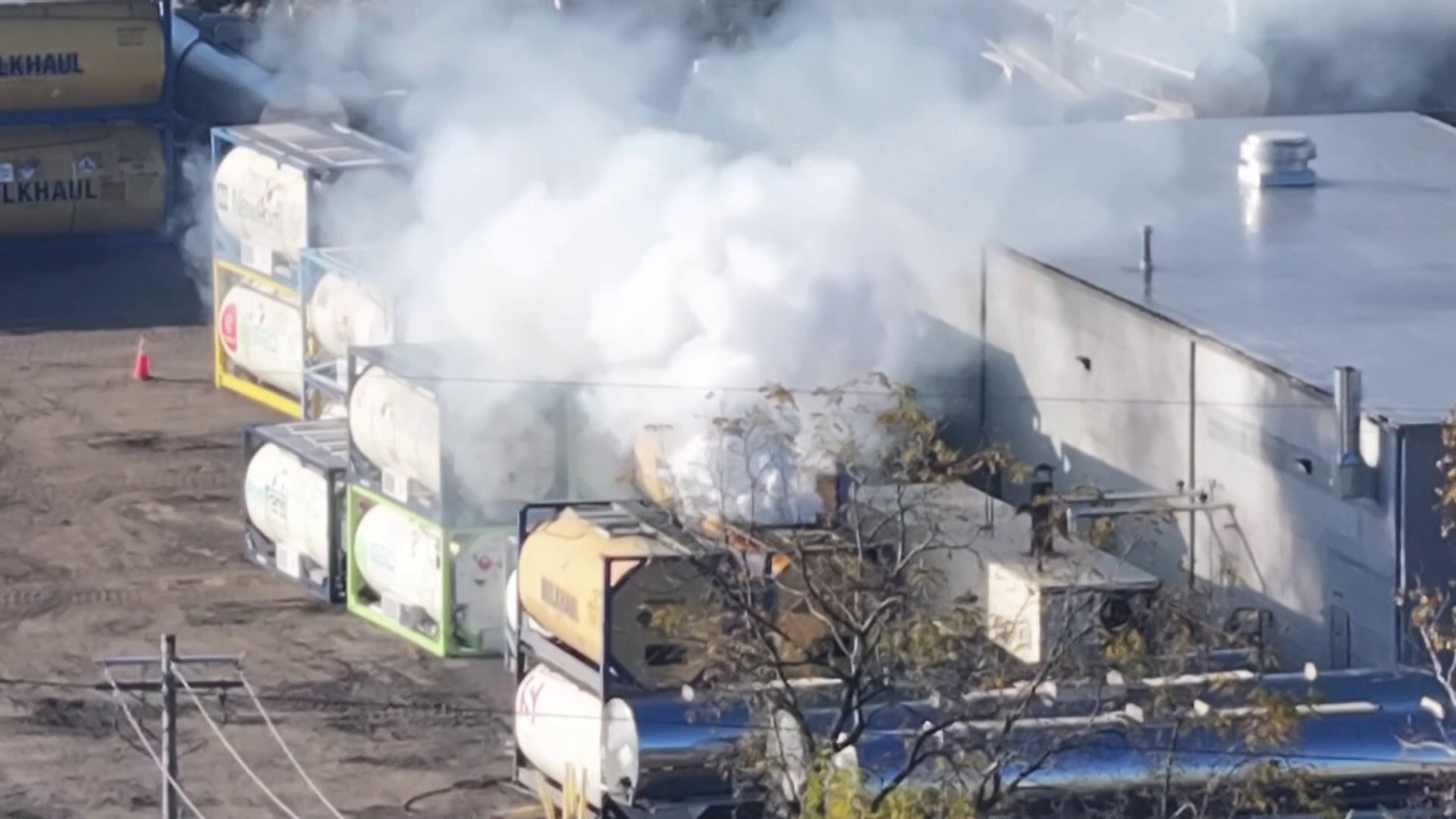
On February 3, 2023, a Norfolk Southern freight train carrying hazardous materials derailed in East Palestine, Ohio, leading to a massive fire and a subsequent "vent and burn" of vinyl chloride. This decision, intended to prevent a catastrophic tank failure, resulted in a high-profile chemical explosion that sent a plume of toxic black smoke across the region. Since then, the event has triggered extensive federal oversight, a landmark $600 million class-action settlement, and a fundamental shift in how the United States approaches railway safety and hazardous material transport.
The Event: Timeline and the "Vent and Burn" Decision
The incident began when an overheated wheel bearing on car 23 caused 38 cars of a 151-car train to leave the tracks. Among the derailed cars, 11 were carrying hazardous materials. Within days, the heat within several tank cars carrying vinyl chloride began to rise, leading officials to fear a "boiling liquid expanding vapor explosion" (BLEVE), which could have sent shrapnel for miles.
To mitigate this risk, officials authorized a controlled release and burn of the chemicals on February 6, 2023. While this prevented a physical explosion of the tanks, it caused the primary "chemical explosion" and smoke plume that most residents and observers remember. In June 2024, the National Transportation Safety Board (NTSB) concluded that the vent and burn was likely unnecessary, as the temperature in the cars had stabilized, but poor communication from contractors led local decision-makers to believe a catastrophic failure was imminent.
Chemical Profiles: What Was Released?
Understanding the impact of the Ohio chemical explosion requires a detailed look at the substances involved. The primary concern was vinyl chloride, a colorless gas used to make PVC plastic and a known human carcinogen. However, several other toxic substances were released into the soil, air, and nearby waterways like Leslie Run and Sulphur Run.
- Vinyl Chloride: Highly flammable and linked to hepatic angiosarcoma (a rare liver cancer).
- Butyl Acrylate: A liquid used in plastics and resins; it causes irritation to the skin, eyes, and upper respiratory tract.
- Isobutylene: A flammable gas that can cause dizziness and drowsiness when inhaled.
- Ethylhexyl Acrylate: Used in paint and adhesives; a potential carcinogen and respiratory irritant.
By 2026, air quality monitoring has largely returned to baseline levels, but the persistent concern remains focused on "forever chemicals" and the breakdown products of these initial substances that may have leached into deep soil layers.
Environmental Remediation Status in 2026
As of 2026, the Environmental Protection Agency (EPA) has shifted its focus from the immediate removal of contaminated soil to long-term ground and surface water monitoring. The massive operation to excavate over 175,000 tons of hazardous soil and pump out millions of gallons of liquid waste was largely completed by late 2024.
Soil and Groundwater Recovery
The EPA’s 2026 guidelines for East Palestine require Norfolk Southern to maintain a network of sentinel wells. These wells act as an early warning system to detect if any residual chemicals are migrating toward the municipal water source. Current data indicates that the deep aquifer remains protected, though localized monitoring of private wells in the immediate vicinity of the derailment site continues.
Waterway Restoration
The restoration of Sulphur Run and Leslie Run has seen significant progress. In 2026, biological assessments show the return of macroinvertebrates and fish populations that were decimated in the initial days following the chemical spill. However, occasional "sheening" events—where sediments release small amounts of residual oils or chemicals when disturbed—are still managed through localized aeration and carbon filtration systems.
Legal Settlements and Financial Compensation
The legal landscape following the Ohio chemical explosion was complex, involving thousands of plaintiffs and multiple government agencies. By 2026, the primary financial mechanisms for recovery have been established and largely distributed.
| Compensation Component | Amount / Status | Beneficiaries |
|---|---|---|
| Class-Action Settlement | $600 Million (2024) | Residents and businesses within 20 miles. |
| EPA Settlement (Consent Decree) | $310 Million + Cleanup Costs | Federal government and environmental funds. |
| Community Assistance Fund | $25 Million+ | Local infrastructure and health programs. |
| Home Value Assurance | Ongoing in 2026 | Homeowners within the affected zone. |
| Health Monitoring Fund | $20 Million (20-year term) | Long-term resident health tracking. |
The $600 million class-action settlement, which received final court approval in late 2024, was designed to cover property damage, business losses, and personal injury. In 2026, many residents continue to debate whether these one-time payments are sufficient to cover potential long-term health complications that may not manifest for decades.
Long-Term Health Monitoring and Studies
A major concern for the East Palestine community in 2026 is the potential for chronic health issues. The Centers for Disease Control and Prevention (CDC) and the Agency for Toxic Substances and Disease Registry (ATSDR) have established a long-term health registry.
Residents who were within the evacuation zone during the chemical explosion are encouraged to participate in biennial health screenings. Researchers are specifically looking for biomarkers of exposure to dioxins—toxic chemical compounds that can be produced when vinyl chloride is burned. While initial EPA testing suggested that dioxin levels in the soil were within "background" levels for industrial areas, independent researchers continue to monitor local populations for respiratory issues and liver function abnormalities.
Regulatory Impact: The Railway Safety Act
The Ohio chemical explosion served as a catalyst for federal legislative efforts. By 2026, many provisions of the Railway Safety Act have been integrated into Department of Transportation (DOT) regulations. These include:
- Enhanced Tank Car Standards: A faster phase-out of older, non-pressurized DOT-111 tank cars when transporting flammable liquids.
- Defect Detector Requirements: Mandatory installation and standardized spacing of "hot box" detectors (wayside sensors) to identify overheating bearings before they cause a derailment.
- Advanced Notification: Requirements for rail carriers to provide state emergency response commissions with real-time data regarding the transport of hazardous materials through their jurisdictions.
- Staffing Mandates: Two-person crew requirements for most Class I freight railroads to ensure adequate oversight and response capabilities during transit.
Frequently Asked Questions (FAQ)
1. Is the water in East Palestine safe to drink in 2026?
Yes, the municipal water supply in East Palestine is tested regularly and consistently meets or exceeds all federal and state drinking water standards. The municipal wells draw from a deep aquifer that is geographically and geologically separated from the shallow surface contamination caused by the derailment. Private wells in the immediate vicinity are still subject to a voluntary monitoring program to ensure no chemical migration has occurred.
2. What were the main chemicals involved in the Ohio explosion?
The most significant chemical was vinyl chloride, a gas used to produce PVC. Other hazardous materials included butyl acrylate, ethylhexyl acrylate, isobutylene, and benzene residue. The "explosion" seen in news footage was primarily the result of a controlled burn of these chemicals to prevent a random, unmanaged explosion of the tank cars.
3. How much did Norfolk Southern pay for the cleanup?
By 2026, the total cost for Norfolk Southern has exceeded $1.1 billion. This includes over $800 million in cleanup and environmental remediation expenses, the $600 million class-action settlement (a portion of which was covered by insurance), and various fines and community grants mandated by the EPA and the Department of Justice.
4. Are there still health risks for residents near the site?
While active exposure to toxic plumes ended in February 2023, the long-term risks are still being studied. The primary concern in 2026 is the potential for low-level, chronic exposure or the long-latency effects of the initial acute exposure. Residents are advised to participate in the official health registry to ensure any changes in their health status are documented and linked to the event if necessary.
5. Was the "vent and burn" actually necessary?
The 2024 NTSB final report concluded that the vent and burn was not scientifically necessary because the temperature of the vinyl chloride cars had actually begun to stabilize. However, the decision was made by local and state officials based on incomplete and overly pessimistic information provided by contractors, who suggested a "catastrophic failure" was imminent within minutes.
Moving Forward: Next Actions for Affected Parties
For residents and property owners still navigating the aftermath of the Ohio chemical explosion in 2026, several resources remain active. If you are a resident within the 20-mile radius, ensure your contact information is updated with the East Palestine Settlement Administrator to receive any residual disbursements or updates regarding the Health Monitoring Fund.
Furthermore, property owners should keep detailed records of any "Home Value Assurance" claims if they choose to sell their property. This program, funded by the railroad, is designed to compensate homeowners for any diminished property value directly attributable to the derailment. Finally, continue to follow the EPA's East Palestine portal for the latest groundwater monitoring reports, which are published quarterly to ensure transparency and public safety.
Image Gallery