How TV Remotes Became Common: The Invention, Tech Evolution, and Cable Boom
Television remote controls became common household devices through a combination of key technical innovations and the rapid expansion of cable television in the 1980s. Originally introduced as luxury mechanical accessories in the 1950s...
Television remote controls became common household devices through a combination of key technical innovations and the rapid expansion of cable television in the 1980s. Originally introduced as luxury mechanical accessories in the 1950s, remotes transitioned from ultrasonic mechanical chimes to solid-state infrared (IR) emitters. As channel offerings expanded from a few broadcast networks to dozens of cable channels, manufacturers made remote controls standard bundled hardware rather than optional accessories.
Contents
Early Beginnings: From Wired Controls to Ultrasonic Chimes (1950–1970s)
The push to control television sets from across the room began in the early post-World War II period as consumer television adoption surged. The earliest commercial attempt arrived in 1950 with the Zenith Lazy Bones. This system used a thick, flexible cable connecting the receiver set directly to a hand-held push-button switch. Pressing the button activated an electric motor built inside the television cabinet, physically turning the mechanical tuner dial to the next channel. While effective, the trailing cable created a severe tripping hazard and frequently caused damage to television sets when pulled, limiting its adoption.
- Zenith Lazy Bones (1950)
- Connected via Wired Cord (Tripping Hazard / Motor)
- Television Set (Mechanical Motor)
To eliminate the cable, Zenith engineer Eugene Polley developed the Flash-Matic in 1955. The Flash-Matic operated wirelessly by emitting a directional beam of visible light from a handheld unit resembling a flashlight. Photoelectric cells were installed in the four corners of the TV cabinet, each dedicated to a specific function:
- Top-left: Channel down
- Top-right: Channel up
- Bottom-left: Power off/on
- Bottom-right: Audio mute
While revolutionary, the Flash-Matic suffered from severe environmental interference. Bright sunlight entering a window or indoor lamps could hit the corner sensors, randomly changing channels, turning off the television set, or muting the sound.
- Zenith Flash-Matic (1955)
- Emits Visible Light Beam (Interfered by Sunlight)
- Photoelectric Sensors (4 Cabinet Corners)
Recognizing the flaws of visible light, Dr. Robert Adler designed the Zenith Space Command in 1956, introducing high-frequency mechanical acoustics to home electronics. The Space Command required no internal batteries in the handheld transmitter unit. Instead, pressing a button released a spring-loaded mechanical hammer that struck an internal aluminum rod, causing it to vibrate and emit an ultrasonic tone above the threshold of human hearing (typically between 30 kHz and 45 kHz).
Inside the TV set, a vacuum-tube receiver tuned to those specific frequencies intercepted the sound waves and triggered the corresponding relays to change channels or adjust volume. Because the device made a distinct mechanical metallic thud upon every button press, consumers began calling the remote "the clicker"—a nickname that survived long after the technology changed. Ultrasonic remotes remained the dominant wireless technology for more than two decades, though they were occasionally triggered by jingling keys, clanking metal objects, or high-pitched animal noises.
The Infrared Shift and Microprocessors (Late 1970s–1980s)
By the late 1970s, the limitations of ultrasonic remote controls prompted a major technological shift. Ultrasonic signals had low data bandwidth, allowing only three or four discrete commands (such as Channel Up, Channel Down, Mute, and Power). They were incapable of supporting numerical keypads, complex setup menus, or fine-grained color and tint controls. Furthermore, high-frequency sound waves reflected unpredictably off hard walls, creating dead zones or unintended operations in larger living rooms.
The breakthrough came with the development of infrared (IR) light technology and low-cost solid-state microprocessors. In 1977, European manufacturer ITT introduced the first semiconductor-based infrared remote control system. Instead of sound waves, IR remotes used a light-emitting diode (LED) to emit pulses of invisible light in the near-infrared spectrum (typically around 940 nanometers wavelength).
- Remote Control Microprocessor
- 940nm Infrared LED Pulses
- Binary Packet Transmission
- Photodiode Receiver on TV
- Main Board Microcontroller
Infrared transmission relies on digital pulse-distance or pulse-width modulation to send data. When a user presses a button:
- An internal low-power integrated circuit converts the button input into a unique binary command code.
- The microprocessor modulates a carrier frequency (typically 38 kHz) to flash the IR LED on and off in rapid sequences representing binary 1s and 0s.
- A silicon photodiode receiver mounted behind an IR-transparent lens on the front of the television detects these light pulses.
- The receiver filters out ambient household light and decodes the digital packet to execute the command.
Infrared technology solved the signal bandwidth problem overnight. Instead of being limited to four basic commands, a single IR transmitter could emit thousands of unique binary codes. This enabled key features that redefined how consumers interacted with television sets:
- Direct-access numeric keypads (keys 0 through 9)
- On-screen display (OSD) navigation menus
- Dedicated volume adjustment bars
- Separate input selections and audio mute functions
Because silicon microcontrollers and IR LEDs were inexpensive to mass-produce, the unit manufacturing cost of remote controls dropped significantly, setting the stage for their universal adoption.
The Cable Television Boom: Why Remotes Shifted from Luxury to Necessity
While infrared technology made remotes capable and affordable, the rapid expansion of cable television in the late 1970s and 1980s turned them into a standard appliance in every home.
For the first thirty years of commercial television, broadcast signals were limited by regional spectrum availability. Most households received between three and seven major VHF channels (Channels 2 through 13) along with a handful of weak UHF stations (Channels 14 through 83). Changing channels meant standing up and turning a heavy mechanical detent switch on the front panel of the cabinet. Because viewers rarely changed channels once a program started, manual control was sufficient for most households.
- Broadcast Era (1950s–1970s)
- Direct Over-the-Air Signals
- 3–7 Local Channels
- Manual Knob Turning
- Cable Explosion (1980s)
- Coaxial Cable Distribution
- 30–100+ Channels
- Remote Control Required
During the 1980s, coaxial cable infrastructure swept across North America and Europe, bringing dozens of new specialized networks—such as HBO, MTV, CNN, ESPN, and Nickelodeon—directly into living rooms. The structural shift from a few local stations to 30, 50, or over 100 channels altered viewer behavior:
- Impracticality of Mechanical Tuners: Rotating a physical dial through 50 channels to find a program wore out tuner components rapidly and was slow and inconvenient.
- Introduction of Set-Top Cable Boxes: Older television tuners could not decode the higher-frequency cable bands directly. Cable operators solved this by deploying set-top converter boxes. These converter boxes featured built-in electronic tuners and included IR remote controls as mandatory accessories so viewers could navigate dozens of channels from their couch.
- Channel Surfing as a Cultural Phenomenon: Fast IR switching coupled with expanded programming allowed viewers to scan through channels rapidly during commercial breaks, a habit that fundamentally changed television programming strategies and advertising models.
By the end of the 1980s, television manufacturers stopped selling mid-range and high-end sets with physical tuner dials. Electronic tuners controlled exclusively via microprocessors became standard, rendering remote controls an integral component of every sold television rather than a high-end luxury add-on.
The Rise of Universal Remotes and Smart Control (1980s–Present)
As television setups expanded to include additional consumer electronics—such as Videocassette Recorders (VCRs), LaserDisc players, satellite receivers, audio receivers, and cable set-top boxes—living rooms became cluttered with multiple incompatible remote controls. Each manufacturer programmed their IR hardware with proprietary transmission protocols, carrier frequencies, and binary code sets.
- Multiple Single-Device Remotes (TV Remote, VCR Remote, Cable Remote)
- Fragmented User Experience
- Universal Remote Control (Multi-Code EEPROM Memory Database)
In 1985, Steve Wozniak founded CL 9 and invented the CORE Universal Remote Control, the first programmable unit designed to consolidate multiple devices into a single controller. In 1987, commercial universal remotes like the RCA SystemLink reached mass markets. Universal remotes used internal pre-programmed Read-Only Memory (ROM) databases or non-volatile EEPROM chips capable of learning IR optical signals from original remotes.
| Era | Primary Remote Technology | Carrier Medium | Power Requirements | Key Characteristics & Limitations |
|---|---|---|---|---|
| 1950 | Mechanical Cord | Electrical Wire | Powered by TV Unit | Physical tether; severe tripping hazard; susceptible to mechanical wear. |
| 1955 | Visible Light Emitter | Visible Light | Handheld Battery | Affected by ambient lamp light and sunlight; 4-corner photo sensors. |
| 1956–1970s | Ultrasonic Acoustic | High-Frequency Sound (30–45 kHz) | None (Mechanical Hammers) | Distinct click sound; susceptible to high-pitched noise interference; low data throughput. |
| 1980s–2000s | Infrared (IR) Modulation | Invisible Light (940 nm) | AAA / AA Batteries | High reliability; digital binary keycodes; direct line-of-sight required. |
| 2010s–2026 | RF / Bluetooth Smart / Wi-Fi | 2.4 GHz Radio Frequencies | Rechargeable Li-ion / Alkaline / Solar | Non-line-of-sight operation; voice command capabilities; high data bandwidth. |
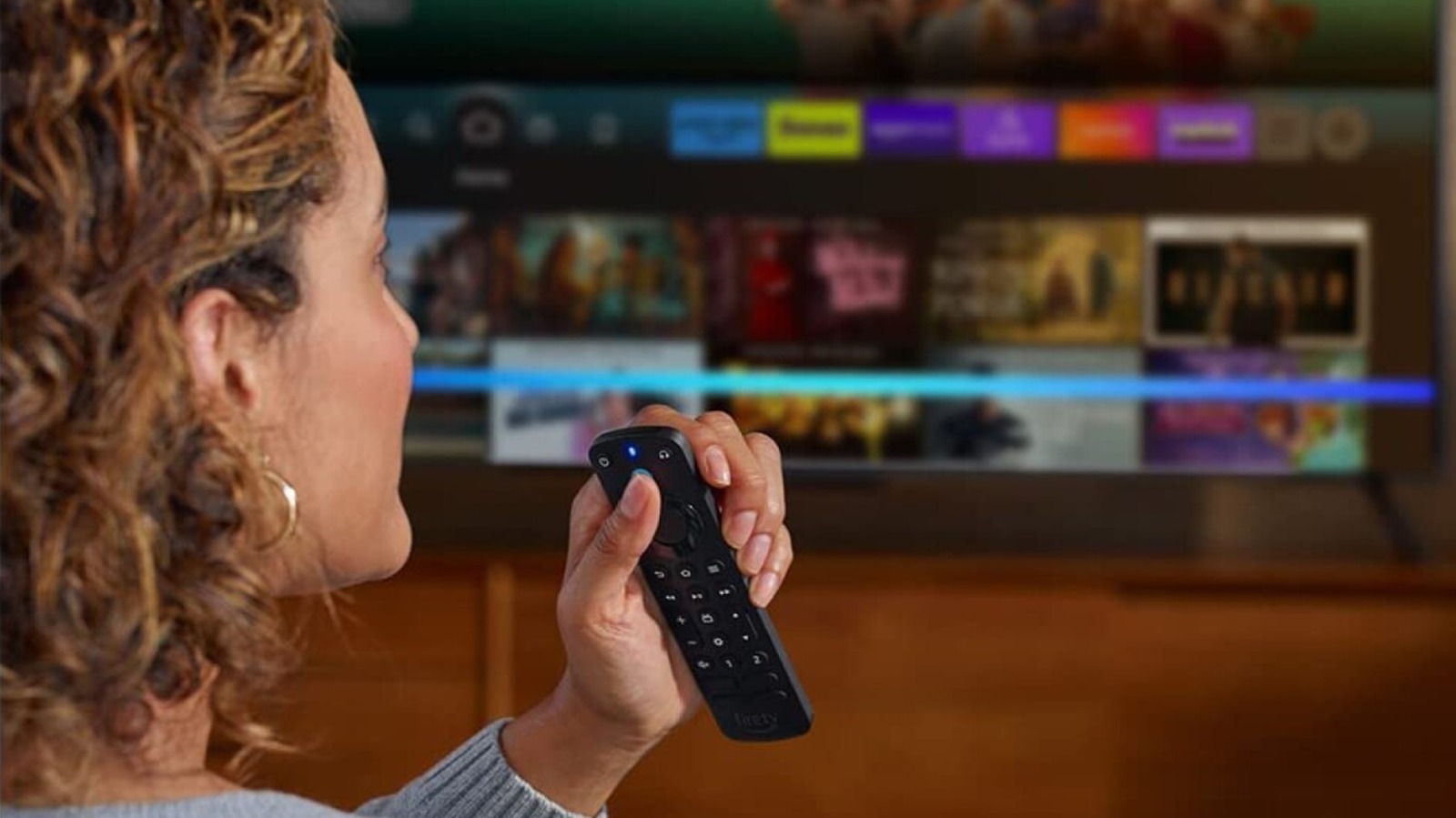
As television hardware evolved into connected Smart TVs over the last two decades, traditional line-of-sight infrared has been increasingly supplemented or replaced by Radio Frequency (RF), Bluetooth Low Energy (BLE), and Wi-Fi interfaces. Modern remote control systems incorporate built-in microphones for natural language processing, capacitive touchpads, gyroscope-assisted air-mouse pointers, and solar charging panels. However, despite these advancements, basic IR backup circuits remain integrated into most consumer displays to guarantee basic power and input commands work out of the box.
Common Technical Issues and Modern Troubleshooting
While remote controls are exceptionally reliable modern appliances, performance degradation still occurs due to environmental factors, mechanical wear, or signal interference.
Line-of-Sight and Optical Degradation (IR Systems)
Because infrared remotes rely on light waves at 940 nm, physical obstacles between the remote LED and the TV photodiode block signal transmission. Accumulated dust or dirt on either optical lens attenuates the signal strength, reducing operational range.
- Troubleshooting Step: Clean the transmitter window on the remote control and the optical sensor area on the TV frame using a soft micro-fiber cloth slightly dampened with isopropyl alcohol.
- Digital Camera Sensor
- Inspect Front LED
- Visible Purple Glow (Working IR LED)
- Verification via Camera: Human eyes cannot detect 940 nm infrared light, but electronic camera sensors (such as smartphone front cameras without aggressive IR filters) can. Pointing an IR remote directly at a digital camera lens while holding down a button will reveal a bright pulsing blue-purple light on the screen if the remote's oscillator and LED are functioning properly.
Wireless RF and Bluetooth Unpairing
Modern Smart TV remotes use Bluetooth or proprietary 2.4 GHz RF links to transmit voice audio and complex commands without needing direct line-of-sight. If a Bluetooth remote loses synchronization, it will fail to operate non-directional features (like voice control) or drop input altogether.
- Troubleshooting Step: Perform a hardware reset by removing the remote batteries for 30 seconds to drain residual capacitance. Reinsert the batteries, hold down the designated manufacturer pairing button combination (typically Back + Play/Pause or Home + Left Arrow) for 5 to 10 seconds within three feet of the display until an on-screen pairing notification appears.
Battery Oxidation and Power Management
Corrosion caused by leaking alkaline batteries is the leading physical cause of remote failure. Over time, potassium hydroxide leaks from depleted batteries, forming white crystalline deposits on nickel-plated battery terminals and breaking the electrical circuit.
- Troubleshooting Step: Remove depleted batteries. Neutralize the alkaline corrosion by applying a minute amount of mild acid—such as white vinegar or lemon juice—using a cotton swab directly to the corroded metallic terminals. Allow it to fizz and clean the contacts, wipe dry, gently scrape away leftover residue with fine sandpaper, and insert fresh batteries.
Frequently Asked Questions
Why were early remote controls called "clickers"?
Early remotes were called "clickers" because of the mechanical design of the 1956 Zenith Space Command. When a user pressed a button, a internal spring-loaded hammer physically struck a tuned aluminum rod. This mechanical impact produced an audible "click" sound along with an ultrasonic tone that signaled the television set to switch channels or adjust volume.
Could sunlight really change channels on 1950s televisions?
Yes. The 1955 Zenith Flash-Matic used light-sensitive photoelectric cells mounted in the four corners of the television cabinet. Bright sunlight, reflective mirrors, or unshielded indoor lamps shining directly onto these photo sensors could inadvertently activate the circuits, causing the TV set to turn off, mute, or switch channels unexpectedly.
What is the difference between IR and Bluetooth remotes?
Infrared (IR) remotes use invisible light pulses (940 nm wavelength) to transmit binary codes and require a direct line-of-sight between the controller and the receiver. Bluetooth remotes use 2.4 GHz radio frequency signals, which penetrate walls and furniture without requiring direct alignment. Bluetooth remotes also support high-bandwidth data like voice control and software updates.
Who invented the universal remote control?
Steve Wozniak, co-founder of Apple, founded CL 9 in 1985 and developed the "CORE" remote, which was the first programmable universal remote control. Commercial mass-market universal remotes, such as the RCA SystemLink, quickly followed in 1987, consolidating multiple proprietary infrared signals into a single pre-programmed device.
Recommended Next Steps
Understanding how TV remote controls evolved helps diagnose modern home entertainment setup issues, simplify component management, and select the right control system for your home setup:
- Audit Household Controllers: If your setup requires using three or four individual remote controls for your display, soundbar, and streaming box, transition to a unified controller system. Modern media players (such as Apple TV or Roku) can control legacy audio receivers and displays using HDMI-CEC (Consumer Electronics Control) or unified Bluetooth/IR universal remotes.
- Verify Line-of-Sight and Sensor Placement: If using an IR-based cable box or audio receiver inside enclosed media cabinets, install an infrared repeater kit. An IR repeater uses a small external receiver eye that captures remote commands outside the cabinet and routes them via wire to internal emitter diodes positioned over your components.
- Routine Remote Maintenance: Prevent battery acid leakage by replacing standard alkaline batteries annually in secondary remotes, or switch to low self-discharge NiMH rechargeable batteries. Periodically clean optical transmitter lenses to maintain maximum command range across your living space.
Image Gallery