Navigating the Career Path and Technical Requirements of an Azure Developer
An Azure Developer is a software professional responsible for designing, building, testing, and maintaining cloud applications and services using the Microsoft Azure ecosystem. These developers leverage cloud-native tools, APIs, and in...
An Azure Developer is a software professional responsible for designing, building, testing, and maintaining cloud applications and services using the Microsoft Azure ecosystem. These developers leverage cloud-native tools, APIs, and infrastructure-as-code to integrate complex systems, manage data storage, and ensure the security and scalability of enterprise-grade cloud solutions.
Contents
The Role and Responsibilities of an Azure Developer
The core objective of an Azure Developer is to bridge the gap between business requirements and cloud-based technical execution. Unlike a traditional on-premises developer, an Azure Developer must possess a deep understanding of distributed systems, cloud resource management, and the specific service models offered by Microsoft.
Key responsibilities include:
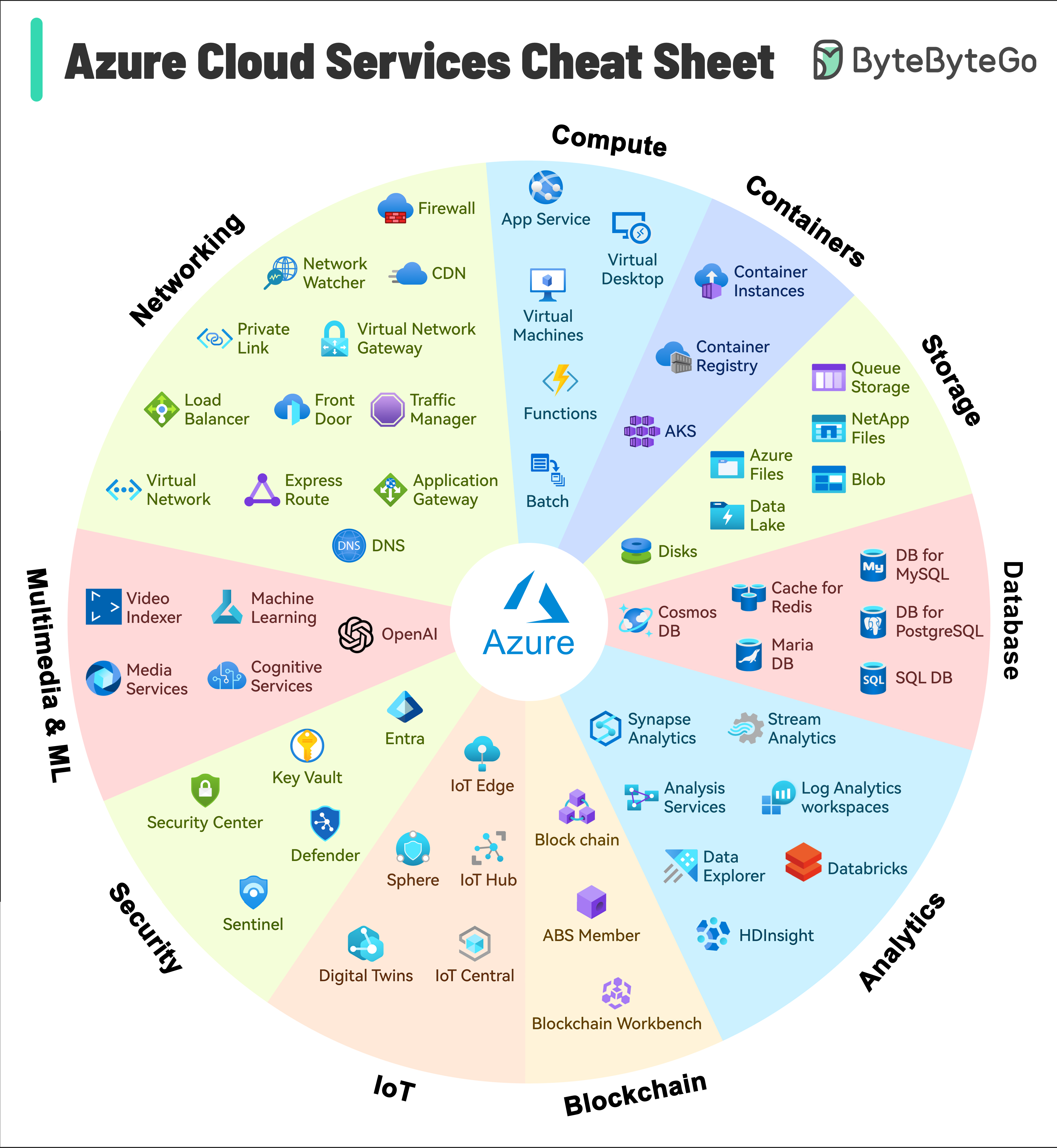
- Cloud Architecture Design: Translating high-level requirements into scalable, resilient cloud architectures using services like Azure App Service, Azure Functions, and Azure Kubernetes Service (AKS).
- Data Integration: Designing solutions that interact with diverse data storage options, including Azure SQL Database, Azure Cosmos DB, and Azure Blob Storage.
- Security Implementation: Integrating Microsoft Entra ID (formerly Azure Active Directory) for identity management and securing application secrets using Azure Key Vault.
- CI/CD Integration: Automating deployment pipelines using Azure DevOps or GitHub Actions to ensure continuous integration and continuous delivery.
- Monitoring and Optimization: Utilizing Azure Monitor and Application Insights to track performance metrics, identify bottlenecks, and optimize cloud spending through cost management tools.
Core Technical Prerequisites
To succeed in this role, a candidate must move beyond general software engineering principles and master the specific constructs of the Azure platform. This involves a mix of programming proficiency and cloud-native architectural knowledge.
Programming and Scripting Proficiency
Azure Developers typically use C#, Java, Python, or JavaScript (Node.js). While the platform is language-agnostic, C# remains a primary choice due to its tight integration with the .NET ecosystem. Additionally, proficiency in PowerShell and the Azure CLI is essential for managing resources programmatically.
Understanding Cloud Service Models
A clear distinction exists between the types of services available. Developers must understand when to use each:
- IaaS (Infrastructure as a Service): Managing virtual machines (Azure VMs) and virtual networks.
- PaaS (Platform as a Service): Utilizing managed services like Azure App Service or Azure SQL, which offload OS maintenance and patching to Microsoft.
- Serverless Computing: Writing event-driven code that runs in response to triggers via Azure Functions, scaling automatically without server management.
Comparison of Common Azure Development Services
Choosing the right service for the right task is a fundamental skill. The following table outlines how different services align with project needs:
| Service Category | Typical Service | Primary Use Case | Scaling Approach |
|---|---|---|---|
| Compute | Azure Functions | Event-driven, small logic tasks | Fully dynamic (Serverless) |
| Compute | Azure App Service | Web applications and APIs | Manual or Auto-scale |
| Storage | Azure Cosmos DB | Globally distributed NoSQL data | Throughput and storage units |
| Messaging | Azure Service Bus | Enterprise-grade message queuing | Based on throughput load |
| Containerization | Azure Kubernetes Service | Complex, microservices-based apps | Node pool and pod autoscaling |
Certification and Skill Verification
In 2026, industry certifications serve as a standardized way for professionals to demonstrate their proficiency to employers. The Microsoft Certified: Azure Developer Associate (Exam AZ-204) remains the industry benchmark. This certification validates skills in computing, storage, monitoring, security, and connecting to Azure services.
Preparation for this certification—and the role itself—requires a hands-on approach. Mere theoretical study is rarely sufficient. Developers are encouraged to build proof-of-concept projects, such as:
- Building a web application that stores and retrieves data from Azure SQL.
- Implementing an identity-protected API using Microsoft Entra ID.
- Creating a CI/CD pipeline that automates the deployment of a containerized application to AKS.
Common Challenges and Troubleshooting
The transition to cloud development is often hindered by common pitfalls related to security and configuration.
- Misconfigured Network Security Groups (NSGs): A frequent issue involves opening too many ports or overly permissive CIDR blocks, leading to security vulnerabilities. Always follow the principle of least privilege.
- Over-provisioning Resources: A common financial mistake is deploying resources with higher tiers than necessary for development or testing environments. Utilizing "Dev/Test" pricing tiers can mitigate unnecessary costs.
- Secret Exposure: Developers often accidentally hardcode connection strings or API keys in source control. Always use managed identities or Azure Key Vault to store secrets and sensitive credentials.
- Latency Issues: When integrating multiple services, geographical distance between resources can introduce significant latency. Ensure that all dependent resources are provisioned in the same Azure region unless there is a specific requirement for multi-region redundancy.
Recommended Steps for Aspiring Azure Developers
For those entering the field, the path to proficiency follows a logical progression:
- Master the Fundamentals: Gain a solid grasp of cloud computing concepts, such as high availability, scalability, and the shared responsibility model.
- Select a Primary Language: While versatility is a virtue, specializing in one primary language (e.g., C# or Python) provides a strong foundation for exploring advanced SDKs.
- Engage with Hands-On Labs: Utilize the Azure free account to experiment with various services without incurring high costs.
- Focus on IaC (Infrastructure as Code): Learn Terraform or Bicep. Managing infrastructure through code is a mandatory skill for modern cloud developers, as it ensures environment consistency and reproducibility.
- Continuous Learning: The Azure platform is dynamic. Follow the official Azure Updates blog to stay informed about new features, service deprecations, and regional availability.
Frequently Asked Questions
What is the primary difference between an Azure Administrator and an Azure Developer?
An Azure Administrator focuses on the management, governance, and security of the cloud environment, while an Azure Developer focuses on writing code to build, deploy, and integrate applications into that environment.
Do I need to be a cloud architect to be an Azure Developer?
No. While a developer benefits from architectural knowledge, their primary role is the implementation of specific features and application logic. Architects focus on the high-level design, cost-efficiency, and long-term viability of the entire ecosystem.
How much does it cost to practice Azure development?
Microsoft offers an Azure free account that provides a credit to spend in the first 30 days and a set of free services for 12 months. Using these resources allows for risk-free learning.
Is knowledge of Linux required for an Azure Developer?
It is highly recommended. Many Azure services, particularly those running containers or Linux-based App Services, require a foundational understanding of Linux command-line operations and shell scripting.
How do I troubleshoot failing deployments in Azure?
Check the "Deployment History" tab within the resource group in the Azure Portal. It provides detailed error logs and JSON snippets that often highlight exactly why a template deployment failed or why a service failed to start.
What is the "Shared Responsibility Model" in Azure?
It defines that Microsoft is responsible for the physical security of data centers and the underlying infrastructure, while the developer or organization is responsible for data security, configuration, and code integrity.
Next Action
To begin your journey or advance your current career, log in to the Microsoft Learn portal and follow the "Azure Developer" learning path. This structured approach will provide the necessary technical foundation to prepare for the AZ-204 certification and real-world project work.
Image Gallery