Understanding Financial MLMs: Term Life Insurance, IRAs, and Cult-Like Recruiting Practices
Certain financial service companies that distribute term life insurance and Individual Retirement Accounts (IRAs) operate using a Multi-Level Marketing (MLM) model. While their underlying financial products are legal and regulated by s...
Certain financial service companies that distribute term life insurance and Individual Retirement Accounts (IRAs) operate using a Multi-Level Marketing (MLM) model. While their underlying financial products are legal and regulated by state and federal authorities, critics and former participants often describe these organizations as "cult-like" due to aggressive recruitment tactics, high-energy motivational rallies, requests to sell to friends and family, and insular corporate cultures.
Contents
Consumers searching for information about term life insurance and IRA investment companies that seem "almost like a cult" typically encounter entities such as Primerica, World Financial Group (WFG), or People Helping People (PHP) Agency. Understanding how these organizations operate requires examining both the mechanics of their financial offerings and the psychological and structural dynamics of their sales networks.
The Business Model: Term Insurance and "Invest the Difference"
The central financial pitch of many network marketing insurance firms traces back to a strategy popularized in the 1970s: "Buy Term and Invest the Difference" (BTID).
The BTID Philosophy
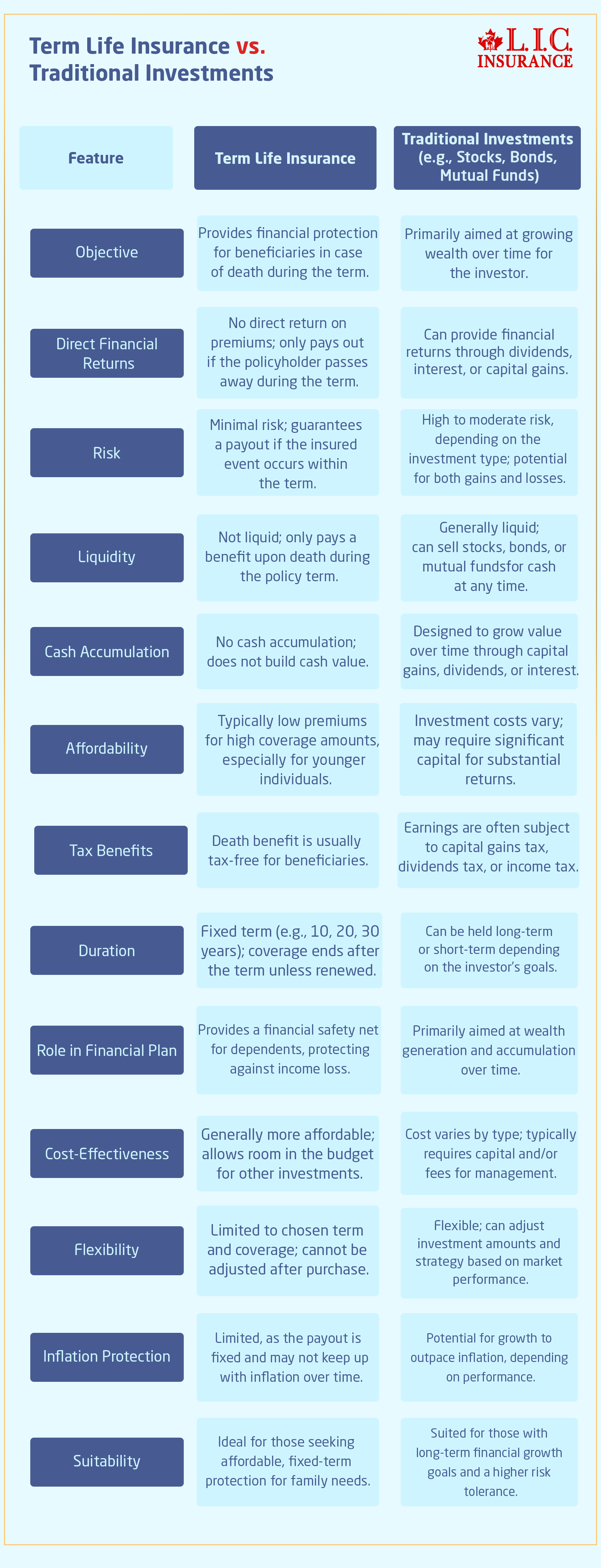
Traditional whole life or universal life insurance policies combine a death benefit with an internal cash-value savings component. These policies often carry significantly higher annual premiums than term life insurance.
The BTID strategy advises consumers to:
- Purchase a low-cost term life insurance policy to cover temporary income replacement needs during child-rearing or mortgage years.
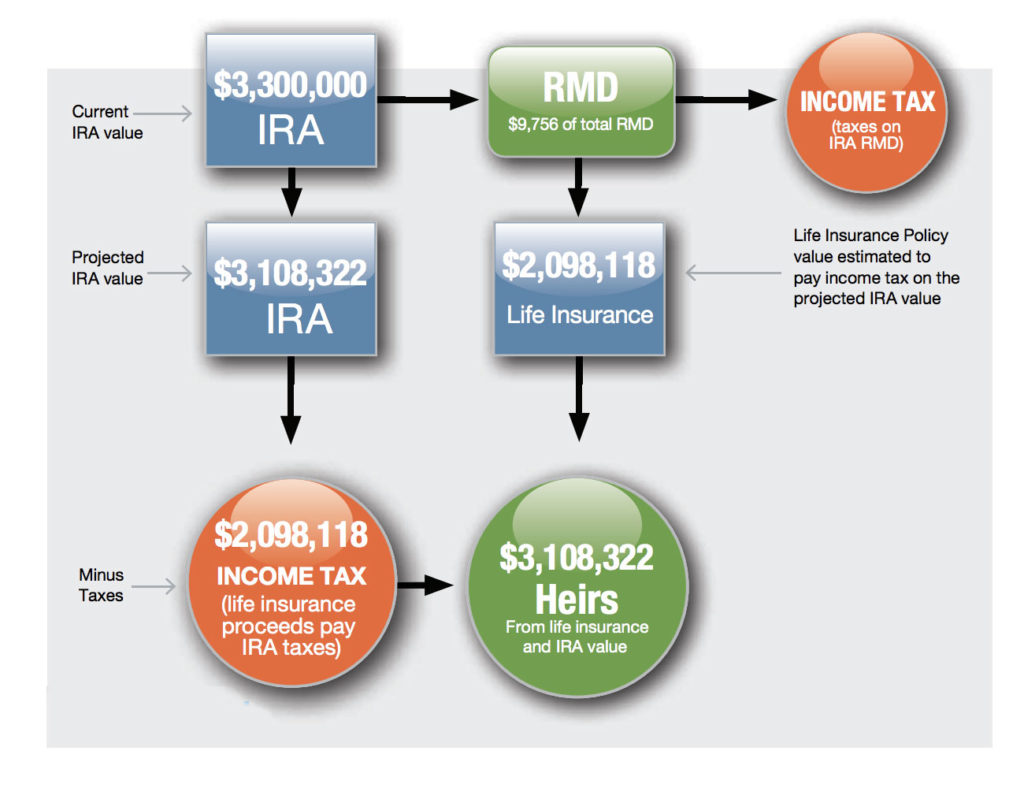
- Take the money saved by avoiding expensive cash-value policies and invest it independently into tax-advantaged retirement accounts, such as a Roth IRA or Traditional IRA, holding low-cost mutual funds or index funds.
Conceptually, the BTID philosophy is supported by many independent personal finance experts. However, the controversy surrounding financial MLMs stems not from the core mathematical theory of BTID, but from how these products are priced, packaged, and sold through hierarchical commission networks.
How Financial MLMs Are Structured
Unlike traditional brokerages (such as Fidelity, Vanguard, or Charles Schwab) or independent financial planning firms, financial MLMs rely on tiered recruiting networks:
- Independent Contractors: Representatives are classified as 1099 independent contractors, not salaried employees.
- Licensing Requirements: Agents must pass state insurance licensing exams (to sell term life) and FINRA securities exams—such as the Series 6, 63, or 7—to sell variable products and mutual funds within IRAs.
- The Downline System: Agents earn direct commissions on products they sell and "overrides" (a percentage of sales) on products sold by people they recruit into their "downline."
Why Financial MLMs Face "Cult" Comparisons
The perception that a financial services company resembles a cult usually stems from behavioral patterns observed within its recruitment and training pipelines, rather than its legal regulatory filings. Observers, behavioral psychologists, and consumer advocacy organizations point to several recurring characteristics.
- INDEPENDENT SALES REPRESENTATIVE
- PRODUCT COMMISSIONS (Life / IRA Sales)
- OVERRIDE COMMISSIONS (Recruitment Network)
1. High-Energy Environment and Love Bombing
New recruits are often invited to local office meetings or regional conventions characterized by loud music, standing ovations, and intense emotional appeals. Senior leaders display indicators of extreme wealth—such as luxury cars, expensive watches, and high-income earnings statements—to demonstrate what is possible. New members receive intense praise ("love bombing") as long as they demonstrate commitment to the team's goals.
2. Exploitation of the "Warm Market"
Newly licensed agents are encouraged to immediately pitch term life insurance and IRAs to their "warm market"—parents, siblings, close friends, and former colleagues. Representatives are often asked to bring senior trainers on "field training" appointments with their family members, during which the trainer conducts the sales pitch while splitting or taking the commission.
3. Us-Versus-Them Mentality
Training sessions frequently frame external financial institutions, traditional insurance companies, and skeptical family members as uneducated, manipulative, or intent on keeping average working-class people financially trapped. Skepticism from friends or relatives is often labeled as "poverty mindset" or "negativity," encouraging recruits to distance themselves from outside advisors.
4. Continuous Financial and Time Demands
While recruits are told they are building their own business, they often face recurring out-of-pocket expenses for:
- Onboarding fees and background check costs.
- State licensing exam preparation courses and licensing fees.
- Monthly technology portal or administrative access fees.
- Tickets to regional and national motivational conventions.
Evaluating the Financial Products: Fees and Structure
When evaluating a financial MLM, it is essential to separate the business recruitment model from the quality and cost of the underlying investment and insurance products.
Term Life Insurance Policies
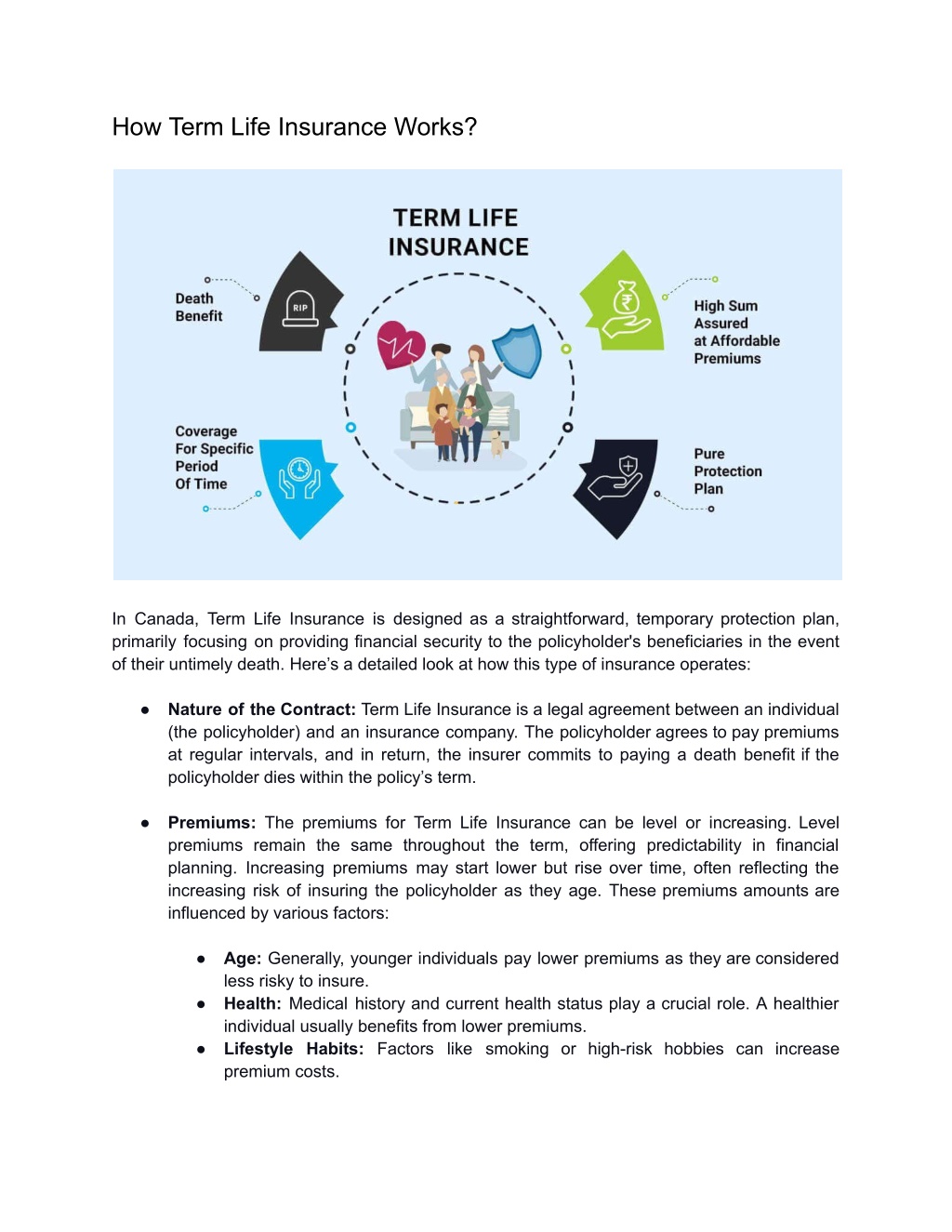
Term life insurance policies issued through MLM-affiliated underwriters are real, legally binding contracts regulated by state insurance commissioners. If an insured individual passes away during the policy term, the insurer pays the death benefit to the beneficiary.
However, policy pricing can differ from the broader market:
- Cost Comparison: Premiums for term policies sold through MLMs are sometimes higher than comparable policies available from direct-to-consumer insurers or independent brokers who shop dozens of carrier options.
- Simplified Underwriting: Some MLM policies use simplified underwriting that may cost more per thousand dollars of coverage than fully underwritten policies requiring medical exams.
IRA Investments and Mutual Funds
MLM representatives who hold FINRA securities licenses can open Traditional or Roth IRAs for clients. These accounts are usually held at recognized custodian banks or clearing firms.
However, the investment selections within these IRAs warrant close scrutiny:
- Front-End Sales Loads: Representatives frequently recommend mutual funds that charge front-end sales loads (e.g., Class A shares with upfront fees ranging from 3% to 5.75%). A portion of this upfront fee finances the representative's commission and upline overrides.
- Higher Expense Ratios: The underlying funds offered through these platforms may carry higher ongoing management expense ratios compared to low-cost, broad-market index funds available through direct-to-consumer brokerages.
Institutional Comparison: Financial MLMs vs. Alternatives
To understand how a financial MLM compares to other financial distribution channels, consider the operational distinctions outlined below:
| Feature | Financial MLM Firm | Direct Discount Brokerage | Independent Fee-Only Fiduciary |
|---|---|---|---|
| Primary Business Goal | Product sales and network recruitment | Self-directed investing and banking | Comprehensive, unbiased financial advice |
| Legal Standard | Suitability Standard (or Best Interest) | Self-directed (no advice) or Best Interest | Strict Fiduciary Duty (Legal obligation to prioritize client) |
| Term Insurance Sourcing | Proprietary or limited partner products | Direct purchase or aggregators | Independent broker shopping 30+ carriers |
| Investment Fees | Load funds, higher expense ratios | 0% load fees, low-cost index funds | Flat fee, hourly rate, or percentage of assets (AUM) |
| Recruitment Model | Multi-level (overrides for recruiting downlines) | Corporate hiring (salaried/w2) | Corporate hiring or partnership growth |
| Primary Client Focus | Middle-income & personal networks | Self-directed retail investors | High-net-worth & mass-affluent clients |
The Representative Earnings Reality
A critical factor leading to public criticism of financial network marketing is the high turnover rate among newly recruited agents. Annual income disclosures published by major financial MLMs consistently illustrate a top-heavy earnings distribution.
Understanding Income Disclosures
Regulators require many public or licensed entities to publish annual earnings summaries. These documents generally demonstrate that:
- The Majority Earn Minimal Income: A significant majority of active representatives earn less than $2,000 per year before accounting for licensing, software, travel, and marketing expenses.
- Concentration at the Top: The majority of override commissions flow to top-tier leaders who have accumulated thousands of active agents in their downline networks.
- High Attrition: A large percentage of newly recruited agents drop out within their first 12 months, often after selling policies to their immediate family members.
For official regulatory filings and guidelines on consumer protection regarding multi-level marketing structures, consumers can review resources provided by the Federal Trade Commission (FTC) and the Financial Industry Regulatory Authority (FINRA).
Practical Consumer Guidance: How to Handle Financial MLMs
Whether you are considering joining a financial MLM as a career, or you have been approached by a relative offering a financial review, applying structured due diligence will protect your personal finances.
If You Are Being Recruited
- Request the Full Income Disclosure Statement: Look closely at the median earnings, not just the average earnings, and verify how many recruits actively earn a full-time living after expenses.
- Calculate Total Start-Up and Maintenance Costs: Factor in licensing fees, testing costs, monthly software subscriptions, event tickets, and travel expenses.
- Evaluate the Licensing Obligation: Obtaining a life insurance license or FINRA Series 6 requires significant study time. Ensure that your time investment aligns with realistic financial returns.
- Resist High-Pressure Tactics: Never sign up or pay onboarding fees during an emotional group presentation. Take at least 48 hours to research the opportunity independently.
If You Are Being Pitched Products (Insurance or IRAs)
- Compare Insurance Quotes: Get independent quotes from an online term life aggregator or an independent insurance agent who represents multiple non-MLM carriers.
- Examine Investment Sales Charges: Ask the representative directly: "Does this mutual fund carry an upfront sales load, and what is its annual expense ratio?"
- Verify Licenses: Look up the individual’s registration status and disciplinary history using FINRA BrokerCheck.
Frequently Asked Questions
Are term life policies from financial MLMs legitimate?
Yes. The term life insurance policies sold by agents at licensed financial MLMs are valid contracts issued by regulated insurance carriers. If a policyholder dies while the policy is active and in good standing, the death benefit is paid out. However, the premiums may be higher than those offered by competing direct insurers.
Is a financial MLM considered a pyramid scheme?
Legally, no. An illegal pyramid scheme pays participants solely for recruiting others without offering real products or services. Financial MLMs sell legitimate, regulated financial products (life insurance, mutual funds, annuities). However, because compensation structures incentivize recruitment through upline overrides, critics argue the business dynamics share operational similarities with multi-level recruiting models.
Why do recruits call their experience "cult-like"?
The description usually arises from psychological tactics used in some team offices: intense pressure to recruit friends and family, high-energy motivational meetings, public shaming of those who leave, and pushing members to reject advice from non-member family and friends.
Can I transfer my IRA away from a financial MLM company?
Yes. IRAs held with financial MLM firms can be transferred to any discount brokerage or financial institution via a direct custodian-to-custodian transfer (a rollover) without triggering taxes or penalties, provided the transfer is executed correctly.
Actionable Next Steps
If you currently hold an insurance policy or IRA purchased through a financial MLM company, or if you are evaluating an offer to join one, take the following objective steps:
- Review Your Current Policy: Check the coverage amount, term length, and monthly premium on your life insurance policy. Request competing term quotes from independent brokers to verify if you are paying market rates.
- Check Investment Fee Schedules: Review your latest IRA statement. Identify any front-end load fees paid on initial contributions and check the expense ratios of the mutual funds in your portfolio.
- Consult Independent Fiduciaries: If you require comprehensive financial planning, consider consulting a Fee-Only Certified Financial Planner (CFP) who does not sell products on commission or receive compensation for network recruitment.
Image Gallery