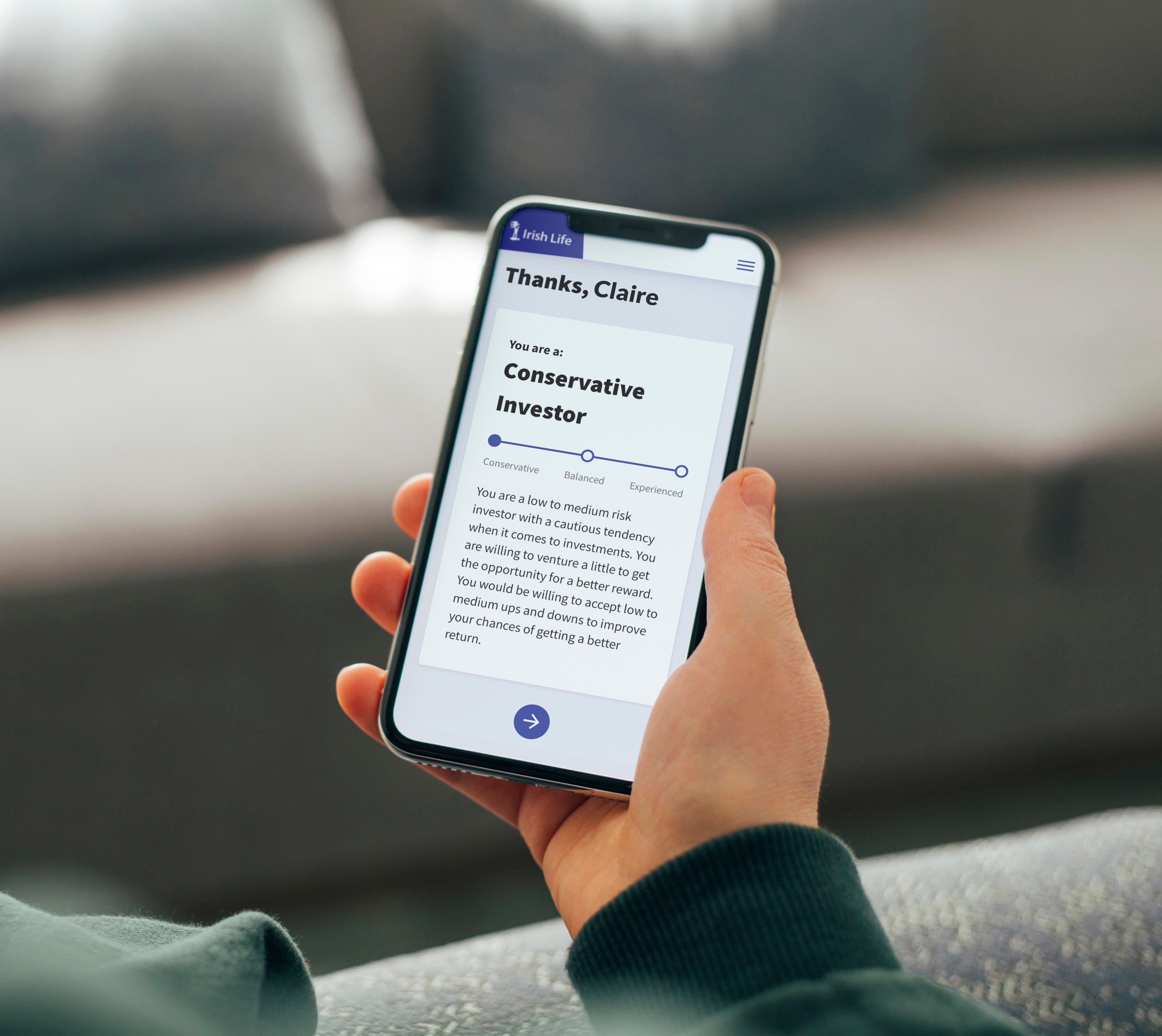
Irish Life Insurance PPI Claims: Eligibility, Process, and Consumer Rights
An Irish Life insurance or Payment Protection Insurance (PPI) claim involves seeking a refund or compensation if an insurance policy was mis-sold, unfair terms were applied, or premiums were collected inappropriately. Borrowers and pol...
An Irish Life insurance or Payment Protection Insurance (PPI) claim involves seeking a refund or compensation if an insurance policy was mis-sold, unfair terms were applied, or premiums were collected inappropriately. Borrowers and policyholders in Ireland can submit claims directly to the product provider or escalate unresolved disputes to the Financial Services and Pensions Ombudsman (FSPO).
Contents
Payment Protection Insurance (PPI) and related protection policies were widely distributed across Ireland alongside mortgages, personal loans, and credit cards. While PPI was designed to cover monthly debt repayments in the event of unemployment, illness, injury, or death, systemic mis-selling practices led regulatory authorities to step in. Many consumers who took out policies with major Irish financial institutions and insurance underwriters—including Irish Life Assurance plc and bank distribution partners—may be entitled to financial redress if the cover was unsuitable, mandatory, or improperly explained.
This comprehensive guide clarifies the relationship between Irish Life policies and traditional PPI, details the legal grounds for mis-selling claims in Ireland, outlines the step-by-step process for recovering funds, and details time limits governed by Irish law and the Financial Services and Pensions Ombudsman (FSPO).
Understanding PPI and Life Assurance in Ireland
To navigate a potential claim effectively, consumers must first distinguish between standard Payment Protection Insurance (PPI) and other form of protection policies, such as mortgage protection or income protection underwritten by institutions like Irish Life.
What Is Payment Protection Insurance (PPI)?
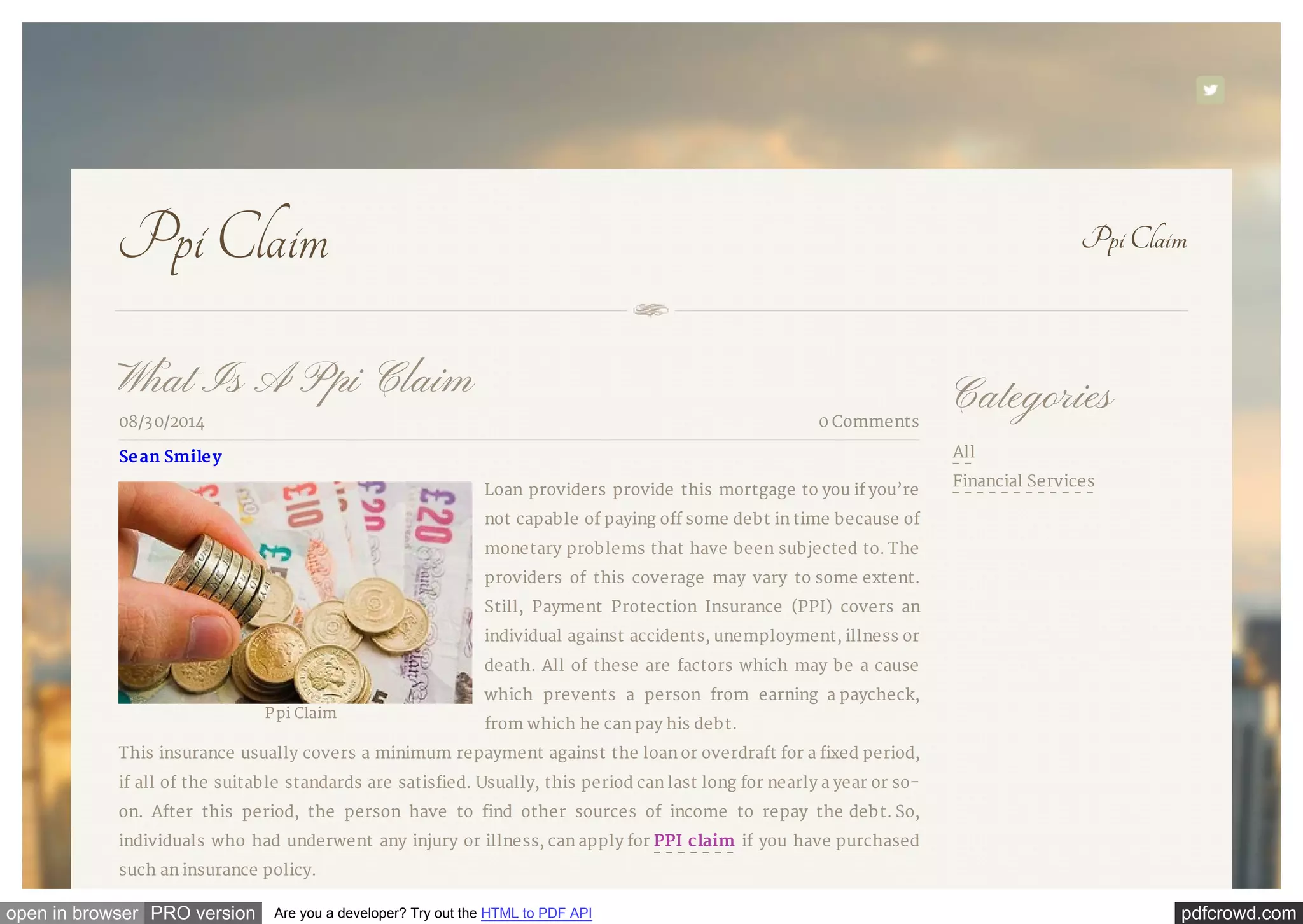
PPI is an insurance product designed specifically to cover debt obligations—such as monthly loan or credit card installments—if the policyholder cannot work due to accident, sickness, or involuntary redundancy. In Ireland, PPI was routinely sold by retail banks (such as AIB, Bank of Ireland, Permanent TSB, and Ulster Bank) when customers applied for personal credit or mortgages.
How Does Irish Life Fit In?
Irish Life Assurance plc is Ireland's largest life assurance provider. While PPI was predominantly sold directly by banking institutions, Irish Life provides life assurance, mortgage protection, serious illness cover, and income protection. In many instances:
- Banks acted as intermediaries selling life and protection products on behalf of insurers.
- Consumers frequently group all loan-related insurance policies—including term life assurance attached to mortgages—under the general heading of "PPI."
- Structural mis-selling principles that apply to bank PPI also apply to life assurance, income protection, and mortgage protection policies if consumers were misled regarding costs, suitability, or terms.
Key Differences Between Policy Types
Understanding these distinctions is essential when preparing documentation, as the legal standards for proving mis-selling vary slightly between general short-term PPI and long-term life assurance products.
Protection Policies in Ireland:
Payment Protection Insurance (PPI)
- Short-term debt cover
- Direct bank/loan add-on
- High mis-selling rate
Mortgage Protection (Life Assurance)
- Decreasing life cover
- Required for home loans
- Term length matches loan
Income Protection / Specified Illness
- Salary replacement
- Standalone or attached
- Detailed medical underwriting
Payment Protection Insurance (PPI): Short-term cover linked directly to a loan balance or credit card limit. Usually paid as a monthly add-on fee or capitalized into the overall loan amount.
Mortgage Protection (Life Assurance): A policy designed to pay off the remaining mortgage balance if the policyholder dies during the mortgage term. Under Irish law (Section 126 of the Consumer Credit Act 1995), lenders generally require borrowers to hold mortgage protection, but borrowers have the legal right to shop around rather than buying the lender's bundled option.
Income Protection & Disability Cover: Standalone or rider policies providing continuous income replacement during long-term illness or injury, subject to strict medical underwriting.
Recognized Grounds for Mis-Selling Claims in Ireland
Following extensive investigations by the Central Bank of Ireland, systemic issues were uncovered in how financial products and protection insurance were sold. A policy is considered mis-sold if the lender or broker failed to uphold their fiduciary duty, omitted key terms, or sold cover that was fundamentally unsuitable for the consumer's circumstances.
1. Ineligible at the Time of Sale
One of the most clear-cut grounds for a claim is when an insurer or bank sold a policy to a customer who was contractually excluded from claiming benefits. Common examples include:
- Self-Employed Individuals: PPI policies frequently excluded self-employed workers from redundancy benefits, yet policies were routinely sold to sole traders without disclosure.
- Retired or Unemployed Policyholders: Individuals who were not working when the policy was sold could never meet the criteria for involuntary redundancy or work-related disability claims.
- Pre-Existing Health Conditions: Policies often contained blanket exclusions for pre-existing medical conditions, yet advisers failed to ask health screening questions before adding the policy to a loan.
2. Pressure Selling and Lack of Consent
Many Irish consumers discovered PPI or optional life insurance riders had been added to their accounts without explicit knowledge or consent. Grounds for mis-selling include:
- Stating or implying that taking out the insurance policy was a mandatory condition for loan approval when it was legally optional.
- Auto-enrolling or ticking the insurance opt-in box on application forms on behalf of the client.
- Including insurance premiums inside the loan principal without explaining that the customer would pay compound interest on the insurance premium itself.
3. Non-Disclosure of High Commissions
Under regulatory standards highlighted across European financial jurisprudence, non-disclosure of excessive broker commissions creates an unfair relationship between the lender and the consumer. If a significant percentage of the insurance premium was retained as commission by the seller rather than paying for actual risk coverage, and this was concealed from the buyer, the consumer may grounds to demand financial redress.
4. Duplicate or Unnecessary Cover
If a customer already possessed comprehensive sick pay benefits through their employer, public service terms, or existing standalone income protection with an entity like Irish Life, selling an additional, restrictive PPI policy without assessing existing provisions constitutes poor financial advice.
Framework: Comparing Insurance Mis-Selling Claims
The table below provides a comparison of how different insurance policies sold in Ireland are evaluated during the complaints process.
| Feature | Payment Protection Insurance (PPI) | Mortgage Life Assurance | Standalone Income Protection |
|---|---|---|---|
| Primary Risk Covered | Temporary illness, injury, redundancy | Death during mortgage term | Extended inability to work due to illness/injury |
| Common Mis-selling Issue | Ineligible employment status; mandatory bundling | Forced tied sales; hidden commissions; failure to advise on cheaper options | Failure to account for existing workplace sick leave benefits |
| Regulatory Lead Body | Central Bank of Ireland / FSPO | Central Bank of Ireland / FSPO | Central Bank of Ireland / FSPO |
| Primary Assessment Focus | Employment status at sale date; opt-in consent | Right to choose provider; clarity on sum assured | Comprehensive medical underwriting transparency |
| Potential Compensation | Full refund of premiums + contract interest + statutory interest | Refund of overcharged premiums or commission adjustments | Refund of premiums or adjustment of policy terms |
Step-by-Step Guide to Making a Claim
Reclaiming mis-sold insurance in Ireland requires a methodical approach. Policyholders should avoid paying third-party claims management companies, which often charge substantial commission fees (ranging from 15% to 30% plus VAT) for services that consumers can perform directly for free.
The Claims Process:
- STEP 1: Gather Documentation
- Collect agreements, statements, subject access requests (SAR).
- STEP 2: Submit Formal Written Complaint
- Send a detailed letter/form directly to the insurer or bank.
- STEP 3: Provider Investigation (Up to 40 Business Days)
- Insurer reviews records and issues a Final Response Letter.
- STEP 4: Review Response or Escalate
- Accept offer OR escalate to the FSPO within 6 months of response.
Step 1: Gather Documentation and Evidence
Locate original loan agreements, mortgage documents, credit card statements, and policy schedules. Look specifically for policy line items titled "Payment Protection," "PPI," "Payment Guard," or attached life cover policies.
If documentation is missing due to the age of the account:
- Submit a Subject Access Request (SAR) under GDPR to the bank or Irish Life.
- Under European data protection laws, financial institutions must provide copies of personal records and financial history held on their systems.
- Specify that you require all agreements, payment histories, internal sales notes, and insurance schedules associated with your account numbers.
Step 2: Submit a Formal Written Complaint directly to the Provider
Send your complaint directly to the customer complaints department of Irish Life or the banking institution that sold the policy.
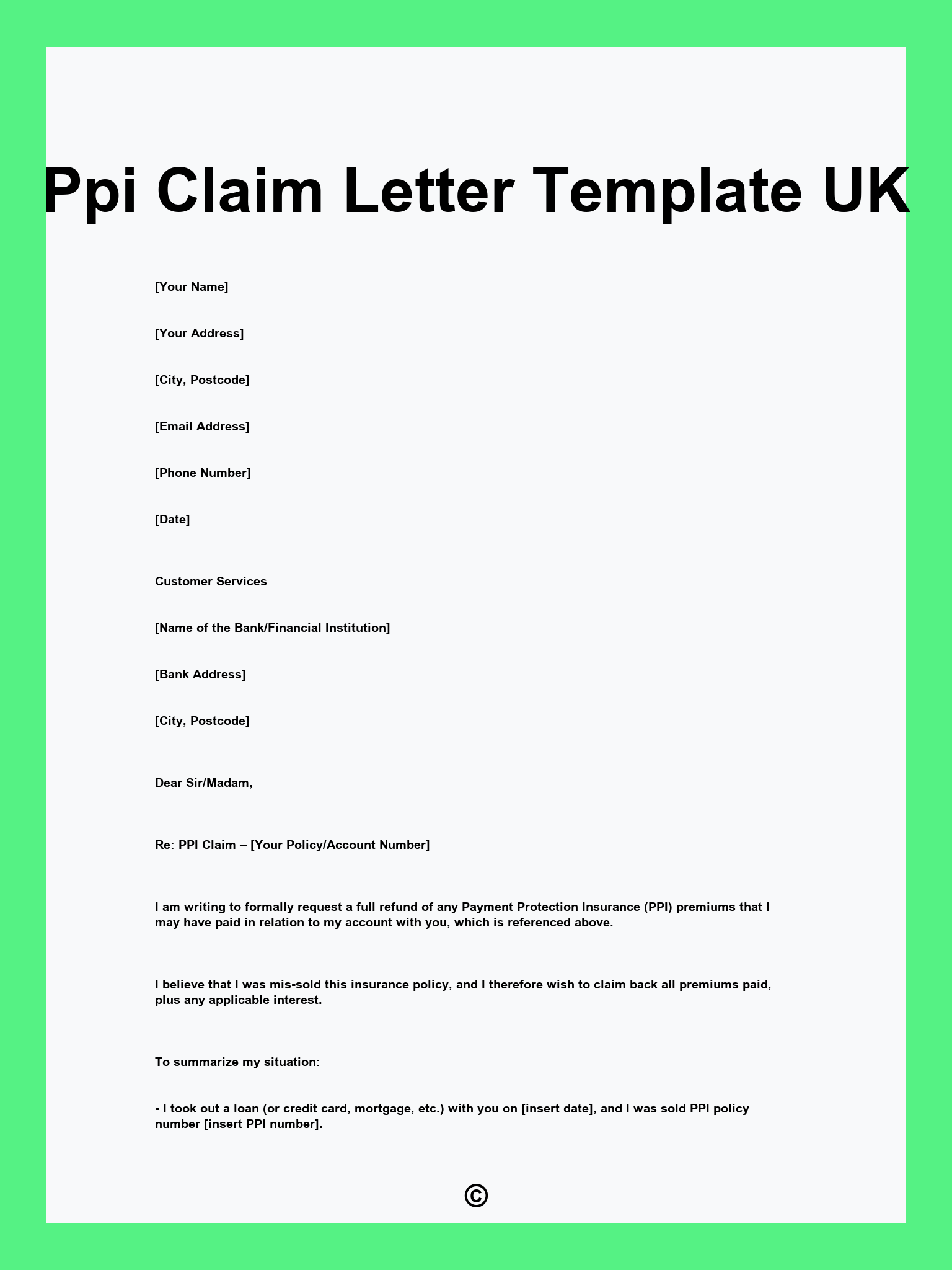
Your claim letter should include:
- Full name, current address, and contact details.
- Account numbers, loan reference numbers, or policy numbers.
- Clear statement of facts explaining why the policy was mis-sold (e.g., self-employed status, lack of opt-in consent, pre-existing health condition ignored).
- Request for a full refund of all insurance premiums paid, plus compound interest (if capitalized into a loan) and statutory interest.
Step 3: Provider Investigation Period
Under the Central Bank of Ireland’s Consumer Protection Code, financial service providers must adhere to clear response timelines:
- Acknowledge the complaint in writing within 5 business days.
- Provide regular updates at intervals not exceeding 20 business days.
- Issue a final decision or detailed written response within 40 business days.
Step 4: Reviewing the Final Decision
If the firm upholds your complaint, they will issue an offer of compensation. The settlement typically consists of:
- Premium Refund: Reimbursing all premiums paid toward the mis-sold policy.
- Interest Adjustment: Refunding any extra loan interest paid because the policy cost was added to the loan total.
- Statutory Interest: Adding statutory interest (commonly calculated at standard reference rates under Irish consumer law) on the overpaid amounts from the date of each payment up to the settlement date.
If the provider rejects the claim or offers an insufficient settlement, request a Final Response Letter explicitly stating that the firm’s internal dispute resolution process has been exhausted.
Escalating Unresolved Claims to the FSPO
If you receive a final rejection or do not receive a response within 40 business days, you have the right to escalate your complaint to the Financial Services and Pensions Ombudsman (FSPO).
The FSPO is an independent statutory officer that deals with unresolved disputes between consumers and financial service providers in Ireland. Services provided by the FSPO are completely free to consumers.
Criteria for FSPO Submission
- You must have already submitted a formal complaint to the financial provider and received their final outcome, or waited 40 business days without resolution.
- You must complete the official FSPO complaint form, attaching all correspondence, account records, and evidence supporting your claim.
- The FSPO will first offer Dispute Resolution Services (mediation) to help both parties reach an agreement. If mediation fails, the case moves to formal adjudication, resulting in a legally binding decision.
Time Limits and Statutory Rules in Ireland
Time limits for submitting financial complaints in Ireland are governed by the Financial Services and Pensions Ombudsman Act 2017 and general principles under the Statute of Limitations 1957.
Unlike the United Kingdom—which implemented a strict deadline of August 29, 2019, for all PPI claims—Ireland did not establish a single, nationwide deadline for legacy PPI claims. However, specific statutory time limits govern eligibility.
The FSPO Time Limit Framework
Under Irish law, consumers can submit a complaint to the FSPO within:
- 6 years from the date of the conduct giving rise to the complaint (e.g., the date the policy was sold); OR
- 3 years from the date on which the consumer became aware, or ought reasonably to have become aware, of the mis-selling or financial loss.
For long-term financial products such as mortgages and associated life policies sold prior to 2018, the long-stop rule under the FSPO Act 2017 allows the Ombudsman discretion to examine complaints relating to historic financial contracts provided the contract was still active within the statutory lookback window or falls under specific transitional provisions.
Detailed guidance on consumer rights and statutory protections can be accessed via Citizens Information.
Common Pitfalls to Avoid
When preparing an insurance or PPI refund claim in Ireland, avoid these frequent mistakes:
- Using Paid Claims Management Agencies: Free services exist through the FSPO and direct provider channels. Claims management firms take a significant cut of any compensation awarded without offering any specialized legal advantage.
- Confusing Mortgage Protection Mandates with Mis-Selling: Remember that Irish lenders are legally required to ensure a mortgage protection policy is in place before releasing funds for a residential property. Claiming that a policy was mis-sold simply because it was "required" will be rejected. Mis-selling claims must focus on how it was sold (e.g., lack of freedom of choice, undisclosed commission, or incorrect coverage details).
- Providing Vague Claims: Simply stating "I want my money back" is inefficient. Clearly document why the product was unsuitable based on your employment, medical history, or financial arrangements at the time of purchase.
- Failing to Retain Copies: Always retain copies of every letter, email, application form, and postal receipt sent to or received from the financial institution.
Frequently Asked Questions
Can I claim PPI compensation if the bank or insurance company has closed?
Yes. If the financial provider or insurer that sold the policy has ceased trading or merged (for example, Ulster Bank's exit from the Irish market or historical entity restructurings), liabilities are typically transferred to an acquiring institution. If no successor entity exists, claims may be directed through official compensation schemes or liquidators overseeing historic liabilities.
Does claiming a PPI refund affect my current Irish Life insurance policies?
No. Filing a mis-selling complaint or refund claim regarding a historical PPI or mis-sold policy does not impact your active, valid policies with Irish Life or any other insurer. Providers are legally prohibited under the Consumer Protection Code from discriminating against customers who exercise their right to complain.
How much compensation am I likely to receive?
Compensation varies depending on total premiums paid, policy duration, and interest rates. A standard calculation includes a full refund of all premiums paid toward the mis-sold policy, plus refund of interest charged on those premiums if financed through a loan, alongside statutory interest calculated on the cumulative total.
What if I no longer have my original policy documents or loan numbers?
You can still file a claim or request your details. Under Irish data protection regulations, you can submit a Subject Access Request (SAR) to the financial provider. Provide your previous addresses, full legal name, date of birth, and approximate dates the policy or loan was active so the firm can locate archived records.
Are PPI refund settlements subject to tax in Ireland?
In general, the refund of your original insurance premiums and overpaid contractual interest is not taxable as income because it represents a return of your own overpaid money. However, any statutory interest added to the settlement as compensation for loss of use of funds may be subject to Income Tax or Dirt tax rules in Ireland. Consult a qualified tax professional for advice on individual tax liabilities.
Next Steps and Action Plan
To move forward with an Irish Life or bank PPI mis-selling claim:
- Review Your Records: Check historical bank accounts, loan documents, mortgage files, and life assurance paperwork for any recurring insurance fees.
- Draft a Formal Dispute Letter: Outline the specific grounds for mis-selling based on your circumstances at the time the policy was issued.
- Submit Directly to the Insurer or Lender: Send your complaint via registered post or secure digital portal to establish proof of delivery.
- Monitor Mandatory Timelines: Track the provider's 40-business-day window to deliver a Final Response Letter.
- Escalate Free of Charge: If unsatisfied with the decision, submit your documentation directly to the Financial Services and Pensions Ombudsman (FSPO) for an independent review.
Disclaimer: This article provides general informational coverage regarding financial rules and claims procedures in Ireland. It does not constitute formal legal, financial, or tax advice. For complex legal disputes or substantial financial claims, consult a qualified solicitor or independent financial adviser regulated by the Central Bank of Ireland.
Image Gallery