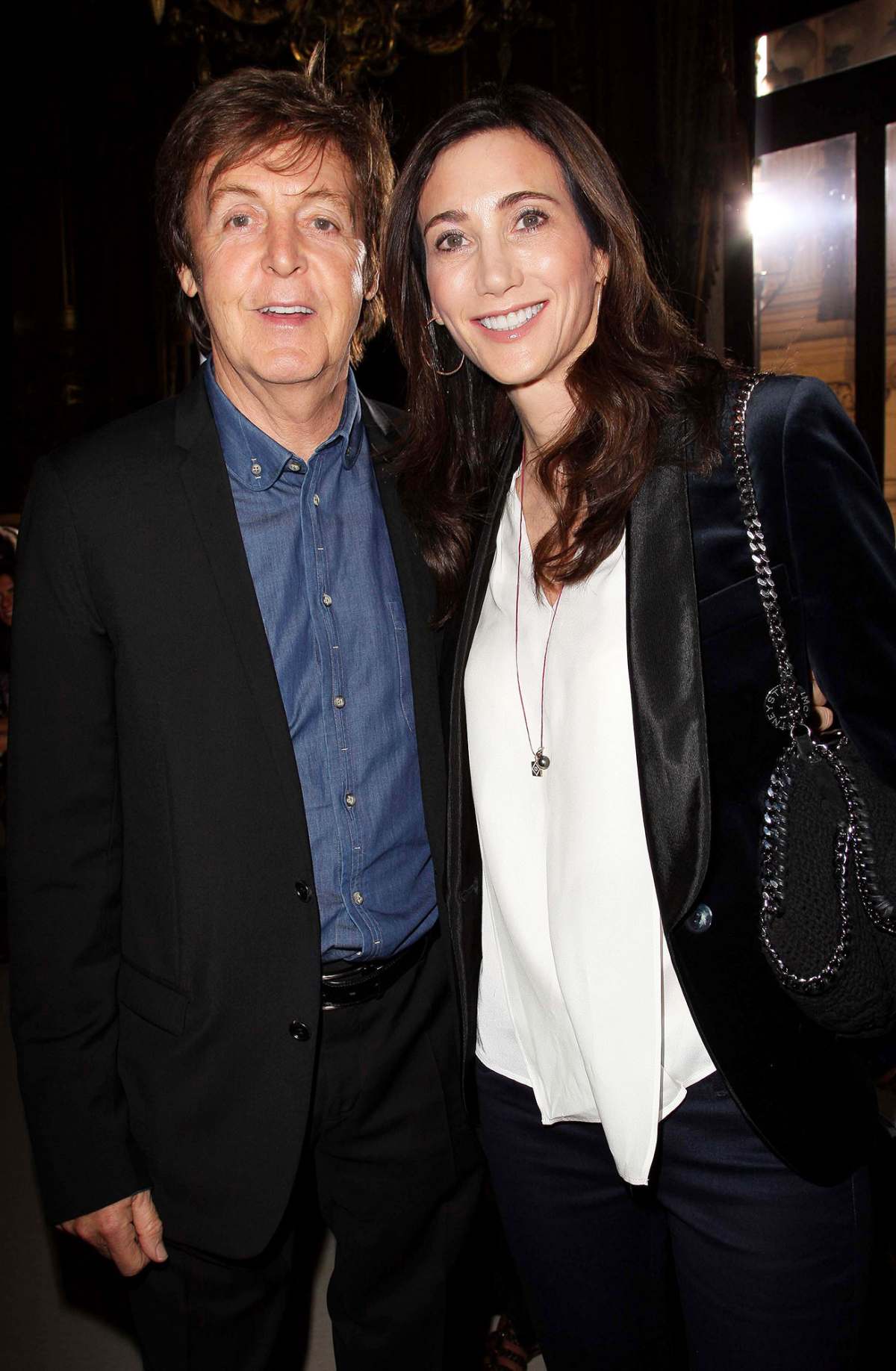
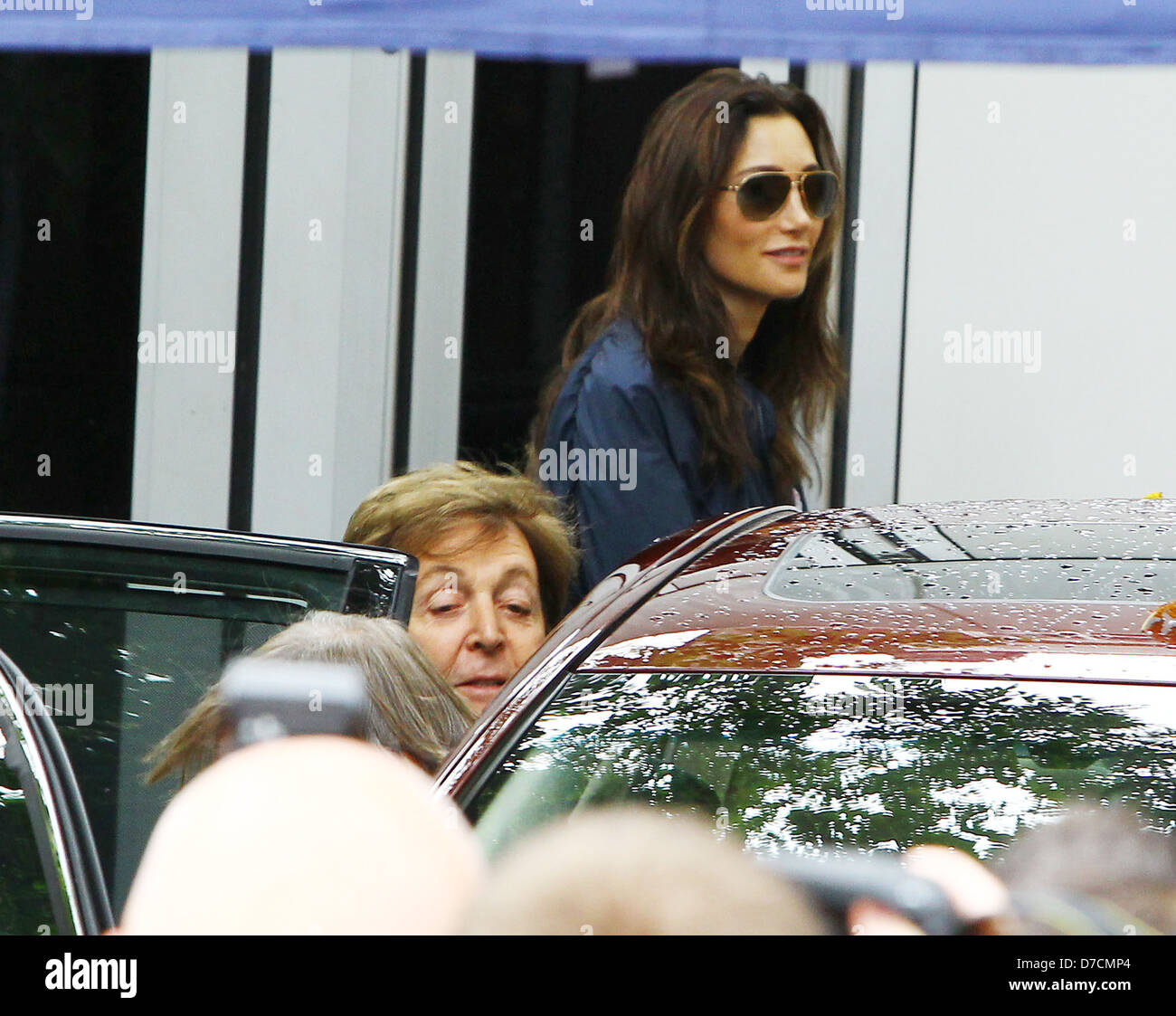
Paul McCartney and Nancy Shevell: How Public Perception Shifted After Their Wedding
When Sir Paul McCartney married Nancy Shevell on October 9, 2011, at London’s Old Marylebone Town Hall, public and media perception surrounding the former Beatle underwent a dramatic transformation. Moving away from the intense tabloid...
When Sir Paul McCartney married Nancy Shevell on October 9, 2011, at London’s Old Marylebone Town Hall, public and media perception surrounding the former Beatle underwent a dramatic transformation. Moving away from the intense tabloid scrutiny and public skepticism of his second marriage, the union marked a return to quiet dignity, widespread warm approval, and renewed focus on his musical legacy.
Contents
The Historical Context: From Linda’s Legacy to the Heather Mills Turmoil
Understanding the dramatic shift in public sentiment following Paul McCartney’s 2011 wedding requires examining the two distinct eras that preceded it. For decades, McCartney’s private life was defined by stability and deep artistic partnership, followed by a brief period of intense public and tabloid turmoil.
The Golden Standard of Linda McCartney
Paul McCartney’s first marriage to Linda Eastman in 1969 established a foundational blueprint in the eyes of the public. Although initially met with envy and skepticism by some fans following the Beatles’ breakup, Linda gradually earned global affection. She became an integral collaborator in Wings, a pioneering advocate for vegetarianism and animal welfare, and an essential anchor in McCartney's personal life.
When Linda died of breast cancer in April 1998, the public grief was global. Fans and journalists alike viewed their 29-year marriage as one of rock music's rarest success stories—a genuine, unpretentious romance that withstood immense fame. Consequently, any future partner would inevitably be evaluated against this revered memory.
The Tabloid Storm of the Heather Mills Era
McCartney’s second marriage to former model and campaigner Heather Mills in 2002 marked a challenging chapter in his public narrative. The relationship was plagued by intense media skepticism from its inception, which culminated in a highly public, contentious divorce finalized in 2008.
During this period, British tabloids and global entertainment media focused heavily on financial settlement disputes, personal allegations, and public relations battles. Public perception of McCartney temporarily shifted from that of an untouchable musical icon to a vulnerable figure caught in a bitter personal feud. The relentless media coverage created public fatigue and raised concerns among fans regarding McCartney's privacy, personal wellbeing, and judgment in his personal life.
The Turning Point: Entering the Nancy Shevell Era
The arrival of Nancy Shevell represented a complete shift in tone, background, and public engagement. When reports of their relationship surfaced in late 2007, media commentary immediately noted stark differences between Shevell and McCartney's previous partner.
Timeline of Public Perception Shifts [1969–1998] Linda Era: Beloved artistic partnership & deep personal stability [2002–2008] Heather Era: Tabloid intrusion, media skepticism & public legal battles [2011–2026] Nancy Era: Quiet elegance, media respect & focus on musical legacy
Who is Nancy Shevell? Independent Wealth and Dignity
Nancy Shevell was not a celebrity seeking public exposure. An accomplished American businesswoman, she served as an executive at her family's self-made transportation company, New England Motor Freight, and spent over a decade on the board of New York’s Metropolitan Transportation Authority (MTA).
Crucially, Shevell possessed independent financial security, an established career, and a low public profile. These attributes immediately reshaped public commentary. Journalists and fans recognized that Shevell was not drawn to McCartney for fame or financial gain. Her quiet self-assurance and aversion to self-promotion established immediate credibility with both the public and the press.
The October 2011 Wedding at Old Marylebone Town Hall
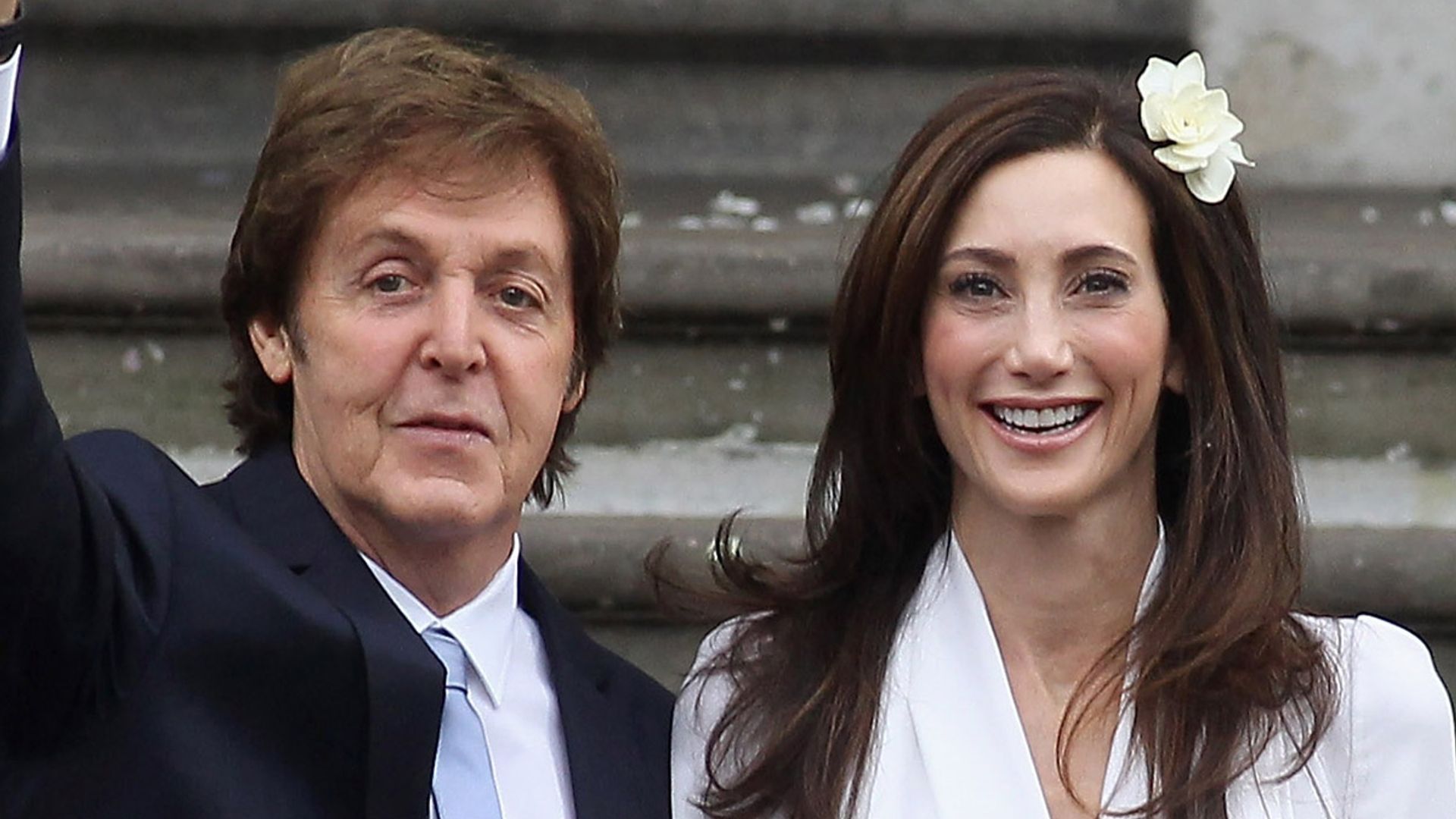
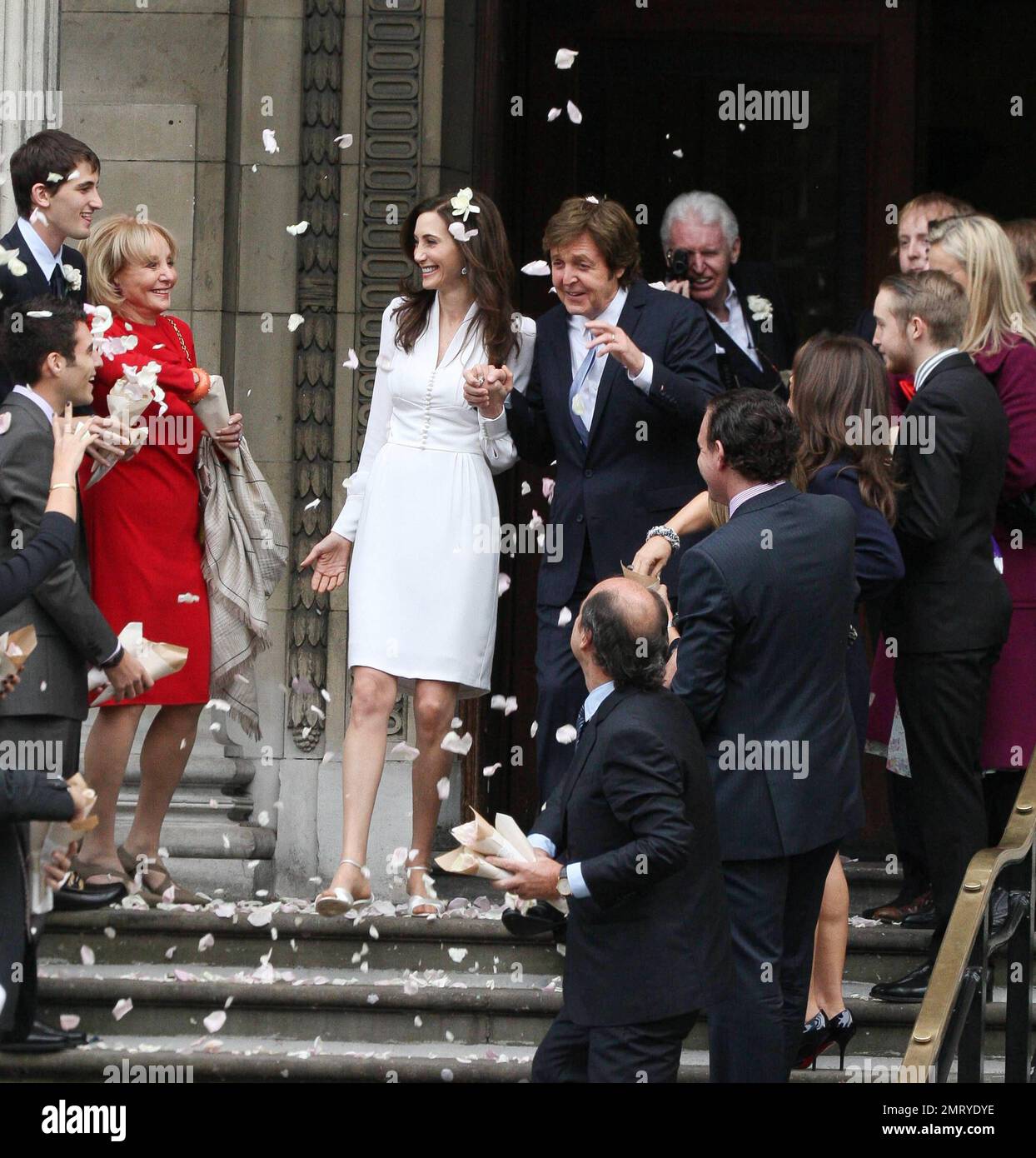
The wedding itself served as a symbolic reset of McCartney’s public image. Held at the Old Marylebone Town Hall—the exact location where Paul had married Linda in 1969—the ceremony was understated, elegant, and intimate.
Attended by close family, including Paul’s children and fellow Beatle Ringo Starr, the event was widely praised for its restraint. Stella McCartney designed the bride's dress, reflecting strong family unity and endorsement. The press coverage shifted overnight from sensationalist gossip to warm celebration, framing the event as a joyful second chance at lasting happiness for a national treasure.
Key Shifts in Public and Media Perception Post-Wedding
Since the 2011 wedding, public sentiment around Paul McCartney’s personal life has remained overwhelmingly positive. This shift manifested across several key dimensions.
1. Elimination of Financial Skepticism
During McCartney's second marriage, media coverage frequently centered on prenuptial agreements, wealth preservation, and financial motivations. Shevell’s successful business background effectively neutralized these topics. News outlets no longer questioned the motives behind the relationship, allowing coverage to focus exclusively on their companionship.
2. Restoration of the "Elder Statesman" Public Image
The quiet stability of his marriage allowed McCartney to fully reclaim his role as the revered elder statesman of popular culture. Rather than featuring in gossip columns, news stories returned to his artistic contributions:
- Massive world tours, including his record-breaking Got Back tour.
- Archival Beatles projects, landmark documentaries, and new album releases.
- Philanthropic endeavors and honors, such as his appointment as a Companion of Honour.
By stepping out of the tabloid spotlight, McCartney restored a sense of dignity to his public persona that aligned with his historical achievements.
3. The Power of Discretion: Media Respect for Privacy
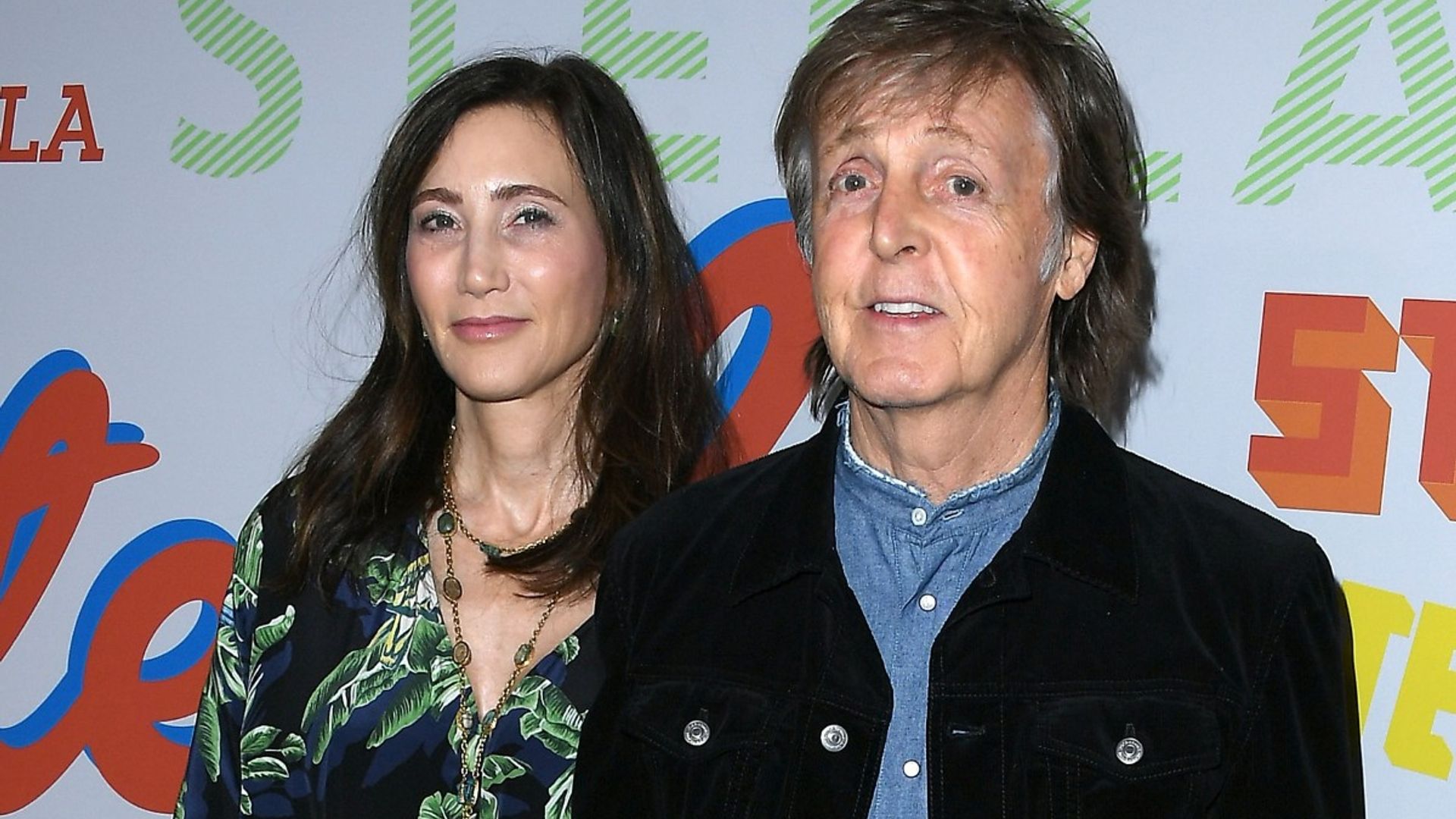
Unlike public figures who leverage personal relationships for media exposure, McCartney and Shevell prioritized discretion. Shevell rarely granted media interviews and maintained a subtle presence at public galas, music awards, and red-carpet events.
This deliberate privacy earned deep respect from journalists. British broadsheets and international music outlets adopted a protective, respectful stance toward the couple, viewing their private life as off-limits to aggressive tabloid tactics.
4. Warm Acceptance by Family, Fans, and the Beatles Circle
Public perception is heavily influenced by how an artist's inner circle responds to a partner. Stella, Mary, James, and Beatrice McCartney openly embraced Nancy Shevell, a stark contrast to the reported tensions of the mid-2000s.
Beatles fans, notoriously protective of the band’s legacy and McCartney’s personal happiness, took cues from this family harmony. Across fan forums, music journals, and social platforms, Shevell was widely embraced as a stabilizing, positive force in McCartney’s later years.
Comparative Overview: Public Perception Across Marriages
The table below outlines how media tone, public sentiment, and coverage focus evolved across Paul McCartney's three marriages.
| Marriage | Primary Public Tone | Media Coverage Focus | Privacy & Discretion | Legacy Impact |
|---|---|---|---|---|
| Linda Eastman (1969–1998) | Initially cautious; later deeply revered and beloved | Artistic collaboration, family life, animal rights advocacy | High privacy; shared public artistic life | Cemented McCartney’s image as a devoted family man |
| Heather Mills (2002–2008) | Skeptical, volatile, intensely critical | Tabloid disputes, financial settlements, public feuds | Low privacy; frequent public legal and media battles | Distracted from musical output; temporary image strain |
| Nancy Shevell (2011–Present) | Warm, respectful, widely supportive | Quiet companionship, cultural events, music legacy support | Very high privacy; minimal press interviews | Restored dignity; enabled focus on touring and archival work |
Long-Term Cultural Impact on McCartney’s Career
The stability provided by his marriage to Nancy Shevell played a subtle yet important role in McCartney's extraordinary late-career productivity. Free from personal turmoil and media distraction, McCartney entered one of the most celebrated active periods of his post-Beatles life.
Throughout the 2010s and 2020s, McCartney released critically acclaimed solo records (such as New, Egypt Station, and McCartney III), published his comprehensive biographical work The Lyrics: 1956 to the Present, and engaged with modern music technologies to complete historical Beatles recordings.
Public perception shifted from viewing McCartney as a figure bruised by tabloid drama to celebrating him as a resilient, happily married icon who continues to perform stadium concerts well into his eighties. The narrative evolved into one of resolution and grace, with Shevell viewed as the steady partner accompanying him through this victory lap of his career.
Frequently Asked Questions
When did Paul McCartney and Nancy Shevell get married?
Sir Paul McCartney and Nancy Shevell were married on October 9, 2011. The ceremony took place at the Old Marylebone Town Hall in London, followed by an intimate reception at McCartney’s home in St. John’s Wood.
How did Nancy Shevell’s background influence public perception?
Unlike media narratives that surrounded McCartney’s second marriage, Nancy Shevell was a successful businesswoman with independent wealth from her family's transportation company and her executive work. This independent background eliminated public skepticism regarding financial motives and earned widespread respect from both the media and fans.
How did Paul McCartney's children react to his marriage to Nancy Shevell?
Paul McCartney's children—including prominent fashion designer Stella McCartney—warmly embraced Nancy Shevell. Stella McCartney even designed Shevell’s wedding dress and McCartney’s suit for the 2011 ceremony, demonstrating clear family unity and public support.
Where do Paul McCartney and Nancy Shevell spend their time?
The couple divides their time between several properties, primarily maintaining residences in Sussex and London in the United Kingdom, alongside properties in New York and the Hamptons in the United States. They maintain a low-key lifestyle focused on family, art, and personal privacy.
Did the public perception of Paul McCartney’s music change after marrying Nancy?
Yes. The stability of his marriage to Shevell effectively shifted media and public attention away from tabloid coverage and back to his musical achievements. It allowed his late-career tours, new album releases, and historical Beatles retrospectives to take center stage without personal drama overshadowing his legacy.
Summary of the Shift
The transformation in public perception following Paul McCartney and Nancy Shevell’s 2011 wedding stands as a study in how discretion, independent credibility, and family harmony can restore a public figure's standing. By choosing a low-profile life built on mutual respect and shared privacy, the couple altered the media narrative entirely. For music fans and the broader public, Nancy Shevell is viewed not as a celebrity seeking the spotlight, but as the enduring partner who restored calm and happiness to one of popular music's most celebrated figures.
Image Gallery