When Is Princeton Early Action Due? Understanding Deadlines and Requirements
Princeton University's Single-Choice Early Action application deadline is November 1 for students applying for admission in the fall term, with supporting materials like teacher recommendations typically due shortly thereafter. Applyin...
Princeton University's Single-Choice Early Action application deadline is November 1 for students applying for admission in the fall term, with supporting materials like teacher recommendations typically due shortly thereafter.
Contents
Applying to an Ivy League institution like Princeton University requires meticulous planning, especially when navigating the early application rounds. For high school seniors aiming to secure an early decision on their admission status, understanding the precise timeline is critical. The college admissions landscape is unforgiving of missed deadlines, and a single day's delay can derail months of careful preparation on essays, standardized tests, and transcript collection.
Overview of Princeton’s Single-Choice Early Action Plan
Princeton University utilizes a Restrictive Early Action plan, officially designated as Single-Choice Early Action (SCEA). This program is designed for students who have identified Princeton as their absolute top-choice institution and wish to receive an admission decision earlier in the academic year than regular decision candidates. Unlike regular action plans at some other universities, Princeton’s SCEA policy comes with specific structural rules regarding where else a student may apply early.
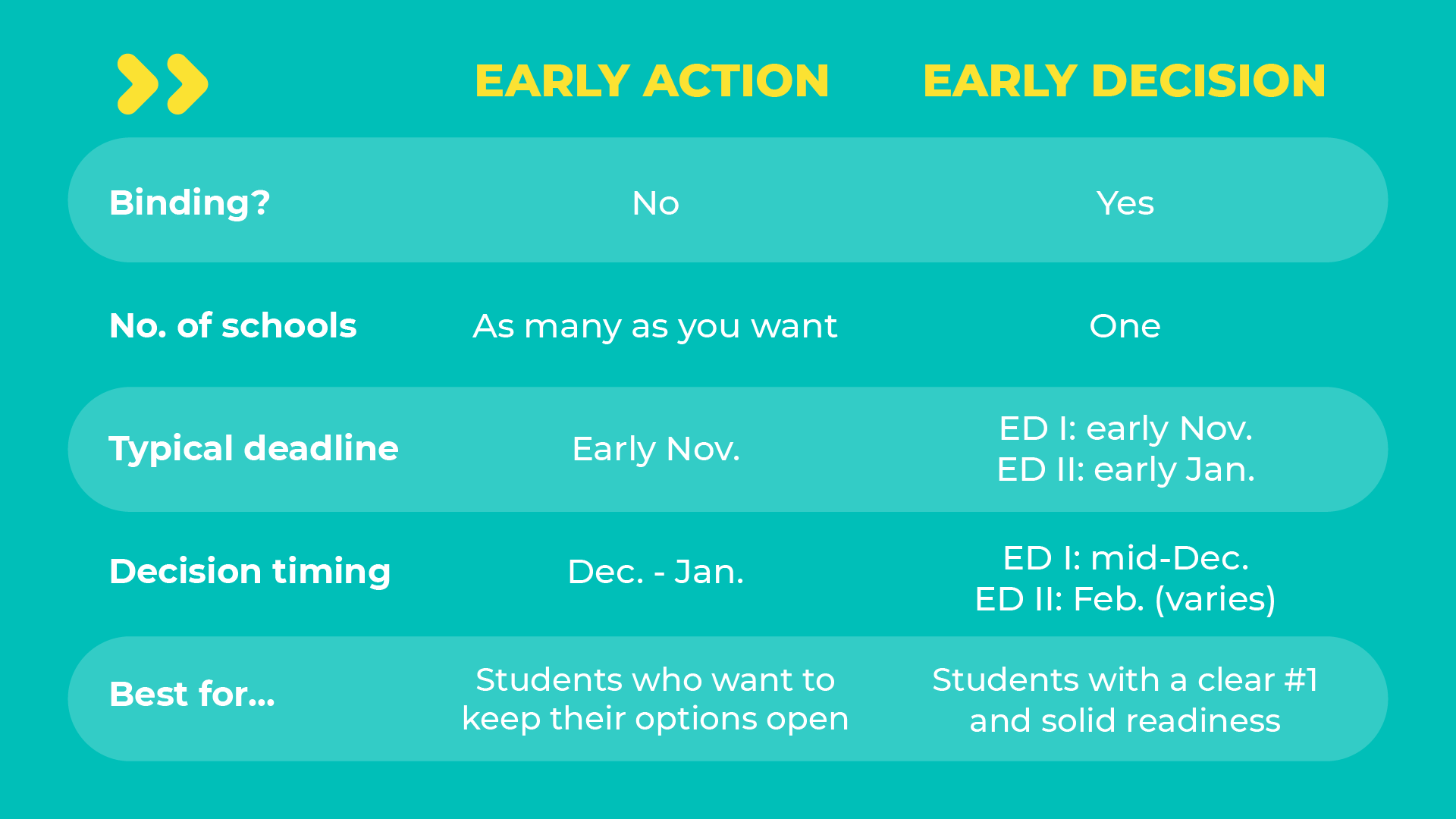
Under the Single-Choice Early Action agreement, students who apply to Princeton cannot apply for an early action or early decision program at any other single-choice private college or university. However, students are permitted to apply early to public institutions, provided those programs are non-binding (meaning the student is not obligated to attend if accepted). Additionally, students may apply to international universities under early programs, as long as those institutions do not conflict with the spirit of a non-binding early review.
The primary advantage of participating in Princeton's SCEA cycle is timing. Applicants receive notification of their admission status—whether admitted, deferred, or denied—by mid-December. For admitted students, this brings immense peace of mind and significantly compresses the college search process. For deferred students, it means their application will be re-evaluated alongside the regular decision pool, offering a second opportunity for review without requiring a brand-new submission.
The Official Princeton Early Action Due Date
The official submission deadline for Princeton University’s Single-Choice Early Action application is November 1. This deadline applies to both the application itself—submitted via either the Common Application or the Coalition Application (powered by Scoir)—and the Princeton-specific supplement questions.
To meet the November 1 cutoff, applicants must electronically submit their application materials by 11:59 p.m. local time on that date. While online portals generally remain open past midnight, relying on last-minute submissions is strongly discouraged due to potential server congestion, internet connectivity issues, or unforeseen payment processing errors.
| Application Component | Standard Deadline | Notes & Verification |
|---|---|---|
| Common App / Coalition App | November 1 | Must include the Princeton-specific supplement. |
| Application Fee or Waiver | November 1 | Paid via portal or waived via eligible fee waiver. |
| Counselor Recommendation & Transcript | Early November | High schools often require internal notice weeks prior. |
| Teacher Recommendations (2) | Early November | Direct submission by instructors via application portal. |
| Standardized Test Scores (If submitted) | November Test Dates | November scores can be rushed, but test-optional applies. |
| Graded Paper | Mid-to-Late November | Required academic writing sample submitted post-application. |
While the core application is due on November 1, supporting documentation—such as official high school transcripts, teacher evaluations, and school counselor reports—often arrives in the days immediately following. Admissions offices understand that high school administrative offices operate on varying schedules, but applicants should coordinate closely with their guidance counselors to ensure these documents are transmitted promptly after the November 1 milestone.
Essential Supporting Components and Extended Deadlines
Submitting the primary application form on November 1 is only the first phase of completing a Princeton Early Action file. Applicants must also manage several supporting documents, some of which feature slightly nuanced deadlines or require post-submission uploading.
The Graded Written Paper
One unique requirement of the Princeton undergraduate application is the submission of a graded written paper. This must be an analytical paper written for an academic course (preferably in English, history, social studies, or humanities) during the student's junior or senior year. It must include the teacher’s red ink corrections, comments, and final grade. While students should upload this document through their applicant portal as close to November 1 as possible, the university typically grants a brief grace period for supplementary items to clear processing backlogs.
Standardized Testing Policies
Princeton adheres to a test-optional policy, meaning applicants are not required to submit SAT or ACT scores to be considered for admission. For students who choose to submit scores, tests taken as late as the November test dates can usually be considered for Early Action, provided the testing agency is instructed to send the official scores directly to Princeton. However, relying on November testing introduces a race against time, as score delivery delays can leave an application incomplete.
Financial Aid Documentation
Applying Early Action at Princeton does not restrict a student's ability to apply for financial aid. In fact, Princeton meets 100% of demonstrated need for all admitted students, regardless of citizenship, using a generous no-loan financial aid policy. The financial aid application deadlines generally mirror or closely follow the admission deadlines. Families should consult the Financial Aid section of the Princeton admissions website to verify exact dates for submitting CSS Profile and tax documentation, ensuring timely evaluation of aid packages should an acceptance offer arrive in December.
Step-by-Step Checklist for Meeting the November 1 Deadline
Successfully navigating the November 1 SCEA deadline requires systematic organization and proactive communication with recommenders and high school administrators. The following sequence outlines the necessary phases to ensure a complete and polished submission.
- Select Your Application Platform: Choose either the Common Application or the Coalition Application. Create your account and link it to your high school profile.
- Complete Personal and Academic Sections: Fill out all biographical information, extracurricular activity logs, and honors sections. Ensure accuracy in course titles and grade-point averages.
- Draft the Princeton Supplement: Answer the specific short-answer questions and write the required graded paper reflection and essay prompts tailored to Princeton’s academic community.
- Secure Recommendations Early: Formally request letters of recommendation from two academic teachers and your school counselor no later than September. Give them at least four to six weeks to complete their evaluations.
- Request Official Transcripts: Instruct your high school registrar to send your official transcript, including your most recent junior year grades and senior course schedule, to Princeton.
- Submit Application and Fee: Complete the final review, pay the application fee (or submit an approved fee waiver via the Common App, College Board, or NACAC), and hit submit by November 1.
- Monitor the Applicant Portal: Within a few days of submission, you will receive login credentials for the Princeton Applicant Portal. Check this portal regularly to confirm that all supporting documents—such as transcripts and recommendations—have been received and logged by the admissions office.
Common Mistakes to Avoid When Applying Early
Many well-qualified applicants complicate their admissions journey by falling into avoidable traps surrounding early action guidelines. Recognizing these pitfalls can protect an application from administrative delays or technical disqualification.
- Waiting Until Halloween to Submit: Submitting on October 31 or November 1 increases stress levels exponentially. Technical glitches on the Common Application portal are notorious during peak traffic hours. Aiming to complete submission a full week prior to November 1 provides a safety buffer.
- Violating SCEA Restrictions: Submitting an early application to another private university with a binding or restrictive early program violates Princeton's SCEA policy. Doing so can result in the revocation of admission offers from both institutions. Always verify the early policies of other colleges on your list.
- Failing to Track Recommender Progress: Assuming that teachers or counselors have uploaded their documents simply because you asked them is risky. Use your portal tracker to monitor document status and send polite, timely reminders two weeks before the deadline.
- Submitting Unformatted Graded Papers: Uploading a clean, typed document without teacher comments for the graded paper requirement will result in an incomplete file. The document must reflect authentic classroom assessment.
Frequently Asked Questions About Princeton Early Action
When will I receive my Princeton Early Action decision?
Applicants who apply by the November 1 SCEA deadline typically receive their admission decisions in mid-December. Decisions are released online through the secure applicant portal.
Can I defer my application to Regular Decision if I change my mind?
If an applicant decides they no longer wish to participate in Single-Choice Early Action before a decision is rendered, they can request to have their application moved to the Regular Decision pool, provided they notify the admissions office in writing prior to review. However, once a decision (such as a deferral) is made in December, deferred students are automatically moved into the regular evaluation cycle.
Is Princeton’s Early Action binding?
No. Princeton’s Single-Choice Early Action is non-binding. If you are admitted in December, you are not legally or contractually obligated to enroll. You have until the traditional May 1 National Reply Date to compare financial aid offers and make your final college selection.
What happens if I am deferred in December?
A deferral means the admissions committee has chosen not to admit or deny your application in the early round, but rather to re-evaluate it alongside the broader Regular Decision applicant pool in the winter. Deferred students are usually asked to submit mid-year school reports containing senior fall semester grades and any significant new academic or extracurricular updates.
Can international students apply for Early Action at Princeton?
Yes. International students, regardless of whether they attend high school in the United States or abroad, are fully eligible to apply through the Single-Choice Early Action program. Princeton evaluates all applications under a need-blind admission policy for both domestic and international citizens.
Next Steps for Prospective Applicants
If you are preparing to submit your application for Princeton's upcoming early cycle, your immediate priority is to finalize your academic resume, polish your personal essays, and confirm that your recommenders are on schedule. Maintain open communication with your high school counseling office to ensure transcripts arrive without delay. By treating the November 1 deadline as a hard target well in advance, you can present a calm, thorough, and competitive application to the admissions committee.
Image Gallery