How and Where to Watch the Strawberry Moon in Utah: Viewing Guide and Locations
To watch the Strawberry Moon in Utah, plan to view the sky during the full moon of June—specifically around moonrise on June 29, 2026. The ideal window begins approximately 20 to 30 minutes after sunset, when the moon sits low along th...
To watch the Strawberry Moon in Utah, plan to view the sky during the full moon of June—specifically around moonrise on June 29, 2026. The ideal window begins approximately 20 to 30 minutes after sunset, when the moon sits low along the eastern horizon. Exceptional viewing spots include the Bonneville Salt Flats, Antelope Island State Park, and Utah’s dark sky parks like Bryce Canyon and Dead Horse Point.
Contents
Understanding the June Strawberry Moon
The Strawberry Moon is the traditional name given to the full moon that occurs during the month of June. The designation originates from Native American tribes, including the Algonquin, Ojibwe, and Dakota, who tracked seasonal changes by lunar phases. June marked the brief, prized harvest window for wild strawberries across eastern North America. European settlers adopted the terminology, though in traditional European folklore this lunar phase was also called the Rose Moon or the Mead Moon.
From an astronomical standpoint, the Strawberry Moon is notable for its position in the sky relative to the summer solstice. In the Northern Hemisphere, the June solstice brings the sun to its highest point of the year in the daytime sky. Because the full moon always sits directly opposite the sun in the celestial sphere, the June full moon tracks extraordinarily low across the southern sky.
- Sun at Highest Arc (Summer Solstice)
- Opposite Position
- Strawberry Moon at Lowest Arc
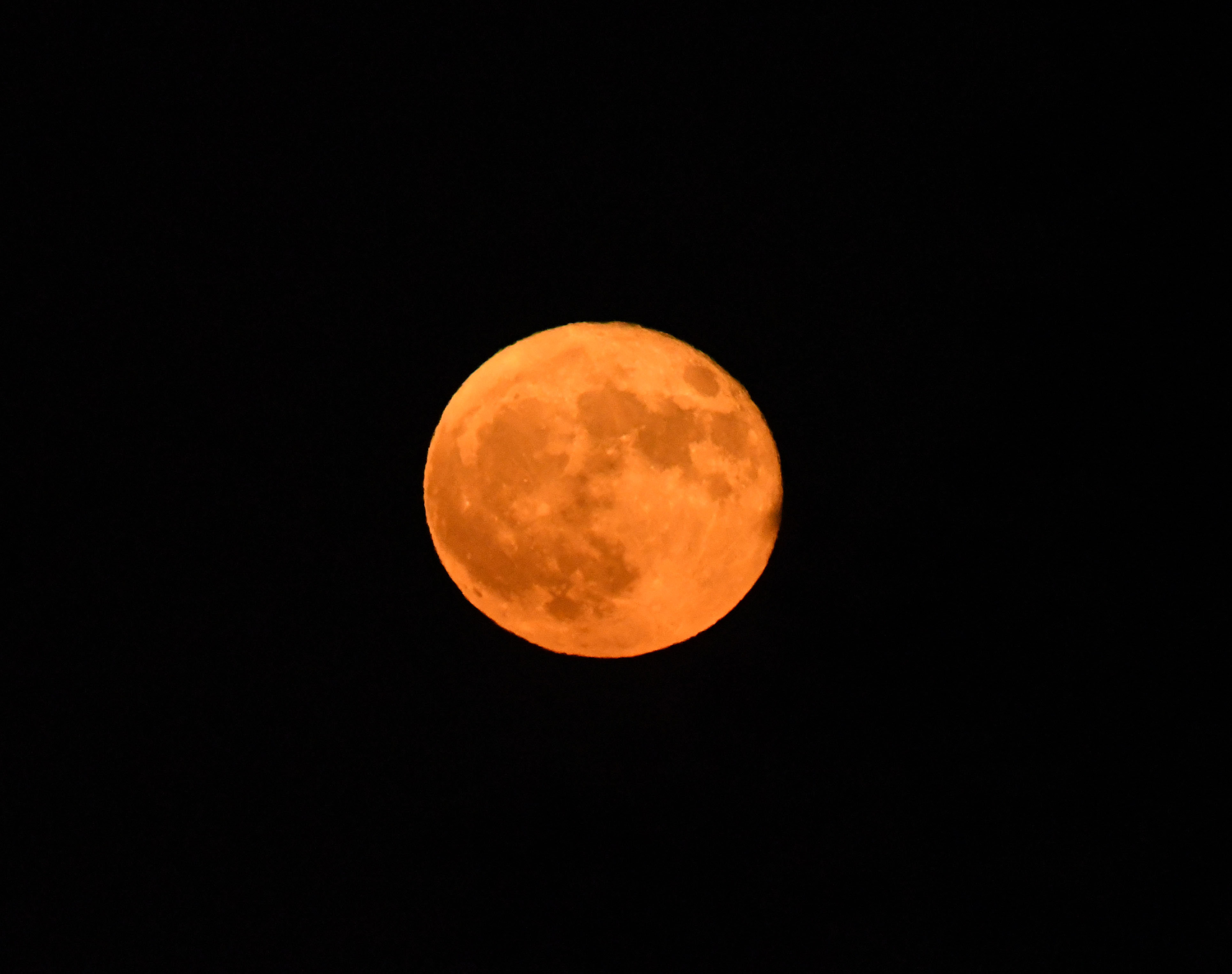
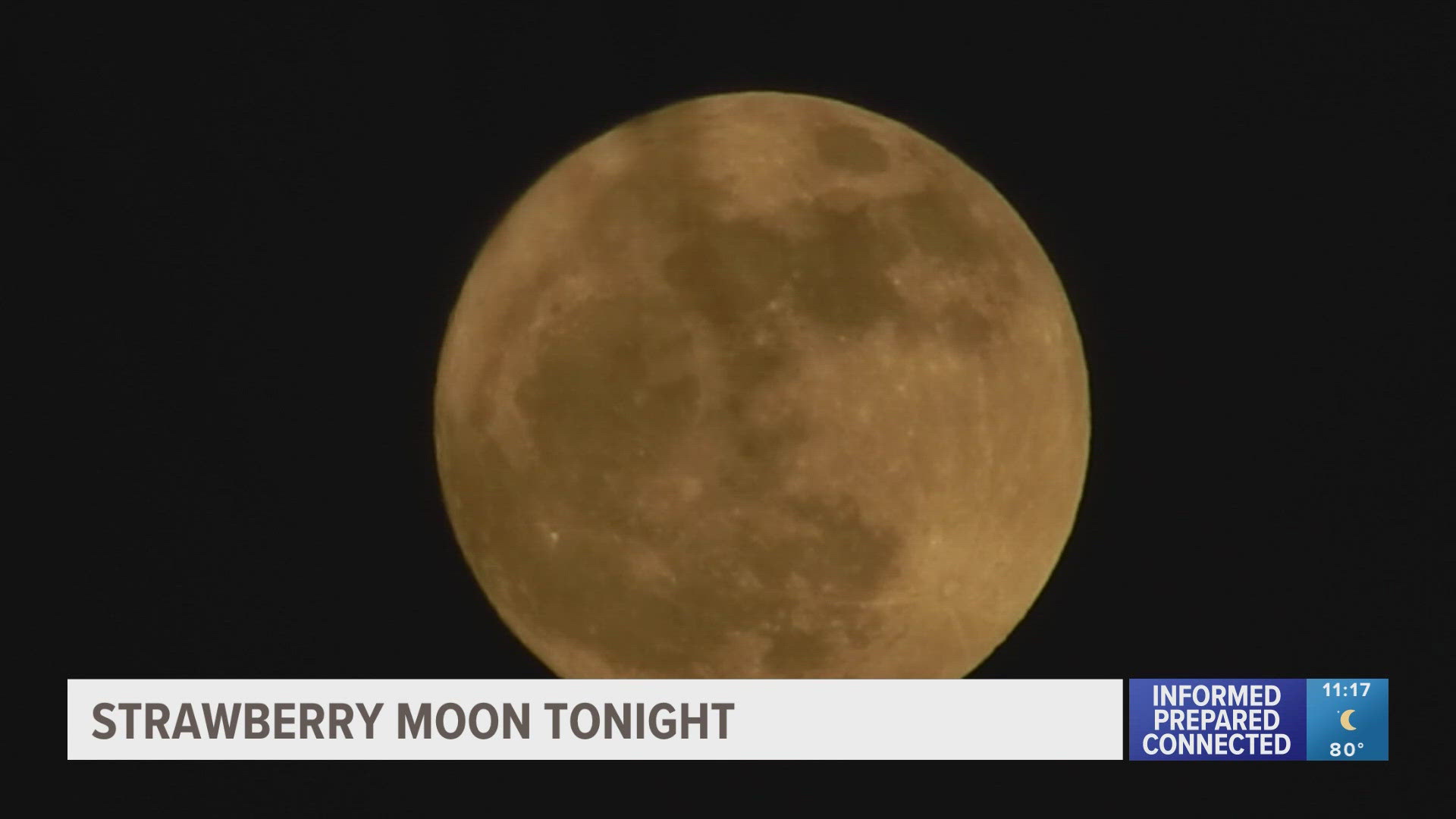
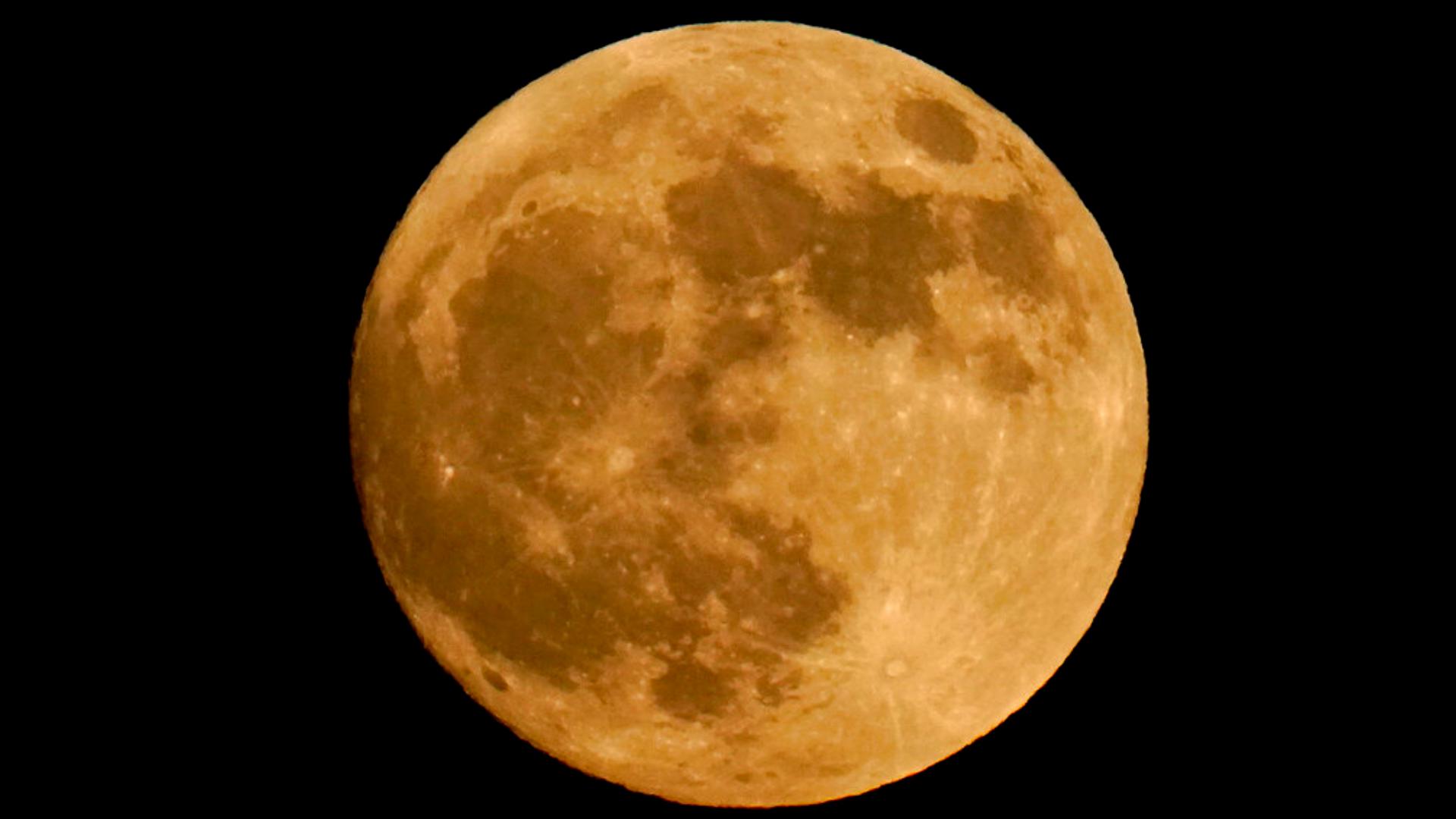
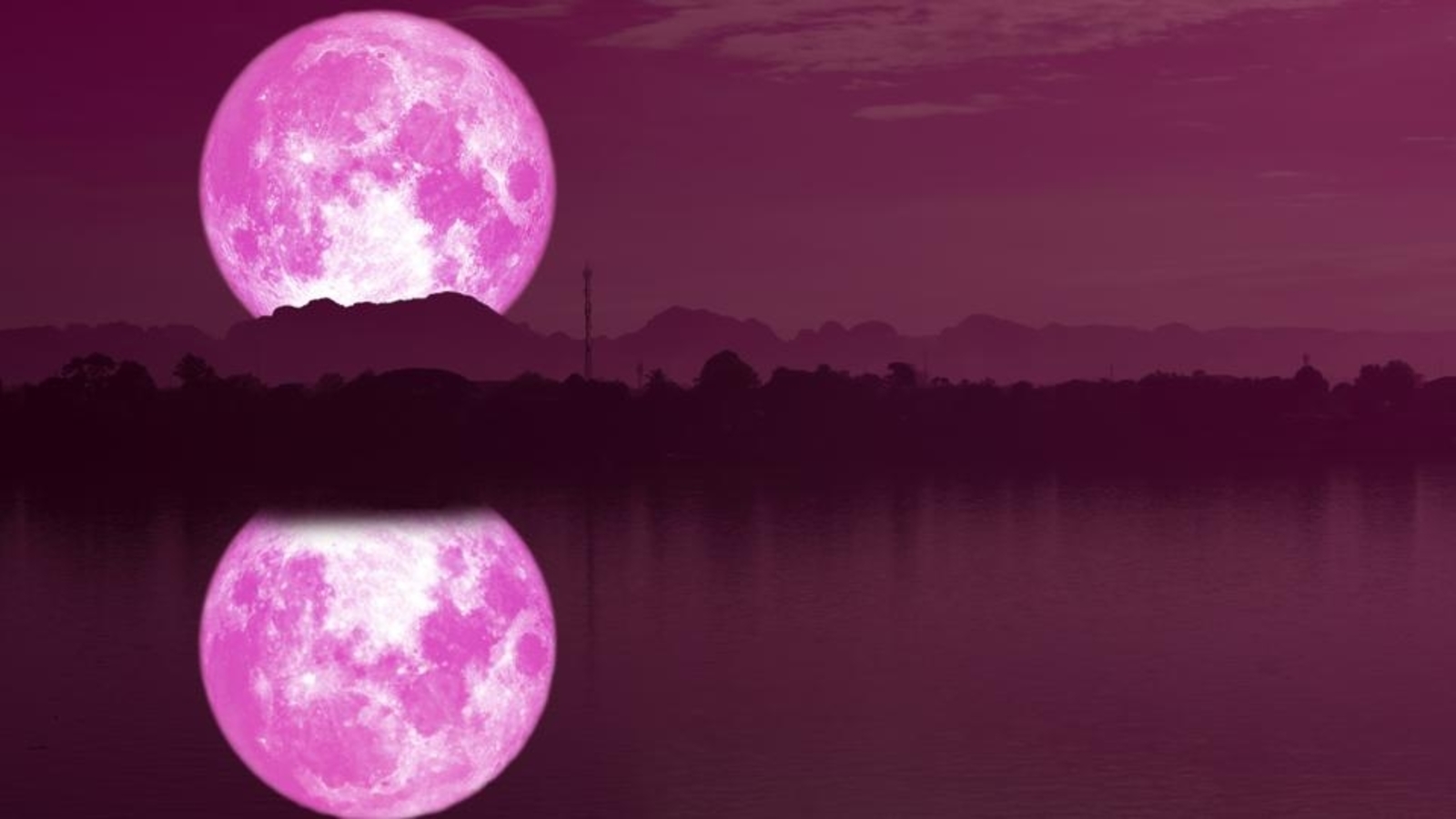
This low orbital trajectory causes the moon's light to travel through a thicker layer of Earth's atmosphere—a phenomenon known as Rayleigh scattering. As blue light wavelengths scatter away, warmer red and amber wavelengths pass through, often giving the moon a warm golden, amber, or light reddish hue when it hovers near the horizon. Combined with the optical illusions of horizon proximity, the Strawberry Moon frequently appears larger and warmer in color than full moons occurring in autumn or winter.
When to Watch the Strawberry Moon in Utah
Timing is critical for viewing the Strawberry Moon. While the moon reaches its peak astronomical alignment at a single instant worldwide, the visual spectacle is best experienced during moonrise on the evening of the full moon or the night immediately preceding it.
In 2026, the June full moon reaches 100% illumination on June 29. However, skywatchers in Utah will find excellent viewing conditions on both June 28 and June 29, 2026.
Viewing Window Timeline (Mountain Daylight Time - MDT):
- June 28, 2026 (Evening): 99%+ Illumination | Excellent low-horizon dusk lighting
- June 29, 2026 (Peak Day): 100% Illumination | Moonrise occurs shortly after sunset
- June 30, 2026 (Waning): 98%+ Illumination | Rises in darker night sky
Strategic Timing Considerations
- The Horizon Window: The most dramatic moments occur during the first 45 minutes of moonrise. As the moon breaches the eastern horizon, it contrasts against twilight gradients and landscape silhouettes.
- Sun/Moon Alignment: The best photography and observational lighting occur when moonrise closely aligns with civil twilight—typically 15 to 30 minutes after sunset. On these evenings, the natural ambient light illuminates the foreground, eliminating the harsh contrast of an otherwise pitch-black sky.
- Time Zone Adjustments: All timing in Utah follows Mountain Daylight Time (MDT). Depending on your exact location within the state, actual local horizon emergence can vary by several minutes due to eastern mountain obstructions.
Top Locations to Watch the Strawberry Moon in Utah
Utah boasts some of the clearest skies and most dramatic topography in North America. Selecting a location depends on whether you seek vast flat horizons, high-altitude alpine ridges, or stark sandstone formations.
- Utah Viewing Regions
- Northern / Wasatch (Antelope Island, Guardsman Pass)
- Central / Salt Flats (Bonneville Basin, Stansbury Range)
- Southern Desert (Bryce, Dead Horse, Goblin Valley)
1. The Bonneville Salt Flats (Northwestern Utah)
For an uninterrupted, 360-degree view of the horizon, few places rival the Bonneville Salt Flats near Wendover.
- Why It Works: Because the horizon is almost completely flat in every direction, you can watch the moon break the line of the distant mountains right at its true astronomical rise time.
- Viewing Experience: The stark white salt surface reflects the fading twilight hues, creating a surreal backdrop as the amber moon rises across the eastern sky.
- Logistics: Located off Interstate 80, approximately 110 miles west of Salt Lake City. Access is straight off public rest areas or designated salt crust access points. Check mud conditions before driving onto the salt.
2. Antelope Island State Park (Great Salt Lake)
As an accredited International Dark Sky Park, Antelope Island provides high-quality sky viewing close to the Wasatch Front urban corridor.
- Why It Works: Elevated ridges along the island offer sprawling eastern views across the Great Salt Lake toward the Wasatch Mountain Range.
- Viewing Experience: Watch the moon rise above the rugged mountain peaks across the lake while listening to the sounds of shorebirds and seeing bison roaming the slopes.
- Logistics: A park entry fee applies. The causeway connects from Syracuse, Utah. Check park gate hours, as late-night stargazing permits or evening programs may be required for post-closing access.
3. Bryce Canyon National Park (Southern Utah)
Renowned worldwide for its high elevation and dark skies, Bryce Canyon sits between 8,000 and 9,000 feet above sea level.
- Why It Works: High elevation reduces atmospheric density and aerosol distortion, providing crisp clarity once the moon climbs above the horizon line.
- Viewing Experience: Viewing from points along the amphitheater rim—such as Sunrise Point or Inspiration Point—allows observers to watch the warm moonbeams cast soft shadows across thousands of red rock hoodoos.
- Logistics: Nighttime temperatures at 8,000+ feet drop significantly even in late June. Layered clothing, thermal jackets, and headlamps with red-light modes are essential.
4. Dead Horse Point State Park & Canyonlands (Moab Area)
Overlooking the carved meanders of the Colorado River, Dead Horse Point provides vast vistas of eastern sky over canyon country.
- Why It Works: High plateau overlooks give an unobstructed line of sight toward the La Sal Mountains to the east.
- Viewing Experience: The low June moon illuminates the carved canyon floors beneath, creating a stark high-contrast landscape of shadows and red sandstone.
- Logistics: Located 45 minutes from Moab. The park stays open late, and designated viewing platforms provide safe access along high cliff edges.
5. Guardsman Pass & Big Cottonwood Canyon (Wasatch Range)
For residents in Salt Lake City, Park City, or Utah Valley who prefer a short drive, alpine passes offer clean mountain air and quick access.
- Why It Works: Guardsman Pass connects Big Cottonwood Canyon to Park City, reaching an elevation over 9,700 feet.
- Viewing Experience: Observers can view the rising moon above eastern alpine ridges, framed by aspen groves and evergreen forest contours.
- Logistics: Scenic mountain roads are fully open by late June. Pullouts along the pass fill quickly, so arriving early before sunset is recommended.
Location Comparison Guide
To help choose the right viewing destination based on your location, travel preferences, and equipment, review the comparison table below.
| Location | Region | Dark Sky Status | Primary Visual Feature | Topographic Horizon Obstruction | Distance from Salt Lake City |
|---|---|---|---|---|---|
| Bonneville Salt Flats | Northwestern Utah | Very Dark (Class 1-2) | 360° flat horizon, salt reflections | Minimal / Near zero | ~110 miles (1.5 hrs) |
| Antelope Island | Davis County | Certified Dark Sky Park | Lake reflections, Wasatch backdrop | Moderate (Wasatch Range east) | ~40 miles (50 mins) |
| Bryce Canyon | Southwestern Utah | Certified Dark Sky Park | Hoodoo silhouettes, high clarity | Low to Moderate | ~270 miles (4 hrs) |
| Dead Horse Point | Southeastern Utah | Certified Dark Sky Park | Canyonlands floor, La Sal frame | Low to Moderate | ~240 miles (3.5 hrs) |
| Guardsman Pass | Wasatch Mountains | Moderate Rural | High alpine trees, mountain crests | High (Immediate peaks) | ~35 miles (50 mins) |
| Goblin Valley | Central/East Utah | Certified Dark Sky Park | Eerie mushroom-rock shadows | Low | ~225 miles (3.5 hrs) |
Practical Planning and Observation Strategies
Observing a full moon effectively requires more than simply heading outside at night. Proper preparation ensures you catch the exact moment of horizon emergence.
Preparation Checklist:
- Verify local moonrise time & azimuth angle
- Account for mountain height delaying sightlines
- Arrive 45 minutes before moonrise
- Prepare red-light flashlight & cold-weather layers
1. Calculate the Eastern Horizon Delay
Utah’s dramatic geography introduces a variable known as mountain horizon delay. If you are positioned directly west of a major peak (such as Mount Timpanogos or Mount Lone Peak), the moon will not become visible at its technical astronomical moonrise time. Instead, it must first climb above the physical mountain crest.
- Strategy: Use topographical planning apps or solar/lunar mapping tools (such as SunCalc or The Photographer's Ephemeris) to project the moon’s compass heading (azimuth) relative to nearby peaks.
- Rule of Thumb: Every 1,000 feet of mountain elevation directly east of your position delays visual moonrise by roughly 5 to 12 minutes depending on distance.
2. Arrive 45 Minutes Before Moonrise
Arriving early allows you to settle in during the sunset window. Sunset lighting provides context for the landscape, letting you establish your viewing vector before dusk sets in.
3. Dress for Rapid Temperature Drops
Even during late June, high-desert and mountain environments in Utah experience swift cooling after sunset. Elevations above 7,000 feet (such as Bryce Canyon or Guardsman Pass) can comfortably hover in the 70s during the day and drop into the low 40s or high 30s (°F) shortly after dark. Bring thermal layers, blankets, and windbreakers.
4. Respect Dark Sky Etiquette
When visiting designated International Dark Sky Parks, protect the night vision of fellow observers:
- Use red LED flashlights or headlamps instead of white light.
- Turn off vehicle headlights promptly upon parking.
- Avoid shining flashlights toward open canyon rims or down into viewing amphitheaters.
How to Photograph the Strawberry Moon in Utah
Photographing the low June full moon requires balancing the extreme brightness of the lunar surface against the surrounding landscape.
Camera Setup Quick Reference
| Parameter | Specification |
|---|---|
| Tripod | Heavy-duty, stable frame |
| Lens | 200mm – 600mm focal length |
| Shutter Speed | 1/125s to 1/250s (prevents motion blur) |
| Aperture | f/8 to f/11 (sharpest optics point) |
| ISO | 100 – 400 (minimizes sensor noise) |
1. Equipment Recommendations
- Telephoto Lens: To make the moon appear large relative to landscape foregrounds, use a lens with a focal length of at least 200mm to 600mm. Wide-angle lenses render the moon as a tiny white dot in the frame.
- Sturdy Tripod: Telephoto lenses amplify slight camera shakes. A stable tripod is non-negotiable, particularly in windy desert locations like Bonneville or Dead Horse Point.
- Remote Shutter Release: Use a cable release, wireless remote, or 2-second camera timer to prevent vibration from manual button presses.
2. Exposure Settings and Technique
The full moon is illuminated directly by unfiltered sunlight, making it surprisingly bright. Treating the moon as a brightly lit sunlit object prevents overexposure.
- Exposure Mode: Switch to Manual (M) mode. Automatic exposure settings will overexpose the moon into an featureless white blob because the surrounding dark sky tricks the light meter.
- Aperture: Set your aperture between f/8 and f/11 to utilize your lens's sharpest sweet spot.
- Shutter Speed: Keep shutter speeds relatively fast—between 1/125s and 1/250s. The Earth and moon move surprisingly fast relative to long focal lengths; shutter speeds slower than 1/15s introduce motion blur.
- ISO: Keep your ISO low (ISO 100 to 400) to ensure crisp detail and avoid sensor digital noise.
- Focusing: Turn off autofocus. Use live-view display mode, zoom in digitally on the moon's surface craters, and manually adjust focus until the edges are razor-sharp.
Frequently Asked Questions
Will the Strawberry Moon actually look pink or red?
Not typically. The name "Strawberry Moon" refers to the June wild strawberry harvest season, not the physical color of the moon. However, because the June full moon stays low in the sky, atmospheric Rayleigh scattering often gives it a warm amber, yellow, or reddish-orange tint when it is close to the horizon, similar to a sunset.
What is the exact best time to watch the moonrise in Utah?
The most visually striking window is during the first 30 to 45 minutes after moonrise. This occurs shortly after sunset on the evening of the full moon. During this period, the moon rises through the colorful horizon light, allowing you to view both landscape details and lunar features simultaneously.
Do I need a telescope or special equipment to see the Strawberry Moon?
No special equipment is required. The Strawberry Moon is fully visible to the naked eye. Binoculars (such as 7x50 or 10x50 models) or a modest spotting scope enhance your view, allowing you to clearly see lunar maria (dark plains) and prominent craters along the lunar limb.
Is viewing better from Northern Utah or Southern Utah?
Both regions offer unique advantages. Northern Utah features dramatic wide spaces like the Bonneville Salt Flats and high alpine views in the Wasatch Range. Southern Utah offers lower light pollution levels, world-class dark sky designations, and dramatic sandstone silhouettes like those found at Bryce Canyon and Canyonlands.
What should I do if clouds block the horizon on the peak full moon night?
The moon appears effectively 99% full on both the night before and the night after the exact astronomical full phase. If clouds obscure the horizon on peak night, plan to view moonrise the preceding evening or moonset the following morning just before sunrise.
Final Guidance and Next Actions
To ensure an unforgettable Strawberry Moon experience in Utah, finalize your plans early:
- Select Your Destination: Choose between vast open horizons (Bonneville Salt Flats) or dramatic topography (Bryce Canyon, Antelope Island).
- Check Local Weather & Cloud Cover: Monitor cloud forecasts through the National Weather Service or specialized astronomical seeing apps 24 hours in advance.
- Confirm Moonrise Times: Calculate the exact moonrise time for your chosen destination's zip code and adjust for high eastern terrain.
- Pack Essential Gear: Bring warm clothing layers, a tripod and telephoto lens if photographing, red LED lights, and adequate water for dry desert environments.
With proper timing and location selection, watching the June Strawberry Moon clear Utah's rugged horizons provides one of the year's most memorable astronomical displays.
Image Gallery