Jan Karon Net Worth: How the Mitford Author Built Her Fortune
Jan Karon's net worth is estimated between $10 million and $15 million. The majority of her wealth stems from the immense commercial success of her 14-book Mitford series, which has sold over 40 million copies worldwide, alongside roya...
Jan Karon's net worth is estimated between $10 million and $15 million. The majority of her wealth stems from the immense commercial success of her 14-book Mitford series, which has sold over 40 million copies worldwide, alongside royalties from audiobooks, companion works, and a lucrative prior career as a senior advertising executive.
Contents
Understanding Jan Karon's Financial Profile
Determining the exact financial portfolio of a private individual requires examining historical career earnings, published catalog performance, industry standard royalty rates, and corporate secondary ventures. Unlike publicly traded executives whose compensation is disclosed in regulatory filings, published authors maintain private financial accounts. However, industry reporting, book sales metrics, and media adaptation deals provide a clear picture of Jan Karon's wealth accumulation over her decades-long career.
With over 40 million total books sold across her publishing lifetime, Karon stands among the most commercially successful American novelists of the late 20th and early 21st centuries. Her net worth reflects a combination of high-earning corporate executive employment in advertising, massive upfront advances and ongoing backlist royalties from major publishing houses, ancillary audio and foreign translation rights, and television option licensing.
The Early Career: Financial Foundation in Advertising
Before achieving literary stardom in her fifties, Jan Karon (born Janice Meredith Hall in 1937) established financial stability through a successful corporate career in advertising. Entering the field at age 18, she spent over three decades climbing the ranks of major advertising agencies in North Carolina.
Karon eventually rose to become Vice President and Creative Director at McKinney & Silver, a prominent advertising firm based in Raleigh, North Carolina. During her tenure in advertising, she produced award-winning campaigns, earning a prestigious CLIO Award for her creative work.
Her executive salary, bonuses, and profit-sharing arrangements during the peak of her advertising career provided the necessary capital reserve that later allowed her to make a risky mid-career transition. In 1988, at age 50, Karon resigned from her executive position to pursue full-time creative writing in Blowing Rock, North Carolina. Without the financial buffer accumulated during her thirty years in advertising, taking the time to write her first novel without an immediate publisher would not have been financially viable.
The Mitford Series: The Primary Engine of Her Wealth
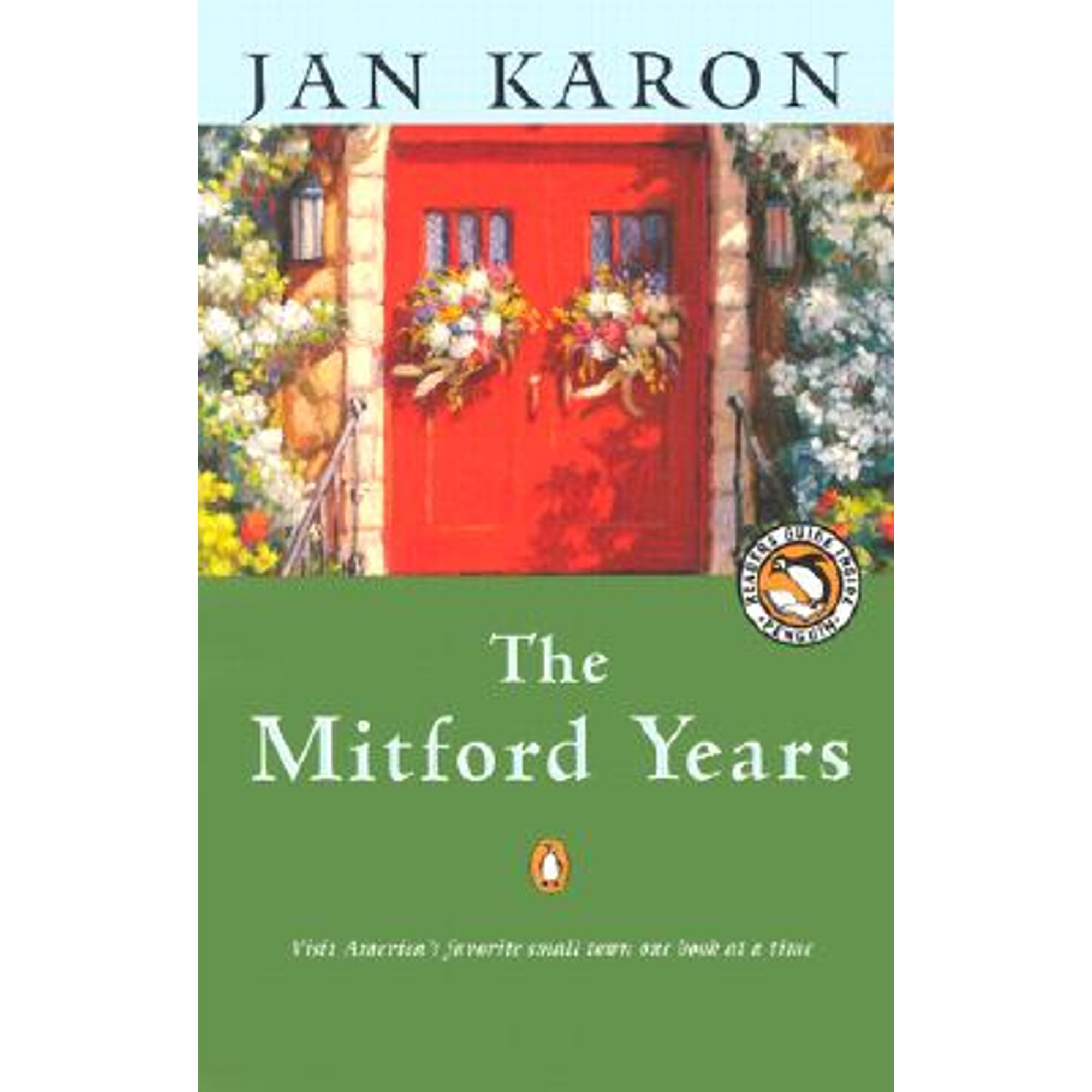
The centerpiece of Jan Karon’s wealth generation is the Mitford series, a collection of small-town Christian fiction centered on Father Tim Kavanagh, an Episcopal priest living in the fictional North Carolina town of Mitford.
Origins and Grassroots Syndication
Karon began writing the first installment, At Home in Mitford, while living on modest savings in Blowing Rock. To build an audience, she initially serialized the story in the local weekly newspaper, The Smoky Mountain Times in Bryson City, North Carolina.
In 1994, Lion Publishing released the novel in book format. Recognizing its broad appeal, Viking Penguin acquired the rights shortly thereafter, republishing the title and distributing it across global commercial retail networks.
Book Sales and Royalty Economics
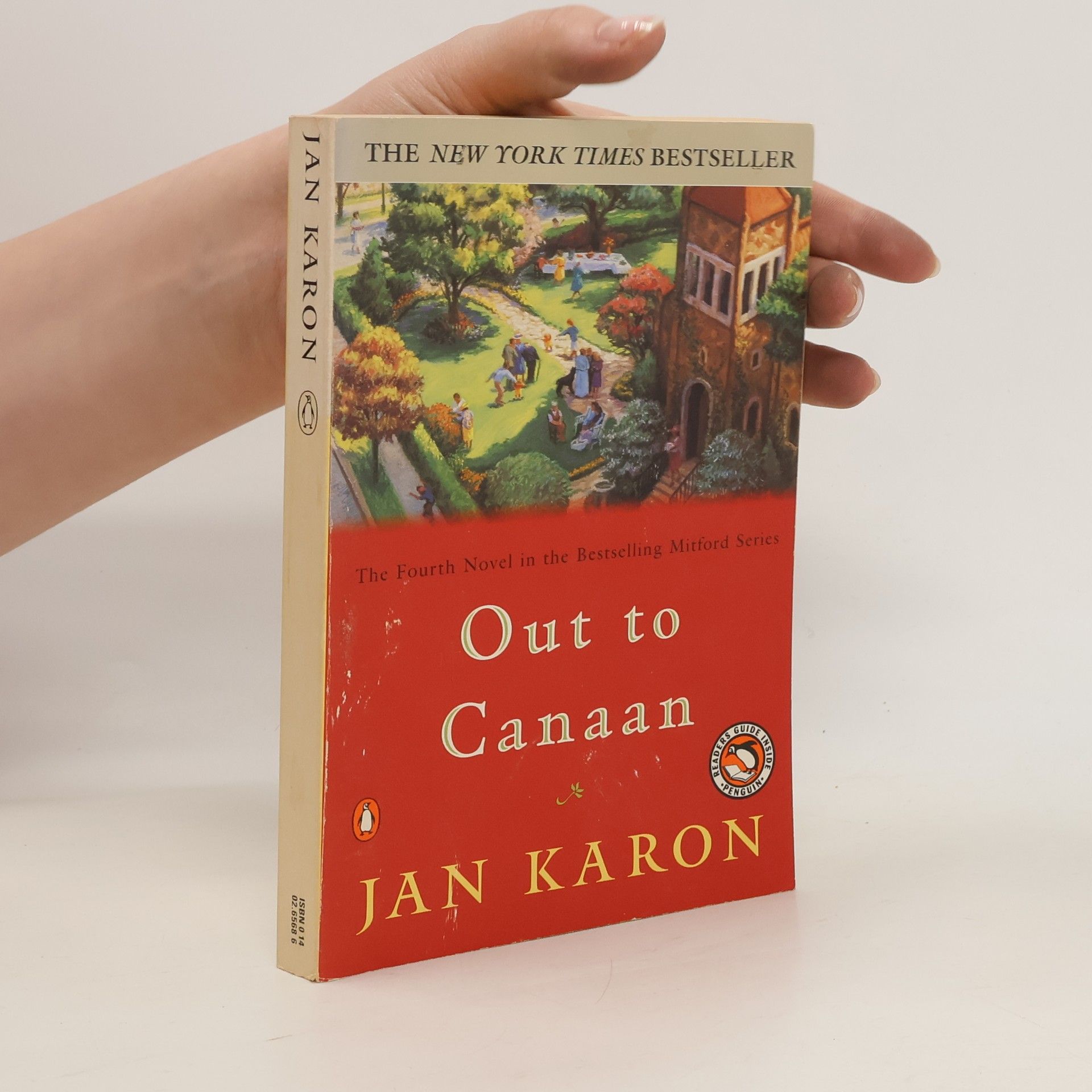
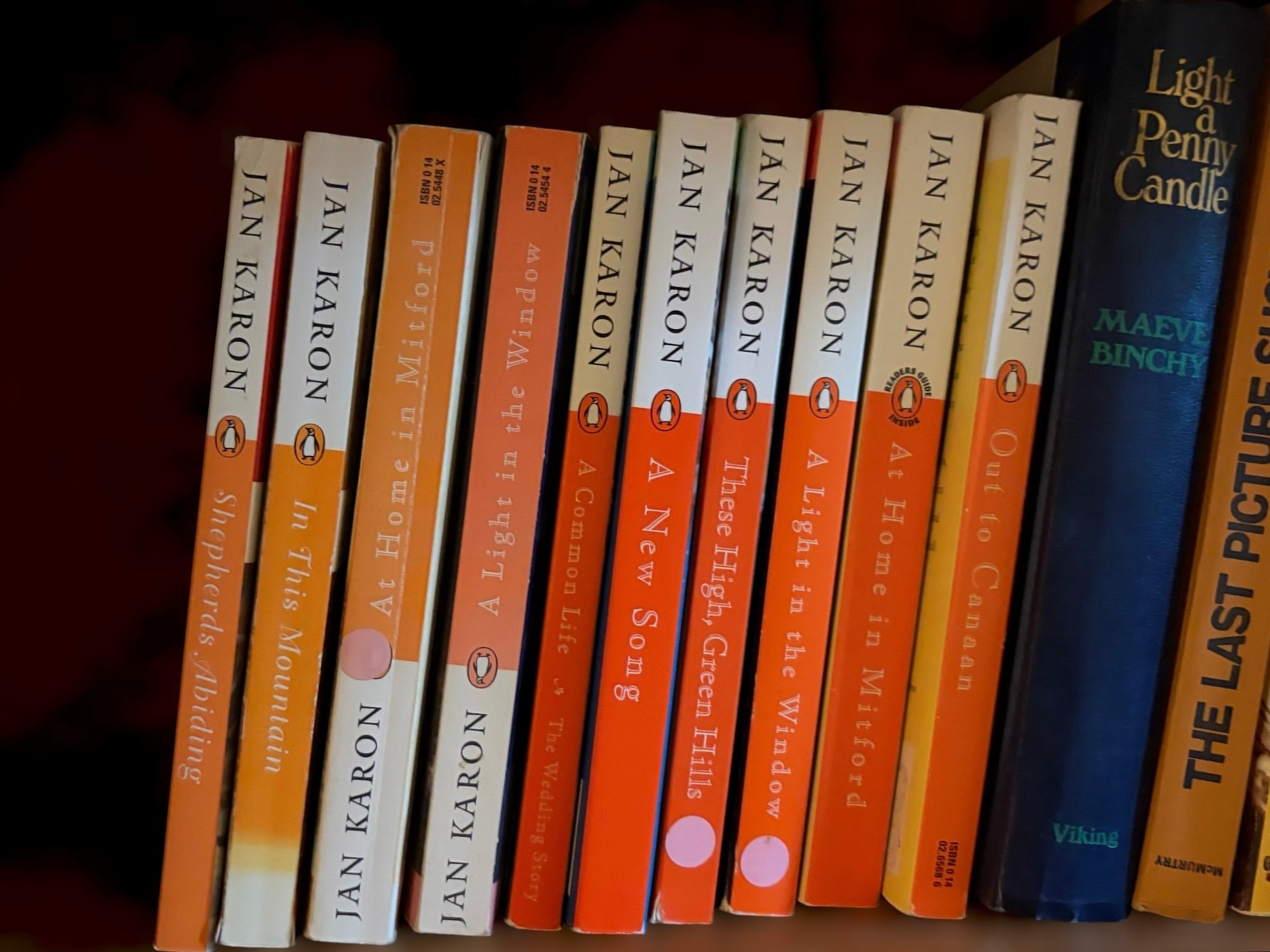
The commercial trajectory of the Mitford series quickly reached blockbuster proportions. The series expanded to 14 mainline novels, including bestsellers such as A Light in the Window, These High, Green Hills, Out to Canaan, and A New Song.
To understand how 40 million book sales translate into net worth, consider standard trade publishing compensation models:
- Hardcover Royalties: Traditionally 10% to 15% of the list price per copy sold.
- Paperback Royalties: Traditionally 7.5% to 10% of the list price.
- E-book & Digital Audio Royalties: Typically 25% of publisher net revenue.
With multiple titles spending consecutive weeks on The New York Times Bestseller list, Karon's cumulative gross earnings from traditional print and digital book sales have comfortably exceeded tens of millions of dollars before taxes, agent fees, and management expenses.
Total Global Sales: > 40 Million Copies Mainline Novels: 14 Primary Titles Peak Bestseller Status: #1 New York Times Bestseller
Backlist Catalog Performance
In traditional book publishing, a writer's "backlist"—titles published in prior years that remain continuously in print—provides recurring passive income. Because the Mitford series serves as an evergreen collection often gifted during holidays or recommended within reading groups and churches, Karon’s older titles generate consistent royalty checks decades after their initial release dates.
Beyond Mainline Novels: Auxiliary Income Streams
While the primary Mitford novels account for the vast majority of her literary income, Karon diversified her intellectual property into several complementary product categories.
Children’s Literature and Devotionals
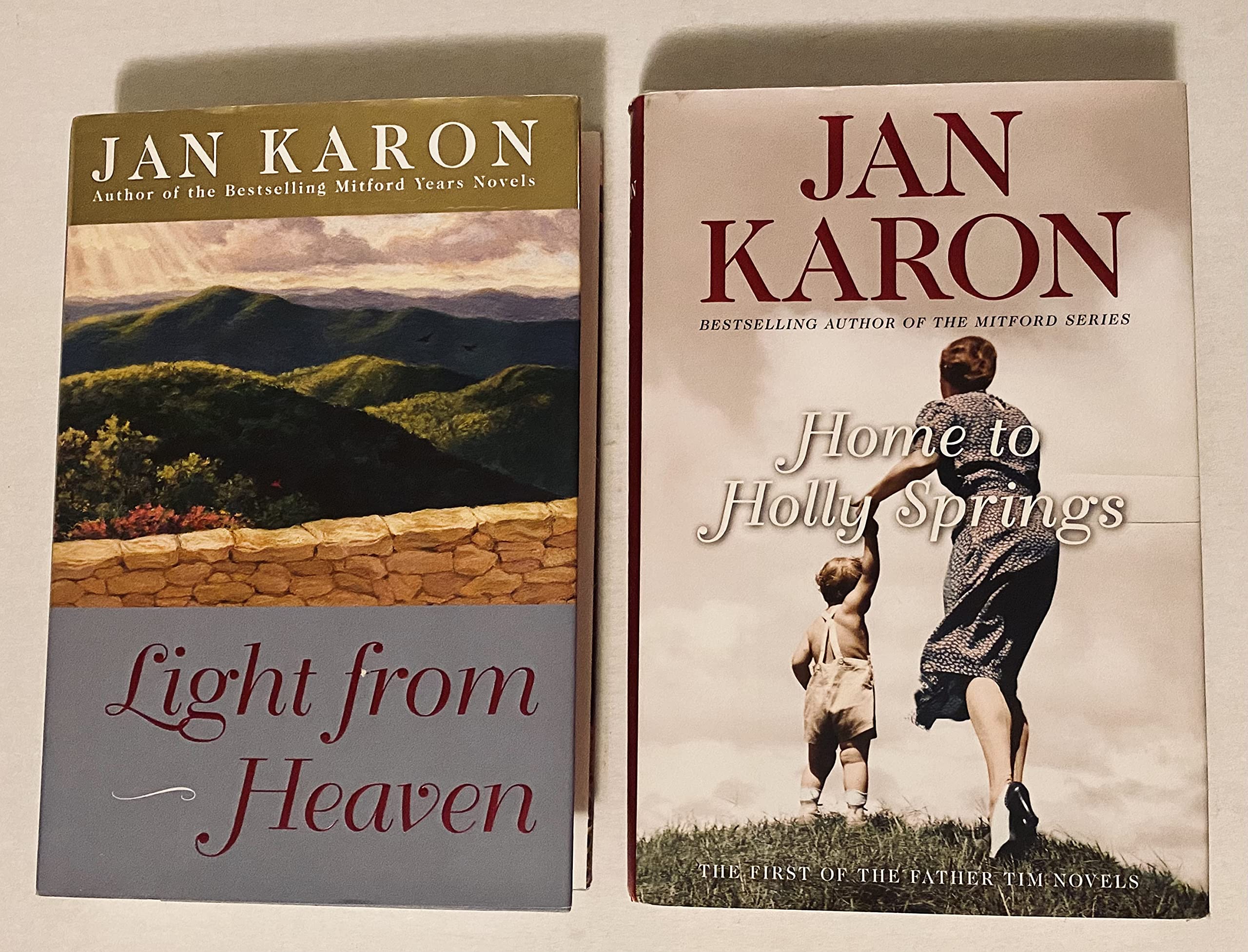
Expanding her readership, Karon authored several children's picture books, including Miss Fannie's Hat and Jeremy: The Tale of an Honest Bunny. She also authored non-fiction titles, devotional collections, and companion books such as The Mitford Bedside Companion and Patches of Godlight. These releases generated additional advance payments and royalty streams, capturing sales outside the core adult fiction market.
Culinary and Lifestyle Tie-Ins
The fictional setting of Mitford prominently featured classic Southern comfort foods. Capitalizing on reader demand, Karon partnered with her daughter, Candace Freeland, to publish Jan Karon’s Mitford Cookbook & Kitchen Reader. This volume combined recipes mentioned in the series with original essays, creating another revenue-generating product line.
Audiobooks and Foreign Translations
Audiobook adaptations represent a rapidly growing share of author earnings. The Mitford audiobooks, narrated by veteran voice actor John McDonough as well as Karon herself, sold extensively through digital platforms like Audible and physical CD sets. Furthermore, foreign rights licensing allowed her novels to be translated into dozens of languages across Europe, Asia, and Latin America, supplying international advance checks and international royalty distributions.
Film and Television Rights
Media rights licensing represents a significant cash injection for bestselling authors. In 2017, Hallmark Movies & Mysteries adapted At Home in Mitford into a original television film starring Cameron Mathison and Andie MacDowell. Optioning film and television rights provides creators with upfront option fees, purchase fees upon production, and potential backend profit participation.
Career Financial Milestones
The table below outlines key milestones in Jan Karon's career and their corresponding financial impact.
| Career Phase | Timeframe | Primary Focus | Key Financial Driver | Est. Economic Impact |
|---|---|---|---|---|
| Advertising Executive | 1955–1988 | Creative Direction at McKinney & Silver | Salary, Bonuses, Profit-Sharing | High Corporate Income; Built Initial Savings Reserve |
| Early Publishing | 1988–1994 | Newspaper Serialization & Initial Book Releases | Small Advances & Regional Print Runs | Modest Income; Reinvestment in Writing Career |
| Mainstream Bestseller Era | 1995–2005 | Mainline Mitford Novels (Viking/Penguin) | Massive Hardcover/Paperback Royalties | Tens of Millions in Gross Royalty Revenue |
| Brand Expansion | 2006–Present | Audiobooks, Cookbooks, Devotionals, Media Adaptations | Backlist Royalties, Rights Licensing, Media Options | Multi-Million Dollar Ongoing Passive Income Stream |
Real Estate and Financial Stewardship
A significant component of an individual's net worth is tied to physical assets, particularly real estate. Karon’s real estate transactions over the years reflect both personal comfort and prudent financial management.
After leaving Raleigh in the late 1980s, Karon purchased a historic home in Blowing Rock, North Carolina, the town that provided partial geographic inspiration for Mitford. As her income escalated in the late 1990s and 2000s, she acquired property in Charlottesville, Virginia, investing in historic homes that she restored.
Unlike many public figures who engage in lavish spending, Karon has maintained a relatively modest, private lifestyle centered on writing, gardening, and historic preservation. Her capital has largely been directed into conservative investments, asset preservation, and philanthropic giving.
Philanthropic Contributions
Karon’s personal financial stewardship includes substantial charitable giving. Her donations frequently focus on:
- Literacy and Public Libraries: Supporting educational access and community libraries in rural areas.
- Historic Preservation: Funding local projects dedicated to protecting historical buildings in North Carolina and Virginia.
- Faith-Based Initiatives: Donating to Episcopal churches, Christian charities, and humanitarian relief organizations.
Frequently Asked Questions
What is Jan Karon's estimated net worth?
Jan Karon's net worth is estimated to be between $10 million and $15 million. This estimate incorporates her lifetime book sales, audiobook royalties, foreign translation rights, previous executive advertising career, and real estate holdings.
How many copies of the Mitford series have been sold?
The Mitford book series has sold over 40 million copies worldwide. It has been printed in multiple formats, including hardcover, trade paperback, mass-market paperback, e-book, and audiobook formats.
Did Jan Karon earn her fortune entirely from writing?
No. While the majority of her wealth was accumulated through book royalties and publishing deals following her breakout success in the 1990s, Karon spent over 30 years as a successful advertising executive, serving as Vice President and Creative Director at McKinney & Silver. This career provided the initial capital required to transition into full-time fiction writing.
Has Jan Karon received money from movie or TV adaptations?
Yes. Karon earned option fees and licensing compensation when her debut novel, At Home in Mitford, was adapted into a Hallmark Channel television movie in 2017. Authors receive upfront option fees and licensing payments when production companies purchase screen rights to their books.
Does Jan Karon still receive royalties from her older books?
Yes. Because the Mitford series consists of perennial bestsellers, Karon continues to earn backlist royalties. Older titles remain in print and sell continuously through digital e-book marketplaces, print retailers, and audiobook streaming services.
Practical Takeaway for Aspiring Writers and Business Professionals
Jan Karon’s career trajectory offers several practical financial lessons for authors and creative professionals:
- Build a Financial Cushion: Karon did not leave her primary career on impulse; she relied on savings accumulated during three decades in advertising to fund her initial years as an unpublished novelist.
- Retain and Monetize Intellectual Property: Diversifying a core creative idea across print, digital, audio, cookbooks, and media licensing creates multiple independent streams of revenue from a single underlying universe.
- Focus on Backlist Value: Evergreen stories that readers re-read and gift to others create long-term equity. A deep backlist generates recurring passive income long after the initial marketing push finishes.
Image Gallery