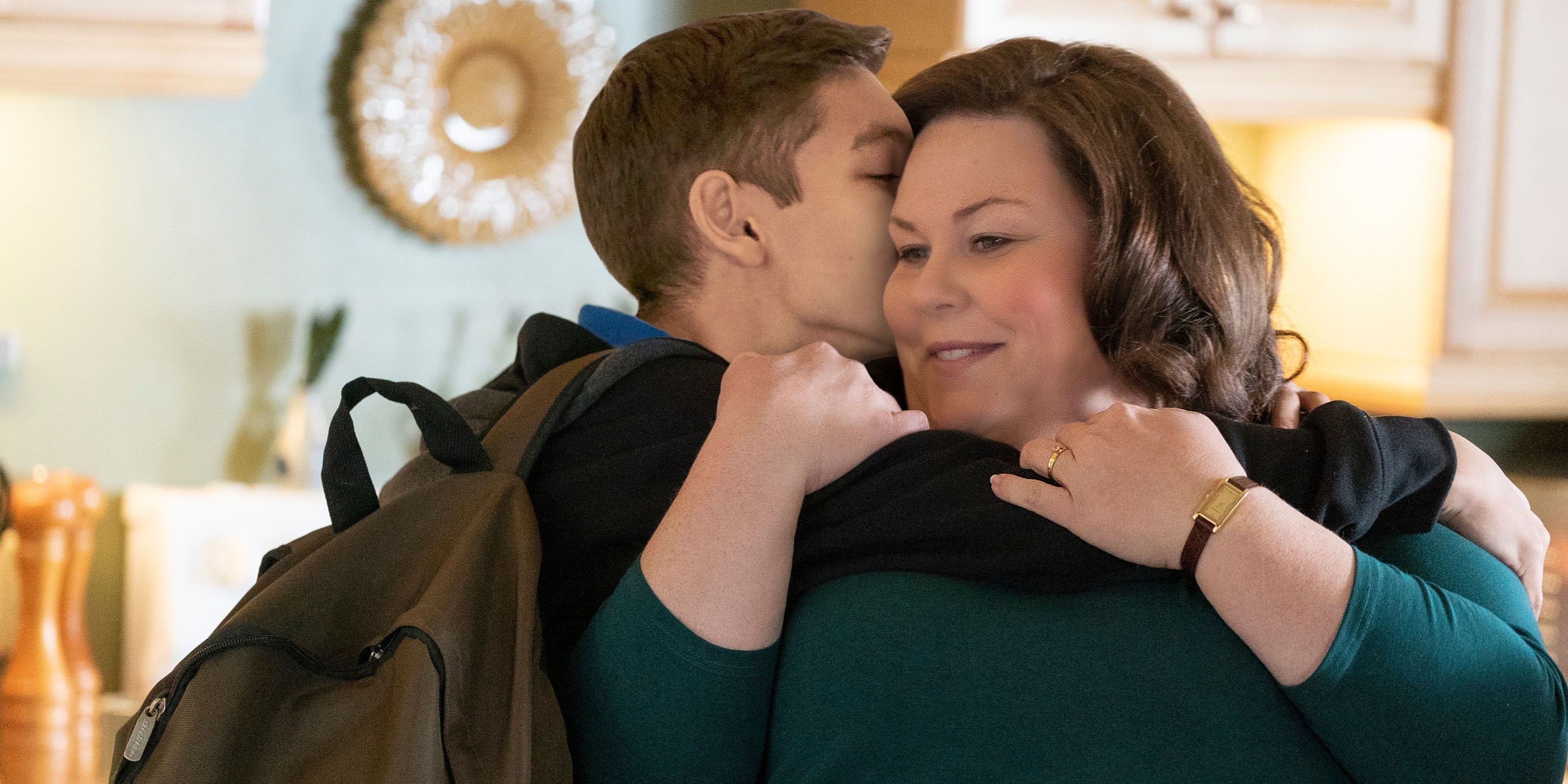
Is Breakthrough Based on a True Story? The Real Events Behind John Smith's Recovery
Yes, the 2019 feature film Breakthrough is directly based on the miraculous true story of 14-year-old John Smith, who survived falling through frozen ice on Lake St. Louis, Missouri, in January 2015. After remaining underwater for 15 m...
Yes, the 2019 feature film Breakthrough is directly based on the miraculous true story of 14-year-old John Smith, who survived falling through frozen ice on Lake St. Louis, Missouri, in January 2015. After remaining underwater for 15 minutes and showing no pulse for over an hour, John made an unexpected, full medical recovery. The movie adapts Joyce Smith's 2017 memoir, The Impossible.
Contents
The True Story Behind Breakthrough: The 2015 Lake St. Louis Incident
On Martin Luther King Jr. Day—January 19, 2015—14-year-old John Smith and two of his teenage friends, Josh Rieger and Reiffel Swartz, were hanging out near Lake St. Louis, Missouri. The trio ventured onto the frozen surface of the lake to take photographs and play. Despite cold winter temperatures in eastern Missouri, the ice layer on the lake was dangerously thin and structurally unsafe for human weight.
While the boys were on the ice, the surface gave way underneath them. All three teenagers plunged into the freezing water. While two of the boys managed to hold onto floating ice fragments or get assistance to haul themselves out, John sank beneath the surface into cold, dark water roughly 12 feet deep.
Bystanders immediately called 911, prompting a rapid emergency response from the Lake St. Louis Police Department and the St. Charles County Ambulance District along with local fire protection personnel. By the time emergency divers and rescue crews located John and pulled his motionless body out of the water, he had been completely submerged for approximately 15 minutes. He was cold, cyanotic, and had no detectable heartbeat or spontaneous breathing.
Paramedics initiated Advanced Cardiac Life Support (ACLS) protocols on the shore and inside the ambulance en route to St. Joseph Hospital West in nearby Lake St. Louis. Emergency responders performed continuous chest compressions and administered epinephrine, but John remained completely unresponsive throughout transport.
Key Real-Life Figures Portrayed in the Movie
The characters presented in the film adaptation accurately correspond to the key individuals who participated in the rescue, medical resuscitation, and spiritual care of John Smith.
- Lake St. Louis Rescue (Jan 19, 2015)
- Rescuer Tommy Shine: Pulled John from lake
- ER Team: Dr. Kent Sutterer: 43+ mins CPR with no pulse
- Joyce Smith Prays in ER: Heartbeat restarts instantly
- Cardinal Glennon Hospital: Dr. Jeremy Garrett / Intensive Care
- Full Recovery in 16 Days
Joyce Smith (Played by Chrissy Metz)
Joyce Smith is John’s adoptive mother. In both real life and the film, Joyce is a woman of deep Christian faith. When informed of John's drowning, she rushed to the emergency department. Upon being admitted to the trauma room where medical staff had worked on her son for nearly three-quarters of an hour, she refused to accept his death and prayed aloud for his revival.
John Smith (Played by Marcel Ruiz)
John was an eighth-grade student at the time of the accident. Adopted by Joyce and Brian Smith from Guatemala when he was an infant, John faced typical adolescent identity questions prior to the accident. Following his recovery, John completed high school and went on to share his story at public speaking engagements and faith events across North America.
Pastor Jason Noble (Played by Topher Grace)
Pastor Jason Noble served as the lead pastor at First Assembly Church in St. Peters, Missouri, where the Smith family worshipped. In the movie, early scenes highlight a slight generational culture clash between Pastor Noble’s modern ministry style and Joyce’s traditional preferences. In reality, Pastor Noble arrived at the hospital shortly after the accident and remained by the family's side throughout the ordeal, facilitating community prayer Vigils.
Tommy Shine (Played by Mike Colter)
Tommy Shine was an experienced firefighter and rescue swimmer who responded to the initial 911 call. During the search in the murky, icy water, Shine reported experiencing an extraordinary sensory impression: he heard a clear voice directing him where to reach under the ice, leading directly to the location of John's body. Although Shine did not hold strong personal religious convictions prior to that day, the event profoundly affected him.
Dr. Kent Sutterer (Played by Sam Trammell)
Dr. Kent Sutterer was the primary emergency room physician on duty at St. Joseph Hospital West when John arrived. Dr. Sutterer directed resuscitation efforts for over 40 minutes in the ER, building upon the 15 minutes of CPR administered prior to arrival. He is also the real-life father of one of John’s middle-school classmates.
Dr. Jeremy Garrett (Played by Dennis Haysbert)
Dr. Jeremy Garrett is a renowned pediatric critical care specialist at SSM Health Cardinal Glennon Children's Hospital in St. Louis. He oversaw John's treatment after the transfer, anticipating severe neurological damage or multi-organ failure due to prolonged oxygen deprivation (anoxia).
Detailed Timeline of the 2015 Incident and Recovery
The real-life events of January 19, 2015, and the subsequent days unfolded in a documented chronological sequence:
- 11:30 AM (Approximate): John Smith and two friends fall through the thin ice of Lake St. Louis. Witnesses place an urgent call to 911 dispatchers.
- 11:45 AM: Rescuer Tommy Shine locates John submerged beneath 12 feet of water. John is brought to the surface after approximately 15 minutes underwater without oxygen.
- 11:48 AM – 12:10 PM: Paramedics conduct continuous manual and mechanical resuscitation protocols inside the emergency vehicle while transporting John to St. Joseph Hospital West.
- 12:10 PM: John arrives at St. Joseph Hospital West ER with no detectable vital signs, fixed and dilated pupils, and a core body temperature significantly below normal levels.
- 12:10 PM – 12:53 PM: Dr. Kent Sutterer and the trauma team deliver Advanced Cardiac Life Support, including defibrillation attempts, intravenous medications, and external compressions. After 43 minutes of unsuccessful CPR in the hospital (and over an hour total without a pulse), Dr. Sutterer prepares to declare the formal time of death.
- 12:54 PM: Joyce Smith enters the trauma bay. She reaches out to her son's frozen feet and prays loudly: "Holy Spirit, please come and give me back my son!" Within seconds of her prayer, monitoring equipment registered a sudden pulse.
- Evening of January 19, 2015: John is airlifted via emergency medical transport to SSM Health Cardinal Glennon Children's Hospital in St. Louis, placed under the specialized care of Dr. Jeremy Garrett, and kept in a medically induced coma.
- January 20–22, 2015: Medical staff prepare the family for severe hypoxic-ischemic brain encephalopathy and probable permanent organ damage. However, neurological assessments show progressive brain function recovery.
- February 4, 2015: Just 16 days after remaining submerged in frozen water for 15 minutes and going without a heartbeat for over an hour, John Smith is discharged from the hospital on his own feet, showing zero neurological, cognitive, or physical deficits.
What the Movie Got Right vs. Cinematic Dramatizations
The screen adaptation directed by Roxann Dawson and written by Grant Nieporte accurately represents the overarching medical and personal facts of the case. However, like most cinematic adaptations of real-life events, certain elements were condensed or altered for dramatic storytelling.
Verified True Elements in the Film
- The Timing of Submersion and Cardiac Arrest: Medical records confirm John was underwater for ~15 minutes and lacked a pulse for over 60 cumulative minutes.
- The Sudden Return of a Pulse: Dr. Kent Sutterer documented that John’s pulse returned immediately following Joyce Smith’s prayer inside the trauma room.
- Tommy Shine's Experience: Firefighter Tommy Shine publicly confirmed his account of hearing an unexplained voice underwater instructing him where to search.
- Complete Neurological Survival: John returned to school without brain damage, organ dysfunction, or mobility impairments, defying clinical expectations for extended cold-water anoxia.
Cinematic Changes and Dramatization
- Interpersonal Conflicts: The initial tension between Joyce Smith and Pastor Jason Noble was exaggerated for dramatic effect. While they had different personalities and approaches to ministry, their real-life relationship was cooperative throughout the emergency.
- Timeline Compression: The hospital stay and the multi-day progression of community prayer vigils were compressed into a tighter cinematic narrative to maintain pacing.
- Composite and Altered Secondary Characters: Minor secondary characters, such as hospital staff members and school peers, were synthesized into composite figures to streamline cast size and dialogue focus.
Comparison Table: Breakthrough Movie Depiction vs. Historical Reality
| Historical Event / Detail | Verified Real-Life Account (2015) | Movie Depiction in Breakthrough (2019) | Accuracy Status |
|---|---|---|---|
| Location of Accident | Lake St. Louis, Missouri (St. Charles County) | Lake St. Louis, Missouri | Factually Accurate |
| Duration Underwater | Approximately 15 minutes beneath frozen ice | Approximately 15 minutes underwater | Factually Accurate |
| Duration Without Pulse | Over 60 total minutes (15 min under ice + 45+ min CPR) | Over 60 total minutes without cardiac rhythm | Factually Accurate |
| Rescuer Underwater Cue | Rescuer Tommy Shine reported hearing a voice telling him where to search | Rescuer Tommy Shine hears a voice under the ice directing his search | Factually Accurate |
| Moment Heart Beat Returned | Immediately after Joyce Smith prayed in the ER trauma room | Immediately after Joyce (Chrissy Metz) prays in the ER | Factually Accurate |
| Transfer Hospital | SSM Health Cardinal Glennon Children's Hospital, St. Louis | Cardinal Glennon Children's Hospital | Factually Accurate |
| Post-Recovery Condition | Discharged after 16 days with complete cognitive and physical function | Discharged walking with full mental capacity restored | Factually Accurate |
| Mother/Pastor Conflict | Minor stylistic differences; strong mutual respect in crisis | Prominent initial conflict built into narrative arc | Dramatized for Film |
Medical Perspectives and Expert Analysis on the Case
The case of John Smith generated widespread discussion within the medical community due to the improbable nature of his full cognitive recovery. Prolonged respiratory and cardiac arrest typically results in permanent cellular necrosis in brain tissue within 4 to 6 minutes of oxygen starvation.
- Cold Water Submersion (< 15 mins)
- Therapeutic Hypothermia Effect (Slows brain metabolism & cell decay)
- 43+ Minutes Emergency CPR in ER
- Unexpected Full Neurological Recovery (Day 16)
The Role of Cold Water Hypothermia
Physicians, including Dr. Jeremy Garrett, noted that the freezing temperature of Lake St. Louis played a protective physiological role. Sudden submersion in ice-cold water can trigger the body's natural "mammalian dive reflex," which shunts oxygenated blood to essential core organs (heart and brain) while rapidly lowering core body temperature.
This state of cold-water hypothermia significantly decreases cellular metabolic demand, slowing down the rate of tissue degradation caused by oxygen deprivation (hypoxia). In medical literature, this phenomenon is often summarized by the emergency medicine axiom: "You aren't dead until you're warm and dead."
Why the Case Remained Medically Unexplained
While hypothermia provides a partial explanation for cellular preservation during submersion, it does not fully explain the total absence of neurological deficits after more than 40 minutes of unsuccessful warm-room CPR, followed by immediate spontaneous circulation upon prayer.
Doctors who evaluated John's brain scans expected severe brain damage, long-term cognitive loss, or vegetative state survival. When John woke up fully coherent, expressing normal speech, memories, and motor control, attending physicians publicly described his complete lack of permanent neurological injury as clinically inexplicable.
Dr. Kent Sutterer wrote a comprehensive summary of the medical resuscitation, noting that the sudden restoration of sinus rhythm after prolonged asystole (flatlining) was completely unexpected from a medical perspective.
Frequently Asked Questions
Did John Smith really have no pulse for over an hour?
Yes. Official emergency response logs and medical records from St. Joseph Hospital West document that John had no pulse for approximately 60 to 65 minutes. This timeframe includes 15 minutes of submerged drowning followed by over 45 minutes of continuous Advanced Cardiac Life Support without spontaneous circulation.
Did firefighter Tommy Shine actually hear a voice telling him where to search?
Yes. Firefighter and first responder Tommy Shine gave multiple interviews verifying that while searching under the dark ice of Lake St. Louis, he heard a clear, audible voice directing him to move his search assembly toward a specific spot. He followed the instruction and retrieved John’s body immediately.
What book is the movie Breakthrough based on?
The movie is directly based on the non-fiction memoir The Impossible: The Miraculous Story of a Mother's Faith and a Mother's Love, authored by Joyce Smith with Ginger Kolbaba. The book was published in 2017 before being optioned for adaptation by producer DeVon Franklin.
Where did the real Breakthrough incident happen?
The accident occurred at Lake St. Louis, a suburban city in St. Charles County, Missouri. Initial resuscitation took place at St. Joseph Hospital West in Lake St. Louis, while critical pediatric recovery took place at SSM Health Cardinal Glennon Children's Hospital in St. Louis.
Did John Smith suffer any long-term brain damage from the drowning?
No. Medical examinations and cognitive testing confirmed that John suffered no long-term brain damage, motor impairment, organ failure, or neurological deficits. He made a complete recovery within 16 days of the event and returned to his normal academic and athletic activities.
Summary and Key Takeaways
The movie Breakthrough stands out among real-life drama adaptations because its most remarkable plot points—the 15 minutes underwater, the 43 minutes of flatline CPR in the ER, the instant return of a heartbeat during prayer, and the complete absence of brain damage—are verified by real emergency logs, hospital medical reports, and attending physician statements.
For those interested in exploring the primary sources behind the film:
- Read Joyce Smith's original book, The Impossible (2017), for a first-hand account of the family's experience.
- Review documented clinical records and interviews provided by medical teams at SSM Health Cardinal Glennon Children's Hospital regarding pediatric hypothermia and cardiac resuscitation outcomes.
Image Gallery