Vladimir Putin on Social Media: Presence, Policy, and Digital Strategy
While Russian President Vladimir Putin does not maintain personal accounts on mainstream social media platforms, his administration, government bodies, and state-backed media operate an extensive and coordinated digital footprint. This...
While Russian President Vladimir Putin does not maintain personal accounts on mainstream social media platforms, his administration, government bodies, and state-backed media operate an extensive and coordinated digital footprint. This apparatus is designed to project influence, shape domestic narratives, and engage international audiences through a combination of official channels, diplomatic accounts, and strategic proxy networks.
Contents
The topic of Vladimir Putin on social media encompasses a complex intersection of international politics, digital statecraft, cybersecurity, and platform governance. Understanding this ecosystem requires examining how official institutions use digital communication, how major platforms regulate state-affiliated media, and the broader implications for information integrity.
The Official Institutional Presence
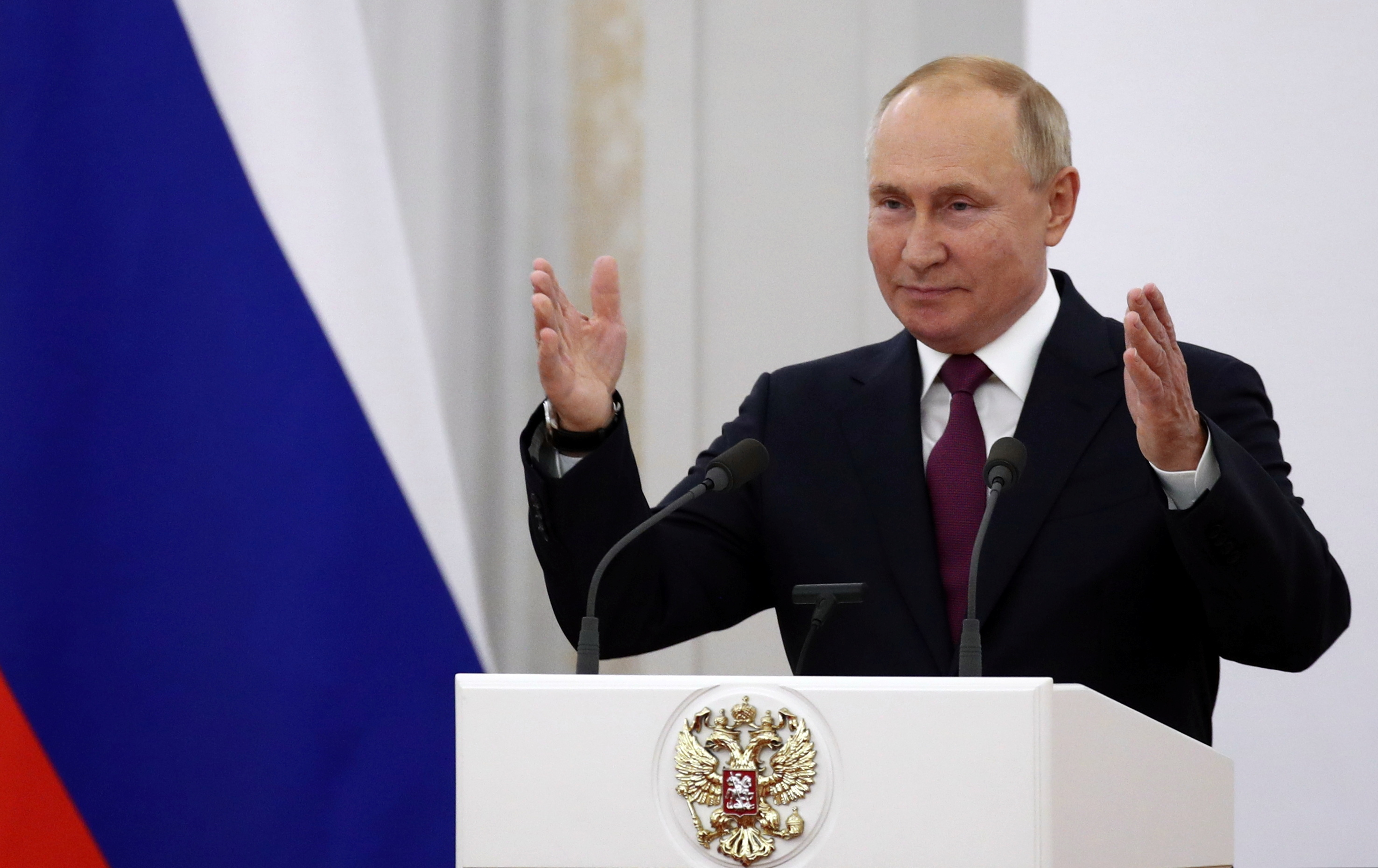
Vladimir Putin’s personal avoidance of social media platforms stands in stark contrast to many contemporary world leaders. He has publicly stated that he does not use smartphones or maintain personal social media profiles, often attributing his lack of digital presence to a preference for traditional briefing materials prepared by his staff. Consequently, all digital communication attributed to the Russian head of state is channeled through institutional accounts managed by the Kremlin press service.
The primary digital outlets for official statements, video addresses, transcripts, and presidential schedules include:
- The Kremlin Official Website: The central repository for all presidential decrees, speeches, and official transcripts.
- Telegram Channels: The Office of the President and the official government press service maintain heavily followed channels on Telegram, which has become the primary text-and-video broadcasting medium for Russian state communications.
- Video Hosting Platforms: Official content is regularly syndicated to domestic video-sharing platforms such as RuTube and VK Video, as well as historically to YouTube.
These institutional channels serve as the primary source for primary-source verification regarding presidential activities, bilateral meetings, and legislative enactments. Because Putin himself does not post, reply, or interact directly with users, these platforms function strictly as top-down broadcast instruments rather than interactive social mediums.
State Media, Proxies, and the Broader Ecosystem
While the Kremlin's direct social footprint is institutionalized, the broader dissemination of pro-government narratives relies on a vast network of state-funded media outlets, diplomatic missions, and aligned commentators. Organizations such as RT (formerly Russia Today) and Sputnik have historically utilized platforms like X (formerly Twitter), Facebook, Instagram, and YouTube to reach global audiences in multiple languages.
In addition to formal media organizations, researchers and intelligence agencies have frequently documented coordinated networks of accounts—often referred to in cybersecurity literature as influence operations or covert networks—that amplify pro-Kremlin messaging. These networks operate under various degrees of disclosure, ranging from overt state-backed broadcasting to anonymous or inauthentic accounts designed to sow discord or amplify specific political viewpoints in Western democracies.
| Channel Type | Primary Platforms | Operational Function | Target Audience |
|---|---|---|---|
| Institutional | Telegram, VK, RuTube | Official decrees, schedules, and presidential broadcasts | Domestic citizens and international observers |
| Diplomatic | X, Facebook, YouTube | Embassy statements, foreign policy positions | Global policy makers and foreign publics |
| State Media | X, Telegram, YouTube | News broadcasting, cultural reporting, geopolitical analysis | International audiences |
| Proxy Networks | Various unverified platforms | Narrative amplification, debate polarization | Digital communities and electorate segments |
Platform Governance and International Restrictions
The relationship between the Russian state apparatus and global social media platforms has undergone significant transformation, marked by escalating regulatory friction, content moderation battles, and outright bans. Following geopolitical escalations—most notably the 2022 invasion of Ukraine—Western technology companies implemented strict policies regarding Russian state-affiliated media.
Major platforms such as Meta (Facebook and Instagram), Google (YouTube), and X introduced labeling requirements, algorithmic down-ranking, and geographic restrictions on accounts linked to Russian state media. In response, the Russian government enacted domestic restrictions against several foreign platforms, blocking access to Instagram, Facebook, and X within the Russian Federation under national security and anti-extremism laws.
These mutual restrictions have fundamentally altered how content associated with Vladimir Putin and the Russian government circulates internationally. Western audiences increasingly encounter state-aligned content through localized media reports, specialized monitoring organizations, or alternative platforms like Telegram, which remains accessible in Russia and serves as a major conduit for war reporting and political commentary.
Cybersecurity, Disinformation, and Attribution
The intersection of Russian political strategy and social media has been a subject of extensive investigation by cybersecurity firms, academic researchers, and parliamentary committees worldwide. Investigations into electoral interference, such as those conducted by the United States Senate Select Committee on Intelligence and special counsels, detailed how entities like the Internet Research Agency utilized social media platforms to influence public debate.
Attribution in these contexts often distinguishes between direct state control and indirect alignment. While independent researchers frequently identify coordinated inauthentic behavior, the Russian government has consistently denied involvement in covert social media manipulation, characterizing such allegations as Russophobia or domestic political maneuvering within Western nations.
The technical mechanisms utilized in these operations typically involve:
- The deployment of automated bots to artificially inflate trending topics or hashtags.
- The creation of persona-driven accounts posing as domestic activists, journalists, or concerned citizens within target countries.
- The rapid recycling and localization of narratives originating from state-funded media outlets.
Domestic Alternative Platforms
As international platforms enforced stricter moderation and the Russian state instituted domestic bans, the domestic social media landscape within Russia underwent a process of digital sovereignty, often termed "Splinternet" development. Russian internet users and government agencies increasingly rely on domestic platforms that comply fully with federal information laws.
- VK (VKontakte): The dominant social network in Russia, functioning similarly to Facebook with integrated video, messaging, and community features.
- Telegram: Founded by Russian entrepreneur Pavel Durov, Telegram occupies a unique hybrid space as a secure messaging app and a public broadcast platform widely used by Russian politicians, military bloggers, and citizens alike.
- RuTube and VK Video: Domestic alternatives to YouTube, heavily promoted by state entities as platforms for unhindered video distribution.
These platforms ensure that domestic audiences continue to receive uninterrupted access to official statements regarding Vladimir Putin's governance, foreign policy addresses, and domestic initiatives, insulated from Western platform moderation policies.
Frequently Asked Questions
Does Vladimir Putin have a personal X or Instagram account?
No, Vladimir Putin does not maintain personal accounts on X, Instagram, or any other social media platform. All digital communications regarding his schedule, statements, and decrees are published exclusively through official institutional channels managed by the Kremlin press service.
How does the Kremlin communicate officially on social media?
The Kremlin utilizes official accounts on platforms like Telegram, VKontakte, and its primary government website. These channels broadcast official video addresses, transcripts of meetings, press releases, and presidential decrees without direct personal interaction from the president himself.
Are Russian state media accounts banned globally on social media?
While not universally banned, major platforms such as Meta, YouTube, and X have implemented significant restrictions, including state-media labels, geographic geoblocking in specific jurisdictions (such as the European Union), and algorithmic suppression to limit the reach of Russian state-backed outlets.
Why was access to several Western social media platforms restricted inside Russia?
The Russian federal government restricted access to platforms like Facebook, Instagram, and X following regulatory disputes over content moderation, compliance with local data laws, and policies enacted by these platforms regarding the conflict in Ukraine.
What is the primary alternative to Western social media used in Russia?
Domestic platforms such as VK (VKontakte) and Telegram serve as the primary digital environments for Russian citizens and government agencies, offering social networking, messaging, and public broadcasting services that operate under Russian jurisdiction.
Conclusion and Next Actions
For researchers, journalists, and policy analysts tracking Vladimir Putin on social media, the key is distinguishing between official institutional broadcasts and decentralized proxy networks. Relying on verified primary sources—such as the official Kremlin portal and authenticated institutional Telegram channels—ensures accuracy while navigating an increasingly fragmented and heavily regulated global digital environment.
Image Gallery