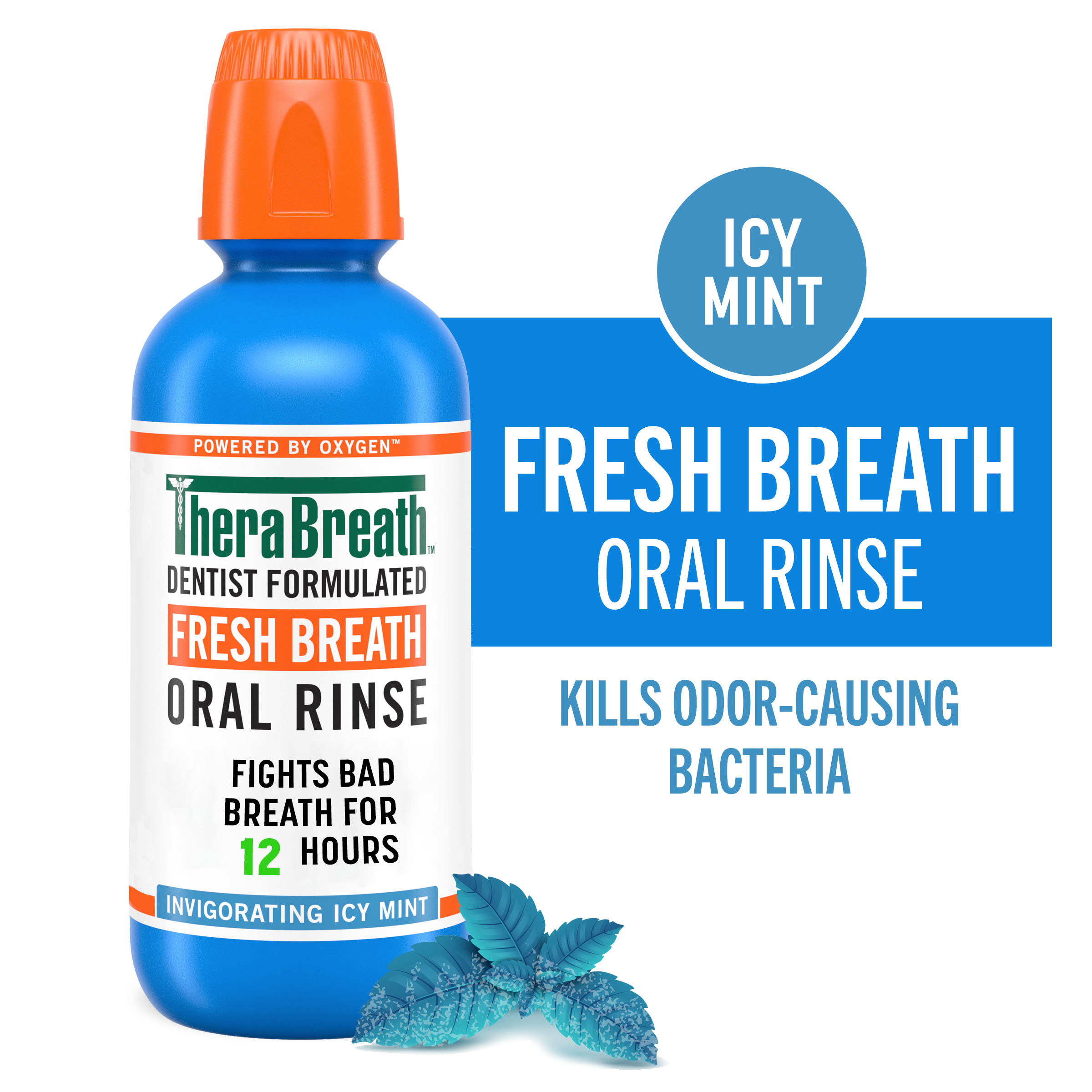
Best Mouthwash for Breath: Choosing the Right Formula to Neutralize Halitosis
Finding the best mouthwash for breath requires looking past minty fragrances to target the root biological causes of halitosis, such as volatile sulfur compounds produced by oral bacteria. Selecting an effective therapeutic rinse invol...
Finding the best mouthwash for breath requires looking past minty fragrances to target the root biological causes of halitosis, such as volatile sulfur compounds produced by oral bacteria. Selecting an effective therapeutic rinse involves evaluating active ingredients like cetylpyridinium chloride, essential oils, or chlorine dioxide against specific needs like dry mouth or gum health.
Contents
Understanding the Causes of Bad Breath
Halitosis, commonly known as bad breath, is rarely just a superficial issue solved by masking odors with artificial flavoring. To select the best mouthwash for breath, one must first understand that persistent halitosis typically originates from microbial activity inside the oral cavity. Millions of bacteria thrive in the warm, moist environment of the mouth, feeding on food debris, dead cells, and saliva proteins, particularly on the back of the tongue and in interdental spaces.
When these bacteria break down proteins, they release volatile sulfur compounds (VSCs). These chemical byproducts—primarily hydrogen sulfide and methyl mercaptan—produce the distinct, unpleasant odors associated with chronic bad breath. While mechanical cleaning methods like brushing and flossing disrupt and remove plaque biofilms, they cannot always reach every surface or neutralize the chemical compounds already distributed across soft tissues.
This is where therapeutic mouthwashes play a specialized role. Unlike cosmetic rinses that merely add a temporary scent, an effective breath-freshening mouthwash must either kill the odor-causing bacteria, neutralize the VSCs chemically, or modify the oral environment to discourage microbial proliferation. Recognizing this distinction helps patients move away from products that offer fleeting relief and toward formulations that provide clinical benefits.
Cosmetic Versus Therapeutic Mouthwashes
When shopping for an oral rinse, consumers face a fundamental division between cosmetic and therapeutic products. Understanding this dichotomy is essential for anyone seeking genuine relief from halitosis rather than a short-term cover-up.
Cosmetic mouthwashes are formulated primarily to temporarily control or eliminate unpleasant tastes and odors, leaving behind a pleasant mint, cinnamon, or fruit flavor. They contain water, alcohol, flavoring agents, and coloring. While they can make the breath smell fresh immediately after use, they do not reduce the bacterial load significantly, nor do they chemically neutralize volatile sulfur compounds for extended periods. Their effects usually wear off within minutes as the flavoring dissipates and the underlying bacterial activity resumes.
Therapeutic mouthwashes, on the other hand, contain active ingredients registered and evaluated for their ability to alter microbial populations or chemically bind to malodorous compounds. These rinses are designed to reduce plaque accumulation, prevent gingivitis, or target the specific chemical bonds of VSCs. When evaluating the best mouthwash for breath, attention must be focused exclusively on therapeutic options or dual-action formulas that combine cosmetic freshness with proven antimicrobial or chemical-neutralizing agents.
Key Active Ingredients to Look For
Different formulations target bad breath through distinct chemical and biological mechanisms. Examining the primary active ingredients found in leading mouthwashes reveals how they work and which option suits specific oral health profiles.
Cetylpyridinium Chloride (CPC)
Cetylpyridinium chloride is a cationic quaternary ammonium compound widely used in over-the-counter mouthwashes. It functions by disrupting the cell membranes of bacteria, leading to cell lysis and death. CPC is effective at reducing plaque and gingivitis while lowering the overall bacterial count responsible for VSC production. It provides a balanced approach to daily freshness without the burning sensation associated with high alcohol content.
Essential Oils
Formulations containing a combination of essential oils—typically thymol, menthol, eucalyptol, and methyl salicylate—have a long clinical history of reducing plaque and controlling gingivitis. These botanical extracts penetrate the bacterial cell wall, inhibiting enzymatic activity and reducing microbial proliferation. Essential oil rinses offer strong antimicrobial action and sustained freshness, though their potent flavor profile can be intense for some users.
Chlorine Dioxide and Oxygenating Compounds
For individuals struggling with stubborn halitosis, chlorine dioxide and other oxygen-releasing compounds offer a unique mechanism of action. Rather than focusing solely on killing bacteria, chlorine dioxide chemically neutralizes volatile sulfur compounds on contact by oxidizing them into odorless molecules. These formulas are particularly beneficial for people with dry mouth or specific types of sulfur-driven breath issues, as they do not rely on alcohol, which can exacerbate xerostomia.
Stannous Fluoride and Zinc
Zinc ions are frequently added to mouthwashes because they bind directly to sulfur compounds, neutralizing odors instantly. Additionally, stannous fluoride provides cavity protection, strengthens enamel, and exhibits antimicrobial properties against periodontal pathogens, offering a comprehensive triple-benefit for breath, enamel, and gums.
Comparative Overview of Mouthwash Categories
To help clarify how different formulations compare in real-world application, the following table breaks down common mouthwash types, their active ingredients, primary benefits, and potential drawbacks.
| Mouthwash Category | Primary Active Ingredients | Main Benefit | Potential Drawback |
|---|---|---|---|
| Antimicrobial Essential Oils | Thymol, Eucalyptol, Menthol, Methyl Salicylate | Broad-spectrum bacterial reduction; long-lasting freshness | Intense flavor; possible drying effect if alcohol-based |
| CPC-Based Rinses | Cetylpyridinium Chloride | Effective plaque reduction; gentle on soft tissues | Mild staining potential with long-term heavy use |
| Odor-Neutralizing Rinses | Chlorine Dioxide, Zinc Gluconate | Direct chemical neutralization of sulfur compounds | Minimal antimicrobial plaque control compared to therapeutic oils |
| Dry Mouth / Alcohol-Free Rinses | Enzymes, Betaine, Xylitol, Fluoride | Soothes mucosal tissues; stimulates moisture | May lack intensive antimicrobial punch for severe gingivitis |
Special Considerations: Dry Mouth, Alcohol, and Gum Health
Choosing the best mouthwash for breath also requires accounting for individual biological factors, preexisting conditions, and daily habits. Ignoring these variables can lead to counterproductive results, such as worsening halitosis through increased oral dryness.
The Impact of Alcohol in Mouthwash
Many traditional mouthwashes contain high concentrations of ethanol (alcohol), which serves as a solvent for active ingredients and provides a sharp sensory feeling of cleanliness. However, alcohol can dry out the oral mucosa. Saliva plays a critical role in natural breath control by washing away food particles, neutralizing acids, and delivering antimicrobial proteins. When alcohol reduces saliva flow, the resulting dry mouth (xerostomia) creates an ideal anaerobic environment for sulfur-producing bacteria to multiply rapidly, ultimately worsening bad breath over the long term. Individuals prone to dry mouth should consistently select alcohol-free formulations.
Managing Xerostomia-Related Halitosis
Dry mouth can stem from systemic health conditions, side effects from medications (such as antihistamines, antihypertensives, and antidepressants), or mouth breathing during sleep. Standard antiseptic mouthwashes often irritate dry, sensitive tissues. Rinses specifically formulated for dry mouth often contain artificial saliva substitutes, enzymes like lysozyme and lactoperoxidase, and moisturizing agents such as glycerin or xylitol. These ingredients soothe oral tissues while maintaining a comfortable moisture balance that naturally suppresses bacterial accumulation.
Gum Disease and Periodontal Pockets
Sometimes, chronic bad breath is a warning sign of underlying periodontal disease. Deep periodontal pockets harbor anaerobic bacteria that brushing and flossing cannot fully clear. In these cases, a mouthwash formulated with antimicrobial agents like chlorhexidine gluconate (available by prescription) or advanced essential oils may be recommended by a dentist to manage subgingival bacteria and reduce gum inflammation. Long-term use of prescription chlorhexidine requires professional oversight, as it can cause temporary tooth staining and alter taste perception.
Integrating Mouthwash Into a Comprehensive Oral Hygiene Routine
Even the most advanced mouthwash cannot compensate for poor foundational dental hygiene. Achieving lasting fresh breath requires viewing mouthwash as a supplemental tool rather than a standalone fix.
- Mechanical Plaque Removal: Begin by thoroughly brushing twice a day with a fluoride toothpaste for a full two minutes. Brushing disrupts the biofilm on tooth surfaces and the tongue.
- Interdental Cleaning: Use dental floss, interdental brushes, or a water flosser daily to clear trapped food particles and plaque from between the teeth, where up to forty percent of plaque resides.
- Tongue Cleaning: Gently scrape or brush the surface of the tongue using a dedicated tongue scraper. The rough papillae on the posterior portion of the tongue harbor the vast majority of halitosis-causing bacteria.
- Therapeutic Rinsing: Finish the routine by swishing with the selected therapeutic mouthwash according to the manufacturer's instructions—typically for 30 to 60 seconds—before spitting out the liquid without rinsing with water afterward, allowing the active ingredients to linger.
Frequently Asked Questions
Can mouthwash completely cure chronic bad breath?
Mouthwash can effectively control and mask the symptoms of halitosis, but it cannot cure chronic bad breath if the root cause is systemic or structural. Conditions such as untreated tooth decay, periodontal disease, sinus infections, tonsil stones, or gastrointestinal issues require professional medical or dental diagnosis and targeted intervention.
Is it better to use mouthwash before or after brushing?
Using mouthwash after brushing and flossing is generally recommended because mechanical cleaning loosens debris and plaque, allowing the active ingredients in the mouthwash to contact clean tooth surfaces and mucosal tissues more effectively. However, some specific fluoride rinses are designed to be used at separate times to maximize mineral retention. Always check product-specific instructions.
Should I rinse my mouth with water immediately after using mouthwash?
It is usually best to avoid rinsing with water immediately after using a therapeutic mouthwash. Rinsing washes away the remaining active ingredients, such as fluoride or antimicrobial agents, significantly reducing their prolonged protective and freshening benefits.
Can children use breath-freshening mouthwashes?
Most commercial mouthwashes are not recommended for young children due to the risk of accidental swallowing and high alcohol or fluoride content. Pediatric use should always be discussed with a dentist, who can recommend age-appropriate, alcohol-free, non-fluoride or low-fluoride formulations if necessary.
How long does the fresh breath from a therapeutic mouthwash last?
The duration of freshness depends on the active ingredients and the individual's oral microbiome. High-quality therapeutic rinses typically provide noticeable odor control for several hours. However, eating, drinking, and saliva flow reduction throughout the day will gradually diminish the antimicrobial barrier, necessitating twice-daily application.
Conclusion and Next Action
Selecting the right mouthwash for breath involves looking beyond aggressive mint flavors to identify formulations that actively neutralize volatile sulfur compounds or reduce harmful bacteria without causing oral dryness. Patients struggling with persistent halitosis should prioritize alcohol-free, therapeutic rinses containing proven active agents like essential oils, cetylpyridinium chloride, or chlorine dioxide, integrated into a daily regimen of brushing, flossing, and tongue scraping. If halitosis remains unresolved despite rigorous home care, schedule an appointment with a dental professional to rule out underlying periodontal disease or systemic conditions.
Image Gallery