Comprehensive Guide to Foundation Repair in North Little Rock, AR (2026)
In 2026, foundation repair in North Little Rock, AR, remains a critical necessity for homeowners due to the region's expansive clay soils and fluctuating moisture levels. Effective solutions involve professional piering, polyjacking, a...
In 2026, foundation repair in North Little Rock, AR, remains a critical necessity for homeowners due to the region's expansive clay soils and fluctuating moisture levels. Effective solutions involve professional piering, polyjacking, and advanced drainage correction. Most property owners can expect to invest between $3,500 and $15,000 for structural stabilization and long-term soil management.
Contents
The Geotechnical Reality of North Little Rock Soils
Property owners in North Little Rock (NLR) face a unique set of geological challenges. The city’s proximity to the Arkansas River and its location within the wider Arkansas River Valley mean the local geography is dominated by alluvial deposits and "fat" clays. These soils are classified as expansive, meaning they undergo significant volume changes based on water content.
When North Little Rock experiences the heavy rainfall typical of Arkansas springs, these clay particles absorb water and expand, exerting immense upward pressure on concrete slabs and footings—a phenomenon known as heave. Conversely, during the hot, dry summers that have become increasingly intense by 2026, the soil loses moisture and shrinks, leaving voids beneath the foundation. This cycle of expansion and contraction eventually leads to differential settlement, where one part of the structure sinks faster than another, causing structural instability.
Understanding the specific soil profile of your neighborhood—whether you are in the sandy reaches near the river or the heavier clay regions toward the Park Hill or Indian Hills areas—is the first step in determining the correct repair protocol. In 2026, many local engineers utilize soil resistivity testing and moisture probes to provide a more accurate diagnosis before any piers are driven into the ground.
Identifying Symptoms of Foundation Distress
Recognizing the early warning signs of foundation failure can prevent a minor settlement issue from evolving into a catastrophic structural collapse. In the North Little Rock climate, symptoms often manifest slowly over several seasons.
Interior Indicators
- Sticking Doors and Windows: When a foundation shifts, door and window frames fall out of square. If you notice that a door suddenly rubs against the top of the frame or a window becomes impossible to latch, the structure is likely tilting.
- Drywall Cracks: Look for diagonal cracks originating from the upper corners of interior door frames or windows. These "stair-step" cracks are classic indicators of a sinking corner.
- Sloping Floors: In 2026, even a slight 1-inch slope across a room can indicate a major void in the sub-soil. Homeowners often notice this when furniture appears tilted or a ball rolls across a hard surface on its own.
Exterior Indicators
- Frieze Board Gaps: The frieze board is the trim located where the top of your brick wall meets the soffit. If you see a gap widening here, it suggests the exterior wall is rotating outward or sinking.
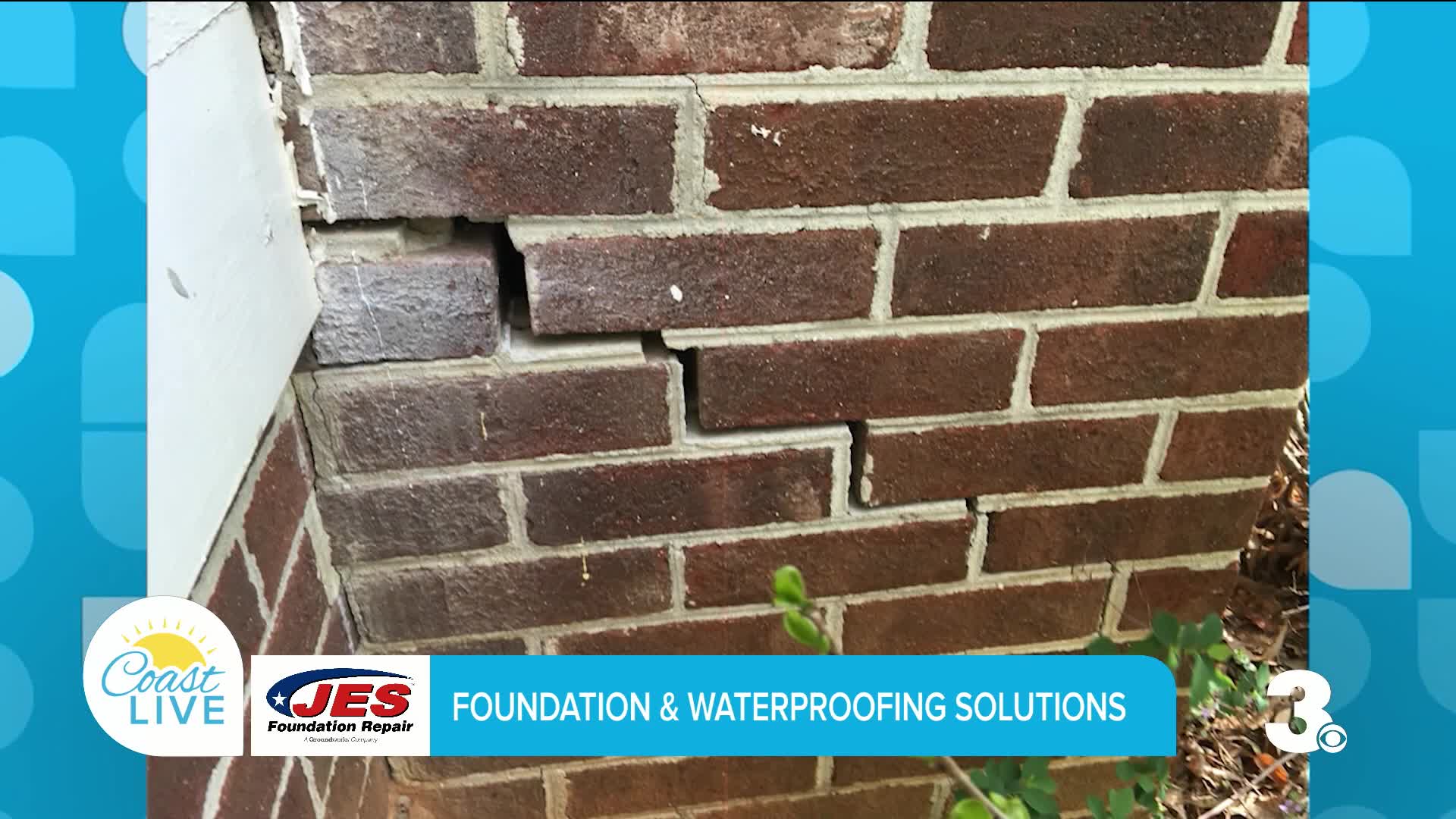
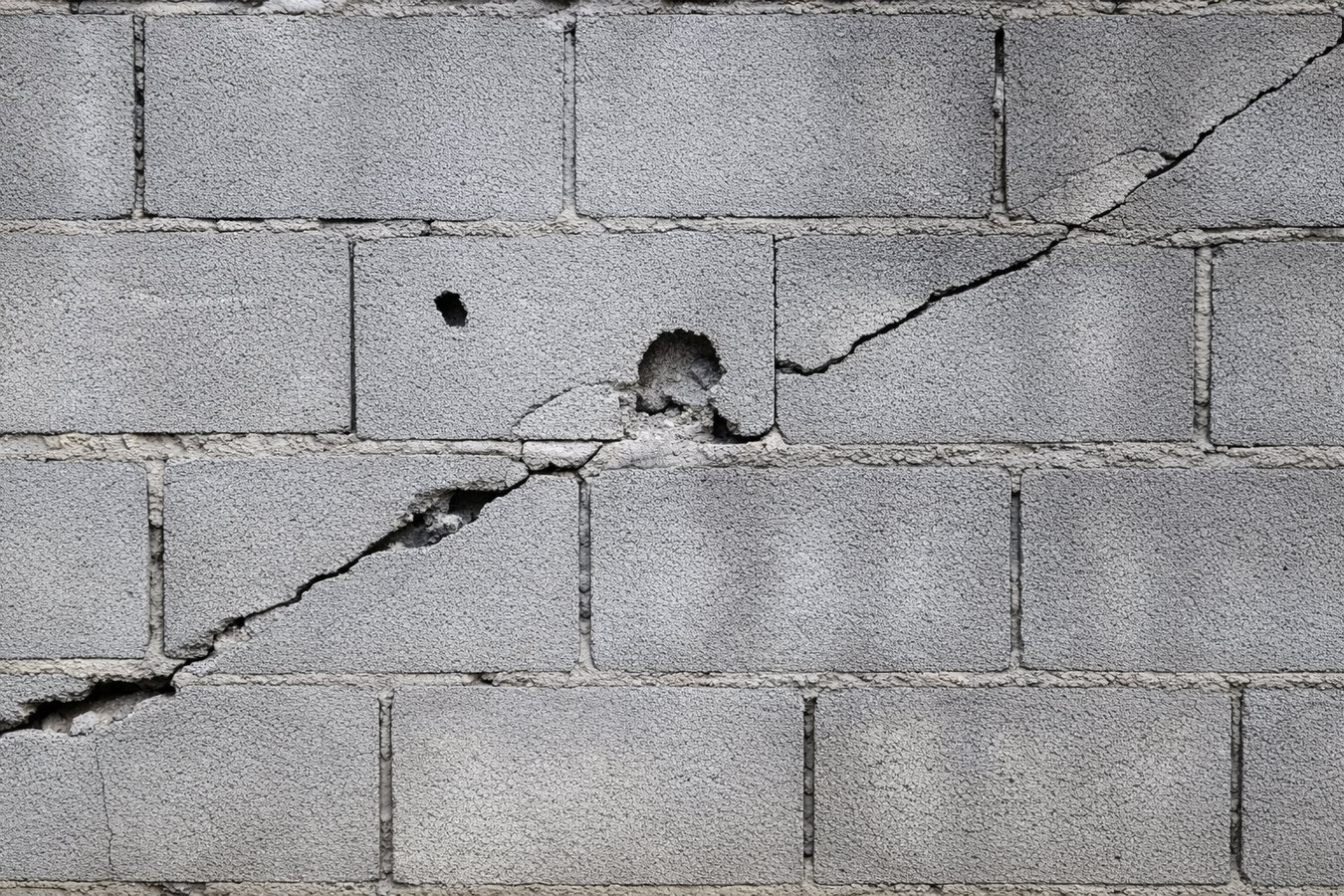
- Stair-step Cracks in Brickwork: This is perhaps the most visible sign of settlement in North Little Rock’s many brick-veneer homes. The cracks follow the mortar lines in a zig-zag pattern.
- Separating Chimneys: Because chimneys are heavy and often built on a separate footing, they are frequently the first part of a home to show signs of separation from the main structure.
Modern Foundation Repair Methods in 2026
By 2026, the technology used for foundation stabilization in Central Arkansas has become highly specialized. The industry has largely moved away from "quick-fix" solutions in favor of engineered systems that bypass unstable topsoil entirely.
1. Steel Push Piers
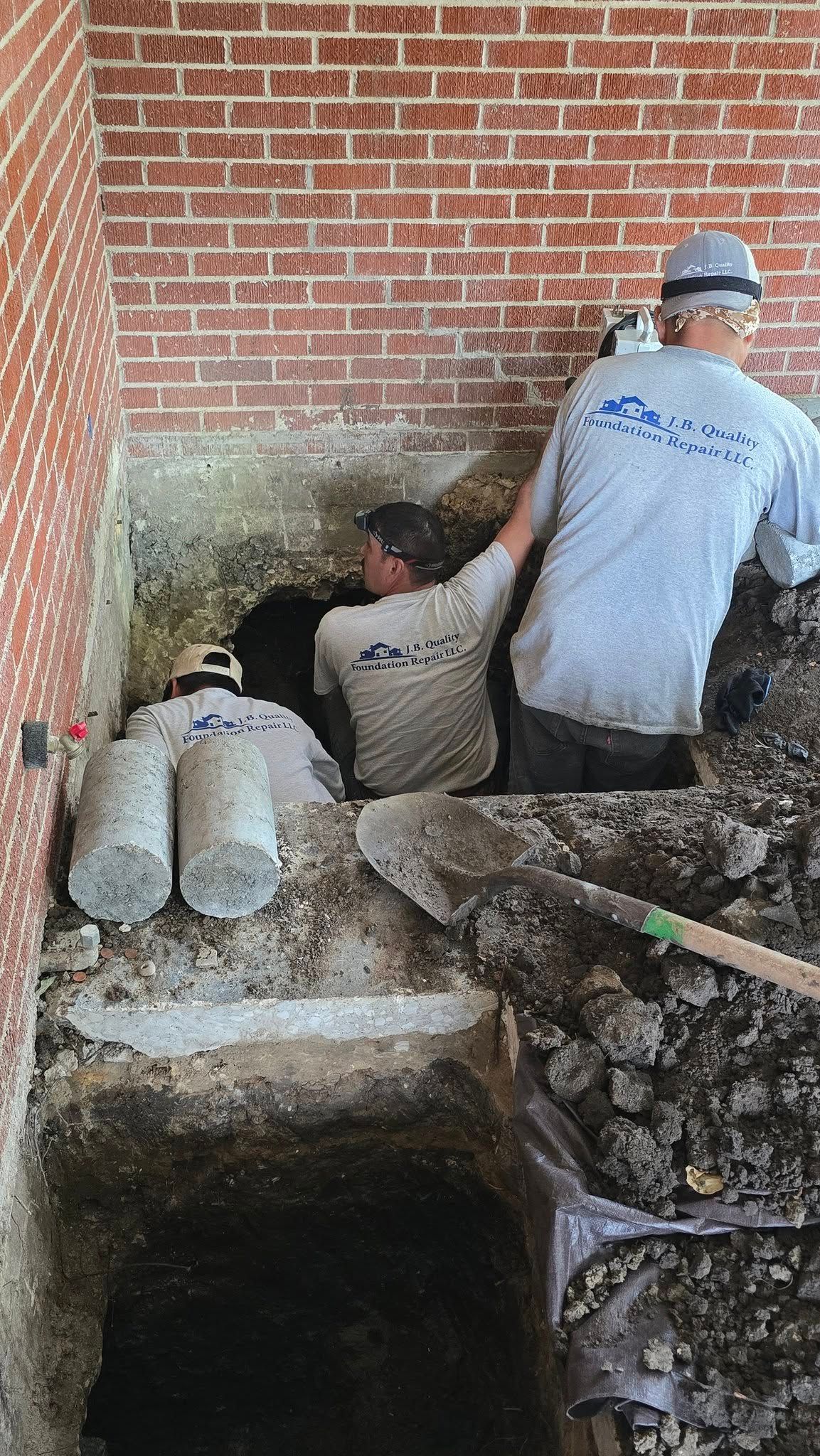
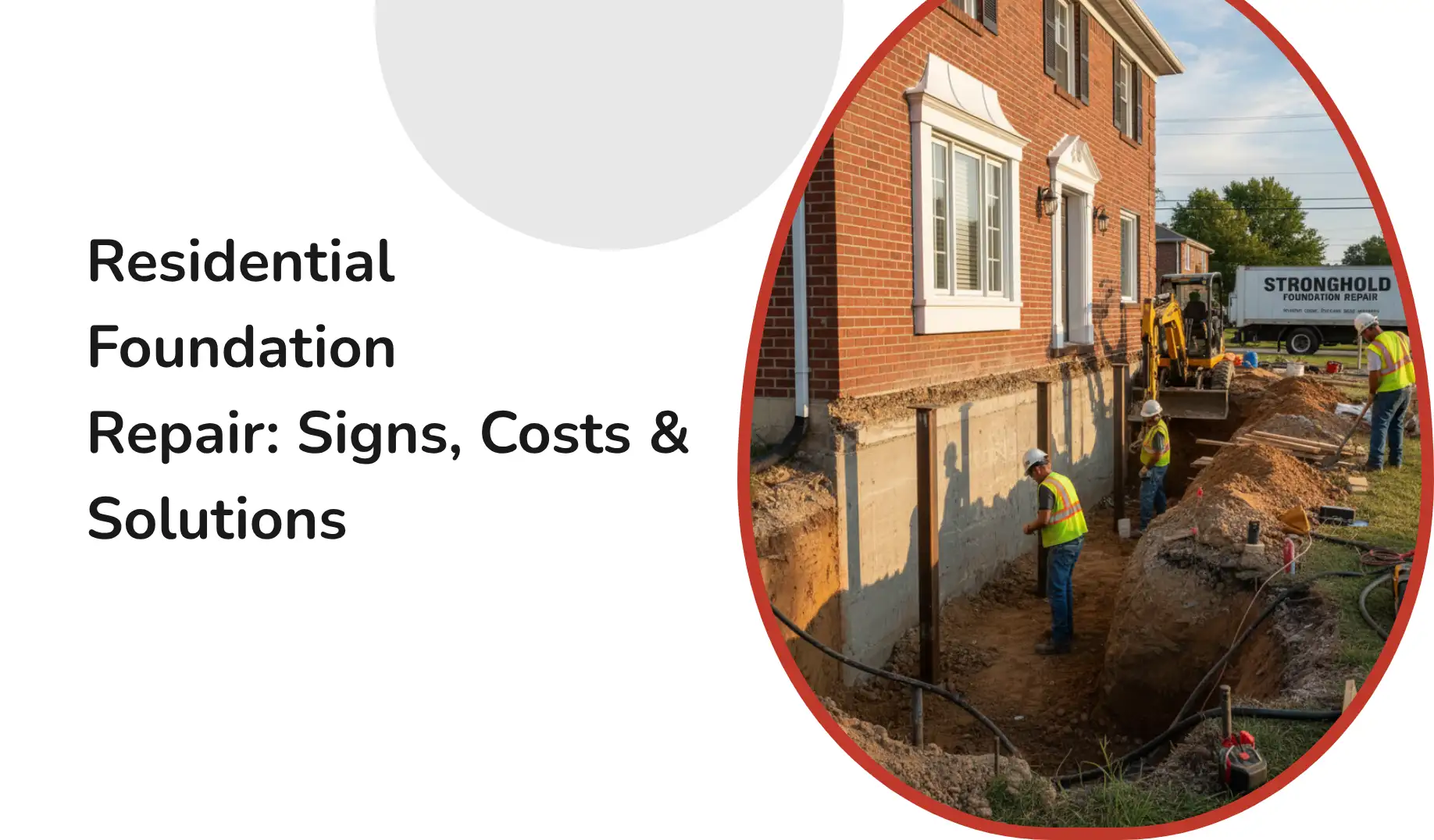
Steel push piers are the gold standard for heavy residential and commercial structures. These are driven deep into the earth using the weight of the building as resistance until they reach competent load-bearing strata or bedrock. Once the piers are seated, hydraulic jacks are used to lift the home back toward its original level position. This method is preferred for North Little Rock homes built on deep clay where surface-level solutions would simply fail again during the next drought.
2. Helical Piers
Unlike push piers, helical piers feature screw-like plates at the bottom. They are mechanically "screwed" into the ground. They are ideal for lighter structures, such as porches, decks, or newer homes where the weight of the building may not be sufficient to drive a standard push pier. Helical piers provide excellent tension resistance, making them useful in areas prone to the "up-and-down" movement of expansive clay.
3. Polyjacking (Polyurethane Foam Injection)
For concrete slab-on-grade structures, polyjacking has almost entirely replaced traditional mudjacking in 2026. This process involves drilling small holes (roughly the size of a penny) through the slab and injecting a high-density, waterproof expanding foam. The foam fills the voids, compacts the loose soil, and lifts the concrete with surgical precision. Polyjacking is favored in North Little Rock for its speed, lack of mess, and the fact that it does not add significant weight to already stressed soils.
4. Crawl Space Encapsulation and Support
Many older homes in the Levy and Rose City neighborhoods utilize pier-and-beam foundations with crawl spaces. If these areas become damp, the wooden floor joists can sag or rot. Modern repair involves installing adjustable steel "Smart Jacks" to provide immediate supplemental support, combined with vapor barriers and dehumidifiers to stabilize the environment.
Comparison of Common Repair Technologies
| Method | Best Used For | Durability | Relative Cost |
|---|---|---|---|
| Steel Push Piers | Severe settlement of heavy brick homes | Permanent (Lifetime) | High |
| Helical Piers | Lighter structures, porches, new construction | Permanent | High |
| Polyjacking | Sinking driveways, sidewalks, and interior slabs | 10–20+ Years | Moderate |
| Concrete Pilings | Budget-conscious residential repairs | 5–15 Years | Low to Moderate |
| Wall Anchors | Bowing or leaning basement/cellar walls | Permanent | Moderate |
Financial Considerations and Costs
Estimating the cost of foundation repair in North Little Rock requires a detailed inspection, but general 2026 market trends provide a baseline. Most reputable contractors in Central Arkansas offer free inspections, but a third-party structural engineer's report (costing between $500 and $800) is often recommended for an unbiased assessment.
- Single Pier Installation: In 2026, expect to pay between $1,200 and $2,500 per pier. A typical corner stabilization usually requires 5 to 8 piers.
- Polyjacking Services: Minor slab leveling (like a sidewalk) starts at $1,500, while a full garage floor or interior room may range from $3,000 to $6,000.
- Crawl Space Stabilization: Installing supplemental beams and 3–4 adjustable jacks typically costs between $4,000 and $7,500.
It is important to note that foundation repair is rarely covered by standard homeowners' insurance policies unless the damage was caused by a specific covered peril, such as a plumbing leak under the slab. However, many North Little Rock companies now offer 20-year to lifetime transferable warranties, which are essential for maintaining the resale value of the property.
The Critical Role of Drainage Management
In North Little Rock, the best foundation repair is often a good offense. Controlling the moisture levels around the perimeter of the home can prevent the soil from ever reaching the point of failure.
Structural engineers in 2026 emphasize three primary drainage pillars:
- Gutter Systems: Ensure gutters are clear and, more importantly, that downspouts discharge water at least 5 to 10 feet away from the foundation. In Central Arkansas, water dumping right at the corner of a house is the leading cause of localized settlement.
- Surface Grading: The ground should slope away from the house at a rate of at least 6 inches of drop over the first 10 feet. If your yard "pools" water near the walls after a storm, the soil is becoming saturated and heavy, leading to hydrostatic pressure against your foundation.
- French Drains and Catch Basins: For properties at the bottom of a hill, a French drain—a trench filled with gravel and a perforated pipe—can intercept groundwater before it reaches the foundation and divert it to the city’s storm drains.
Choosing a Contractor in North Little Rock
When selecting a foundation repair specialist in the North Little Rock area, verification is essential. The Arkansas Contractors Licensing Board regulates structural repair work, and any contractor you hire should hold a current "Commercial" or "Residential" specialty license in structural elements.
Before signing a contract, homeowners should:
- Request a Detailed Plan: The contractor should provide a CAD drawing or a detailed sketch showing exactly where piers or injections will occur.
- Check References: Ask for local North Little Rock references from projects completed at least three to five years ago to ensure the repairs have held up through Arkansas's seasonal cycles.
- Verify Insurance: Ensure the company carries both general liability and workers' compensation insurance to protect you from liability during the heavy machinery work.
The City of North Little Rock Planning and Development department may require a building permit for structural alterations. A professional contractor should handle the permitting process for you, ensuring the work meets local 2026 building codes.
Frequently Asked Questions
Does foundation repair in Arkansas require a permit?
Yes, in North Little Rock, structural repairs—especially those involving piering or structural lifting—typically require a building permit from the city. This ensures the work is inspected and meets safety standards. Always confirm that your contractor has pulled the necessary permits before work begins.
How long does the average foundation repair take?
Most residential projects in North Little Rock can be completed in 2 to 5 days. Polyjacking is the fastest, often taking less than a day, while deep-driven steel piers take longer due to the excavation and hydraulic lifting process.
Can I sell my house with a repaired foundation?
Yes. In fact, a foundation that has been professionally repaired with a transferable warranty is often more attractive to buyers than a home with visible, unaddressed cracks. Full disclosure is required by Arkansas law, but having a "Lifetime Warranty" certificate from a reputable firm provides peace of mind to lenders and buyers.
Is the Arkansas River's water level a factor in foundation issues?
For properties located in the low-lying areas of North Little Rock, the water table can fluctuate in sync with the river level. High groundwater levels can lead to "hydrostatic pressure," which pushes against basement walls or slabs from underneath. Proper exterior waterproofing and sump pump systems are the standard solutions for these specific locations.
Should I hire a structural engineer before a repair company?
While many repair companies employ knowledgeable staff, hiring an independent structural engineer provides an unbiased third-party opinion. An engineer does not have a financial stake in how many piers you buy, making their assessment purely focused on the structural integrity of the home.
Next Steps for Homeowners
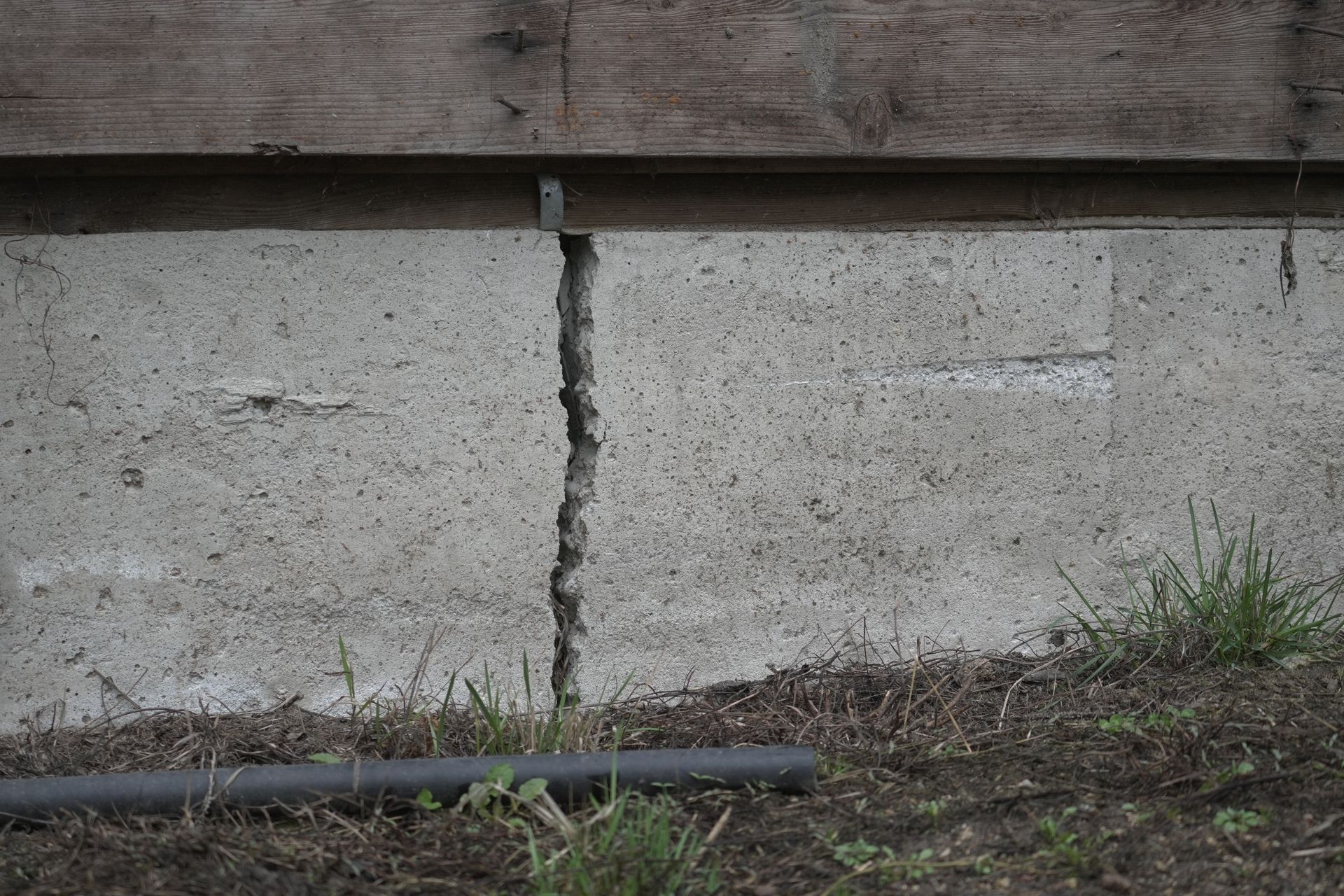
If you suspect your home is settling, the first step is to perform a perimeter walk. Document the location and width of any cracks with a ruler and photograph them. If cracks exceed 1/8 of an inch in width or show signs of displacement (one side of the crack is higher than the other), contact a local specialist for a professional elevation survey. Timely intervention in 2026 can save tens of thousands of dollars in future structural and cosmetic repairs.
Image Gallery