The Singer for The Police: The Musical Legacy and Artistry of Sting
The lead singer, bassist, and principal songwriter for the legendary British rock band The Police is Gordon Matthew Thomas Sumner, universally known by his stage name, Sting. Fronting the trio from their formation in 1977 to their init...
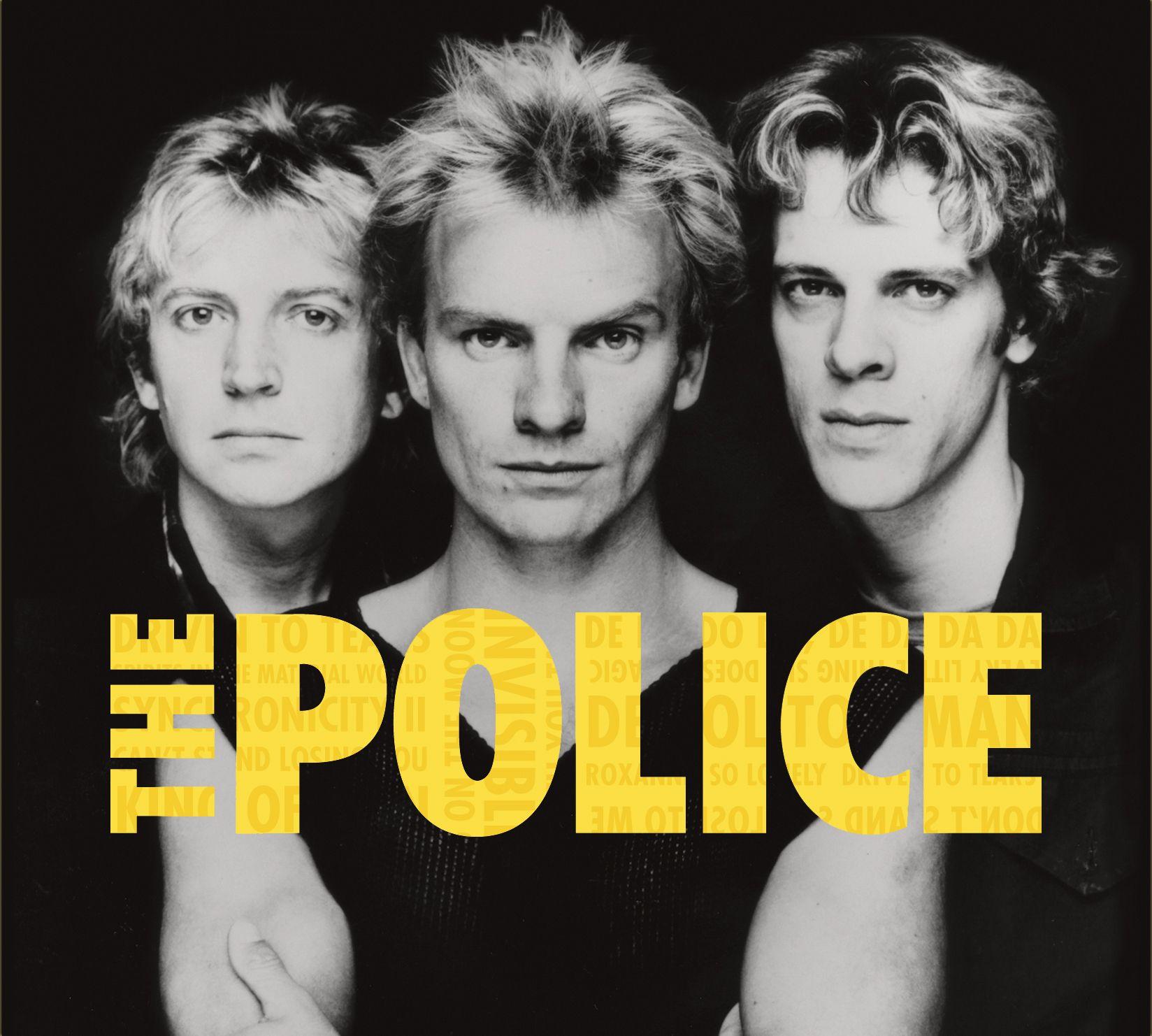
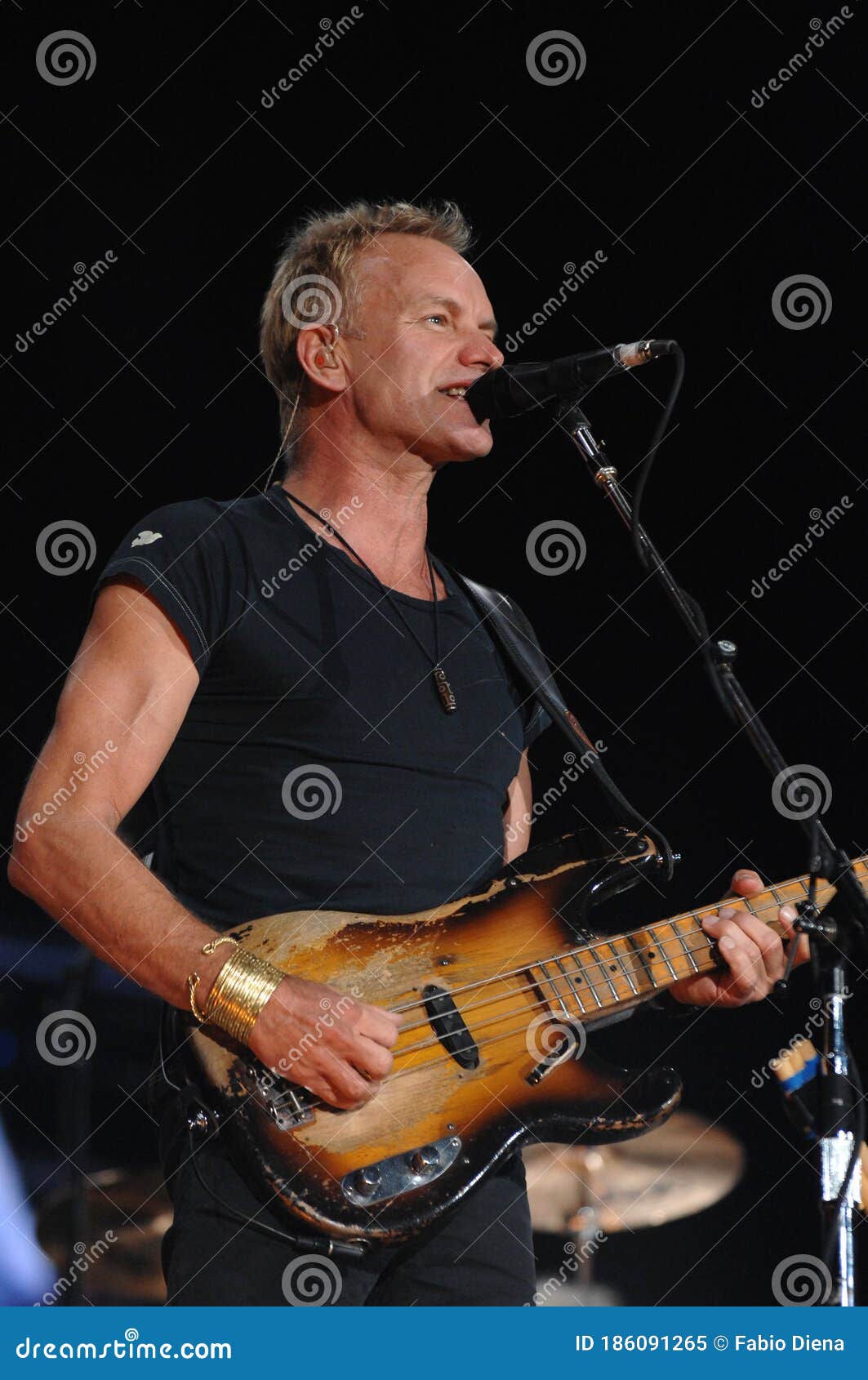
The lead singer, bassist, and principal songwriter for the legendary British rock band The Police is Gordon Matthew Thomas Sumner, universally known by his stage name, Sting. Fronting the trio from their formation in 1977 to their initial dissolution in 1986, Sting's high-tenor vocal range, literary lyricism, and genre-blending compositions propelled the group to global stardom.
Contents
Before achieving international fame, the trio carved out a unique space in late-1970s popular music. Operating as a lean three-piece composed of Sting, guitarist Andy Summers, and American drummer Stewart Copeland, The Police synthesized punk rock energy, reggae grooves, post-punk experimentation, and refined pop arrangements. Central to this sonic identity was Sting’s vocal delivery and melodic counterpoint on the electric bass, which set the standard for new wave musicianship.
Gordon Sumner’s Path to Becoming Sting
Born on October 2, 1951, in Wallsend, near Newcastle upon Tyne, England, Gordon Sumner grew up in an industrial shipbuilding town. Music offered an escape from the shipyards, and Sumner immersed himself in American jazz, Motown, and classic British rock during his teenage years. While training and later working as a primary school teacher, he performed in local jazz and progressive fusion ensembles, most notably the Newcastle Big Band and Last Exit.
The moniker "Sting" emerged during these formative jazz years. While performing with the Phoenix Jazzmen, Sumner frequently wore a distinctive black-and-yellow horizontally striped sweater. Trombonist and bandleader Gordon Solomon remarked that the garment made him resemble a wasp, prompting the musicians to dub him "Sting." The nickname stuck so firmly that Sumner rarely answered to his legal name thereafter, adopting the moniker across his entire professional career.
Sting’s background as an educator and jazz bassist proved foundational to his later work. His exposure to complex chord structures, modal jazz, and improvisational rhythm informed his ear for composition. When Stewart Copeland crossed paths with him in Newcastle in late 1976 and persuaded him to relocate to London, Sting brought a musical vocabulary far more expansive than the standard three-chord progressions dominating the burgeoning British punk scene.
The Dynamic of The Police: Power Trio Architecture
When The Police officially formed in London in early 1977, the lineup initially featured guitarist Henry Padovani alongside Copeland and Sting. Padovani’s raw, punk-inspired playing matched the era's DIY aesthetic, but the band sought greater technical versatility. The addition of veteran guitarist Andy Summers in mid-1977 quickly rendered Padovani’s rhythm work redundant, transforming the band into a virtuosic power trio.
| THE POLICE TRIO |
|---|
| Sting: Lead Vocals, Bass Guitar, Primary Songwriter |
| Andy Summers: Guitars, Synthesizers, Backing Vocals |
| Stewart Copeland: Drums, Percussion, Band Founder |
Performing as a three-piece placed an immense physical and technical demand on the lead singer. In most rock groups, the lead singer is either unencumbered by an instrument or plays rhythm guitar. Sting, however, held down the low-frequency groove on bass guitar while delivering demanding vocal lines:
- Rhythmic Counterpoint: Sting frequently sang across the beat, executing syncopated vocal lines that ran counter to the rhythmic patterns he played on his bass.
- Space and Texture: Because Summers utilized delay pedals and atmospheric, chorus-heavy jazz voicings rather than heavy power chords, Sting’s basslines functioned as both harmonic anchors and secondary lead melodies.
- Dynamic Balance: With Copeland providing intricate, polyrhythmic hi-hat and snare work influenced by dub and Lebanese percussion, Sting's vocals floated cleanly above the mix, lending the trio an expansive, arena-filling sound despite having only three instruments onstage.
Vocal Profile, Technique, and Songwriting Evolution
Sting’s vocal identity is among the most recognizable in modern rock. Classified as a high tenor, his voice combines raw grit with precise pitch control and vocal agility. In the band's earliest singles, such as "Fall Out" and "Next to You," his delivery carried the brash, strained edge typical of 1977 punk. However, as the group matured, his vocal approach evolved into a nuanced instrument capable of expressing subtle emotional registers.
Vocal Technique and Phrasing
Sting incorporated Jamaican vocal inflections, falsetto flourishes, and distinctive vocalizations—such as his signature scatting and melodic chants ("ee-yo-ko")—into standard pop song structures. His ability to sustain notes in his upper register without slipping into vocal fatigue allowed tracks like "Roxanne" and "So Lonely" to cut through commercial radio playlists. He regularly sang in the fourth and fifth octaves, transitioning smoothly between full chest resonance, mixed voice, and head voice.
Literary and Lyrical Complexity
Unlike many of his contemporary peers whose lyrics focused on immediate political disillusionment or teenage rebellion, Sting drew heavily on classical literature, philosophy, and psychology:
- Literary Allusion: "Don't Stand So Close to Me" directly references Vladimir Nabokov’s novel Lolita, detailing the psychological tension of a teacher-student dynamic.
- Psychological Theory: The entirety of the band's final studio album, Synchronicity, was rooted in Carl Jung’s concept of meaningful coincidences and Arthur Koestler’s The Roots of Coincidence.\n3. Metaphorical Storytelling: "King of Pain" uses vivid, physical metaphors—a butterfly trapped in a web, a blind man searching for a coin—to channel personal grief following the collapse of his first marriage.
- Subversive Pop Narratives: "Every Breath You Take," the band's most commercially dominant hit, disguised obsessive surveillance and possessiveness inside the harmonic structure of a classic 1950s romantic ballad.
The Police Studio Discography (1978–1983)
Across five studio albums recorded between 1978 and 1983, Sting wrote the vast majority of the band's catalog, driving their rapid artistic progression from aggressive reggae-punk to avant-garde pop.
| Album Title | Release Year | Primary Vocal Showcase | Sonic Style & Production Focus | Commercial & Cultural Significance |
|---|---|---|---|---|
| Outlandos d'Amour | 1978 | "Roxanne" | Raw punk energy blended with slow reggae rhythms and sparse arrangements. | Launched the band internationally after BBC airplay resistance. |
| Reggatta de Blanc | 1979 | "Message in a Bottle" | Polished dub-reggae spaces, syncopated bass grooves, and soaring hooks. | Earned the band their first UK Number 1 single and Grammy Award. |
| Zenyatta Mondatta | 1980 | "Don't Stand So Close to Me" | Minimalist arrangements, textured delays, and direct socio-political themes. | Solidified global arena status; won two Grammy Awards. |
| Ghost in the Machine | 1981 | "Spirits in the Material World" | Introduction of keyboards, synthesizers, and saxophone horn sections. | Reflected deeper existential anxiety and darker, more layered arrangements. |
| Synchronicity | 1983 | "Every Breath You Take" | High-end 1980s production, literary themes, and polished multi-instrumentation. | Remained at #1 on the US Billboard 200 for 8 weeks; sold over 8 million US copies. |
Interpersonal Clashes and the 1986 Dissolution
The creative engine that propelled The Police was also the mechanism of its demise. From the band's earliest days, Stewart Copeland and Sting had a volatile personal and professional relationship. Copeland had founded the band, devised its initial marketing strategies, and originally considered it his project. However, as Sting’s songwriting emerged as the undeniable commercial catalyst behind their success, the power balance within the trio shifted dramatically.
During the recording of Ghost in the Machine at AIR Studios in Montserrat, and later during the turbulent sessions for Synchronicity in 1982 and 1983, arguments over track selection, production techniques, and royalties escalated into physical altercations. Producer Hugh Padgham frequently had to separate the band members into different rooms of the studio complex to complete individual track overdubs.
- 1977: Formation & Indie Punk Singles
- 1978–1980: Breakthrough Hits & Relentless Global Touring
- 1981–1983: Creative Dominance of Sting; Peak Studio Success
- 1984: Shea Stadium Milestone; Informal Post-Tour Hiatus
- 1986: Aborted Sixth Album Sessions; Official Dissolution
- 2007–2008: 30th Anniversary Global Reunion Tour
Following the mammoth Synchronicity world tour—highlighted by a headline performance at Shea Stadium in August 1983—the band members stepped away to pursue solo endeavors. They reconvened in mid-1986 with plans to record a sixth studio album. The sessions collapsed almost immediately: Copeland broke his collarbone in a polo accident, leaving him unable to play drums, and the trio could not agree on musical directions. The only completed output was a reworked version of an earlier hit, released as "Don't Stand So Close to Me '86." The Police quietly dissolved without a formal farewell announcement.
In 2007, the trio surprised the music industry by reuniting to open the 49th Annual Grammy Awards, subsequently launching the 30th Anniversary Reunion Tour. Running from May 2007 to August 2008, the tour became one of the highest-grossing concert series of the decade, grossing over $360 million across 151 performances worldwide before the members permanently resumed their separate creative paths.
Sting’s Solo Career and Continued Output
Following the 1984 hiatus of The Police, Sting embarked on a solo career that mirrored the stylistic ambition of his later Police material. His debut solo album, The Dream of the Blue Turtles (1985), signaled an immediate departure from three-piece rock, enlisting a lineup of prominent American jazz players, including saxophonist Branford Marsalis, pianist Kenny Kirkland, and drummer Omar Hakim. The record yielded major hits such as "If You Love Somebody Set Them Free" and "Fortress Around Your Heart."
His subsequent albums, including ...Nothing Like the Sun (1987), The Soul Cages (1991), and Ten Summoner's Tales (1993), cemented his standing as an enduring solo artist. These projects explored grief, acoustic folk, Renaissance madrigals, world music, and progressive time signatures (such as the 7/8 rhythm in "Love Is Stronger Than Justice" and the 5/4 meter of "Seven Days").
Over his career across both The Police and his solo endeavors, Sting has received 17 Grammy Awards, three Brit Awards, an induction into the Rock and Roll Hall of Fame (2003 as a member of The Police), and the Polar Music Prize. His voice and songbook remain cornerstones of modern rock and pop history.
Recommended Listening: Tracing Sting’s Vocal Masterworks
For listeners seeking to analyze Sting's vocal range and composition style, specific recordings from The Police’s catalog demonstrate the evolution of his craft:
- "Roxanne" (Outlandos d'Amour, 1978): Exemplifies his upper-register chest voice, raw vocal breaks, and the distinctive use of vocal space against an offbeat tango-reggae pulse.
- "Message in a Bottle" (Reggatta de Blanc, 1979): Demonstrates his mastery of vocal stamina, driving a complex, arpeggiated bass line while delivering an ascending, dynamic chorus hook.
- "Driven to Tears" (Zenyatta Mondatta, 1980): Showcases Sting’s ability to pair biting socio-political commentary with sharp, clean vocal attacks over an aggressive, syncopated rhythm.
- "Every Little Thing She Does Is Magic" (Ghost in the Machine, 1981): Highlights his melodic pop sensibilities, vocal joy, and high-tenor vocal layering over piano-driven counterpoint.
- "King of Pain" (Synchronicity, 1983): Features his introspective phrasing, transitioning from delicate, conversational lower-register storytelling to soaring, cathartic arena climaxes.
Frequently Asked Questions
Did Sting play bass and sing at the same time in live performances?
Yes. Sting performed nearly all live shows playing bass while handling lead vocals. This is considered technically demanding because his basslines were frequently syncopated or carried a counter-melody that ran across the vocal rhythm, requiring complete independence between his vocal phrasing and his fretboard hand.
Why was Gordon Sumner given the nickname Sting?
He received the name in the early 1970s while performing in Newcastle with the Phoenix Jazzmen. Bandleader Gordon Solomon noticed Sumner wearing a black and yellow striped rugby sweater that made him look like a wasp or bee, prompting the band to nickname him "Sting." Sumner embraced the name and adopted it as his permanent professional moniker.
Did any other member of The Police sing lead vocals?
Yes, though rarely. Drummer Stewart Copeland sang lead vocals on a handful of album cuts and B-sides, including "Does Everyone Stare" and "Peanuts" (co-lead), and recorded independent material under the pseudonym Klark Kent. Andy Summers provided the spoken-word lead delivery on the avant-garde instrumental track "Behind My Camel" and the quirky track "Mother" on Synchronicity.
Who owned the songwriting credits for The Police's biggest hits?
Sting was the primary songwriter and sole composer for the band's most commercially successful tracks, including "Roxanne," "Can't Stand Losing You," "Message in a Bottle," "Walking on the Moon," "Don't Stand So Close to Me," and "Every Breath You Take." Because he held the primary publishing rights, tensions over publishing royalties contributed significantly to the group's eventual split.
Did The Police ever release a new studio album after their 2007 reunion?
No. While the 2007–2008 reunion tour was a massive worldwide commercial success, the band explicitly intended it as a celebratory retrospective rather than a creative restart. Sting, Copeland, and Summers consistently stated that no new material would be recorded, and the group disbanded for good at the tour's conclusion in New York City in August 2008.
Image Gallery