How to Choose a St. Louis Rideshare Accident Lawyer
Selecting the right legal representation after a rideshare accident in St. Louis requires evaluating an attorney’s specific experience with Missouri’s unique insurance statutes and the complex liability structures of companies like Ube...
Selecting the right legal representation after a rideshare accident in St. Louis requires evaluating an attorney’s specific experience with Missouri’s unique insurance statutes and the complex liability structures of companies like Uber and Lyft. You must prioritize firms that understand the multi-tiered insurance coverage applicable to rideshare drivers and have a proven record of litigating against large corporate insurers.
Contents
Understanding the Rideshare Liability Landscape in Missouri
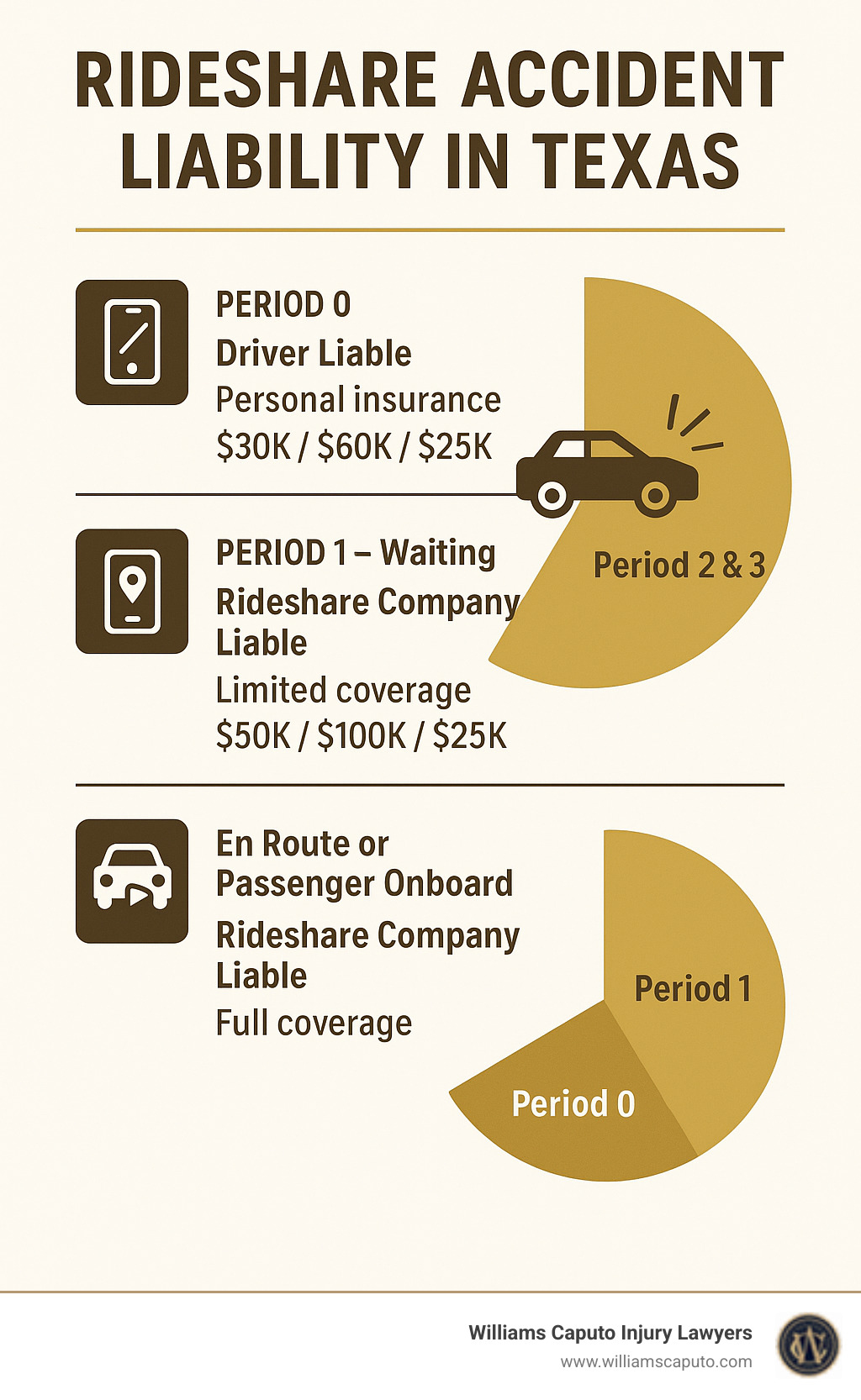
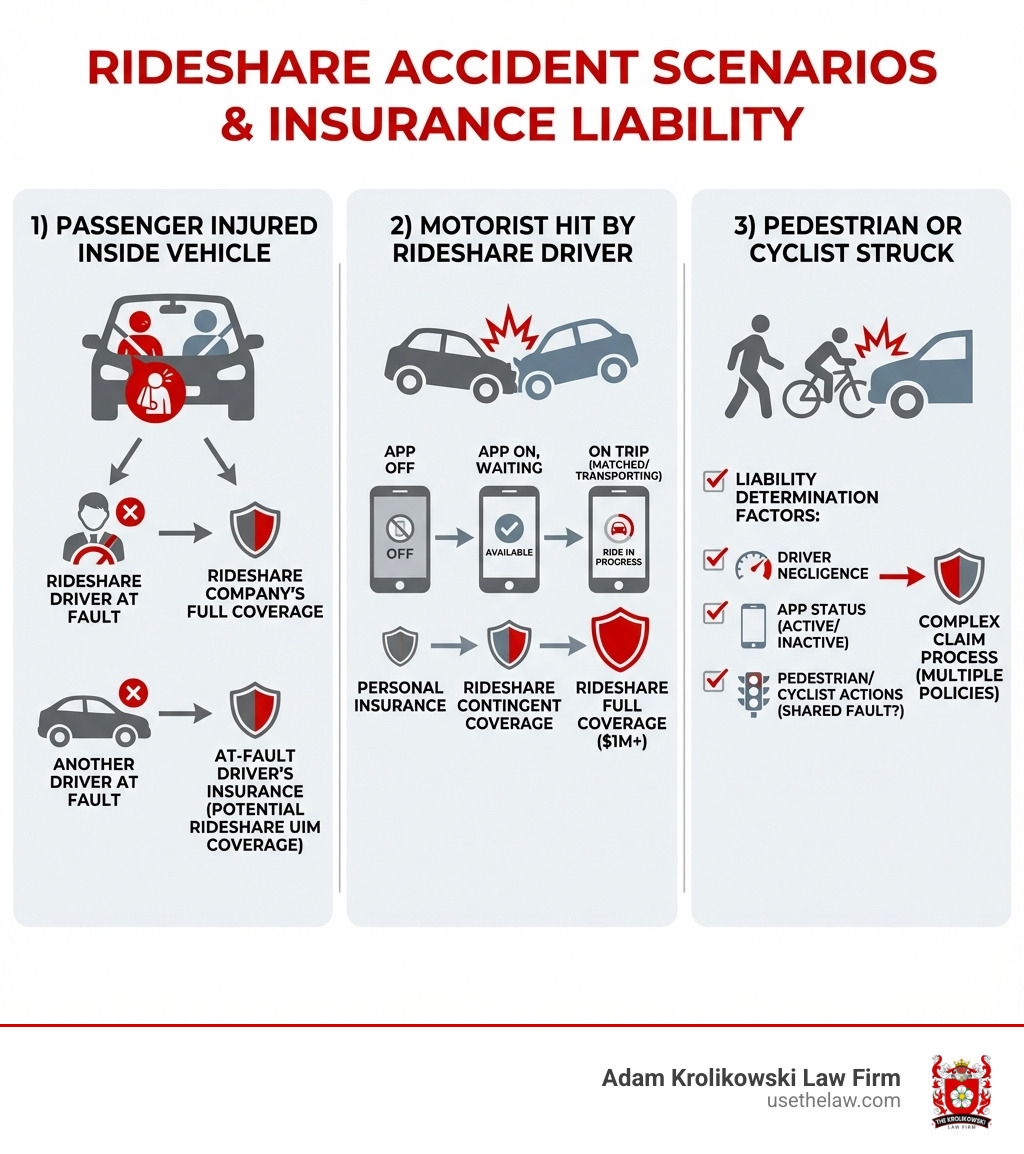
The primary challenge in any rideshare accident case is the "coverage gap." Rideshare companies often classify their drivers as independent contractors, which shifts the burden of liability. In Missouri, insurance coverage is determined by the specific phase of the ride the driver was in at the time of the collision.
When choosing a lawyer, you are not simply looking for a general personal injury attorney; you are looking for someone who understands how the Missouri Department of Commerce and Insurance regulates Transportation Network Company (TNC) policies. Your attorney must be able to categorize your accident into one of the three standard TNC insurance phases:
- Phase 0: The app is off. The driver’s personal auto insurance policy is primary.
- Phase 1: The app is on, but no passenger is in the vehicle. The driver’s personal policy applies, supplemented by limited TNC liability coverage.
- Phase 2/3: A ride has been accepted or a passenger is currently in the vehicle. The TNC’s commercial liability policy (typically $1,000,000 in coverage) is active.
A qualified St. Louis attorney will immediately investigate the status of the rideshare app at the exact moment of impact. Failure to verify this data can lead to your claim being denied by both personal and commercial carriers.
Key Factors When Comparing Legal Counsel
When you interview potential candidates in St. Louis, you should move beyond general credentials. Focus your consultation on their technical approach to digital evidence and corporate litigation.
1. Experience with TNC Evidence Protocols
Rideshare accidents involve unique data points, including GPS logs, app status timestamps, and internal communications between the driver and the TNC platform. Your attorney should have experience issuing preservation letters to entities like Uber or Lyft to ensure these digital footprints are not purged.
2. Local Courtroom and Mediation Familiarity
St. Louis City and St. Louis County courts have different procedural tendencies. An attorney who frequently practices in the 22nd or 21st Judicial Circuits will be better equipped to handle motions, local jury expectations, and regional mediation practices.
3. Fee Structure Transparency
Most rideshare accident lawyers operate on a contingency fee basis. However, you must ask how they handle litigation costs versus attorney fees. Ask if they front the costs of expert witnesses—such as accident reconstructionists or telecommunications experts—and how those are recovered in the event of a settlement or trial.
Comparative Evaluation of Legal Services
| Feature | General Personal Injury Lawyer | Specialized Rideshare Accident Attorney |
|---|---|---|
| Platform Expertise | Limited; treats as standard auto wreck | Deep; understands TNC insurance tiers |
| Evidence Gathering | Standard police report reliance | Subpoenas for app/GPS/telemetry logs |
| Corporate Litigation | Low; often settles quickly | High; prepared for TNC legal departments |
| Regulatory Knowledge | General Missouri tort law | Specific Missouri TNC statutes |
The Process of Retaining Counsel
Before signing a representation agreement, treat the selection process like a formal vetting procedure. Start by requesting a consultation where the attorney reviews the initial facts of your case.
- Request a Case Assessment: Present the police report and any available medical documentation. A reputable attorney will provide an honest assessment of your claim's viability rather than promising a specific dollar amount.
- Verify Licensing: Confirm the attorney is in good standing with The Missouri Bar. You can verify their license status and disciplinary history via the official Missouri Bar website.
- Review the Contingency Agreement: Ensure you understand the percentage split of the gross recovery versus the net recovery. In 2026, standard contingency fees for personal injury in the St. Louis area typically range between 33% and 40%, but this may vary based on whether the case requires a trial.
- Inquire About Support Staff: Ask if you will be working directly with the attorney or if your case will be primarily handled by paralegals. In complex rideshare cases, having direct access to an attorney who understands the nuances of the TNC contract is essential.
Common Mistakes to Avoid
A frequent error is delaying the initial consultation. Rideshare companies have highly specialized teams that begin building their defense the moment a claim is filed. If you wait, you risk the destruction of transient evidence, such as dashcam footage or ride-specific data that may be subject to internal retention policies.
Another mistake is accepting an early settlement offer from a rideshare company’s insurance adjuster. These initial offers are rarely reflective of the long-term cost of medical treatment, lost wages, or pain and suffering. They are designed to close the file as cheaply as possible before the full extent of your injuries is medically determined.
Frequently Asked Questions
What happens if the rideshare driver was uninsured? If the driver did not have valid coverage, your lawyer may look to your own Underinsured/Uninsured Motorist (UM/UIM) coverage or the TNC's contingent liability policy. Your attorney must carefully navigate these secondary insurance layers to avoid gaps in compensation.
How long do I have to file a lawsuit in St. Louis? Missouri law generally dictates a five-year statute of limitations for personal injury claims. However, evidence disappears much faster than that. Filing early is crucial for preserving digital data from the rideshare platform.
Do I need a lawyer if I was just a passenger? Yes. Being a passenger in a rideshare accident can involve complex conflicts of interest, as both the rideshare driver and another motorist may be partially at fault. An attorney acts as your advocate to ensure your claim is not minimized by the driver’s own insurance defense team.
Are rideshare accident cases different from standard car accidents? Yes. Standard accidents involve individuals and their personal insurers. Rideshare accidents involve massive, tech-driven corporations with sophisticated internal legal teams. The liability exposure is layered, making it more difficult to identify the party responsible for paying your damages.
Next Action: Initiating Your Legal Search
To begin, compile a folder containing the police crash report, the ride receipt from the Uber or Lyft app, photographs of the scene, and any medical records you have generated to date. Contact at least three firms that explicitly list "rideshare accidents" or "TNC litigation" as a practice area. During your consultation, specifically ask for examples of how they have handled app-based data in past litigation. This focus on technical and procedural readiness will help you secure the most competent representation for your recovery.
Image Gallery