How to Become an MTA Bus Cleaner in 2026: Salary, Requirements, and Career Guide
To become an MTA bus cleaner in 2026, you must apply through the MTA’s Business Service Center or pass a qualifying civil service assessment when the filing period opens. This entry-level role involves the comprehensive sanitation, fue...
To become an MTA bus cleaner in 2026, you must apply through the MTA’s Business Service Center or pass a qualifying civil service assessment when the filing period opens. This entry-level role involves the comprehensive sanitation, fueling, and interior maintenance of the New York City Transit bus fleet, offering a stable career path with competitive union benefits and clear advancement opportunities.
Contents
The Role of an MTA Bus Cleaner in 2026
In 2026, the Metropolitan Transportation Authority (MTA) continues to prioritize fleet hygiene as a cornerstone of public trust and system reliability. An MTA bus cleaner, often classified under the "Cleaner" title within the Department of Buses or New York City Transit (NYCT), is responsible for the physical upkeep of thousands of vehicles across the five boroughs. This role is far more technical than simple janitorial work; it involves handling specialized industrial equipment, managing hazardous materials, and ensuring that the transit system meets rigorous environmental and health standards.
As the MTA nears its goal of a fully zero-emission fleet by 2040, the responsibilities of a cleaner have evolved. In 2026, cleaners are increasingly trained to work around high-voltage electric bus components and utilize advanced automated cleaning systems that minimize water waste while maximizing disinfecting efficacy.
Primary Responsibilities and Daily Duties
The daily workflow of a bus cleaner is structured around "depot cycles." Most work occurs during the late-night and early-morning shifts (the "graveyard" shift) when the majority of the fleet is off the road.
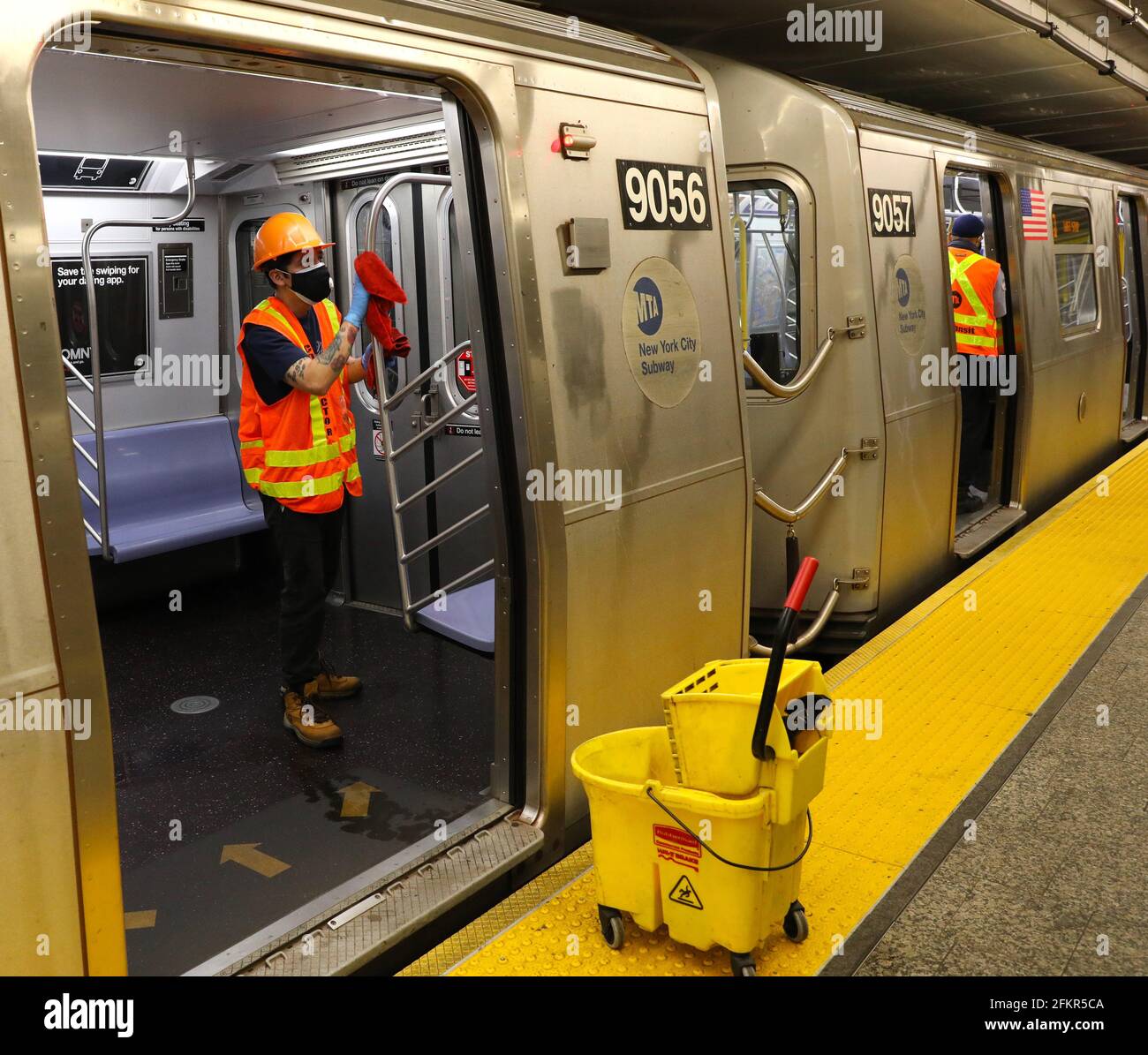
- Interior Sanitization: Deep cleaning of passenger seats, stanchions, floors, and driver cabs using EPA-approved antimicrobial agents.
- Graffiti Removal: Utilizing specialized solvents to remove vandalism from both interior and exterior surfaces without damaging the vehicle’s high-tech wraps or paint.
- Fueling and Fluid Management: For the remaining diesel and hybrid fleet, cleaners are often tasked with refueling and topping off essential fluids like Diesel Exhaust Fluid (DEF).
- Electric Vehicle (EV) Prep: Cleaning charging ports and ensuring that the exterior of electric buses is free of debris that could interfere with pantograph or plug-in charging systems.
- Waste Disposal: Emptying onboard trash receptacles and ensuring the proper disposal of biohazardous materials in accordance with OSHA and New York State DEC regulations.
Eligibility and Mandatory Requirements
The MTA maintains strict standards for its workforce to ensure safety and reliability. While the cleaner position is considered entry-level, the screening process is rigorous. In 2026, the following prerequisites are mandatory for all applicants:
- Age and Residency: Applicants must be at least 18 years of age. While NYC residency was historically a preference, current 2026 hiring mandates focus on legal authorization to work in the United States and the ability to commute to various depots throughout the city.
- Education: A high school diploma or High School Equivalency (HSE) diploma is generally required.
- Driver’s License: A valid New York State driver’s license is mandatory. While a Commercial Driver’s License (CDL) is not always required for the initial "Cleaner" hire, obtaining a Class B CDL with a Passenger (P) endorsement significantly increases promotional opportunities to "Bus Maintainer" or "Bus Operator."
- Physical Fitness: The role is physically demanding. Candidates must be able to lift up to 50 pounds, climb ladders, and remain on their feet for eight-hour shifts.
- Drug Screening: As a safety-sensitive position regulated by federal and state law, the MTA enforces a zero-tolerance drug policy. This includes a pre-employment drug test and subsequent random testing.
Compensation, Benefits, and Union Membership
Working as an MTA bus cleaner in 2026 remains one of the most sought-after blue-collar roles in New York City due to the robust "Step Pay" scale and comprehensive benefits package negotiated by the Transport Workers Union (TWU) Local 100.
2026 Salary Projections and Progression
As of 2026, the pay structure follows a tiered progression. New hires start at a "training rate" and reach "top pay" after five years of service.
| Career Stage | Estimated Hourly Rate (2026) | Estimated Annual Gross |
|---|---|---|
| Starting Rate (Year 1) | $21.50 - $23.00 | $44,720 - $47,840 |
| Mid-Level (Year 3) | $27.00 - $29.00 | $56,160 - $60,320 |
| Top Pay (Year 5+) | $34.50 - $36.00 | $71,760 - $74,880 |
| Lead Cleaner / Supervisor | $38.00 - $42.00 | $79,040 - $87,360 |
Note on Overtime: The figures above represent base 40-hour work weeks. In 2026, due to ongoing expansion of bus services and the implementation of the Interborough Express (IBX) support routes, overtime opportunities are frequent, allowing many cleaners to earn significantly more than their base salary.
Benefits Package
MTA employees receive a "gold-standard" benefits package that includes:
- Comprehensive Health Insurance: Low or no-premium plans for employees and their families.
- New York State Pension: Membership in the NYCERS (New York City Employees' Retirement System) pension plan, providing lifetime retirement security.
- Paid Time Off: Accrued vacation days, sick leave, and personal days that increase with seniority.
- Free Transportation: An "Oyster" or digital MTA transit pass providing free travel on all MTA buses and subways.
The Application and Hiring Process: Step-by-Step
The path to becoming an MTA bus cleaner is often long, sometimes taking 6 to 18 months from the initial application to the first day of training.
Step 1: Online Application or Civil Service Exam
Most cleaner positions are filled through the MTA’s Exam portal. You must monitor the DCAS (Department of Citywide Administrative Services) or MTA "Open Competitive" exam schedules. In 2026, many of these exams have transitioned to computer-based testing (CBT) available at various testing centers in Manhattan, Brooklyn, and Queens.
Step 2: The Practical and Written Assessment
The exam typically tests basic literacy, the ability to follow complex safety instructions, and situational judgment. Some roles may require a practical "performance test" where candidates demonstrate their ability to use cleaning equipment or identify safety hazards on a vehicle.
Step 3: The Background Investigation
If your exam score is high enough to be "reached" on the civil service list, you will be invited to a pre-employment interview. This includes a thorough background check, verification of previous employment, and a review of your driving record (NYS DMV Abstract).
Step 4: Medical Evaluation
Candidates undergo a comprehensive medical exam to ensure they can perform the physical requirements of the job. This includes vision and hearing tests, a pulmonary function test (if working with certain chemicals), and the mandatory drug screen.
Step 5: Probationary Period
Once hired, new cleaners enter a probationary period (usually one year). During this time, they receive on-the-job training regarding environmental safety, chemical handling, and depot protocols.
Challenges and Working Realities
While the job offers excellent stability, potential applicants should be aware of the operational realities.
- Shift Work: Junior cleaners almost always start on the midnight shift (10:00 PM to 6:00 AM or 11:00 PM to 7:00 AM). Seniority dictates shift preferences, and it can take years to move to a morning or afternoon "trick."
- Environmental Exposure: Cleaners work in bus depots that can be loud, dusty, and exposed to the elements. During New York winters, depots can be cold, and during summers, they can be intensely humid.
- Repetitive Labor: The work is highly repetitive and requires a high level of attention to detail to ensure no safety hazards (like slippery floors) are left for commuters.
Career Path: Moving Beyond the "Cleaner" Title
The MTA is a massive organization, and the "Cleaner" role is often a foot in the door. Many individuals use this position to gain internal knowledge before promoting to higher-paying technical roles.
- Bus Maintainer (Chassis/Body): With additional mechanical training or a CDL, cleaners can promote to Maintainer roles, which involve mechanical repairs and carry significantly higher hourly wages.
- Bus Operator: Many cleaners eventually transition to driving the buses. The MTA often provides internal CDL training programs for current employees.
- Supervisory Tracks: Cleaners can take promotional exams for "Maintenance Supervisor" positions, moving into management and oversight roles.
Frequently Asked Questions
Do I need a CDL to be hired as an MTA bus cleaner in 2026? No, a standard Class D driver’s license is usually sufficient for the entry-level cleaner position. However, having a Class B CDL makes you more competitive and is required if you wish to advance to a Maintainer or Operator role later in your career.
How often does the MTA hold cleaner exams? Exams are typically held every 2 to 4 years. However, in 2026, the MTA has implemented a "Rolling Application" window for certain high-need depots in the Bronx and Staten Island to address fleet expansion.
Is the drug test including marijuana for MTA cleaners? Yes. Despite the legalization of recreational marijuana in New York State, the MTA follows federal Department of Transportation (DOT) guidelines for safety-sensitive positions. Marijuana use remains a disqualifier for employment and a cause for termination.
What is the difference between a Subway Cleaner and a Bus Cleaner? While both fall under the general "Cleaner" umbrella, Bus Cleaners work exclusively in bus depots and on the bus fleet. Subway Cleaners (Station Cleaners) work within the subway stations, cleaning platforms, mezzanines, and track areas. The union contracts and specific work hazards differ between the two departments.
Does the MTA provide the uniforms and cleaning equipment? Yes. The MTA provides all necessary Personal Protective Equipment (PPE), including gloves, masks, high-visibility vests, and specialized footwear. Uniforms are also provided and are typically laundered through a department-managed service.
Final Expert Recommendation for Applicants
If you are seeking a career as an MTA bus cleaner in 2026, the most critical step you can take is to maintain a clean driving record and prepare for the civil service exam format. Competition for these roles is high due to the excellent pension and medical benefits. For those who enjoy physical work and want to contribute to the vital infrastructure of New York City, this role remains one of the most reliable paths to a middle-class lifestyle in the public sector.
Image Gallery