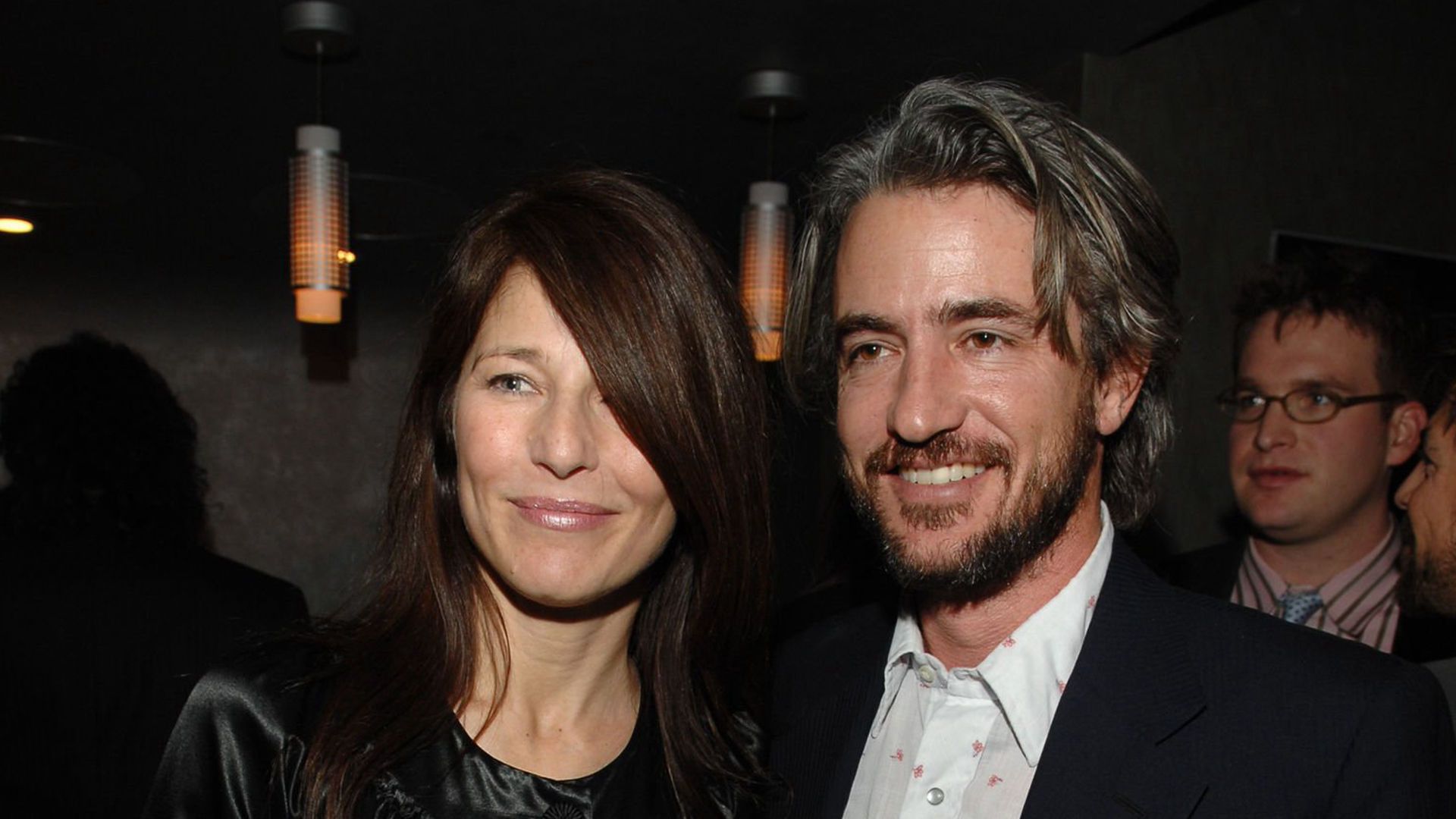
A Comprehensive Look at Catherine Keener’s Film Career and Biography
Catherine Keener is a distinguished American actress recognized for her exceptional ability to embody complex, authentic, and often prickly characters across independent and mainstream cinema. With two Academy Award nominations and a c...
Catherine Keener is a distinguished American actress recognized for her exceptional ability to embody complex, authentic, and often prickly characters across independent and mainstream cinema. With two Academy Award nominations and a career spanning over four decades, she has established herself as a cornerstone of modern American acting, frequently collaborating with visionary directors such as Nicole Holofcener, Spike Jonze, and Jordan Peele.
Contents
Early Life and Career Beginnings
Born on March 23, 1959, in Miami, Florida, Catherine Ann Keener was raised in a large, working-class family in Hialeah. She is one of five children and was raised in a Catholic household. Her initial foray into the arts was not immediate; she attended Wheaton College in Massachusetts, where she became involved with the theater department. This experience provided her with the foundational training necessary for a career defined by naturalism and emotional vulnerability.
After graduation, Keener moved to New York City to pursue acting. Like many performers of her generation, her early career was characterized by small television roles and minor film parts. Her debut role in the 1986 film About Last Night marked the beginning of her professional journey, but it was not until the 1990s that she began to receive critical recognition. Her early work demonstrated an aptitude for capturing the anxieties and desires of contemporary women, a thread that would eventually become a hallmark of her professional identity.
Defining Collaborations and Breakthroughs
The trajectory of Catherine Keener’s career changed significantly when she began her long-standing creative partnership with director Nicole Holofcener. Starting with the independent film Walking and Talking (1996), Keener became the face of Holofcener’s nuanced, dialogue-driven explorations of female friendship, insecurity, and social awkwardness. This collaboration allowed Keener to hone a performance style that feels entirely unscripted and intimately relatable.
Simultaneously, Keener began making a name for herself in the broader cultural consciousness through roles in high-profile independent cinema. Her performance in Spike Jonze’s Being John Malkovich (1999) earned her an Academy Award nomination for Best Supporting Actress. The film, known for its surrealist humor and meta-narrative, showcased Keener’s talent for maintaining grounding emotional reality even within the most outlandish fictional constructs. This role solidified her status as an actress capable of moving fluidly between indie darling status and the demands of Hollywood studio productions.
Artistic Versatility and Critical Acclaim
Keener’s career is marked by a refusal to be pigeonholed into a single archetype. While she is often cast as the sharp-tongued, weary, or cynical voice of reason, her filmography is vast and varied. She has excelled in:
- Period Dramas: Her work in Capote (2005) as author Harper Lee earned her a second Academy Award nomination. This role demonstrated her ability to portray historical figures with restraint and deep empathy.
- Contemporary Dramas: Projects like Synecdoche, New York (2008) highlighted her comfort with existential themes and abstract storytelling.
- Genre Cinema: Keener’s pivot to horror and psychological thrillers, most notably in Jordan Peele’s Get Out (2017), showcased her ability to evoke menace and unsettling authority, proving her range remains formidable well into her later career.
Key Milestones in Keener's Filmography
The following table highlights selected critical milestones in her professional journey:
| Film Title | Year | Role | Significance |
|---|---|---|---|
| Walking and Talking | 1996 | Amelia | Established partnership with Nicole Holofcener |
| Being John Malkovich | 1999 | Maxine Lund | First Academy Award nomination |
| Capote | 2005 | Harper Lee | Second Academy Award nomination |
| Into the Wild | 2007 | Jan Burres | Showcase of emotional depth in ensemble cast |
| Get Out | 2017 | Missy Armitage | Demonstrated range in psychological horror |
Acting Style and Technical Approach
Keener is frequently cited by peers and directors for her "lived-in" performance style. She eschews theatrical affectation, preferring to rely on micro-expressions, tonal shifts, and an almost intuitive grasp of character psychology. In interviews and behind-the-scenes accounts, collaborators often note that Keener is highly collaborative, frequently contributing to the refinement of dialogue to ensure it sounds like organic human speech.
Her technical depth lies in her ability to listen. In scenes with other actors, Keener’s presence is characterized by active engagement. She is rarely "performing" at her co-stars; she is reacting to them. This creates a vacuum of authenticity that pulls the audience into the scene, making her characters feel like real people navigating messy, realistic problems.
Impact on Independent and Studio Cinema
The distinction between "indie" and "mainstream" has blurred over the last twenty years, and Catherine Keener has been a primary bridge between those worlds. By maintaining a career that balances smaller, character-focused scripts with blockbuster roles—such as her involvement in the Marvel Cinematic Universe via Deadpool & Wolverine (2024)—she has maintained a unique position in the industry.
She provides studio films with a level of critical credibility, while her presence in independent films provides those projects with the star power necessary to reach wider audiences. This versatility is rare and has ensured her longevity in an industry that often discards actors as they age. By 2026, Keener remains a sought-after talent, consistently cast in roles that require gravitas, wit, and a seasoned perspective.
Frequently Asked Questions
1. How many Academy Award nominations does Catherine Keener have? Catherine Keener has received two Academy Award nominations for Best Supporting Actress. The first was for her role in Being John Malkovich (1999), and the second was for her portrayal of Harper Lee in Capote (2005).
2. Is Catherine Keener still active in film? Yes, as of 2026, Catherine Keener continues to work actively in film and television. She remains a prolific performer, alternating between high-profile studio projects and character-driven indie features.
3. What is the significance of the Nicole Holofcener and Catherine Keener partnership? Their partnership is considered one of the most successful director-actor pairings in independent cinema. Collaborating on films like Walking and Talking, Lovely & Amazing, and Friends with Money, they developed a signature style that elevated the "mumblecore" and character-drama genres, focusing on the complexities of middle-class female relationships.
4. Does Catherine Keener only do independent films? No. While she is famous for her roots in independent film, she has appeared in many major studio productions. Her filmography includes a wide variety of genres, from thrillers and science fiction to mainstream dramas, demonstrating that her acting style is adaptable to any budget or scale.
Next Steps for Fans
To fully appreciate Catherine Keener’s impact on cinema, a chronological viewing of her work with Nicole Holofcener is the best starting point. Begin with Walking and Talking to see the genesis of her on-screen persona, then move through Lovely & Amazing to observe her growth as a dramatic lead. For those interested in her more intense, contemporary work, a viewing of Get Out followed by her more recent character-driven performances provides a comprehensive look at the evolution of her craft.
Image Gallery