What Are Degrees in Risk Management? Programs, Specializations, and Career Paths
Degrees in risk management are specialized academic credentials designed to teach individuals how to identify, measure, evaluate, and mitigate financial, operational, strategic, and technological threats to organizations. Ranging from...
Degrees in risk management are specialized academic credentials designed to teach individuals how to identify, measure, evaluate, and mitigate financial, operational, strategic, and technological threats to organizations. Ranging from bachelor's degrees to executive master's programs, these curricula blend quantitative analysis, financial modeling, regulatory compliance, and corporate governance to prepare graduates to protect enterprise value in volatile markets.
Contents
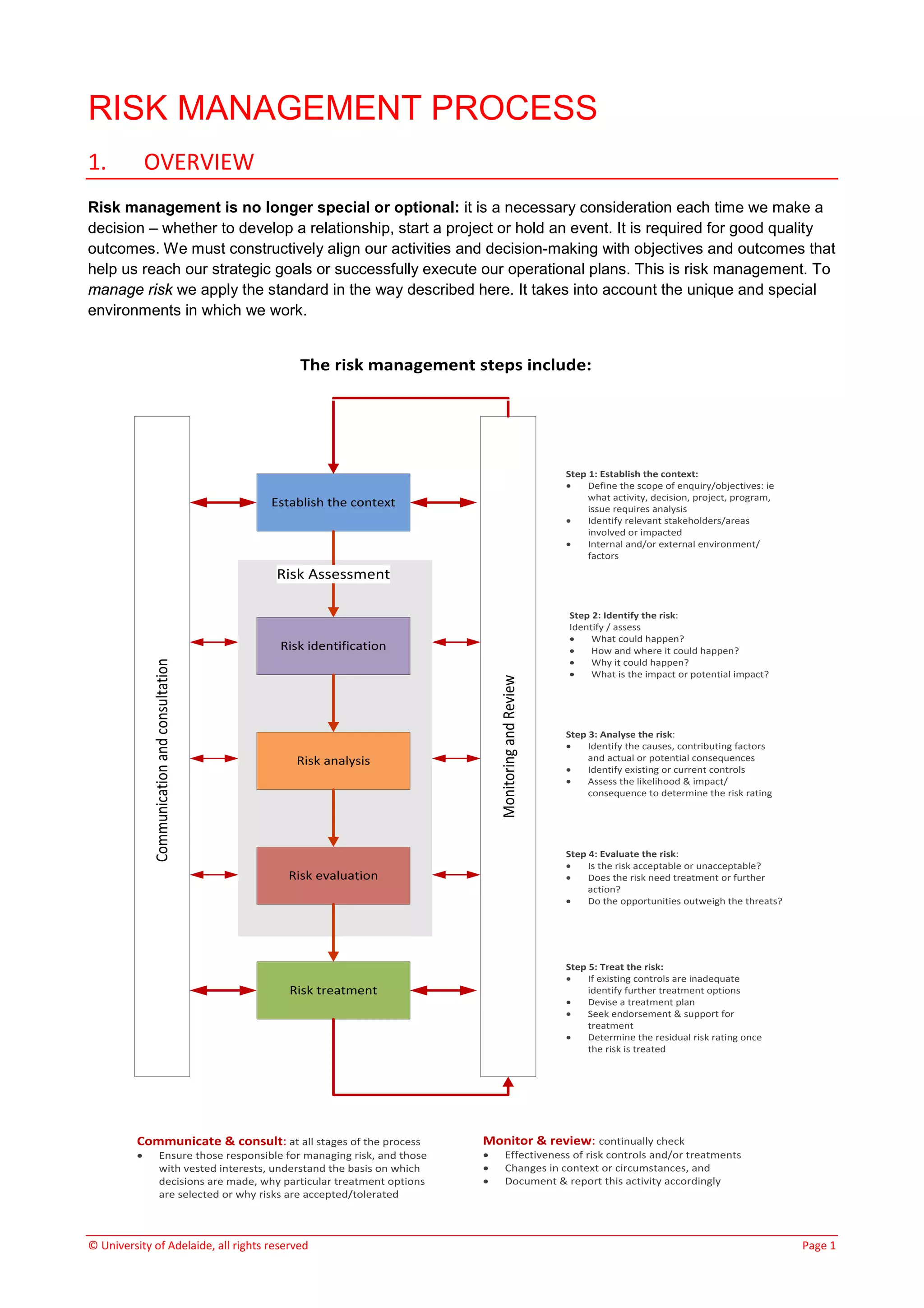
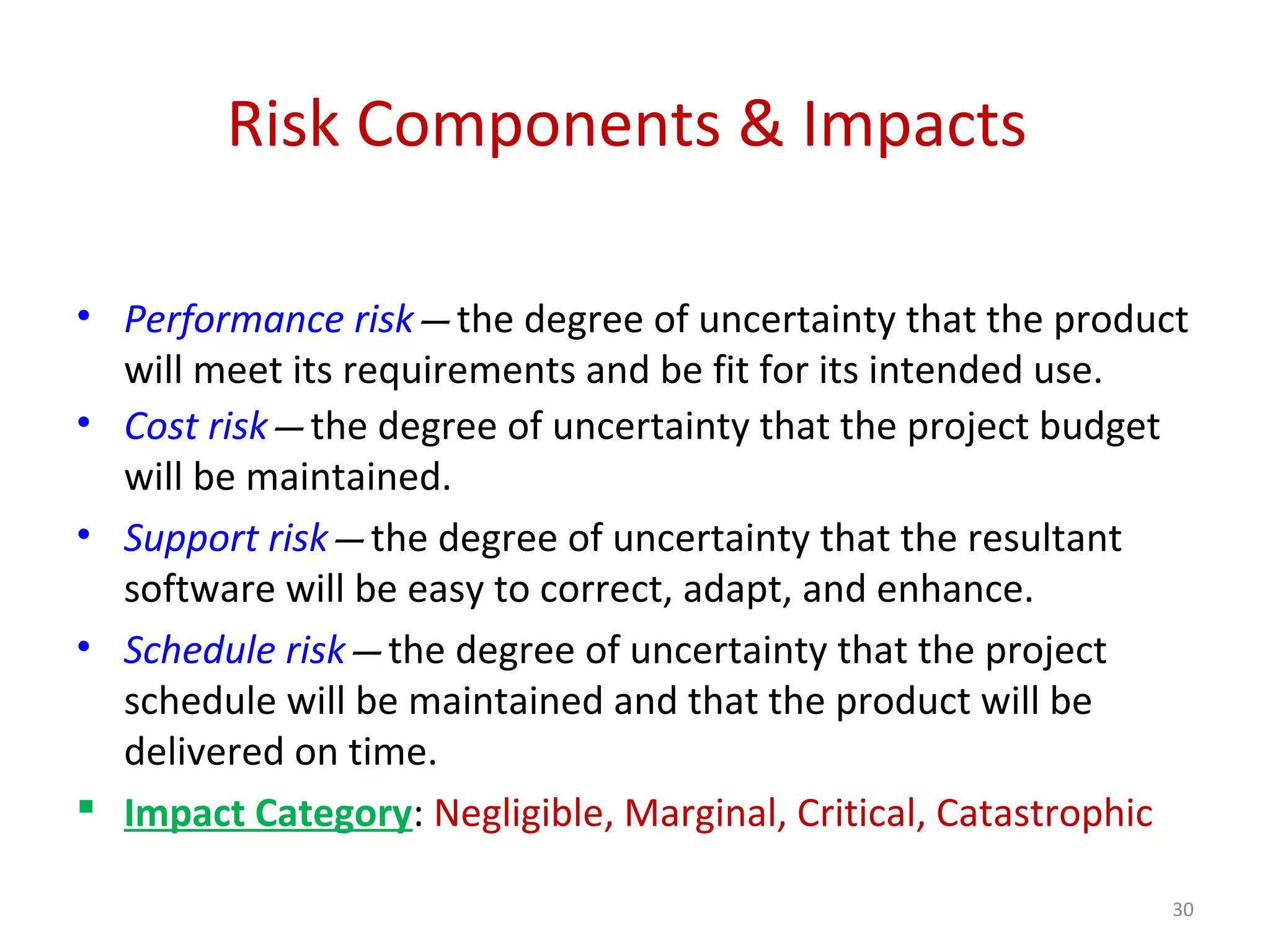
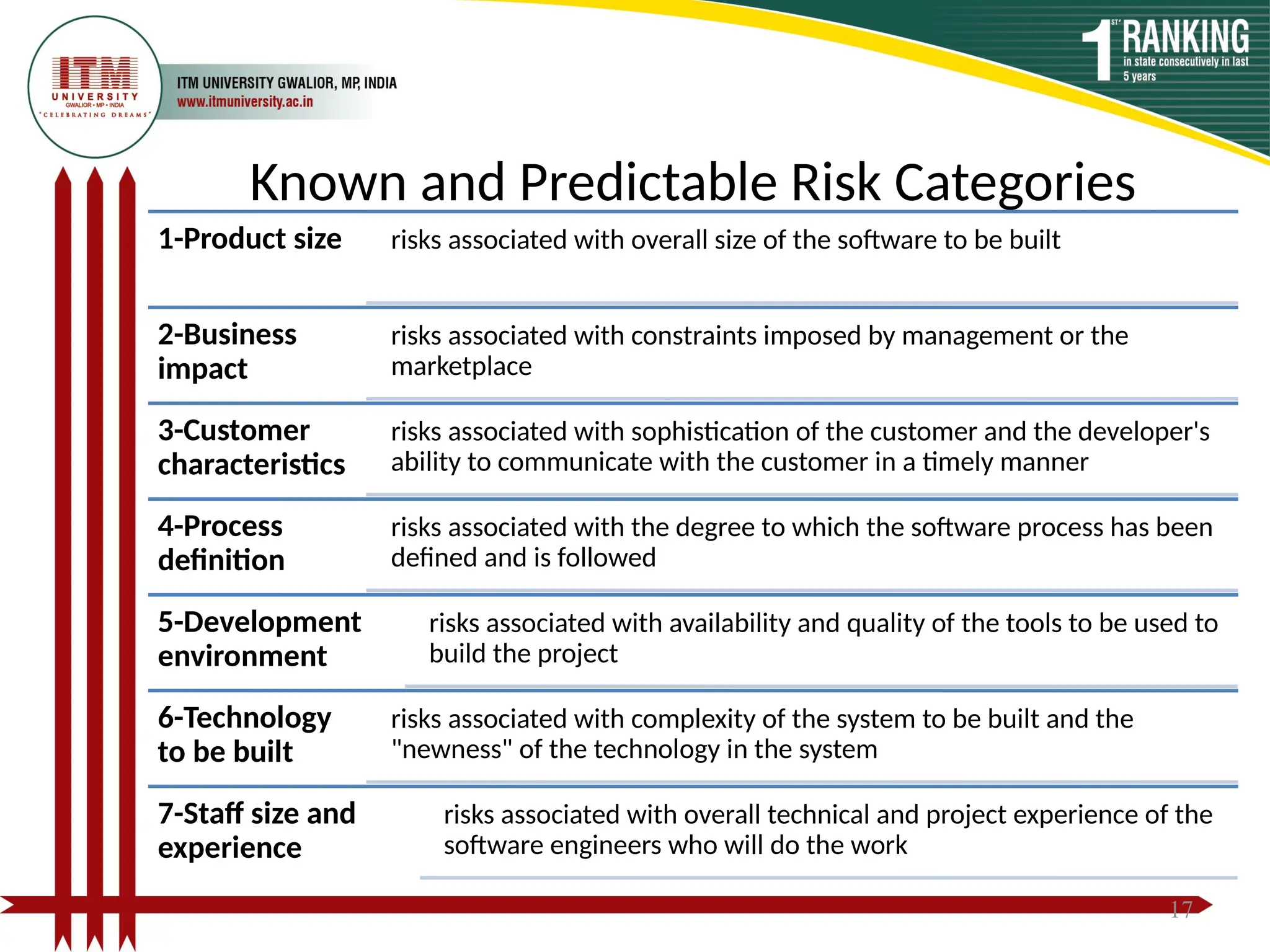
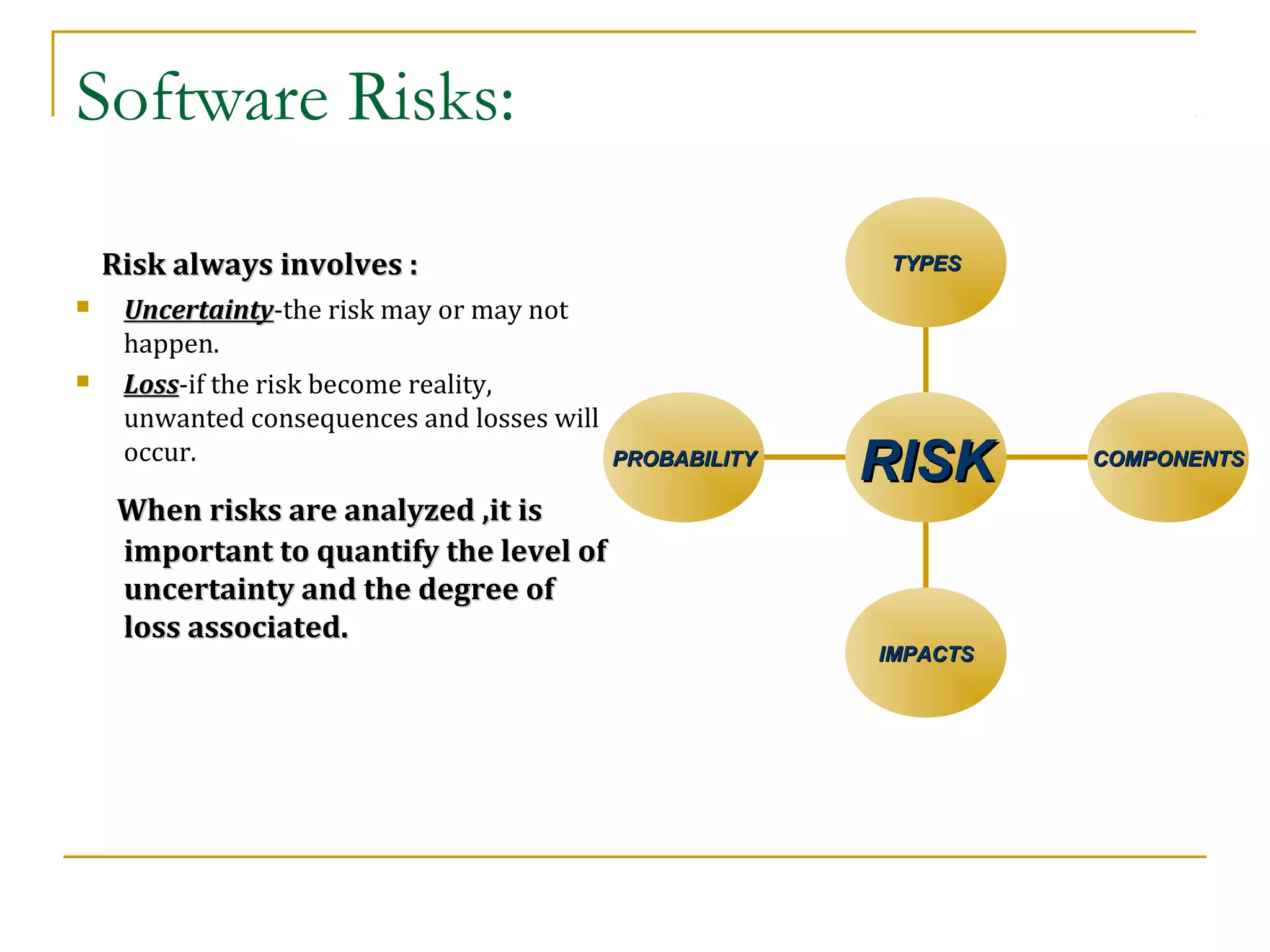
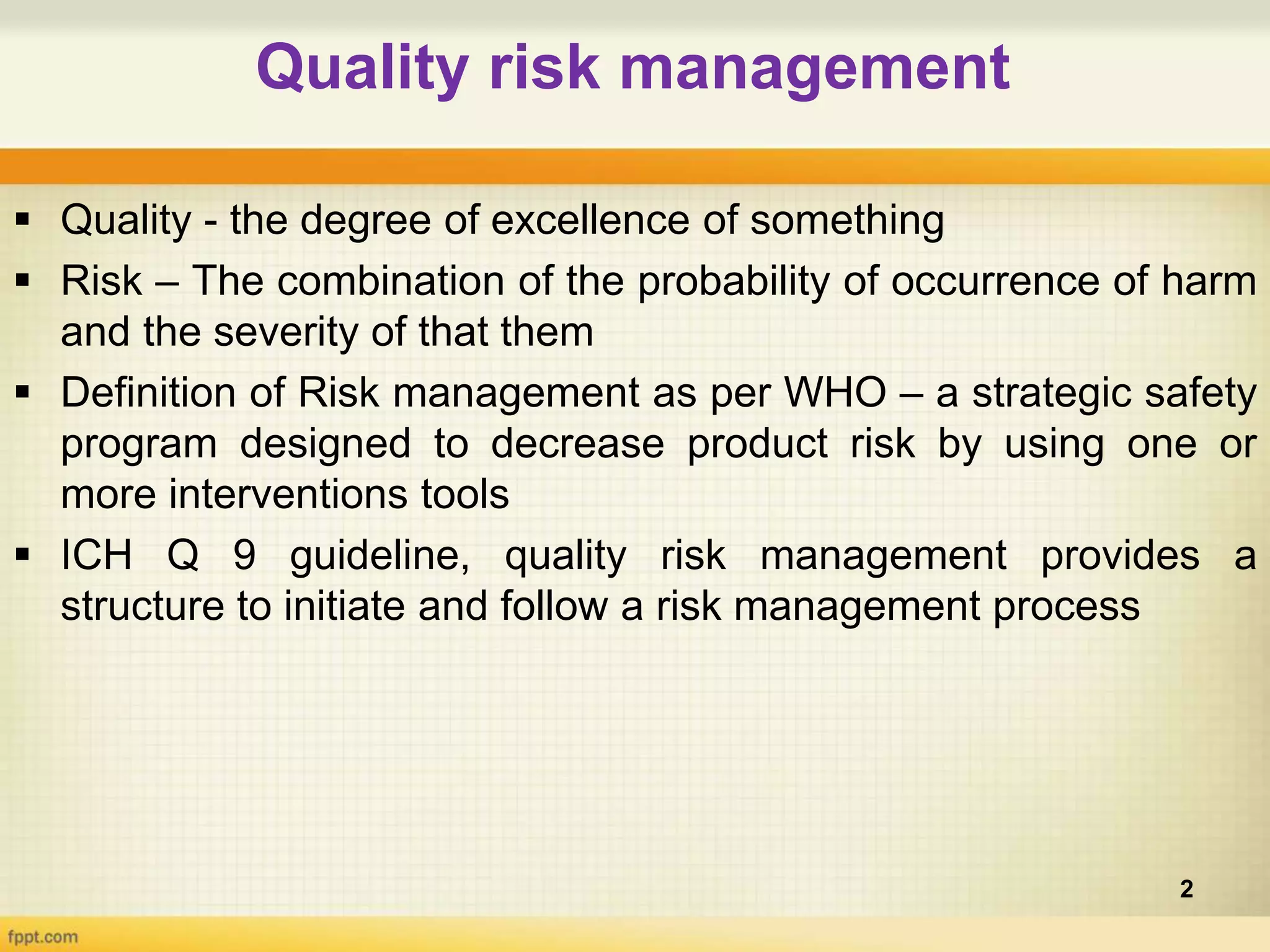
Risk management has evolved from a back-office compliance function into a core pillar of corporate strategy and executive leadership. Modern organizations face interconnected threats—ranging from cybersecurity breaches and supply chain vulnerabilities to macroeconomic fluctuations and regulatory updates. Consequently, academic programs in risk management have expanded beyond traditional insurance coverage to encompass holistic frameworks like Enterprise Risk Management (ERM), quantitative financial modeling, and operational resilience.
Understanding the differences between degree levels, curriculum structures, and professional certifications is essential for prospective students and mid-career professionals planning their educational investment.
Degree Levels in Risk Management
Academic institutions offer risk management education at multiple degree levels, each tailored to different stages of professional development and technical complexity.
Bachelor’s Degrees (B.S. / B.A. in Risk Management and Insurance)
A bachelor’s degree in risk management—often combined with insurance studies (RMI)—provides a foundational business education combined with specialized risk training. Typically structured as a 120-credit hour program over four years, these degrees are offered through business schools accredited by organizations such as AACSB International.
Undergraduate students complete a general business core covering financial accounting, microeconomics, macroeconomics, corporate finance, and business law. Once the core is complete, specialized coursework introduces property and casualty insurance, commercial liability, employee benefit plans, and fundamental quantitative risk assessment.
- Target Audience: High school graduates and transfer students seeking entry-level positions.
- Common Entry Roles: Risk analyst, claims adjuster, underwriting assistant, junior compliance analyst, insurance broker.
Master of Science (M.S.) in Risk Management or ERM
Master of Science programs are highly focused, specialized graduate degrees usually requiring 30 to 36 credit hours. Unlike general business degrees, an M.S. minimizes introductory management coursework to concentrate immediately on advanced risk frameworks, quantitative modeling, financial engineering, and regulatory environments.
These programs frequently divide into two distinct tracks:
- Quantitative/Financial Risk Management: Focuses heavily on market risk, credit risk, liquidity risk, derivative pricing, and statistical modeling. These programs often require a strong background in calculus, linear algebra, and programming (such as Python or R).
- Enterprise Risk Management (ERM): Focuses on strategic risk governance, operational continuity, ESG (Environmental, Social, and Governance) risk factors, and organizational culture. Students learn how to implement standard management frameworks, such as the COSO ERM Framework or ISO 31000.
- Target Audience: Early-to-mid-career professionals seeking specialized technical expertise.
- Common Entry Roles: Senior risk analyst, risk manager, model validation specialist, enterprise risk specialist.
Master of Business Administration (MBA) with a Concentration in Risk Management
An MBA with a risk management concentration blends general executive management education with elective coursework in risk mitigation. While an M.S. program emphasizes deep technical or quantitative mechanics, an MBA focuses on strategic decision-making, executive communication, corporate leadership, and cross-functional integration.
Students spend their first year taking core MBA courses in operations, marketing, organizational behavior, financial strategy, and leadership. The concentration courses examine how risk impacts strategic execution, capital allocation, and corporate valuation.
- Target Audience: Professionals with several years of work experience aiming for management, director, or C-suite executive roles.
- Common Entry Roles: Director of risk management, strategic risk consultant, operations director, Chief Risk Officer (CRO) candidate.
Doctoral Degrees (Ph.D. or DBA)
Doctoral programs in risk management, quantitative finance, or actuarial science prepare graduates for academic research, university teaching, or high-level economic policy roles. Ph.D. programs are research-intensive, focusing on mathematical finance, econometric theory, and novel risk-modeling methodologies. Doctor of Business Administration (DBA) programs focus on applied research for senior corporate executives solving complex organizational problems.
Core Curriculum and Key Specializations
While specific course titles vary by institution, accredited risk management degree programs share common analytical and operational disciplines.
Key Disciplines Taught
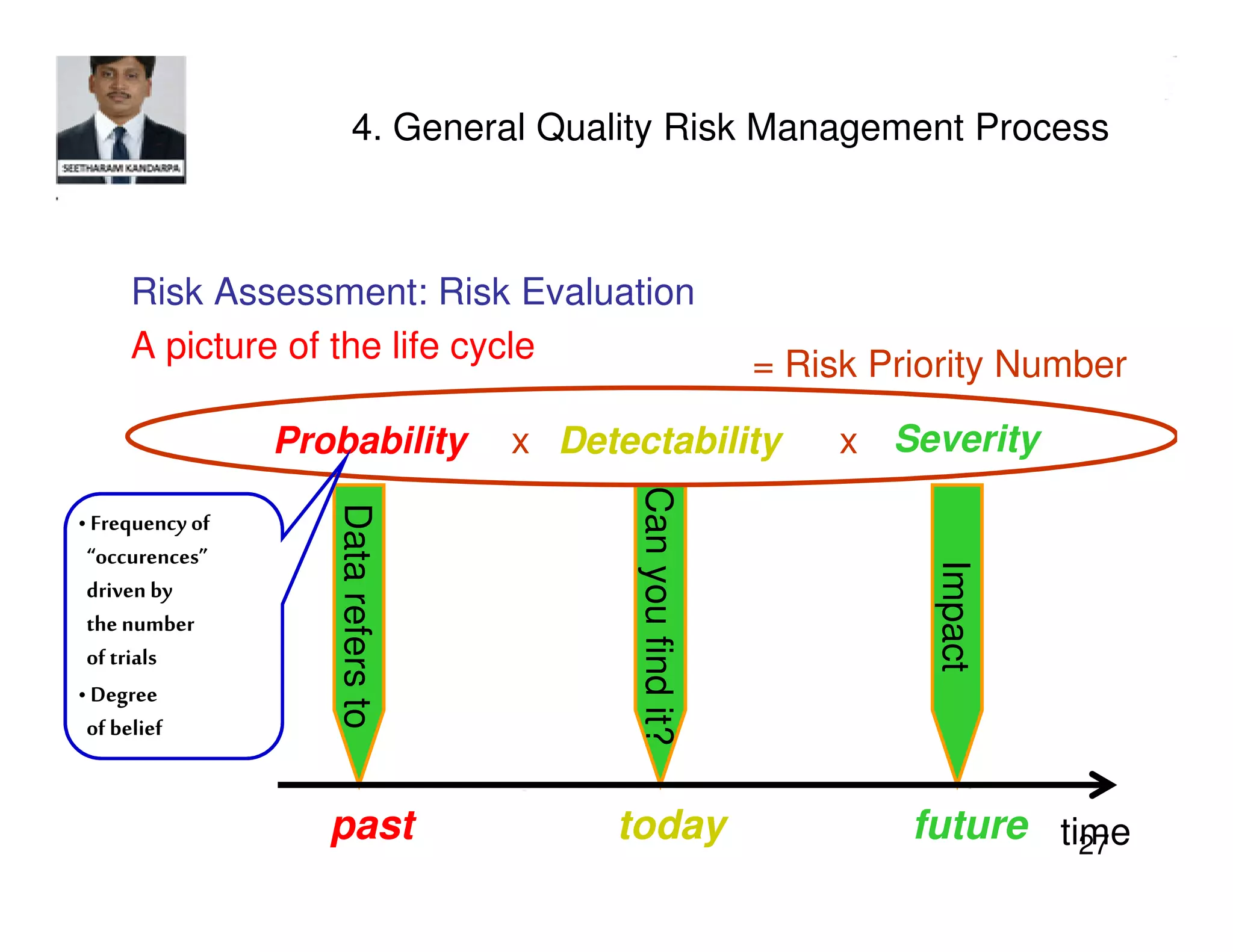
Quantitative Risk Analysis: Uses probability theory, Monte Carlo simulations, Value at Risk (VaR), and stress testing to estimate the likelihood and financial impact of negative events.
Regulatory Compliance and Governance: Examines legal structures, internal auditing, legal liabilities, and international regulatory frameworks like Basel III/IV for banking or Solvency II for insurance.
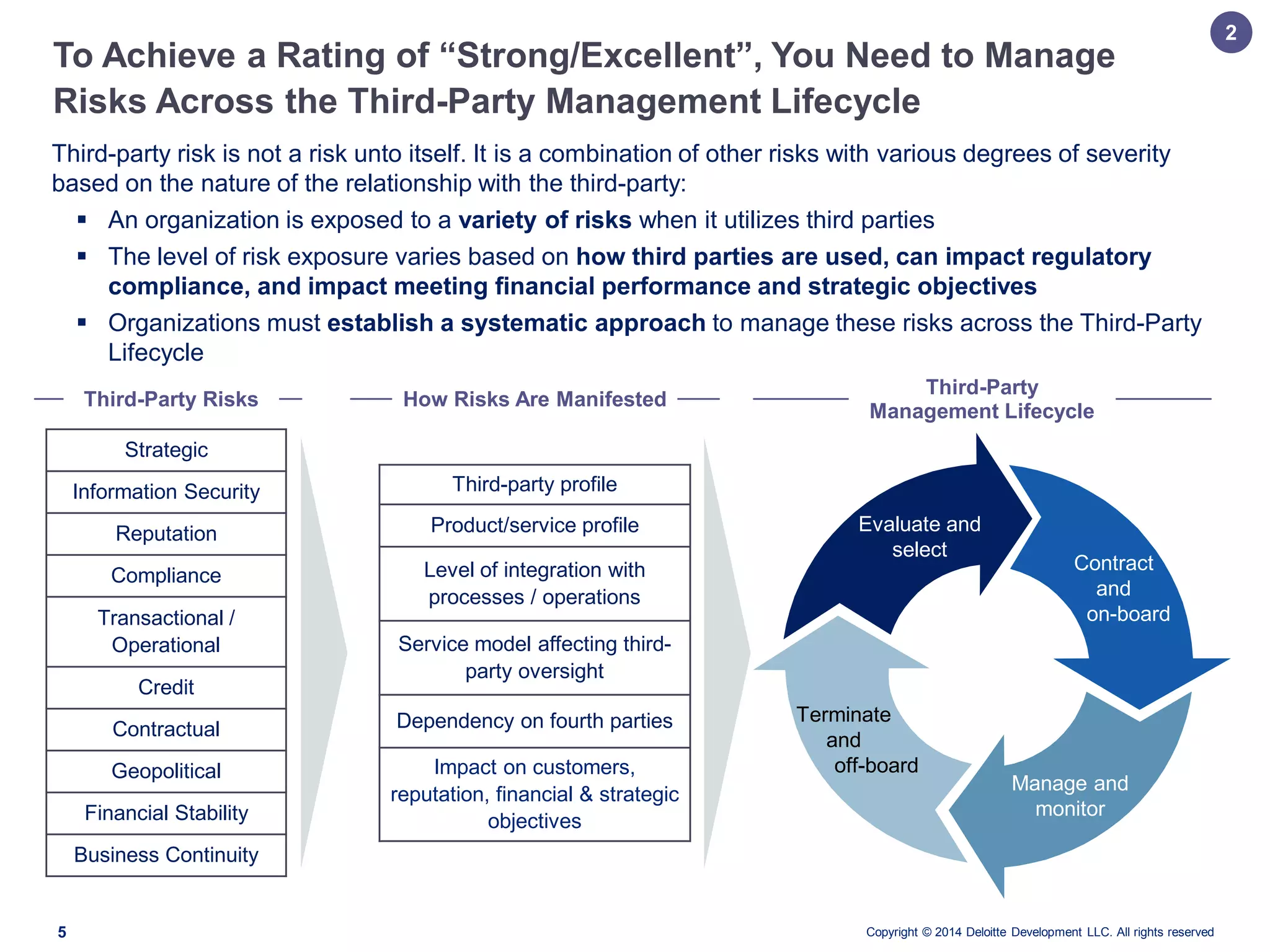
Operational and Supply Chain Risk: Studies process failures, third-party vendor risks, business continuity planning, and physical asset protection.
Cybersecurity and Technology Governance: Evaluates digital infrastructure vulnerabilities, data privacy laws, system redundancy, and corporate response to ransomware or data breaches.
ENTERPRISE RISK MANAGEMENT (ERM)
- Financial Risk
- Market Vol.
- Credit Risk
- Liquidity
- Operational
- Supply Chain
- System Fail.
- Human Error
- Strategic Risk
- M&A Risk
- ESG / Regs
- Market Shifts
- Cyber & Tech Risk
- Data Breach
- IT Audit
- Financial Risk
Comparing Risk Management Degree Levels
The following matrix compares primary risk management degree pathways by duration, quantitative intensity, focus areas, and common career outcomes.
| Degree Level | Typical Duration | Quantitative Intensity | Primary Focus Area | Common Target Roles |
|---|---|---|---|---|
| Bachelor of Science (B.S.) | 4 Years | Moderate | Business basics, foundational RMI, insurance underwriting | Risk Analyst, Underwriter, Claims Specialist |
| Master of Science (M.S.) | 1 to 2 Years | High to Very High | Advanced financial modeling, ERM frameworks, quantitative analytics | Quantitative Risk Analyst, ERM Specialist, Risk Manager |
| MBA (Concentration) | 2 Years (Full-Time) | Moderate | Executive management, strategic decision-making, governance | Director of Risk, Management Consultant, VP of Risk |
| Ph.D. / DBA | 4 to 6 Years | Very High | Academic research, advanced econometrics, theoretical modeling | University Professor, Senior Economic Researcher, Head of Quantitative Research |
Academic Degrees vs. Professional Certifications
A common consideration for professionals is whether to pursue an academic degree, an industry certification, or a combination of both. Academic degrees provide broad foundational knowledge, strategic context, and institutional credentials. Industry certifications validate specific technical competencies and adherence to global standards.
Major Industry Certifications
- Financial Risk Manager (FRM®): Issued by the Global Association of Risk Professionals, the FRM is a recognized designation for financial risk specialists. It requires passing a rigorous two-part exam and completing two years of relevant work experience.
- Associate in Risk Management (ARM™): Offered by The Institutes, the ARM focuses on risk assessment, control, and financing, making it popular among commercial insurance and corporate risk professionals in the United States.
- Professional Risk Manager (PRM®): Issued by the PRMIA (Professional Risk Managers' International Association), this credential focuses on financial risk theory, quantitative methods, and market structures.
Key Differences: Degrees vs. Certifications
| ACADEMIC DEGREE | PROFESSIONAL CERTIFICATION |
|---|---|
| • Comprehensive broad education | • Highly targeted, specific skills |
| • Includes general business subjects | • Requires independent study/exams |
| • Grants formal academic title | • Focuses on immediate job utility |
| • Higher time and financial cost | • Requires ongoing continuing ed. |
Many master's degree programs align their curricula with the FRM or ARM body of knowledge, allowing graduate students to prepare for professional certification exams concurrently with their academic studies.
Career Paths, Demand, and Industry Outlook
Graduates with risk management degrees operate across diverse sectors, including commercial banking, investment management, healthcare, tech enterprise management, energy, insurance, and government advisory.
Primary Career Tracks
- Financial Risk Analyst / Manager: Measures exposure to credit defaults, interest rate changes, and equity price movements. According to the U.S. Bureau of Labor Statistics, demand for financial analysis and risk expertise remains strong as financial markets grow in complexity and data capabilities expand.
- Enterprise Risk Manager: Oversees an organization’s aggregate risk portfolio, building enterprise-wide mitigation strategies that align with long-term strategic goals.
- Compliance and Regulatory Manager: Assures compliance with statutory regulations, industry standards, and financial reporting rules, minimizing exposure to legal sanctions or regulatory penalties.
- Chief Risk Officer (CRO): Acts as an executive officer overseeing global risk governance, reporting directly to the Board of Directors and Chief Executive Officer.
Admission Requirements and Prerequisites
Prerequisites for entering a risk management degree program depend on the academic level and the quantitative rigor of the specific program.
Undergraduate Prerequisites
Admission to a bachelor’s degree in risk management generally follows standard university undergraduate admissions criteria:
- High school diploma or equivalent secondary education credential.
- Demonstrated proficiency in algebra and foundational mathematics.
- Standardized test scores (such as SAT or ACT), where required by the institution.
Graduate Prerequisites (M.S. and MBA)
Graduate programs maintain more stringent entry requirements, particularly for quantitative Master of Science tracks:
- Academic Background: A bachelor’s degree from an accredited institution, ideally in business, finance, mathematics, economics, statistics, or computer science.
- Quantitative Competency: Completion of prerequisite coursework in differential calculus, linear algebra, introductory statistics, and basic financial accounting.
- Test Scores: GRE or GMAT scores, though many institutions offer waivers based on professional work experience or high undergraduate GPAs.
- Professional Experience: MBA programs typically require two to five years of full-time post-graduate work experience, whereas specialized M.S. programs may accept direct-entry applicants with strong quantitative backgrounds.
How to Choose the Right Program
Selecting an appropriate degree program requires aligning your career goals with the academic focus of the program.
- Evaluate Quantitative Requirements: If your goal is to build risk models, price derivatives, or conduct quantitative research, choose a Master of Science in Financial Risk Management with heavy stochastic calculus and coding coursework. If your target is general management or corporate policy, an MBA or M.S. in Enterprise Risk Management is better suited.
- Verify Program Accreditation: Ensure the business school holds institutional accreditation from recognized international bodies like AACSB or ACBSP. Specialized RMI programs may also have recognition from industry bodies like the Global Association of Risk Professionals (GARP).
- Inspect Delivery Formats: Many universities offer fully online, hybrid, or evening executive formats tailored to working professionals. Ensure the format fits your schedule without compromising networking opportunities or experiential learning components.
- Review Industry Connections and Career Placement: Research the program’s corporate partnerships, internship placement rates, alumni network, and dedicated career services resources.
Frequently Asked Questions
Is a degree in risk management worth it compared to a general finance degree?
A specialized degree in risk management provides targeted instruction on risk modeling, regulatory frameworks, governance, and business continuity that general finance degrees touch on only broadly. For professionals seeking targeted roles in corporate risk governance, compliance, or insurance underwriting, a specialized risk degree provides a clearer competitive advantage.
Can I work in risk management with an engineering or computer science degree?
Yes. Many quantitative risk management roles—particularly in cyber risk, algorithmic trading, and quantitative credit modeling—actively recruit individuals with technical backgrounds in engineering, computer science, physics, or mathematics. Taking graduate certificates or completing credentials like the FRM can bridge any missing business or regulatory context.
What is the difference between an M.S. in Risk Management and an M.S. in Actuarial Science?
An M.S. in Actuarial Science focuses heavily on mathematical probability, life contingencies, statistical loss models, and credentialing exams required to become a certified Actuary. An M.S. in Risk Management covers broader enterprise threats, managerial frameworks, regulatory compliance, and non-actuarial financial exposures.
Are online risk management degrees respected by top employers?
Yes, provided the degree is awarded by an accredited, non-profit academic institution. Employers prioritize institutional accreditation (such as AACSB) and practical curriculum rigor over whether the coursework was completed in a physical classroom or via an accredited distance-learning platform.
Do risk management degrees cover artificial intelligence and technological risk?
Modern curricula increasingly incorporate technology risk modules into their coursework. Students study how machine learning models introduce algorithmic bias, data privacy concerns, automated model drift, and new operational vulnerabilities into corporate environments.
Next Steps for Prospective Students
To begin your educational journey in risk management, consider the following actionable steps:
- Assess Your Analytical Strengths: Determine whether your interests lean toward quantitative mathematical modeling (Financial Risk/Actuarial tracks) or strategic governance and policy (ERM/MBA tracks).
- Audit Prerequisite Skills: Build foundational skills in statistics, corporate finance, excel modeling, and basic programming (Python/R) before enrolling in graduate-level coursework.
- Compare Program Outcomes: Request employment statistics, median starting salaries, and placement reports directly from target university admissions offices.
- Explore Dual Pathways: Look for academic programs that offer embedded preparation for professional credentials, allowing you to graduate with both a degree and progress toward certifications like the FRM or ARM.
Image Gallery