Why the Printer Scene from Office Space Still Matters Today
The printer scene in Mike Judge’s 1999 satirical comedy Office Space matters because it serves as the ultimate cinematic symbol of workplace alienation, technological frustration, and anti-corporate rebellion. By capturing the visceral...
The printer scene in Mike Judge’s 1999 satirical comedy Office Space matters because it serves as the ultimate cinematic symbol of workplace alienation, technological frustration, and anti-corporate rebellion. By capturing the visceral urge to destroy a malfunctioning piece of office equipment, the scene transformed a routine corporate annoyance into an enduring cultural metaphor for burnout and systemic powerlessness that remains deeply relevant today.
Contents
The Narrative Context: A Breaking Point in an Open Field
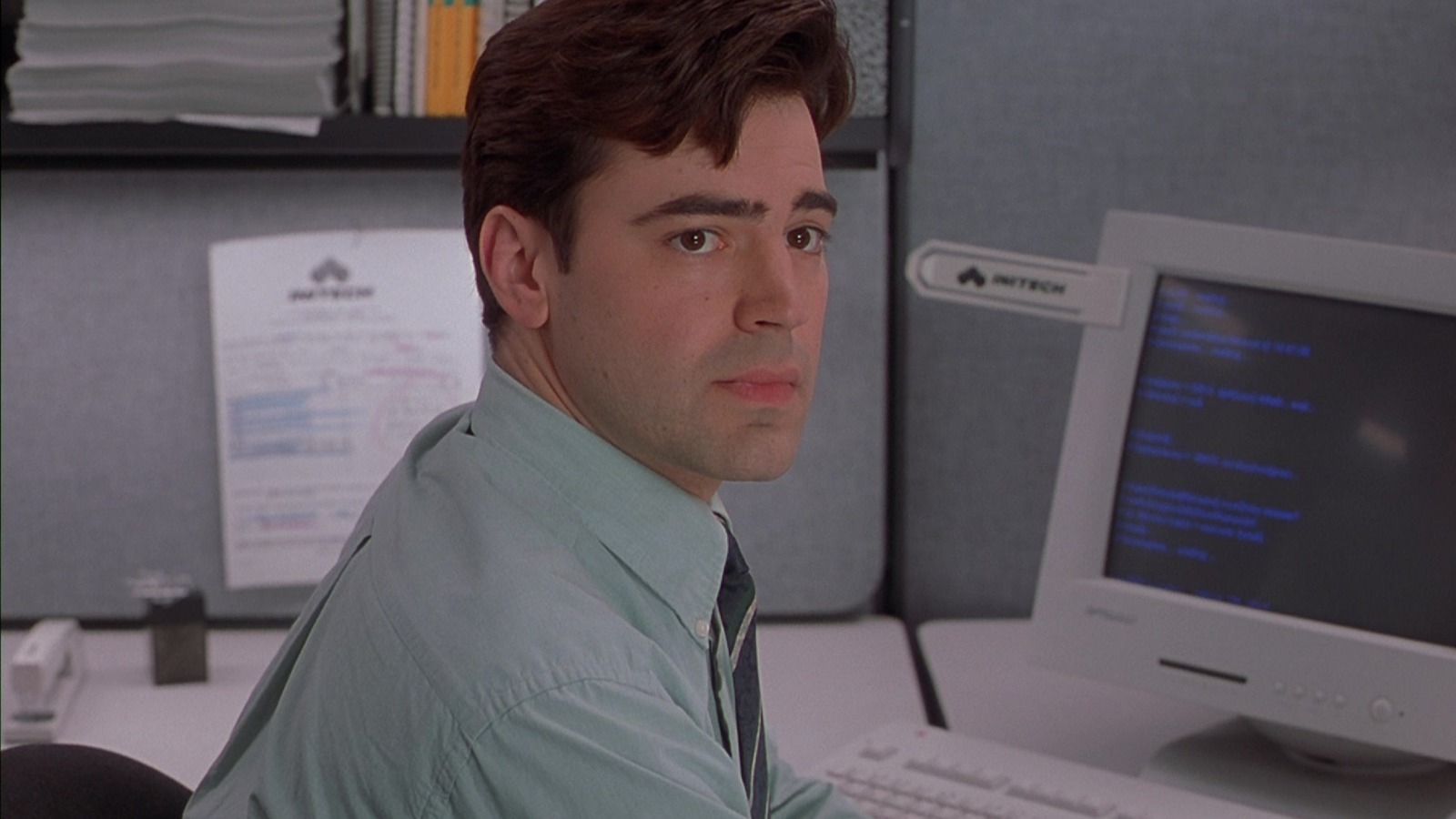
To understand why the destruction of the Initech printer carries such emotional weight, one must examine the narrative trajectory leading up to it. In Office Space, protagonists Peter Gibbons (Ron Livingston), Samir Nagheenanajar (Ajay Naidu), and Michael Bolton (David Herman) spend their days trapped in soul-crushing cubicles at the fictional software company Initech. Their daily lives are defined by petty micromanagement, arbitrary administrative tasks like TPS reports, and the constant threat of layoffs orchestrated by corporate downsizing consultants.
Throughout the first half of the film, the office printer/copier acts as a persistent antagonist. It jams constantly, fails at critical moments, and repeatedly flashes the cryptic, infuriating error message "PC LOAD LETTER."
| INITECH PRINTER STATUS DISPLAY |
|---|
| [ PC LOAD LETTER ] |
| Status: Offline / Error |
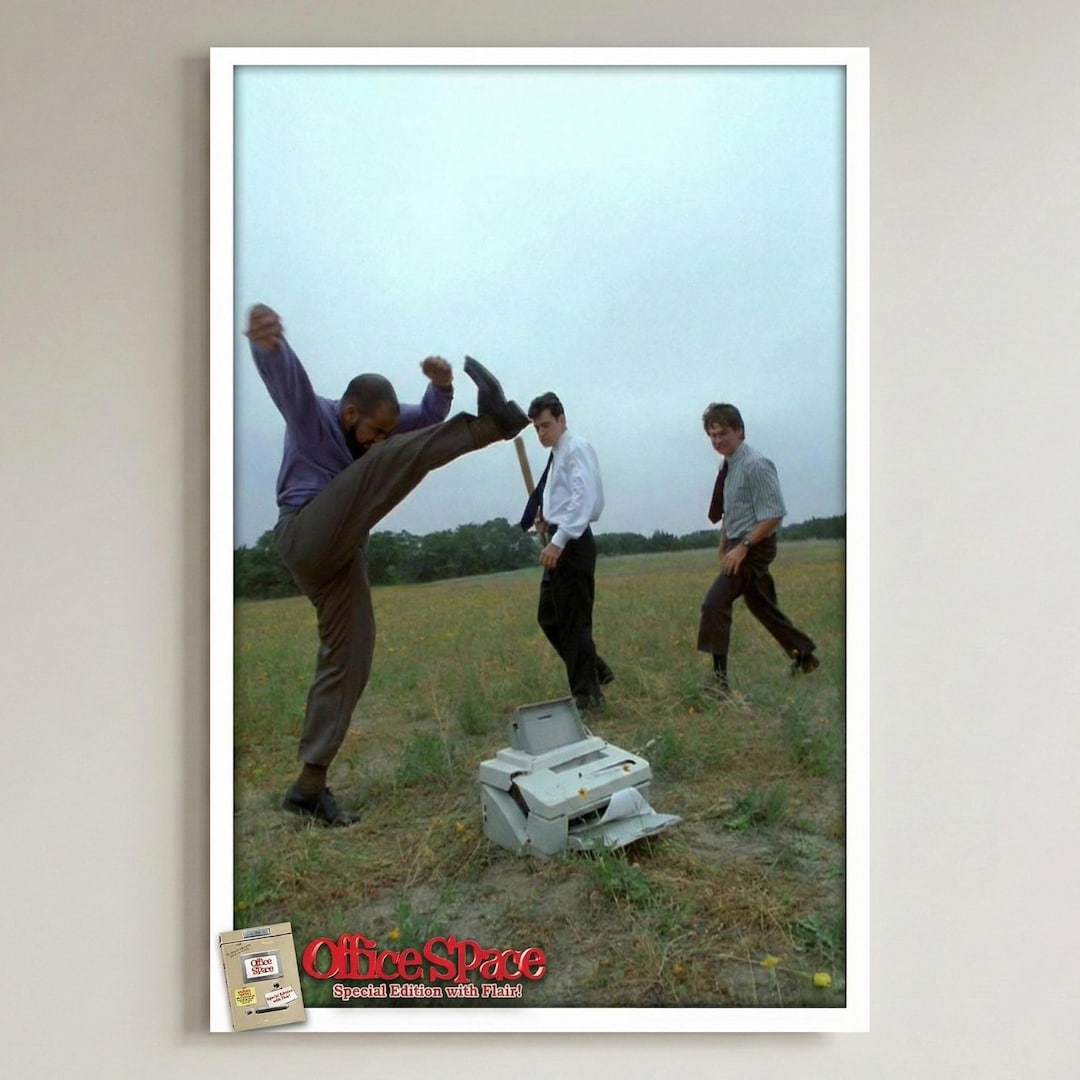
When Peter, Samir, and Michael learn that Samir and Michael are being terminated while Peter receives a promotion after abandoning corporate conformity, their shared frustration boils over. Rather than quietly accepting their fate, they steal the offensive printer from the office building, drive it to an isolated grassy field, and systematically destroy it using a baseball bat and their bare hands.
The scene serves as the climax of their shared catharsis. It marks the precise moment where passive endurance transforms into active defiance, shifting the character dynamics from helpless corporate cogs to agents of their own fate.
The Cinematic Craft: Subverting Hip-Hop and Suburban Boredom
From a cinematic standpoint, director Mike Judge executed the printer beatdown with stylistic genius. The scene’s power relies on a stark artistic contrast between audio and visual elements:
- Musical Contrast: The destruction is set to the track "Still" by the Houston hip-hop group Geto Boys. The hard-hitting beat and aggressive, explicit lyrics—typically associated with street realism and anti-establishment defiance—are juxtaposed against three mild-mannered, suburban tech workers wearing khaki pants and dress shirts.
- Visual Framing: Judge uses slow-motion tracking shots reminiscent of high-stakes action films or mob dramas. Each strike of the baseball bat is framed with dramatic weight, emphasizing the visceral release of built-up physical tension.
- Character Arc Payoffs: Michael Bolton, who spent the film struggling with sharing a name with the famous pop singer, unleashes ferocious aggression. Samir, typically soft-spoken and cautious, joins in with raw passion. Peter stands back briefly, watching his friends find liberation before joining the demolition himself.
By treating a piece of mundane office hardware like a rival gang member or a tyrannical oppressor, Judge highlighted the absurd degree to which corporate workers internalize stress. The comical absurdity of the execution does not diminish its emotional truth; instead, it amplifies the underlying pain of modern work life.
The Cryptic Reality of "PC Load Letter"
A major reason the printer scene became iconic is its grounding in a universal tech-support grievance. The recurring error code "PC LOAD LETTER" became an instantly recognizable meme before internet memes existed in their modern form.
For years, average office workers had no idea what the message meant, leading to Peter Gibbons’ famous line: "PC Load Letter? What the fuck does that mean?!"
Understanding the "PC Load Letter" Error:
- PC: Paper Cassette (Tray Source)
- LOAD: Insert/Fill Paper Tray
- LETTER: Standard Letter Size Paper (8.5 x 11 Inches)
In standard Hewlett-Packard (HP) LaserJet printers of the 1990s:
- PC stood for Paper Cassette, the internal tray holding paper.
- LOAD was an instruction to insert paper into the tray.
- LETTER indicated the required paper format (Standard 8.5 x 11-inch paper).
The printer was simply indicating that its primary paper tray was empty or expecting standard Letter-sized paper. However, because "PC" was universally recognized as an abbreviation for "Personal Computer," users interpreted the error as a baffling breakdown between their desktop computer and the print queue.
This UI design failure highlighted a fundamental disconnect between technology creators and end-users. The machine communicated in cryptic engineering codes rather than clear human language, turning a minor maintenance request into a source of psychological stress.
Psychological Anatomy: Why Percussive Maintenance Resonates
Psychologists and workplace researchers often point to the printer scene when discussing workplace burnout and techno-stress. The scene resonates because it provides visual form to several key psychological phenomena:
1. Learned Helplessness
In corporate environments, workers frequently experience situations where their actions yield no predictable outcome. Clicking "Print" should produce a document, but instead, it yields unexplained error codes, hardware jams, or network disconnects. When individuals repeatedly face minor, uncontrollable failures, they experience learned helplessness—a state of passive frustration. Physical destruction breaks that cycle by offering immediate, undeniable agency.
2. Percussive Maintenance as Symbolic Revenge
"Percussive maintenance"—the practice of hitting an electronic device to make it work—is a long-standing running joke in technical fields. In Office Space, hitting the printer is no longer about fixing it; it is about punishment. The printer acts as a physical proxy for the invisible, untouchable corporate hierarchy. Employees cannot beat up their micromanagement supervisors or corporate board members, but they can smash the machine that sits on the company counter.
3. The Demands-Control Model
According to Robert Karasek’s Job Demand-Control model, job strain is highest when psychological demands are high and worker control/autonomy is low. The characters in Office Space operate under high demands (tight deadlines, strict formatting rules) with zero control over their physical environment or software tools. Destroying the printer represents a temporary, radical reclamation of control over their physical space.
Historical Context vs. Modern Workplace Parallel
While Office Space was released in 1999 during the height of the late-90s dot-com boom, the underlying themes of the printer scene have evolved rather than faded. The physical inconveniences of 1990s paper-bound offices have migrated into digital software environments.
| 1999 Corporate Friction (Office Space) | Modern Workplace Counterpart | Psychological Impact |
|---|---|---|
| Cryptic printer errors ("PC Load Letter") | Unclear SaaS error codes, broken API integrations | Frustration due to lack of diagnostic feedback |
| Physical paper jams and toner leaks | Crashing video calls, lost cloud sync files | Interruption of deep work and continuous focus |
| Physical cubicle walls and fluorescent lighting | Constant Slack/Teams notification pings | Sensory overload and boundary erosion |
| Arbitrary paper TPS report cover sheets | Mandatory administrative status update forms | Feeling that process overrides actual productivity |
| Physical printer smash in an open field | Muting notifications, closing tabs, digital detox | Desire for physical catharsis against invisible tools |
Today, white-collar professionals may not deal with paper jams as frequently, but they experience the modern equivalents: endless multi-factor authentication loops, cloud synchronizing errors, video software updates two minutes before a client meeting, and fragmented communication platforms. The physical rage directed at the Initech printer remains a perfect mirror for contemporary digital fatigue.
Cultural Legacy and Tech-Industry Impact
The printer scene’s influence extends far beyond film studies. It has deeply affected popular culture, software design philosophies, and modern business practices:
User Experience (UX) Revolution
The absurdity of "PC Load Letter" served as an explicit case study for early UX designers and software engineers. It demonstrated the real-world cost of bad error messages. Modern software design guidelines prioritize human-readable error messages (e.g., "Out of Letter-sized paper in Tray 1") specifically to avoid the user frustration satirized in the film.
Memetic Parodies and Homages
The scene has been endlessly parodied across television, film, and media:
- Family Guy: Recreated the scene beat-for-beat with Peter Griffin and a malfunctioned machine.
- Ted Lasso: Referenced the cathartic destruction of rigid systems.
- Tech Commercials: Multiple software companies have used printer-smashing imagery in advertisements to symbolize moving away from legacy hardware to cloud services.
- Political Satire: Campaign ads and political comedy shows frequently use baseball-bat hardware destruction to symbolize rejecting bureaucratic systems.
The Rise of "Rage Rooms"
The cultural appetite for physical catharsis depicted in Office Space laid the groundwork for the modern commercial "rage room" industry. Across the world, businesses allow customers to put on protective gear, grab baseball bats or sledgehammers, and destroy old printers, desktop monitors, and computer keyboards to relieve stress.
Lessons for Modern Organizations and Leaders
For managers, executives, and technology administrators, the printer scene in Office Space carries practical lessons regarding workplace productivity and employee morale:
- Remove Micro-Frictions: Minor everyday technological hurdles accumulate into major systemic fatigue. When tools fail repeatedly, employee dissatisfaction targets the organization as a whole.
- Prioritize Clear Communication: Cryptic internal processes and obscure instructions alienate teams. Transparency in language—whether in error codes or company policy—reduces anxiety.
- Provide Autonomy: Denying workers control over their immediate environment fuels resentment. Creating channels for feedback and granting employees the authority to solve operational bottlenecks prevents systemic burnout.
- Invest in Functional Tools: Forcing employees to work with obsolete or unreliable hardware and software communicates that their time is not valued by management.
Frequently Asked Questions
What does "PC Load Letter" actually mean in Office Space?
"PC Load Letter" is a real error message from older HP LaserJet printers. "PC" stands for Paper Cassette (the paper tray), "Load" instructs the user to insert paper, and "Letter" specifies the standard 8.5 x 11-inch paper size. The printer was simply asking for paper, but the message confused users who thought "PC" meant Personal Computer.
What song plays during the printer scene in Office Space?
The song playing during the printer destruction scene is "Still" by the Houston hip-hop group Geto Boys, released on their 1996 album The Resurrection.
Where was the printer scene in Office Space filmed?
The film was set in suburban Texas, and the scene where Peter, Samir, and Michael destroy the printer was shot in an open field located in Austin, Texas, near the suburban development zones where tech campus scenes were filmed.
What kind of printer was used in the Office Space scene?
The machine destroyed in the movie was an HP LaserJet 3Si heavy-duty office copier/printer, a standard fixture in mid-to-late 1990s corporate offices known for its large footprint and frequent mechanical jams under heavy use.
Why is the printer scene considered a turning point in the movie?
The scene marks the moment the main characters transition from passive compliance to active rebellion against Initech's oppressive culture. It establishes their willingness to break rules and commit to their plan to alter the company's accounting software.
Final Actionable Takeaway
The printer scene from Office Space endures because it transformed a tiny, mundane frustration into a universal statement on human dignity in automated, bureaucratic environments. To apply the lesson of the film to modern work life: audit your daily workflows for unnecessary micro-frictions. Identify the modern "printers" in your daily routine—whether obsolete software, repetitive administrative burdens, or unclear communication channels—and systematically eliminate them before they lead to burnout.
Image Gallery