The History of the Armenian Youth Federation: From Founding to Global Impact
The Armenian Youth Federation (AYF), founded in 1933 by General Karekin Njdeh under the auspices of the Armenian Revolutionary Federation (ARF), is the oldest and largest youth organization in the Armenian Diaspora. Established to pres...
The Armenian Youth Federation (AYF), founded in 1933 by General Karekin Njdeh under the auspices of the Armenian Revolutionary Federation (ARF), is the oldest and largest youth organization in the Armenian Diaspora. Established to preserve national identity, cultivate community leadership, and advocate for Armenian rights, the AYF has expanded globally, evolving from a North American movement into an international network.
Contents
Founding Origins and Early Vision (1933–1940s)
To understand the founding of the Armenian Youth Federation, one must examine the traumatic aftermath of the 1915 Armenian Genocide and the collapse of the First Republic of Armenia in 1920. Tens of thousands of Armenian survivors fled to Western nations, establishing vibrant diaspora communities in cities across North America, including Boston, Providence, New York, Fresno, and Detroit. By the early 1930s, community leaders observed a growing challenge: the younger generation, born or raised in North America, faced rapid assimilation and a declining connection to their heritage, language, and national cause.
In 1933, the Central Committee of the Armenian Revolutionary Federation (ARF) in the United States commissioned General Karekin Njdeh—a military commander, philosopher, and key political figure of the First Republic of Armenia—to tour Armenian communities across the United States. Njdeh’s mission was to mobilize the youth, instil historical pride, and establish a structured national youth movement.
Key Milestone: January 14, 1933 General Karekin Njdeh initiates the youth movement in Boston, Massachusetts, laying the groundwork for what would become the Armenian Youth Federation.
The Tseghagron Movement
Njdeh initially established the movement under the name ARF Tseghagron (derived from the Armenian words tsegh, meaning race or nation, and kron, meaning devotion or reverence). The ideology of Tseghagron emphasized self-reliance, moral integrity, physical fitness, and an unwavering commitment to the preservation of the Armenian nation. Njdeh sought to transform displaced Armenian youth into active guardians of their cultural heritage and champions for an independent Armenia.
Chapters rapidly formed in major Armenian-American centers. Youth gathered regularly for educational seminars, athletic competitions, lectures on Armenian history, and cultural performances. The organization gave fragmented diaspora communities a unified structure and a collective sense of purpose.
The 1941 Renaming and Integration
As the organization matured and World War II approached, leadership recognized the need to reframe its public presence to better reflect its democratic ideals and integrate seamlessly into North American society. In 1941, during its annual convention, the organization officially changed its name to the Armenian Youth Federation (AYF) (in Armenian: Հայ Երիտասարդաց Դաշնակցութիւն - HEYD).
During World War II, hundreds of AYF members served in the United States Armed Forces. The organization adapted to the war effort, organizing fundraising drives, writing to soldiers abroad, and supporting community relief initiatives, proving that Armenian youth could remain deeply committed to their ancestral heritage while fulfilling their civic duties as American citizens.
Historical Development Across the Decades
Following World War II, the AYF expanded its institutional footprint, developing educational, recreational, and political infrastructure that sustained the organization through shifting geopolitics.
1. Institutionalization and Summer Camps (1950s)
In the post-war era, the AYF recognized that maintaining youth engagement required dedicated physical spaces where children and teenagers could build lifelong friendships grounded in shared heritage.
- Camp Haiastan (1951): Established in Franklin, Massachusetts, Camp Haiastan became the first permanent Armenian youth summer camp in North America. Spearheaded by AYF leadership and community donors, the camp provided a immersive environment where youth learned Armenian history, music, and language alongside traditional camp activities.
- Junior Organization: To create a continuous leadership pipeline, the AYF formalized its Junior Organization (AYF Juniors) for children aged 8 to 16, allowing older members (AYF Seniors, aged 16 to 28) to serve as mentors, counselors, and advisors.
2. Regional Expansion and Structural Reorganization (1960s–1970s)
As the Armenian-American population shifted westward and grew due to new waves of immigration from the Middle East (especially Lebanon, Syria, and Iran), the AYF restructured its administrative boundaries.
- Establishment of Regions: Originally governed by a single Central Executive in the Eastern United States, the organization established distinct regional bodies:
- AYF Eastern Region USA (headquartered in the greater Boston area)
- AYF Western Region USA (headquartered in Southern California, established as a separate region in 1977)
- AYF Canada (formed as an independent region to serve Canadian chapters)
- AYF Camp in California: To accommodate the rapid expansion of the Armenian community in the Western United States, the AYF Western Region established AYF Camp in Big Pines, California, in 1977.
3. Advocacy, The Karabakh Movement, and Independence (1980s–1990s)
The late 20th century marked a dramatic shift in the AYF’s focus from internal cultural preservation to proactive political advocacy and direct involvement in homeland affairs.
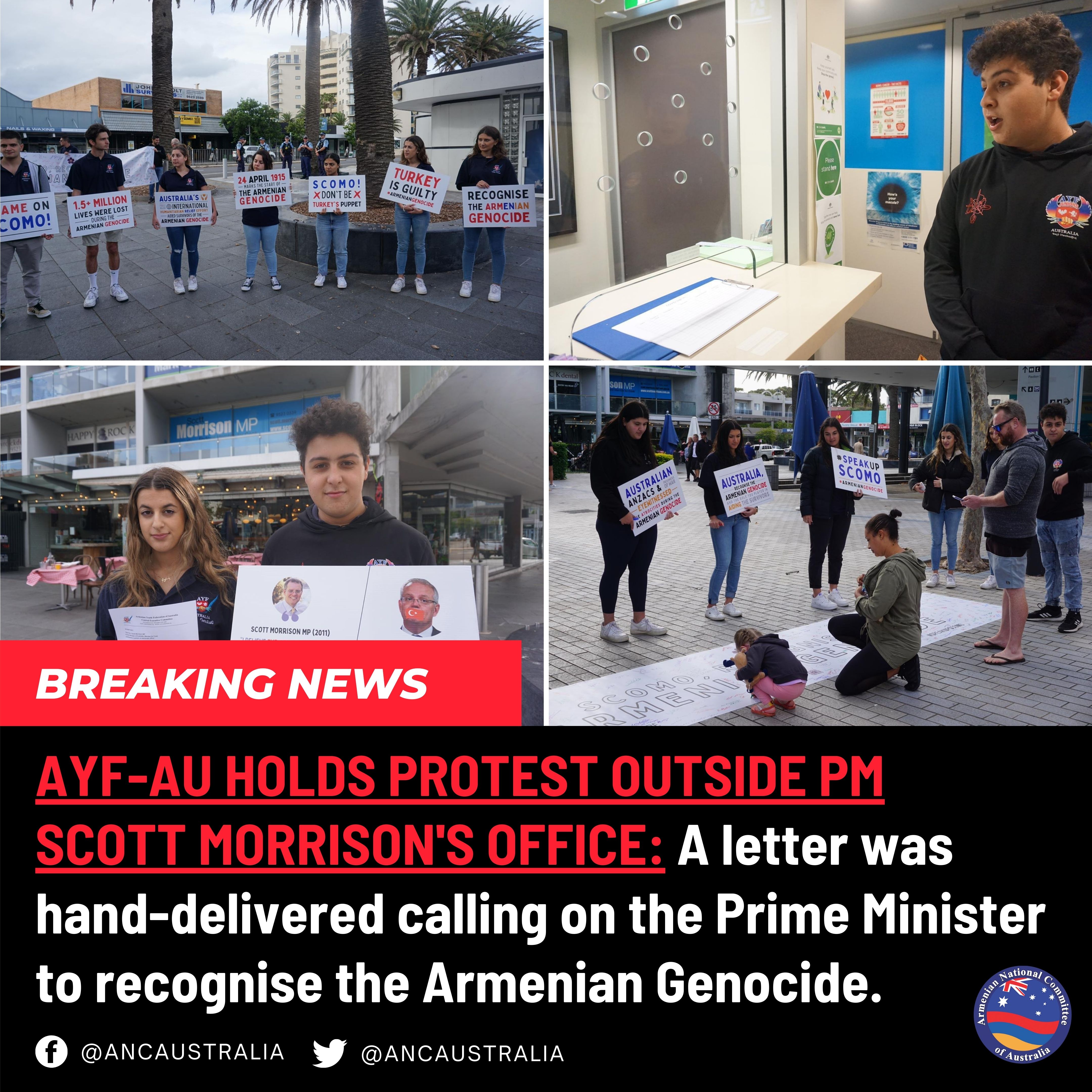
- Genocide Recognition Advocacy: AYF members partnered closely with the Armenian National Committee of America (ANCA) to launch public awareness campaigns, organize rallies, and lobby legislative bodies for the formal recognition of the Armenian Genocide.
- The 1988 Spitak Earthquake: Following the catastrophic earthquake in northern Armenia in December 1988, AYF chapters worldwide mobilized humanitarian relief drives, sending medical supplies, financial aid, and volunteer teams to assist victims.
- The Nagorno-Karabakh (Artsakh) Movement: As Armenians in Artsakh sought self-determination in the late 1980s, the AYF organized global demonstrations, raised funds for defense efforts, and provided humanitarian aid to refugees.
- Establishment of AYF Youth Corps (1994): Following Armenia’s independence in 1991 and the ceasefire in the First Nagorno-Karabakh War in 1994, the AYF launched the Youth Corps program. This initiative sent diaspora volunteers to Armenia and Artsakh to run free day camps for underprivileged children and assist in community reconstruction projects.
4. Modern Era and Global Network (2000s–Present)
In the 21st century, the AYF operates as a sophisticated global network with active regions across North America, South America, Europe, Australia, the Middle East, and Armenia.
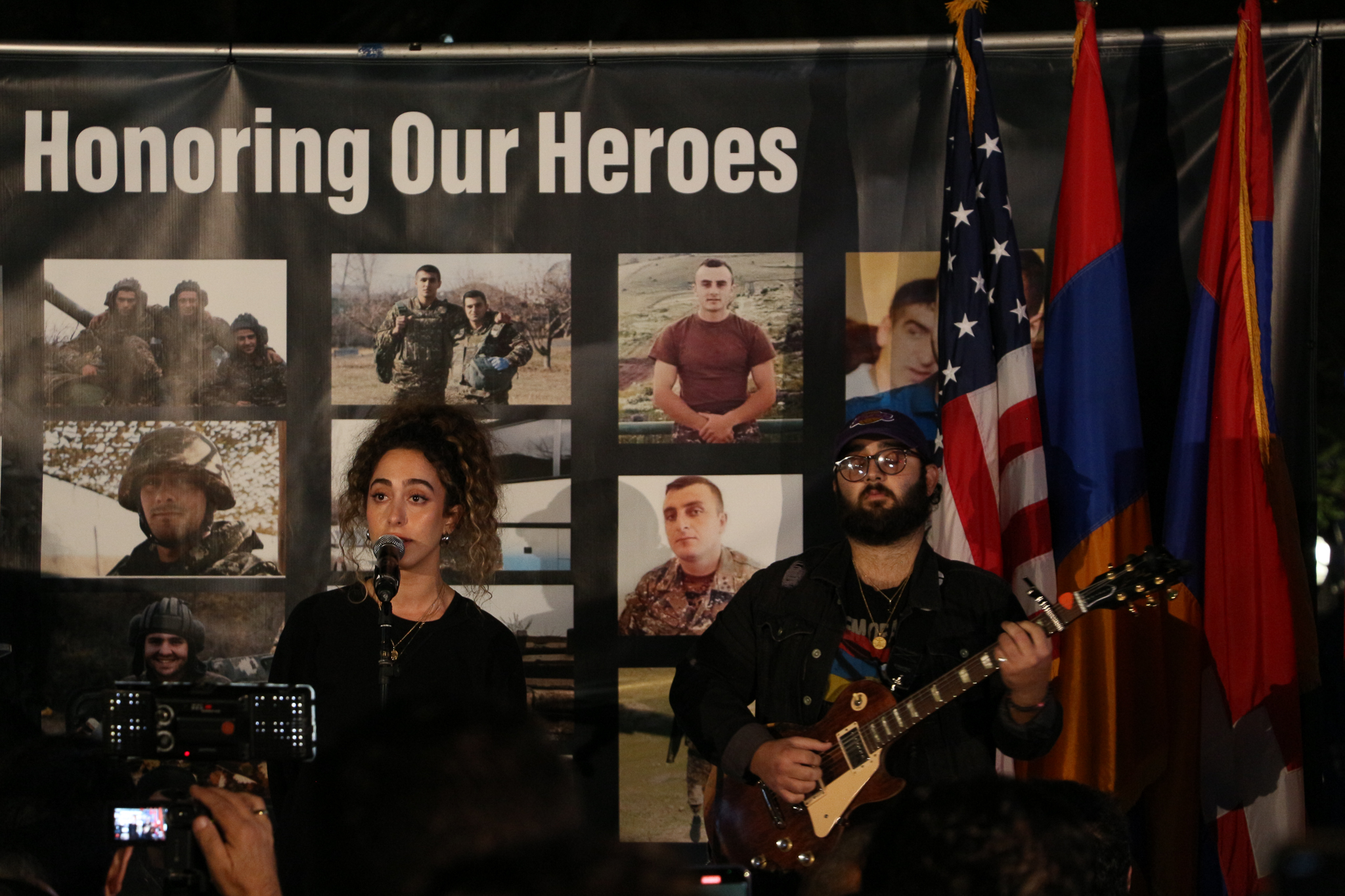
When war erupted in Artsakh in 2020 and subsequent geopolitical shifts caused mass displacements in 2023, the AYF responded immediately. Members coordinated international protest movements, launched widespread humanitarian relief campaigns, and dispatched volunteers to support displaced families in Armenia.
Milestones and Regional Development Summary
| Era / Phase | Major Milestone | Primary Objective | Lasting Legacy |
|---|---|---|---|
| 1933–1940 | Movement founded by Karekin Njdeh as ARF Tseghagron | Halt diaspora assimilation and unite Armenian youth in North America | Established foundational ideology and initial chapter network in the US |
| 1941–1950 | Renamed to Armenian Youth Federation (AYF); WWII service | Integrate into Western civic framework while maintaining heritage | Demonstrated dual civic duty and diaspora commitment |
| 1951–1970 | Founding of Camp Haiastan (1951); launch of Junior Organization | Build permanent youth infrastructure and leadership pipelines | Created long-term educational institutions for diaspora youth |
| 1971–1990 | Western Region formation (1977); 1988 earthquake relief; Artsakh rallies | Expand westward and respond to homeland humanitarian crises | Expanded political activism and built emergency relief capabilities |
| 1991–Present | Creation of AYF Youth Corps (1994); Artsakh and Syrian relief efforts | Direct homeland engagement, genocide recognition, and crisis relief | Established continuous volunteer programs in Armenia and Artsakh |
Core Pillars and Signature Programs
The enduring success of the Armenian Youth Federation rests on its commitment to five foundational pillars: Educational, Athletic, Social, Cultural, and Political. These pillars are operationalized through several signature annual programs.
[ Educational Seminars ] <---> [ Political Advocacy (ANCA) ] | [ AYF PILLARS ] | [ AYF Olympics / Sports ] <---> [ Youth Corps & Camps ]
The Annual AYF Olympic Games
First hosted in 1934 in Brockton, Massachusetts, the AYF Olympic Games have grown into the largest athletic gathering of Armenian youth in the Western Hemisphere. Held annually over Labor Day weekend in the Eastern Region—and during separate regional games in the Western Region and Canada—the Olympics bring together thousands of athletes, alumni, and community members.
Beyond track-and-field and swimming competitions, the Olympic Games serve as a major reunion hub, reinforcing social ties and community solidarity across generation gaps.
Educational Seminars and Leadership Conventions
Education is central to the AYF experience. Regions host tri-annual or bi-annual educational seminars, winter getaways, and junior conferences focusing on:
- Armenian History and Ideology: Detailed study of Armenian history, literature, geopolitical issues, and the origin of the AYF.
- Public Speaking and Governance: Training members in parliamentary procedure, debate, organizational management, and public advocacy.
- Cultural Workshops: Interactive sessions covering traditional Armenian music, dance, folk arts, and language preservation.
Youth Corps and Volunteerism
The AYF Youth Corps remains one of the organization’s most influential programs for direct diaspora-homeland integration. Every summer, selected diaspora members travel to regions across Armenia and Artsakh to direct summer camps for local children.
AYF Youth Corps Operational Structure: 1. Diaspora Recruitment & Vetting (January–March) 2. Orientation & Cultural Training (April–June) 3. Deployment to Armenia & Artsakh (July–August) 4. Running Day Camps & Renovation Projects (4–6 Weeks)
Participants lead educational activities, sports, and English-language workshops while providing local communities with resources, infrastructure improvements, and international solidarity.
Organizational Structure and Governance
The Armenian Youth Federation operates under a decentralized yet highly organized democratic structure, governed by constitutionally mandated bylaws.
- Local Chapters: The primary unit of the AYF is the local chapter, situated in towns or metropolitan areas with significant Armenian populations. Chapters elect an executive board annually to oversee weekly educational meetings, local community service, and fundraisers.
- Regional Central Executives: Chapters within a geographic region (e.g., Eastern USA, Western USA, Canada) are governed by a Central Executive elected at an annual Regional Convention. The Central Executive coordinates regional initiatives, oversees camp properties, and implements convention resolutions.
- Junior Executives and Advisors: Senior AYF members (aged 16–28) serve as advisors to Junior AYF chapters (aged 8–16), ensuring that younger members receive guidance, mentorship, and structural continuity.
- Affiliation with the ARF: While maintaining operational autonomy over its youth activities, the AYF remains ideologically aligned with the Armenian Revolutionary Federation, drawing on the party's historic commitment to an independent, free, and united Armenia.
Archival Research and Historical Resources
For historians, researchers, and community members seeking primary sources on the history of the Armenian Youth Federation, several key archival repositories maintain original documents, photographs, and convention records:
- The Hairenik Archives (Watertown, MA): Holds the complete print history of The Hairenik Daily and The Armenian Weekly, including early coverage of Karekin Njdeh’s 1933 tour, original Tseghagron charters, and photo collections from early AYF conventions.
- The Armenian Cultural Foundation (ACF): Preserves historical records, personal memoirs of early organizers, and documentation regarding the establishment of Camp Haiastan.
- Regional AYF Headquarters: Both the AYF Eastern Region and AYF Western Region maintain historical records, convention minutes, and digital archives of regional publications.
Frequently Asked Questions
When was the Armenian Youth Federation founded and by whom?
The AYF was founded on January 14, 1933, in the United States by General Karekin Njdeh, a military leader and political figure from the First Republic of Armenia, acting under the direction of the Armenian Revolutionary Federation (ARF).
Why was the organization initially called Tseghagron?
The original name, ARF Tseghagron, combined the Armenian words tsegh (race/nation) and kron (reverence). General Karekin Njdeh envisioned a movement centered on national devotion, moral discipline, and physical fitness to prevent diaspora youth from losing their identity following the Armenian Genocide. In 1941, the organization was formally renamed the Armenian Youth Federation to reflect its broad youth mandate and democratic principles.
What is the age range for members joining the AYF?
The organization is split into two main divisions: the AYF Juniors, which serves youth aged 8 to 16, and the AYF Seniors, which serves members aged 16 to 28. Older members often transition into leadership roles, committee advisory positions, or parent organizations such as the ARF or the Armenian Relief Society (ARS).
How does the AYF support development in Armenia and Artsakh?
The AYF supports the homeland through programs like the AYF Youth Corps, which sends volunteer teams to run educational summer camps and complete civic renovation projects in underserved regions. Additionally, the AYF organizes emergency humanitarian relief fundraising, medical supply shipments, and international political advocacy campaigns during times of crisis.
What are the AYF Olympic Games?
The AYF Olympic Games are annual athletic tournaments hosted by AYF regions. Started in 1934 in Massachusetts, the event features track and field, swimming, and team sports, serving as the largest annual gathering for Armenian-American youth, families, and alumni.
Recommended Next Steps for Researchers and Participants
Whether you are looking to research AYF history, access primary source archives, or participate in current organizational initiatives, consider the following actionable steps:
- Review Archival Periodicals: Consult digitized copies of The Armenian Weekly (formerly Hairenik Weekly) from 1933–1945 for eyewitness reports on the founding chapters and Karekin Njdeh’s speeches.
- Connect with Local Chapters: Individuals aged 8 to 28 interested in membership can locate active local chapters through regional websites (AYF Eastern Region, AYF Western Region, or AYF Canada).
- Explore Volunteer Opportunities: University students and young professionals seeking direct homeland service can apply for summer positions with the AYF Youth Corps.
Image Gallery