Free Printable Letter A Worksheets: Comprehensive Guide for Preschool & Kindergarten
Free printable letter A worksheets serve as foundational instructional tools for early childhood educators, homeschool parents, and tutors teaching foundational literacy. These downloadable printables provide structured practice in upp...
Free printable letter A worksheets serve as foundational instructional tools for early childhood educators, homeschool parents, and tutors teaching foundational literacy. These downloadable printables provide structured practice in uppercase and lowercase letter formation, phonemic awareness, fine motor control, and visual discrimination, helping children aged 3 to 6 build essential reading and writing skills.
Contents
The Pedagogical Role of Letter A Worksheets in Early Literacy
Teaching the alphabet is the cornerstone of early childhood language arts. As the first letter of the English alphabet and one of the most frequently occurring vowels, the letter "A" represents a critical starting point for young learners. Utilizing targeted printable worksheets allows educators to systematically address multiple developmental domains simultaneously:
- Phonological and Phonemic Awareness: Connecting the visual symbol of the letter A to its corresponding sounds—primarily the short vowel sound /æ/ (as in apple, ant, and alligator) and the long vowel sound /eɪ/ (as in acorn, ape, and alien).
- Fine Motor Development: Strengthening small hand muscles, developing hand-eye coordination, and establishing proper pencil grip through tracing, coloring, cutting, and pasting activities.
- Visual Discrimination: Training the brain to recognize and differentiate between uppercase "A" and lowercase "a," as well as distinguishing "A" from visually similar letter forms like "V," "H," or "M."
- Graphomotor Skills and Stroke Sequence: Teaching correct letter formation patterns, ensuring children draw strokes from top to bottom and left to right, which builds fluid handwriting habits early on.
Research in early reading instruction emphasizes that multi-sensory and repetitive practice accelerates letter-sound correspondence. Worksheets provide a tangible, low-tech format for children to apply emerging literacy concepts through guided and independent practice.
Essential Types of Letter A Worksheets
To deliver a balanced literacy lesson, educators use a variety of worksheet formats. Combining different activity types ensures that visual, auditory, and kinesthetic learning styles are all engaged effectively.
1. Letter Tracing and Handwriting Worksheets
Tracing sheets are designed to transition children from basic line drawing to controlled letter formation.
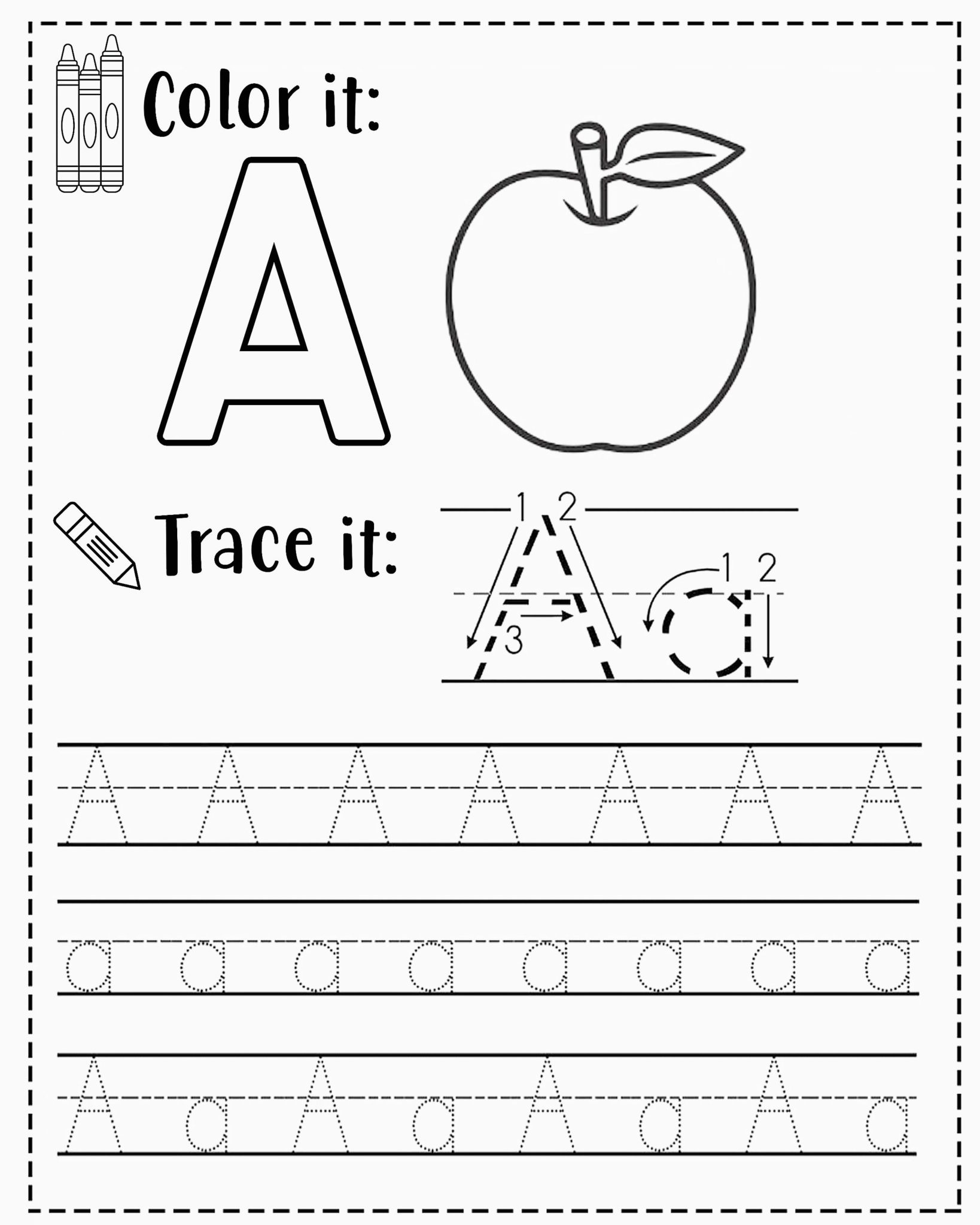
- Uppercase 'A' Tracing: Features large print guidelines with numbered arrows indicating stroke direction—typically starting with a left slant down, a right slant down, and a horizontal crossbar across the middle.
- Lowercase 'a' Tracing: Focuses on curved motion (a counter-clockwise circle or "c-shape") followed by a straight vertical downstroke on the right side.
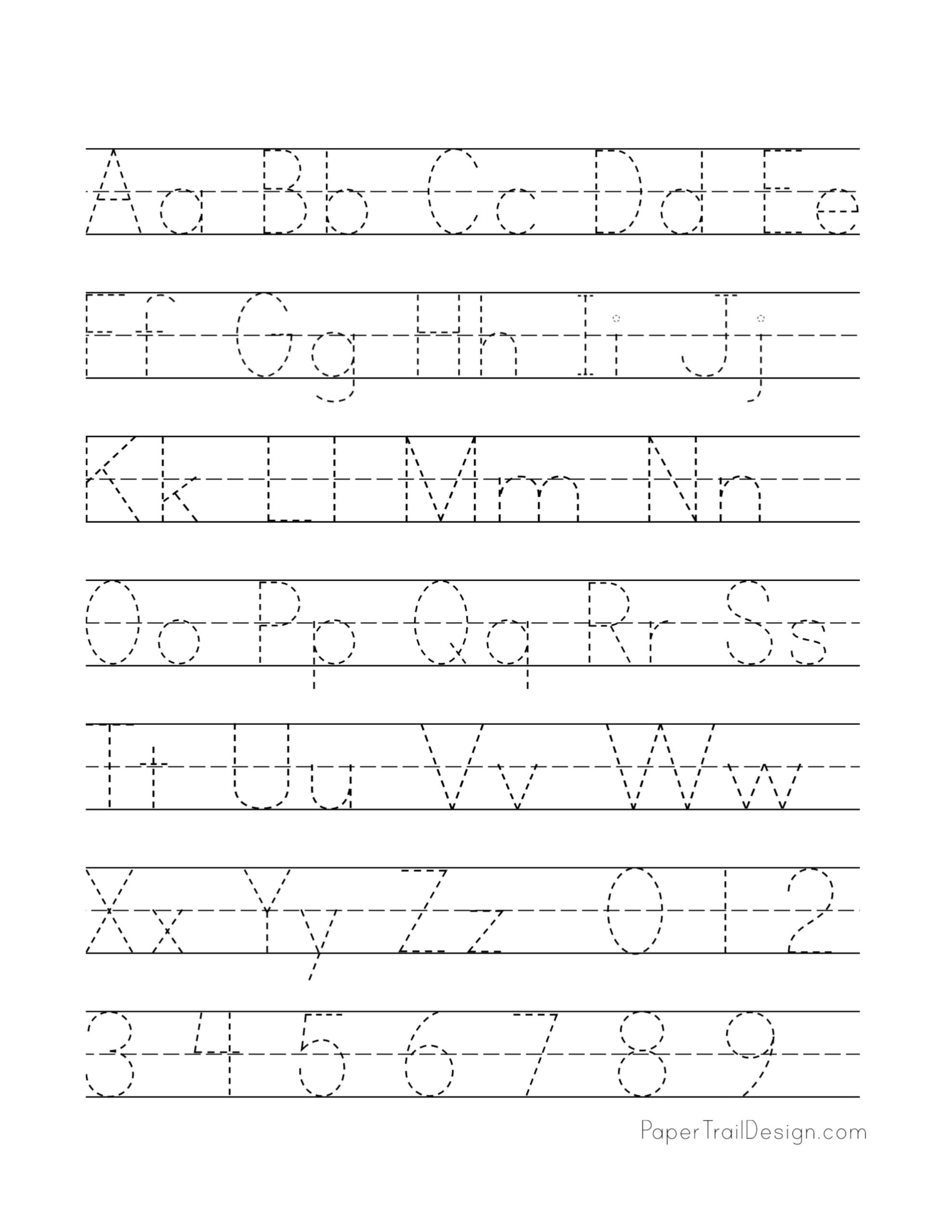
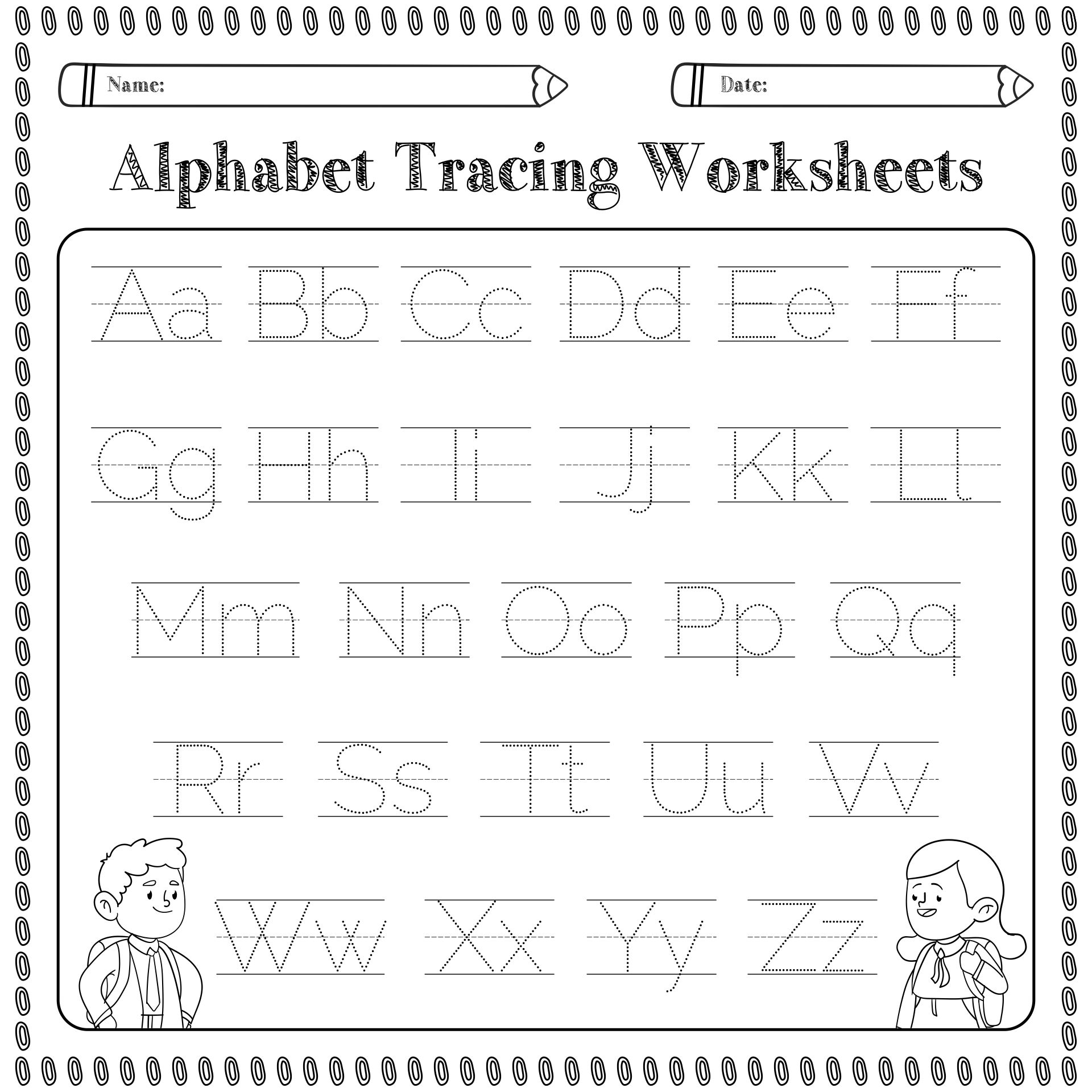
- Combined Case Tracing: Includes lines featuring both "Aa" side-by-side on primary lined paper (with top, middle dashed, and baseline guides) to reinforce spatial placement and proportion.
2. Phonics and Initial Sound Identification Worksheets
Phonics printables focus on associating the letter graphic with its phonetic sound.
- Beginning Sound Choice Sheets: Display several pictures (e.g., an apple, a dog, an ant, a ball) and ask the child to color, circle, or stamp only the items that begin with the /æ/ sound.
- Vocabulary Labeling: Introduce early sight words beginning with "A," allowing children to color the image (like an anchor or ax) while tracing the corresponding printed word below it.
3. Visual Search and Discrimination Mazes
Visual discrimination worksheets help children identify the letter "A" amidst a field of distractors.
- Letter Hunt Grids: Feature a mix of uppercase and lowercase letters arranged in a grid; students mark every "A" or "a" using a bingo dauber, marker, or crayon.
- Alphabet Mazes: Challenge students to navigate a pathway through a grid by connecting only the squares containing the letter "A."
4. Cut-and-Paste Fine Motor Sheets
Kinesthetic learners benefit greatly from interactive craft-style printables.
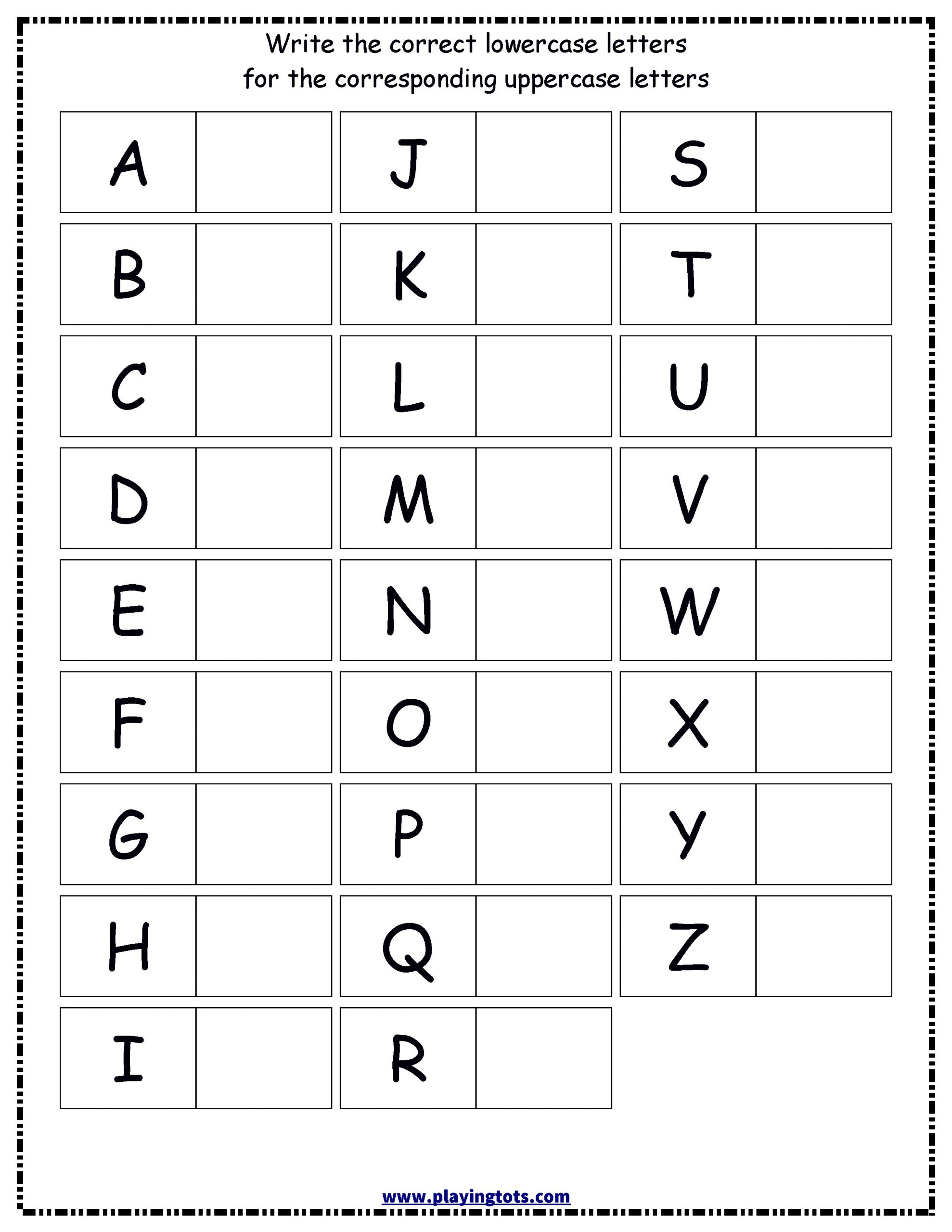
- Letter Sorting: Require students to cut out various uppercase and lowercase letters at the bottom of the page and glue them into designated "Big A" and "Little a" columns.
- Object-to-Letter Matching: Ask students to cut out pictures of objects starting with "A" and paste them onto a large letter outline.
Printable Letter A Worksheet Comparison
Selecting the right worksheet depends on the learner's age, developmental stage, and specific learning objectives. The following table summarizes common worksheet types, their primary developmental target, and recommended usage context:
| Worksheet Type | Primary Skill Targeted | Recommended Age / Stage | Key Instructional Objective |
|---|---|---|---|
| Large Outline Letter Coloring | Fine Motor / Pre-writing | Age 3 (Preschool / Pre-K) | Builds finger strength and introduces overall letter shape through finger painting or coloring. |
| Guided Tracing with Arrows | Graphomotor / Stroke Order | Ages 4–5 (Pre-K / Early Kindergarten) | Teaches precise pencil control and correct top-to-bottom stroke sequence for uppercase and lowercase. |
| Visual Letter Search / Hunt | Visual Discrimination | Ages 4–5 (Pre-K / Kindergarten) | Distinguishes letter A/a from confounding letters like V, H, O, and D. |
| Beginning Sound Phonics | Phonemic Awareness | Ages 5–6 (Kindergarten) | Links the graphic symbol to the short /a/ and long /a/ oral sounds in vocabulary words. |
| Cut-and-Paste Sorting | Scissor Skills & Categorization | Ages 4–6 (Pre-K / Kindergarten) | Combines bilateral motor coordination with uppercase/lowercase sorting rules. |
| Primary Lined Independent Writing | Independent Handwriting | Ages 5–6 (Kindergarten / Grade 1) | Promotes correct baseline placement, letter sizing, and spacing without guided tracing lines. |
Step-by-Step Implementation Guide for Educators and Parents
Integrating printable letter A worksheets into a comprehensive curriculum requires more than simply handing a child a piece of paper. Following a structured instructional sequence yields maximum educational outcomes.
Step 1: Auditory and Tactile Introduction
Before introducing a pencil, introduce the sound and movement of the letter:
- Pronounce the short /æ/ sound clearly (e.g., /æ/ as in apple). Have the child look in a mirror to observe their mouth shape (wide open, tongue low).
- Trace a large letter "A" in the air using whole-arm movements (sky writing), speaking the stroke sequence aloud: "Slant down left, slant down right, cross across the middle."
- Offer tactile exploration, such as forming the letter out of playdough or tracing it in a tray filled with salt or sand.
Step 2: Guided Tracing Practice
Transition from tactile exercises to paper using guided worksheets:
- Provide thick triangular crayons or short golf pencils, which naturally encourage an efficient tripod grip.
- Demonstrate the stroke sequence on a large display or whiteboard while students follow along on their worksheets.
- Monitor stroke order closely. Ensure children start at the top line rather than drawing from the baseline upward.
Step 3: Phonics Reinforcement
Once letter formation is understood, connect the letter to vocabulary:
- Have the child complete a beginning sound worksheet. Point to each picture together and say the word aloud, exaggerating the initial vowel sound (e.g., "a-a-alligator").
- Have the child color only the pictures that start with the correct sound, reinforcing auditory discrimination.
Step 4: Independent Mastery and Review
Conclude the lesson cycle with independent work:
- Provide a letter search maze or primary lined writing sheet for independent practice.
- Review completed work together, offering praise for proper stroke order, neat line alignment, and accurate phonics matching.
Print Settings, Organization, and Material Reusability
To maximize classroom and homeschool budgets while keeping learning materials organized, consider the following technical and practical strategies when printing worksheets:
Print Optimization Guidelines
- Page Scaling: Ensure printer settings are set to "Fit to Printable Area" or "Actual Size (100%)" to avoid distorting the standard primary lines and line weights.
- Paper Weight: Standard 20 lb copy paper works well for simple pencil tracing. However, for worksheets involving watercolors, markers, or heavy gluing (cut-and-paste activities), use 24 lb or 65 lb cardstock to prevent bleed-through and tearing.
- Grayscale Printing: Most letter worksheets are designed in high-contrast black line art. Printing in grayscale or draft mode saves ink without sacrificing educational value.
Creating Reusable Learning Centers
Instead of treating worksheets as single-use consumables, convert them into reusable learning assets:
- Dry-Erase Sleeves / Laminating: Slide printed tracing sheets into heavy-duty dry-erase pockets or laminate them using 3 mil plastic sheets. Children can practice writing with dry-erase markers, wipe them clean, and reuse them indefinitely.
- Sensory Mats: Laminate large outline sheets to use as playdough mats or mats for placing small manipulatives (such as mini erasers, pom-poms, or button counters) along the letter's outline.
- Alphabet Binder Setup: Organize worksheets alphabetically in a three-ring binder. Place tracing sheets inside plastic page protectors to create a personalized, portable handwriting notebook that students can revisit throughout the academic year.
Troubleshooting Common Handwriting and Phonics Challenges
Young children frequently encounter physical or cognitive hurdles when learning to write and recognize letters. Identifying these issues early allows for targeted intervention.
Common Learning Challenges & Adaptive Solutions:
- Incorrect Stroke Direction (Writing bottom-to-top)
- Fix: Use green start dots at the top stroke entry point.
- Grip Fatigue / Weak Hand Strength
- Fix: Switch to short, broken crayons or triangular pencil grips.
- Letter Reversal / Inversion (Confusing 'A' and 'V')
- Fix: Add visual floor/sky reference markers on lined paper.
- Phonics Confusion (Confusing short /a/ with short /i/)
- Fix: Emphasize mouth shape (wide jaw drop for /a/ vs. slight smile for /i/).
1. Reversing or Inverting Letter Strokes
Children often struggle with spatial orientation, leading them to draw lowercase 'a' backwards or start uppercase 'A' from the bottom baseline.
- Intervention: Use sheets featuring green "start dots" at the top of each stroke path and red "stop dots" at the bottom. Consistently reinforce the rule: "Every letter starts at the top!"
2. Weak Pencil Grip and Hand Fatigue
Preschoolers whose fine motor muscles are still developing may press too hard, break pencil tips, or complain of hand fatigue.
- Intervention: Incorporate fine motor exercises prior to handwriting, such as squeezing therapy putty, using tweezers to sort small objects, or playing with clothes-pins. Switch to shorter writing utensils (such as half-pencils or crayon blocks), which force finger placement into a tripod grip rather than a fist grip.
3. Vowel Sound Confusion
Vowels can be challenging because short vowel sounds (/æ/ in apple, /ɛ/ in elephant, /ɪ/ in igloo) sound similar to young ears.
- Intervention: Pair auditory prompts with tactile anchor images. When practicing the short /a/ sound, have the child mimic taking a bite out of an apple while making the /æ/ sound. Visual and tactile anchors significantly improve phoneme retention.
Frequently Asked Questions
What age is best to start using letter A worksheets?
Most children are ready for basic letter recognition and large outline coloring sheets around age 3 (Preschool). Structured stroke tracing and phonics sheets are typically introduced between ages 4 and 6 (Pre-Kindergarten to Kindergarten), depending on individual fine motor readiness.
Should I teach uppercase or lowercase letter A first?
In general, start with uppercase "A" because its straight line strokes (slant left, slant right, cross) are easier for developing fine motor skills than the complex curves of lowercase "a". Once a child masters the straight lines of uppercase letters, introduce the curved formations of lowercase letters.
What is the difference between short and long vowel sound activities?
Short /a/ activities focus on words where the letter represents the /æ/ sound, such as apple, ant, and cat. Long /a/ activities focus on words where the letter "says its name" (/eɪ/), such as acorn, cake, and plane. Early literacy instruction usually prioritizes the short vowel sound first before introducing long vowels.
How many times should a child practice letter tracing per week?
Short, consistent sessions are much more effective than long, infrequent ones. Practicing for 5 to 10 minutes a day, two to three times a week per letter, provides ideal reinforcement without overwhelming the child or causing hand fatigue.
How can I make printable worksheets accessible for children with visual or motor delays?
For children with visual impairments or motor delays, enlarge worksheets to 11x17 paper (A3 size), print lines with high-contrast bold borders, or apply tactile glue lines along stroke paths so the child can physically feel the boundaries of the letter shapes.
Next Steps for Early Educators and Parents
To implement an effective early literacy lesson using printable letter A worksheets, begin by assessing the learner's current developmental stage. For 3-year-olds, download large letter coloring sheets and focus on tactile line tracing. For 4- and 5-year-olds preparing for kindergarten, print stroke-guided handwriting sheets alongside initial sound phonics activities.
Combine printable practice with interactive learning—such as reading letter-themed books, singing phonics songs, and practicing outdoor sidewalk chalk tracing—to create a well-rounded foundation for lifelong reading and writing success.
Image Gallery