Understanding Your Life Insurance Description of Coverage
A life insurance description of coverage is a formal document, typically found within your policy contract or summary of benefits, that defines the specific scope, limitations, exclusions, and financial obligations of your insurance pr...
A life insurance description of coverage is a formal document, typically found within your policy contract or summary of benefits, that defines the specific scope, limitations, exclusions, and financial obligations of your insurance provider. It serves as the primary legal reference for what constitutes a covered death benefit and under what circumstances the policy remains in force or may be voided.
Contents
The Anatomy of an Insurance Policy Document
When you hold a life insurance policy, the "description of coverage" is rarely a single paragraph. Instead, it is a compilation of specific sections within your policy contract. Understanding this architecture is essential for any policyholder who wishes to verify that their coverage aligns with their financial planning goals.
The document usually begins with the Declarations Page, which acts as a high-level summary. This page lists the insured party, the policy owner, the face amount (death benefit), the premium schedule, and the effective date. While this is the most frequently referenced page, it is not the complete description of coverage. To understand the actual terms, you must look deeper into the "provisions" or "riders" sections.
Provisions define the mechanics of the policy—how the death benefit is triggered, what happens if premiums are missed (grace periods), and the process for filing a claim. Riders, meanwhile, represent optional additions or specific coverage expansions, such as accidental death and dismemberment (AD&D) or waiver of premium clauses. Collectively, these sections constitute the legal definition of what you have purchased.
Identifying Key Coverage Components
To accurately interpret your description of coverage, you must identify several core components that dictate how and when the insurer pays out.
- The Insuring Agreement: This is the heart of the document. It contains the insurer’s promise to pay the beneficiary a specified amount upon the death of the insured, provided that the death occurs while the policy is in force and does not fall under an exclusionary clause.
- Definitions Section: Often overlooked, this section is critical. It defines terms like "terminal illness," "total disability," or "accidental death." If your policy includes an Accelerated Death Benefit (ADB) rider, the definition of a "qualifying event" is the most important part of that specific coverage description.
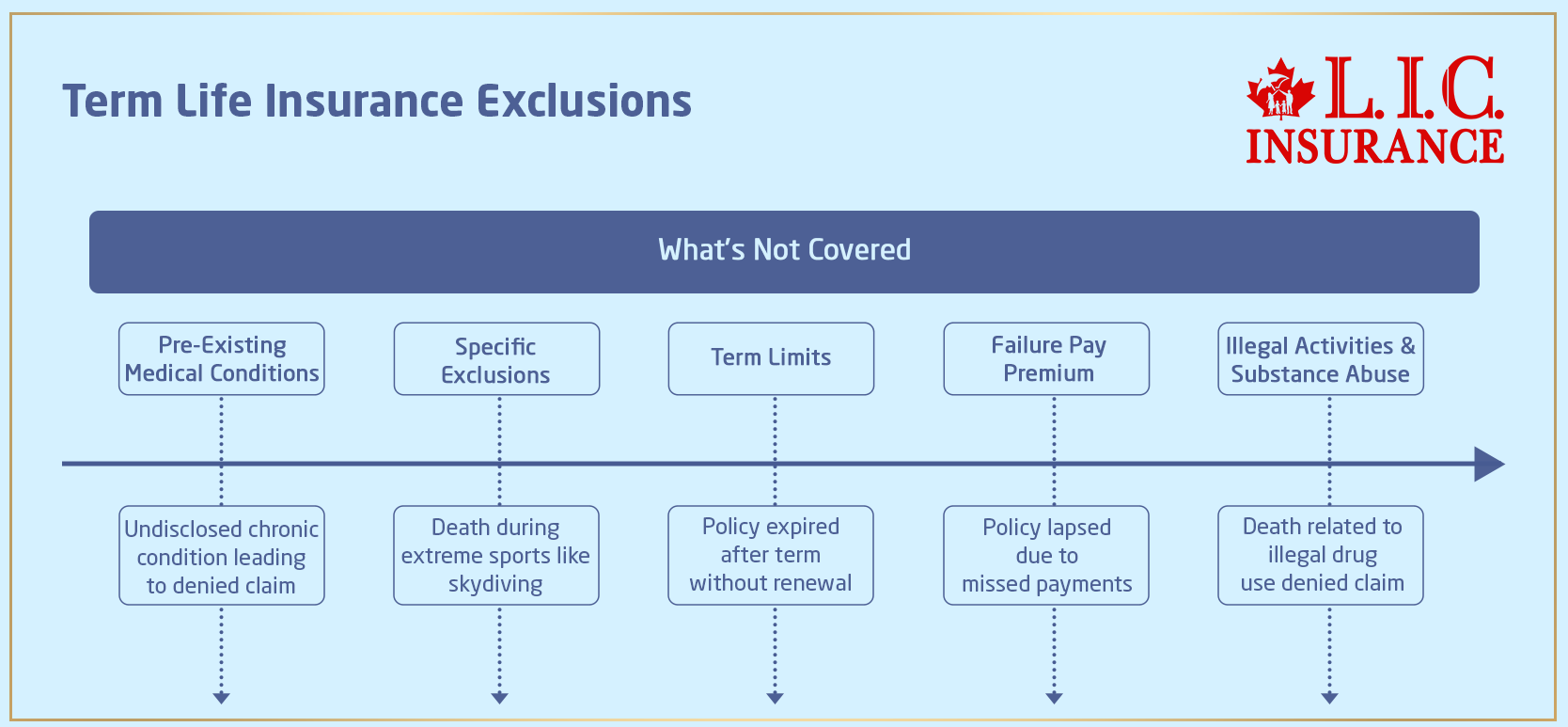
- Exclusions and Limitations: Every policy contains circumstances under which the insurer will not pay. Common examples include suicide within the initial contestability period (usually the first two years of the policy) or death resulting from high-risk, undisclosed activities. Understanding these is vital to ensuring you remain eligible for the full benefit.
Comparison of Coverage Types
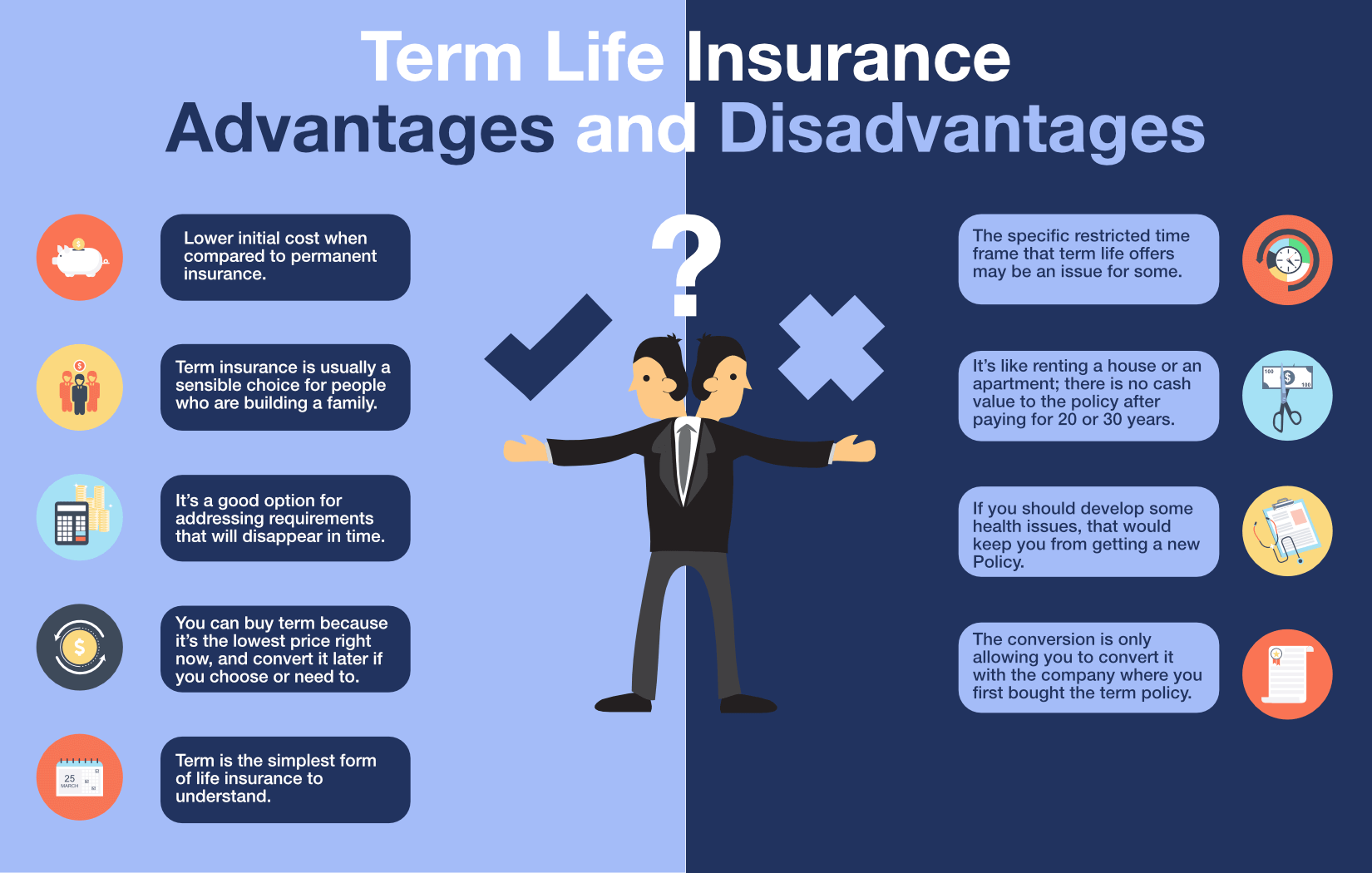
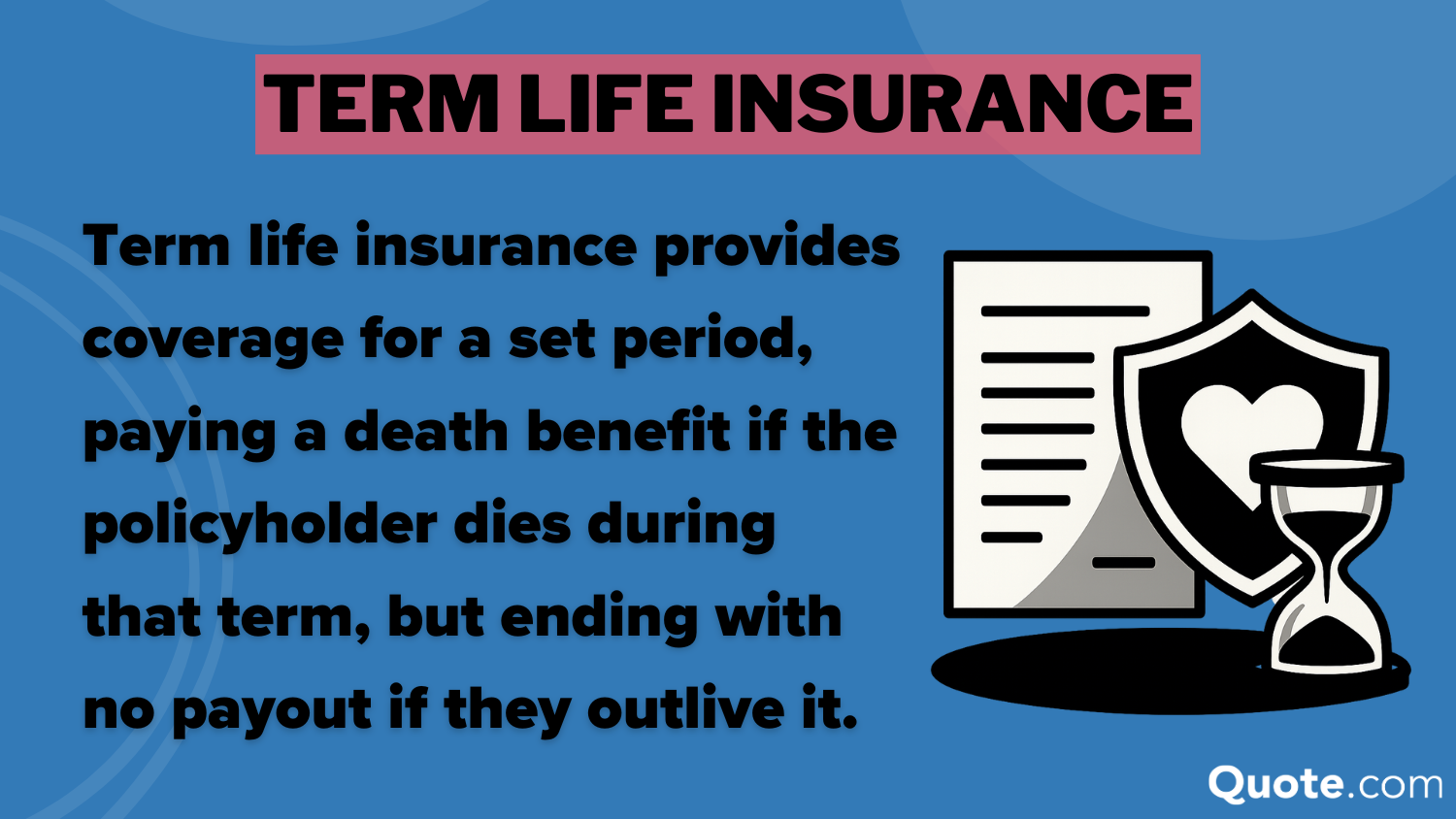
The description of coverage varies significantly based on whether you own a term life policy or a permanent (whole or universal) life policy. The table below outlines how these descriptions generally differ in terms of their scope.
| Feature | Term Life Insurance | Permanent Life Insurance |
|---|---|---|
| Duration | Fixed period (e.g., 10–30 years). | Lifetime, provided premiums are paid. |
| Cash Value | None; pure protection. | Builds equity over time. |
| Coverage Scope | Fixed benefit for death. | Death benefit + potential living benefits. |
| Adjustability | Generally fixed; non-renewable. | Often includes flexible premium/benefit options. |
The Role of Riders in Expanding Coverage
A standard life insurance policy provides a basic death benefit, but modern policies often allow for customization through riders. A rider effectively amends the description of coverage to include additional protections.
For example, a Long-Term Care (LTC) rider changes the policy from a death-only benefit to one that can be tapped during your lifetime if you require nursing home or home health care. When reading the description for this rider, you must pay close attention to the "benefit trigger"—the medical criteria that must be met to initiate payments. These criteria are usually based on the inability to perform specific Activities of Daily Living (ADLs), such as bathing, dressing, or eating.
Similarly, a Waiver of Premium rider is a modification to the payment obligations. The description of coverage for this provision explains the exact conditions under which the insurer will continue your coverage without requiring further premium payments, usually in the event of total and permanent disability.
Verification and Troubleshooting
If you are struggling to understand your policy’s description of coverage, you should not rely on generic assumptions. Instead, follow these steps to clarify your status:
- Request a Policy Summary: Most insurers provide a "Policy Summary" or "Statement of Benefits" upon request. This document is written in plainer language than the full contract and is designed to provide a clear description of your coverage.
- Verify Beneficiary Designations: Your description of coverage is only as effective as its instructions for payout. Ensure your beneficiary designations are current, as the policy contract will dictate payment based on these records, regardless of what may be written in a personal will.
- Contact the Compliance Department: If you find conflicting information within your policy documents, contact your insurer’s customer service or compliance department. Ask them to point you to the specific page and paragraph in your contract that governs your question.
- Consult a Financial Professional: A licensed insurance agent or financial planner can help translate complex contract language into plain English, ensuring you understand exactly what you are paying for and what protections are in place.
Common Misconceptions
A frequent point of confusion is the "Contestability Period." Many policyholders believe that once the policy is active, it is "incontestable" from day one. In reality, most life insurance contracts contain a clause allowing the insurer to contest the policy—and potentially deny a claim—if there was a material misrepresentation on the initial application during the first two years. Your description of coverage will explicitly state the duration of this period and the conditions that allow the insurer to exercise this right.
Another area of misunderstanding involves "Death by Natural Causes" vs. "Accidental Death." Basic life insurance covers both. However, if you have a policy that pays only for accidental death, the description of coverage will contain very narrow definitions of what constitutes an "accident." Always verify that your policy provides the type of coverage you need for your specific lifestyle and financial goals.
Next Steps for Policyholders
Your immediate next step is to locate your original policy contract. If you cannot find it, contact your insurance company or agent to request a duplicate copy. Review the "Declarations Page" first, then proceed to the "Provisions" section to identify any riders or specific exclusions that apply to your coverage. By taking the time to read the actual contract language rather than relying on marketing summaries, you gain control over your financial planning and ensure that your beneficiaries are fully protected.
Image Gallery