Navigating the Best Near Infrared Sauna for Home Use: A Comprehensive Buyer’s Guide
Finding the best near infrared sauna for home use requires balancing wavelength specifications, wood quality, low electromagnetic field engineering, spatial constraints, and personal wellness goals. Choosing the right unit transforms a...
Finding the best near infrared sauna for home use requires balancing wavelength specifications, wood quality, low electromagnetic field engineering, spatial constraints, and personal wellness goals. Choosing the right unit transforms a residential wellness routine into a targeted, therapeutic experience.
Contents
Understanding Near Infrared Technology and Home Sauna Types
When shopping for a home sauna, distinguishing between the types of infrared spectrums is essential. Infrared saunas operate by emitting electromagnetic radiation that is absorbed by the human body, raising core temperature directly rather than simply heating the ambient air.
Traditional saunas rely on hot stones or steam to heat the air to high temperatures—often between 150°F and 190°F. In contrast, infrared saunas operate at much lower, more comfortable ambient temperatures, typically ranging from 110°F to 140°F. This lower air temperature allows for longer, more comfortable sessions while still inducing profuse sweating.
Infrared spectrums are generally divided into three categories:
- Far Infrared (FIR): Penetrates deeply into the body’s tissues, promoting heavy cardiovascular conditioning, deep detoxification, and relaxation.
- Mid Infrared (MIR): Penetrates soft tissue deeper, assisting with circulation, pain relief, and weight management.
- Near Infrared (NIR): Features the shortest wavelength of the three. It is primarily absorbed in the outer layers of skin and tissue, making it optimal for skin rejuvenation, cellular regeneration, wound healing, and localized tissue recovery.
True near infrared saunas typically utilize specialized LED arrays rather than traditional carbon or ceramic ceramic-coated heaters. While many standard home infrared heaters emit a broad spectrum that includes some near infrared waves, dedicated near infrared or full-spectrum saunas combine FIR, MIR, and NIR heaters to offer a comprehensive wellness profile.
Key Factors to Evaluate When Selecting a Home Sauna
Evaluating home saunas demands close inspection of technical engineering, materials, and safety certifications. Making an informed investment means analyzing several core pillars before purchasing.
Heater Material and Low EMF Engineering
The quality and type of heating elements dictate both the efficacy and the safety of the sauna experience. Heaters are typically constructed from carbon panels, ceramic rods, or dedicated near infrared LED panels. Carbon heaters provide a wide, gentle heat distribution with low surface temperatures. Ceramic heaters heat up rapidly and provide more intense, localized radiant heat. LED-based near infrared panels deliver precise, targeted wavelengths.
Electromagnetic fields (EMF) and Extremely Low Frequency (ELF) radiation are critical considerations for units where users sit inches away from the heat source for extended periods. Reputable manufacturers engineer their products to have ultra-low EMF and ELF emissions, often independently tested and certified by third-party laboratories. Look for units that maintain near-zero EMF readings at standard sitting distances.
Wood Selection and Off-Gassing
Because saunas operate in elevated temperatures, the wood inside the cabin will warm up and release natural aromas or, in lower-quality builds, synthetic adhesives and volatile organic compounds (VOCs).
- Canadian Hemlock: A stable, durable, non-allergenic wood with a neutral scent, making it a popular choice for budget-conscious and sensitive buyers alike.
- Red Cedar: Naturally resistant to moisture, decay, and bacteria, cedar features a distinct, aromatic scent that many users find relaxing, though it may trigger sensitivities in individuals with severe chemical allergies.
- Basswood: A hypoallergenic, light-colored wood that does not warp easily and emits virtually no odor under high heat.
Ensure the manufacturer uses non-toxic glues and formaldehyde-free manufacturing processes to maintain indoor air quality during sessions.
Sizing and Spatial Planning
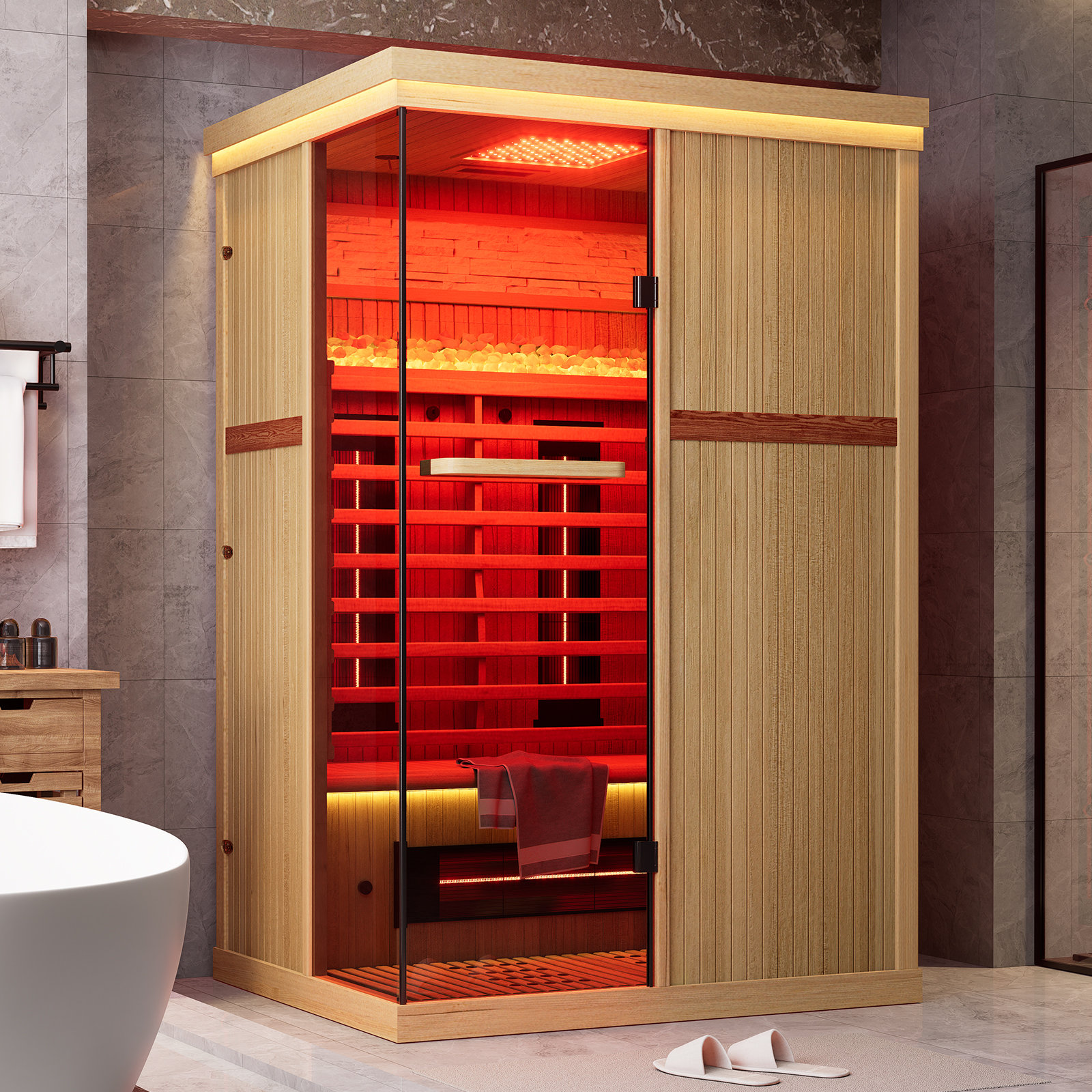
Home saunas range from compact, one-person unit cabins and portable blanket designs to sprawling four-person rooms. Consider the following space requirements:
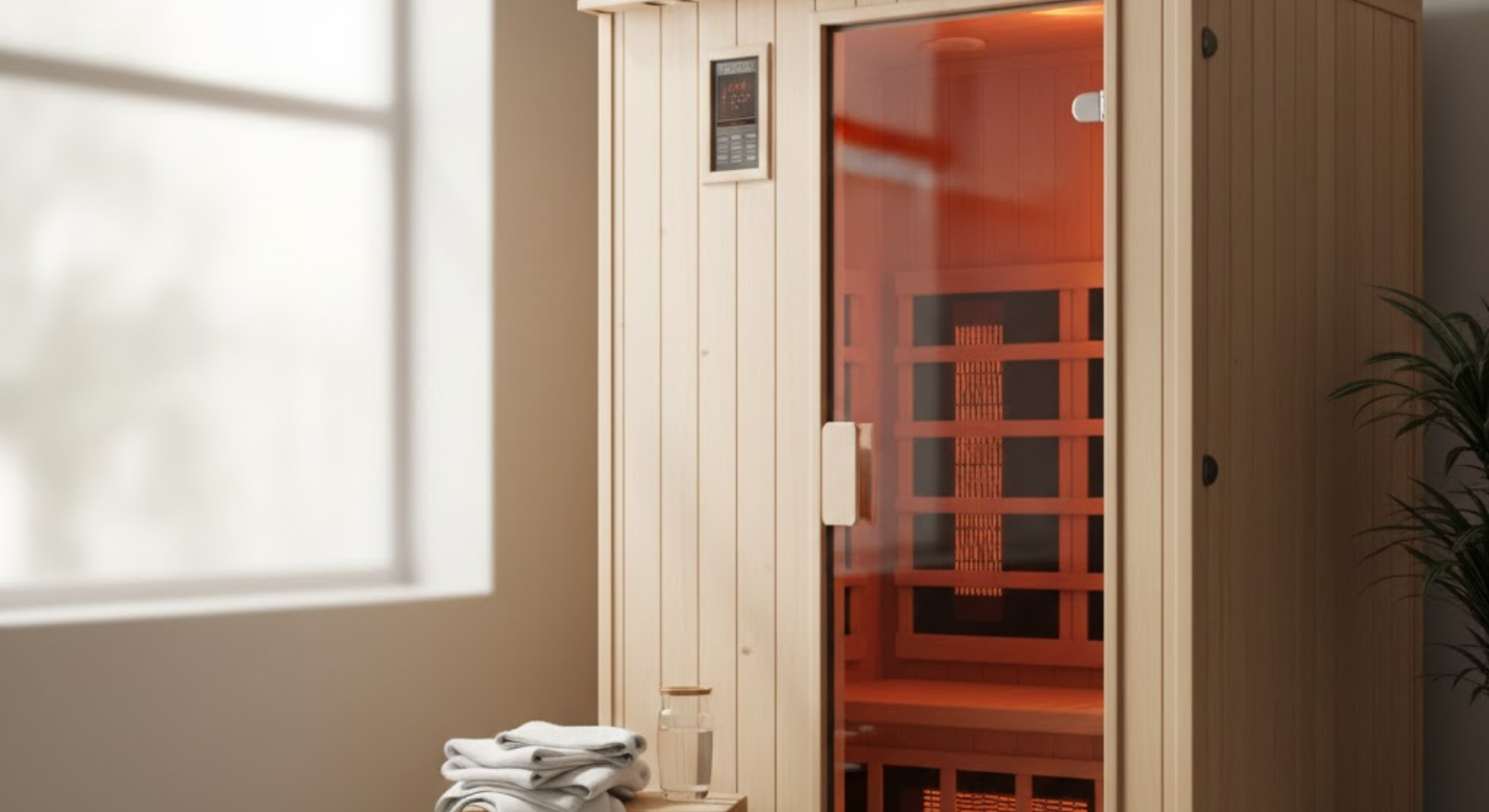
- 1-Person Cabins: Ideal for tight residential footprints, requiring roughly 3 feet by 3 feet of floor space.
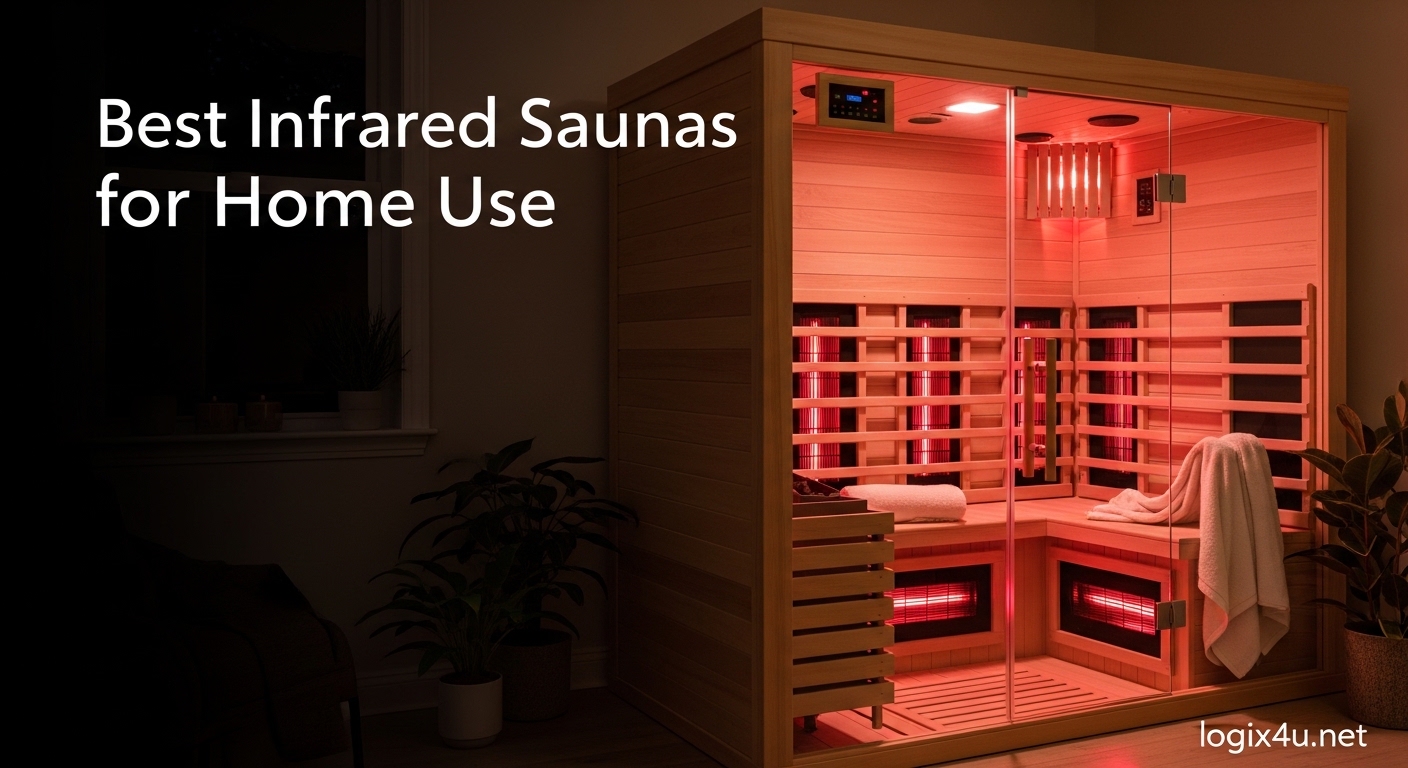
- 2-to-3 Person Units: The most popular residential format, offering enough room to stretch comfortably or share with a partner.
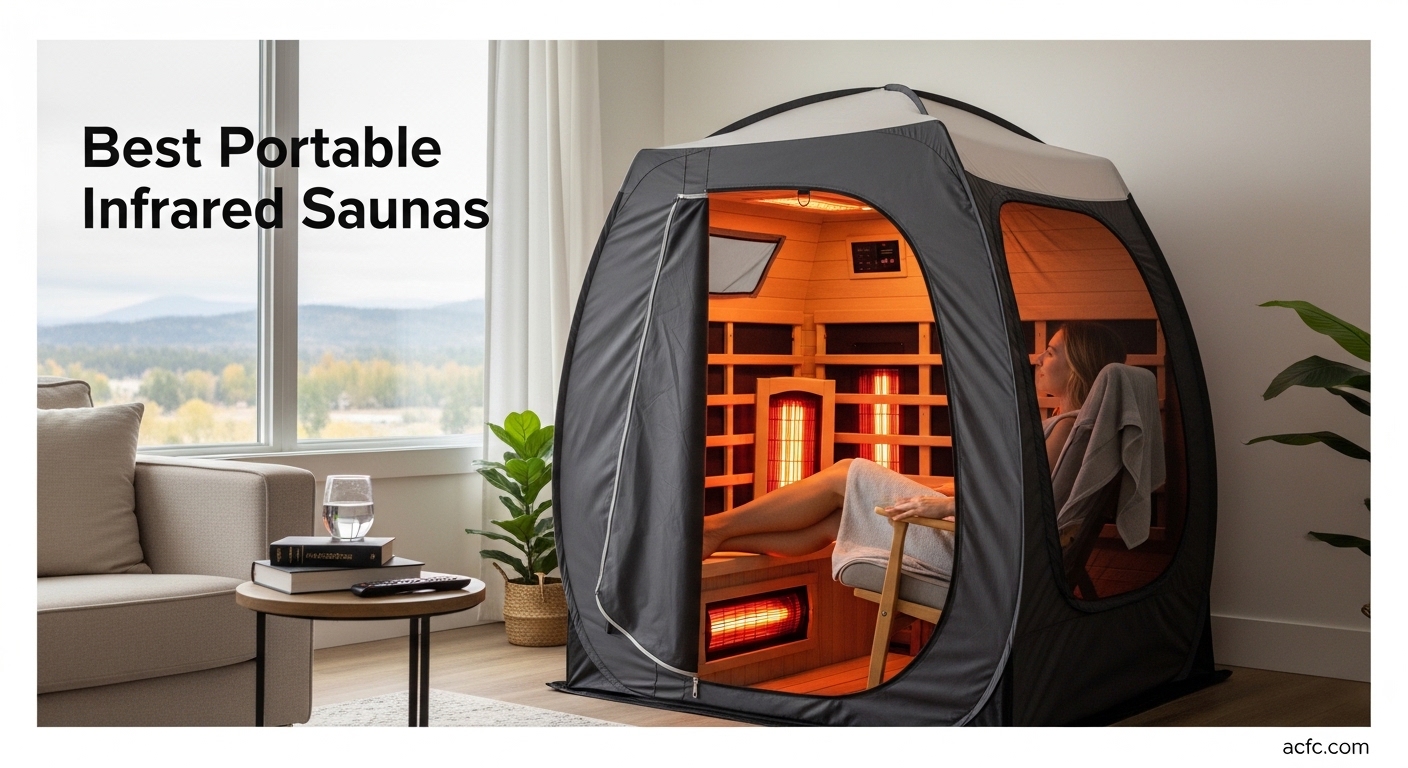
- Portable Saunas and Blankets: Excellent alternatives for renters or those with minimal permanent floor space, folding away when not in use.
Verify your home’s electrical infrastructure before purchasing a larger multi-person wooden cabin. Many standard home saunas plug into a normal 120V, 15-amp household outlet, but larger units—particularly those over three seats or featuring heavy-duty full-spectrum heater arrays—may require a dedicated 240V electrical circuit installed by a licensed electrician.
Comparison of Home Infrared Sauna Categories
| Sauna Type | Primary Wavelength | Typical Temperature Range | Space Requirement | Electrical Needs | Best Suited For |
|---|---|---|---|---|---|
| Full-Spectrum Wooden Cabin | Near, Mid, & Far Infrared | 110°F – 140°F | Dedicated floor space (Medium to Large) | 120V to 240V (Dependent on size) | Comprehensive wellness, deep relaxation, and family use. |
| Dedicated Near Infrared Panel Setup | Near Infrared (LED) | 90°F – 120°F or room temperature | Minimal (Wall-mounted or chair setup) | Standard 120V household outlet | Targeted skin rejuvenation, cellular health, and recovery. |
| Portable Infrared Blanket | Far Infrared / Broad Spectrum | 100°F – 150°F | Highly compact (Storable) | Standard 120V household outlet | Renters, budget-conscious buyers, and easy storage. |
Installation, Maintenance, and Safety Protocols
Proper installation and ongoing maintenance safeguard your investment and ensure an optimal therapeutic environment. Most modular wooden cabins arrive as prefabricated panels that latch or buckle together, allowing two people to assemble a unit within one to two hours.
Operational Best Practices
- Preheating: Allow the wooden cabin to preheat for 15 to 30 minutes before entering to let the thermal mass of the wood reach an optimal radiating temperature.
- Hydration: Drink plenty of water before, during, and after your session to replace fluids lost through profuse sweating.
- Session Duration: Begin with shorter sessions—around 15 minutes at 110°F to 120°F—gradually building up to 30 or 45 minutes as your body acclimates.
- Clothing and Towels: Sit on a thick towel to absorb sweat and protect the bare wood from staining and moisture absorption. Wear minimal clothing or natural, breathable fabrics.
Cleaning and Maintenance
Wood care is straightforward if handled consistently. Wipe down the interior benches and backrests with a damp cloth mixed with a mild, non-toxic soap or specialized sauna cleaner after heavy use. Avoid harsh chemical cleaners, bleach, or varnishes, as these will off-gas when heated. Periodically check all electrical connections, hinges, and latches to ensure structural integrity.
Note: Individuals with specific cardiovascular conditions, pregnant women, or those taking medications that impair the body's ability to regulate temperature should consult a qualified healthcare professional before incorporating infrared sauna sessions into their routine.
Frequently Asked Questions
What is the difference between near infrared and far infrared saunas for home use?
Near infrared saunas use shorter wavelengths that target surface skin layers and superficial tissue, promoting skin health and cellular recovery. Far infrared saunas utilize longer wavelengths that penetrate deeper into muscle tissue to induce heavier sweating, detoxification, and cardiovascular conditioning. Full-spectrum saunas incorporate both technologies.
Do home infrared saunas require special electrical wiring?
It depends on the size and power draw of the unit. Many 1-to-2 person wooden cabins and all portable blankets plug directly into standard 120V, 15-amp household outlets. Larger 3-to-4 person cabins often demand a dedicated 240V electrical circuit, which requires professional installation by a licensed electrician.
How do I minimize EMF exposure in a home sauna?
Look for manufacturers that explicitly engineer their heating panels for ultra-low EMF and ELF emissions and provide independent laboratory testing verification. Carbon panels and specially shielded wiring drastically reduce electromagnetic field output compared to older or poorly shielded heating elements.
How often should I use a home infrared sauna?
Most healthy adults use an infrared sauna 3 to 4 times per week for 20 to 45 minutes per session. Beginners should start with shorter, lower-temperature sessions and gradually increase duration and frequency as tolerance improves.
Can home infrared saunas be installed on carpet?
While some manufacturers permit installation on low-pile carpet if air circulation is adequate, placing a sauna on a hard, level surface such as tile, hardwood, vinyl, or concrete is strongly recommended to prevent moisture accumulation and ensure stability.
Image Gallery