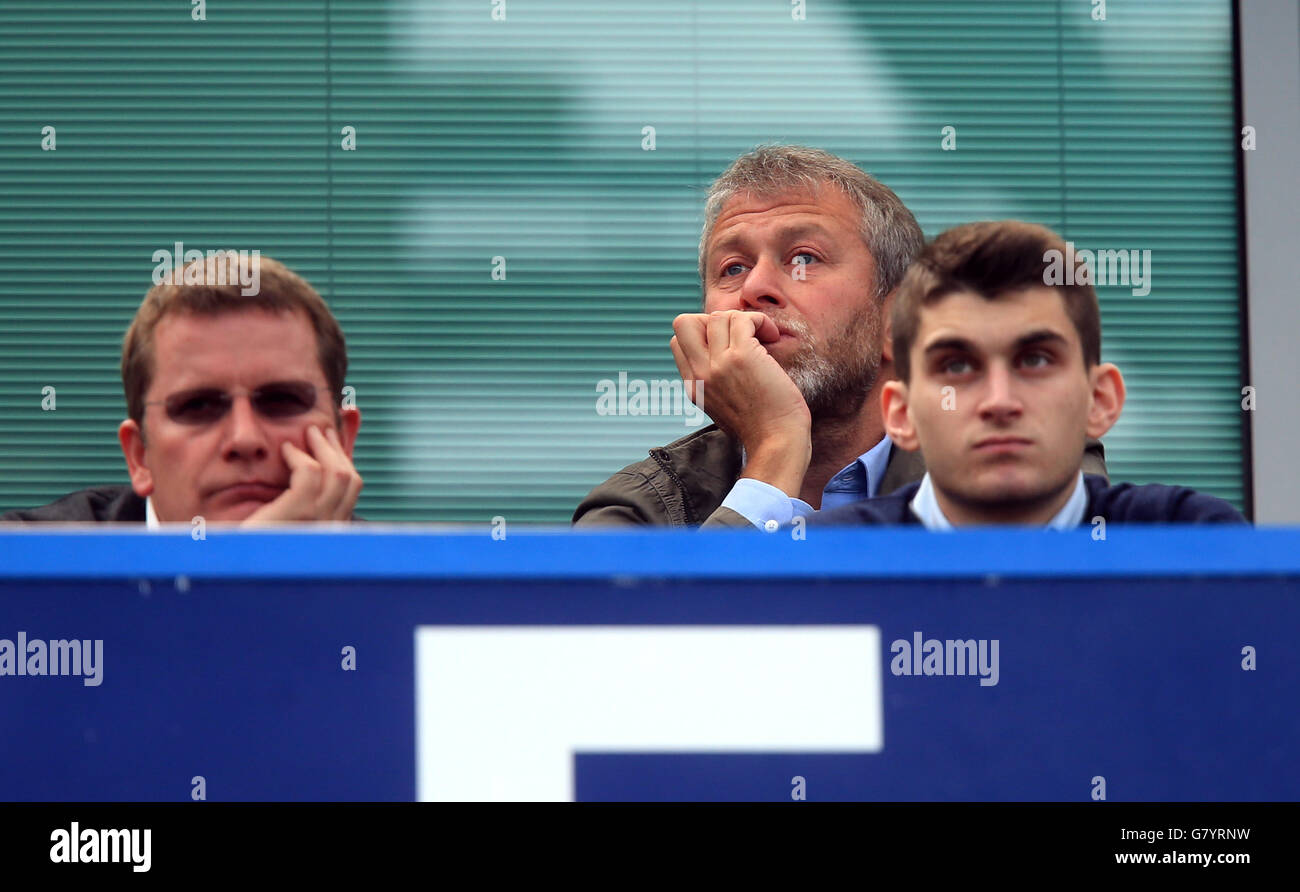
Chelsea FC Ownership Transition: From the Abramovich Era to the BlueCo Revolution
The ownership turbulence at Chelsea FC reached its zenith in 2022 when Roman Abramovich was forced to sell the club following UK government sanctions. This ended a nineteen-year era of unprecedented success and ushered in a new directi...
The ownership turbulence at Chelsea FC reached its zenith in 2022 when Roman Abramovich was forced to sell the club following UK government sanctions. This ended a nineteen-year era of unprecedented success and ushered in a new direction under the BlueCo consortium, led by Todd Boehly and Clearlake Capital. As of 2026, the club continues to navigate the long-term structural and financial consequences of this transition, moving from a benefactor-led model to a data-driven, multi-club strategic enterprise.
Contents
The Roman Abramovich Era: Two Decades of Ruthless Success
To understand the current direction of Chelsea FC, one must first analyze the foundation laid by Roman Abramovich between 2003 and 2022. When the Russian billionaire purchased the club for approximately £140 million, he fundamentally altered the landscape of the Premier League. His philosophy was simple: immediate success through heavy investment and a low tolerance for managerial failure.
Under Abramovich, Chelsea secured five Premier League titles, five FA Cups, three League Cups, two UEFA Champions League titles, and two UEFA Europa League titles. This "ruthless" culture established Chelsea as a global powerhouse but also created a dependency on owner funding. The "turbulence" that defined the end of his tenure was not due to footballing failure, but rather geopolitical events that rendered his ownership tenable to the British government.
The Abramovich model relied on a debt-to-equity conversion system, where the owner provided interest-free loans to the club—totaling over £1.5 billion by the time of the sale. While this allowed for massive transfer spending, it left the club vulnerable if the source of that funding was ever disrupted.
The Turbulence of 2022: Sanctions and the Forced Sale
The transition of 2022 was unlike any other in sporting history. Following the Russian invasion of Ukraine, the UK government imposed sanctions on Roman Abramovich in March 2022, citing his alleged links to the Kremlin. The impact on Chelsea FC was immediate and catastrophic:
- Asset Freezing: The club’s bank accounts were frozen, and it was placed under a "Special License" to continue football operations.
- Operational Restrictions: Chelsea could no longer sell new match tickets, merchandise, or negotiate new player contracts.
- Travel Limits: Spending on away travel was capped, leading to logistical challenges for Champions League fixtures.
- Sponsorship Suspensions: Major sponsors, including Three and Hyundai, suspended their partnerships, creating a massive revenue gap.
The Raine Group, an American investment bank, was tasked with managing a truncated sale process. This period of ownership turbulence created a sense of existential dread among the fanbase, as the club’s ability to pay staff and maintain its status was questioned weekly. The resolution came in May 2022, when the BlueCo consortium—comprising Todd Boehly, Clearlake Capital, Mark Walter, and Hansjörg Wyss—finalized a £4.25 billion takeover.
BlueCo Takeover: A New Financial and Operational Blueprint
The entry of BlueCo marked a pivot from a single-owner "sugar daddy" model to a private equity-backed corporate structure. The new ownership committed £2.5 billion to purchase the shares and a further £1.75 billion for future investment in the stadium, academy, and women’s team.
The primary difference in the new club direction is the focus on long-term asset value rather than short-term trophy cycles. Clearlake Capital, which holds a majority stake, views Chelsea as a media and entertainment property that can be optimized through better data analytics and commercial expansion.
The Strategy of Amortization and Long-Term Contracts
One of the most notable shifts in club direction involved the use of exceptionally long player contracts. In the first few transfer windows under BlueCo, Chelsea signed players like Enzo Fernández and Mykhailo Mudryk to eight-year deals.
- Financial Intent: By spreading the transfer fee over a longer contract duration (amortization), the club reduced the annual "cost" of the player on their books, helping them comply with the Premier League’s Profit and Sustainability Rules (PSR).
- Squad Building: The intent was to lock in young, high-potential talent before their market value peaked, theoretically reducing future transfer needs.
Impact on Club Direction: The Multi-Club Model and Youth Focus
Under the current leadership, Chelsea has moved toward a multi-club ownership (MCO) model, similar to the City Football Group or Red Bull’s footballing ecosystem. The acquisition of RC Strasbourg in France’s Ligue 1 was the first step in creating a pipeline for talent development.
The "BlueCo" direction emphasizes scouting players under the age of 23. This is a departure from the Abramovich era, which often mixed world-class veterans with emerging stars. The goal in 2026 is to create a self-sustaining ecosystem where players can be "loaned" to sister clubs to develop their value or integrated into the Chelsea first team when ready.
Managerial Stability and Cultural Shifts
The turbulence of the transition also extended to the dugout. While Abramovich was famous for firing managers, the BlueCo era began with similar volatility, moving from Thomas Tuchel to Graham Potter and eventually Mauricio Pochettino and Enzo Maresca within a short timeframe. However, the internal messaging has shifted toward finding a "project leader" who can implement a specific tactical identity (typically high-possession, positional play) across all age groups in the club.
Comparing Eras: Ownership Styles and Strategic Goals
The following table outlines the fundamental differences between the two ownership regimes that have shaped the club’s modern history.
| Feature | Abramovich Era (2003–2022) | BlueCo/Clearlake Era (2022–2026+) |
|---|---|---|
| Primary Goal | Trophies and global prestige | Long-term valuation and sustainability |
| Investment Style | Interest-free owner loans | Private equity and commercial growth |
| Recruitment Focus | Proven elite talent / Champions | High-potential youth (U-23) |
| Contract Length | Standard (4–5 years) | Extended (7–8+ years) |
| Global Strategy | Single-club focus | Multi-club model (e.g., BlueCo/Strasbourg) |
| Infrastructure | Cobham Academy development | Stadium redevelopment and data integration |
Long-term Stability and Financial Fair Play Challenges
As of 2026, the club direction is heavily dictated by the need to balance the books. The massive spending seen in 2023 and 2024—exceeding £1 billion—has put Chelsea under the microscope of the Premier League and UEFA.
To remain compliant with Profit and Sustainability Rules (PSR), the club has had to become more efficient in "player trading." This has led to the controversial sale of academy graduates, such as Mason Mount and Conor Gallagher, because their transfer fees count as "pure profit" on the balance sheet. This creates a tension between the club’s traditional identity (as a home for local talent) and its new corporate financial requirements.
Furthermore, the redevelopment of Stamford Bridge remains a critical component of the future direction. With a capacity significantly lower than rivals like Arsenal or Tottenham Hotspur, Chelsea’s matchday revenue remains a bottleneck. The ownership must decide between a phased rebuild or a completely new site to ensure the club can compete financially with the world's elite.
FAQ
Why was Roman Abramovich forced to sell Chelsea?
Following the Russian invasion of Ukraine in February 2022, the UK government sanctioned Abramovich due to his perceived proximity to the Russian state. These sanctions froze his UK assets, including Chelsea FC, making it impossible for him to continue funding or owning the club.
Who owns Chelsea FC now?
The club is owned by BlueCo, a consortium led by Todd Boehly and Clearlake Capital. Clearlake, a private equity firm co-founded by Behdad Eghbali and José E. Feliciano, holds the majority of the shares and significant influence over the club's financial and strategic operations.
What is the "multi-club model" Chelsea is using?
The multi-club model involves the owners purchasing stakes in other football clubs (like RC Strasbourg) to create a network. This allows for shared data, streamlined scouting, and a structured pathway for young players to gain experience in different leagues before moving to Chelsea.
How has the club’s transfer strategy changed?
Under the new direction, Chelsea focuses on "pre-prime" talent—players under the age of 23 who have high resale value or long-term potential. They often use 7-year or 8-year contracts to spread the accounting cost of the transfer fee over a longer period.
Is Chelsea still allowed to spend heavily in 2026?
Chelsea must comply with the Premier League’s PSR and UEFA’s Financial Sustainability Regulations. While they can still spend, they must offset those costs through increased commercial revenue, player sales, and Champions League qualification.
Practical Recommendation for Fans and Analysts
When evaluating Chelsea’s current direction, it is essential to look beyond the weekly match results and focus on the amortization cycles and commercial growth metrics. The success of the BlueCo project will not be determined solely by trophies in the short term, but by whether the club can maintain a top-four presence while reducing its reliance on external debt.
For those tracking the club's health, monitor the progress of the multi-club network and the resolution of the stadium redevelopment plans. These two factors will define Chelsea’s ability to remain a "Big Six" club in the late 2020s. The turbulence of the sale is now over, but the transition into a sustainable, corporate-led football entity is a decade-long process that is only halfway through its initial phase.
Image Gallery