Understanding UPS Dropping Locations: Facility Types, Access Rules, and Strategic Routing for 2026
United Parcel Service (UPS) dropping locations encompass a diverse network of drop-off points, authorized shipping outlets, and automated lockers designed to handle outbound parcel induction. Navigating this infrastructure requires und...
United Parcel Service (UPS) dropping locations encompass a diverse network of drop-off points, authorized shipping outlets, and automated lockers designed to handle outbound parcel induction. Navigating this infrastructure requires understanding the operational differences between corporate customer centers, UPS Store franchises, retail chains, and secure drop boxes, especially as carrier guidelines evolve through 2026.
Contents
Decoding the UPS Drop-Off Ecosystem: Facility Classifications
The UPS drop-off landscape features distinct facility types, each governed by specific operating hours, package acceptance limits, and service capabilities. Shippers must match their package dimensions, carrier labels, and service levels (Ground, Air, International) to the correct drop-off point to prevent transit delays or induction rejections.
Core UPS Facility Categories
- The UPS Store: Privately owned franchise locations offering full-service packing, shipping, printing, and mailbox services. They accept pre-labeled packages, drop-offs requiring scanning, and provide physical drop-off receipts upon request.
- UPS Customer Centers: Corporate-operated facilities typically attached to regional hubs or sorting facilities. These locations often feature later daily cutoff times for air and ground shipments compared to standard retail outlets.
- Authorized Shipping Outlets (ASOs): Independent businesses such as stationery stores, office supply shops, and postal centers contracted by UPS to accept shipments. Capabilities mirror those of The UPS Store but may vary by independent merchant inventory rules.
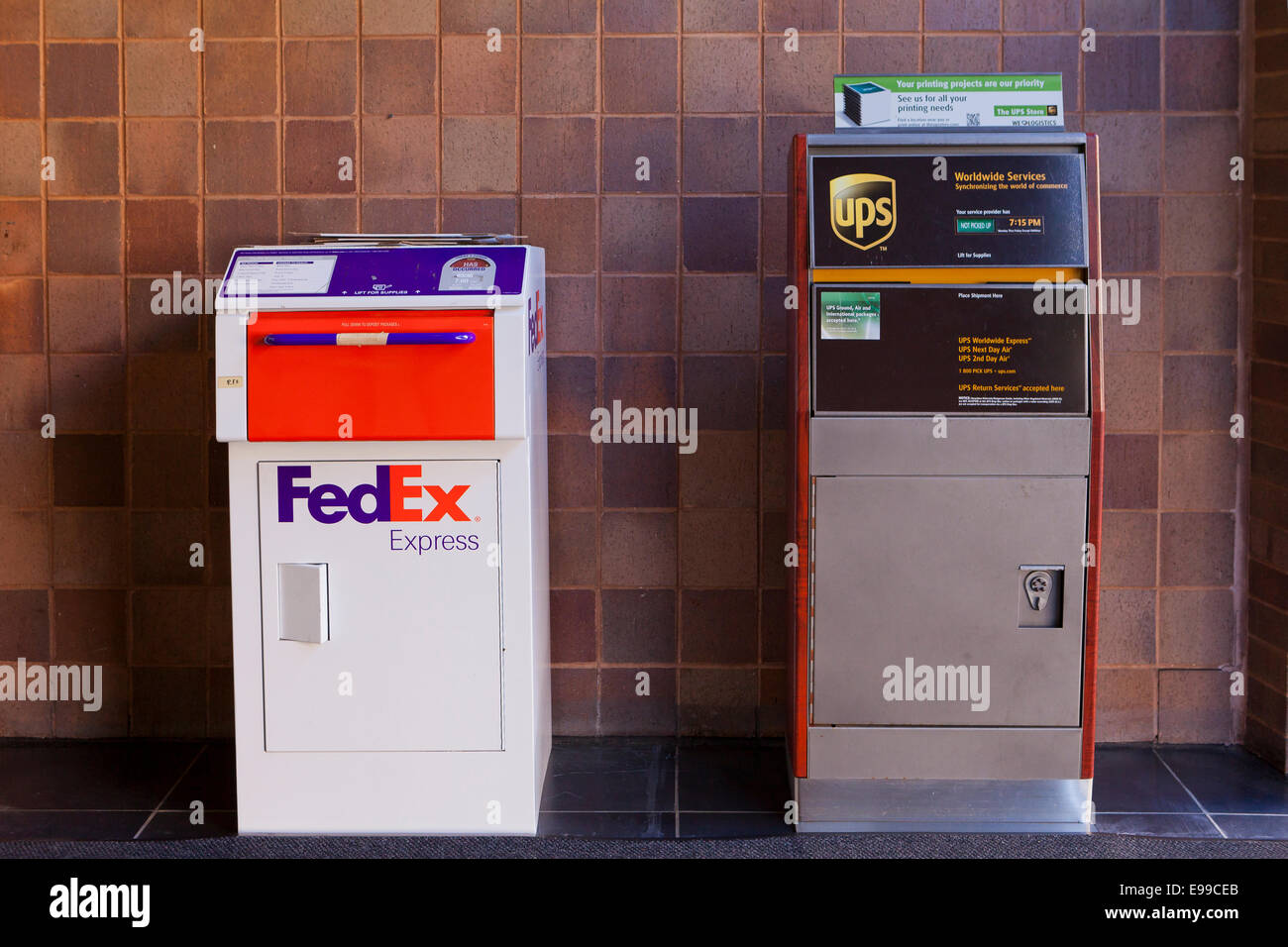
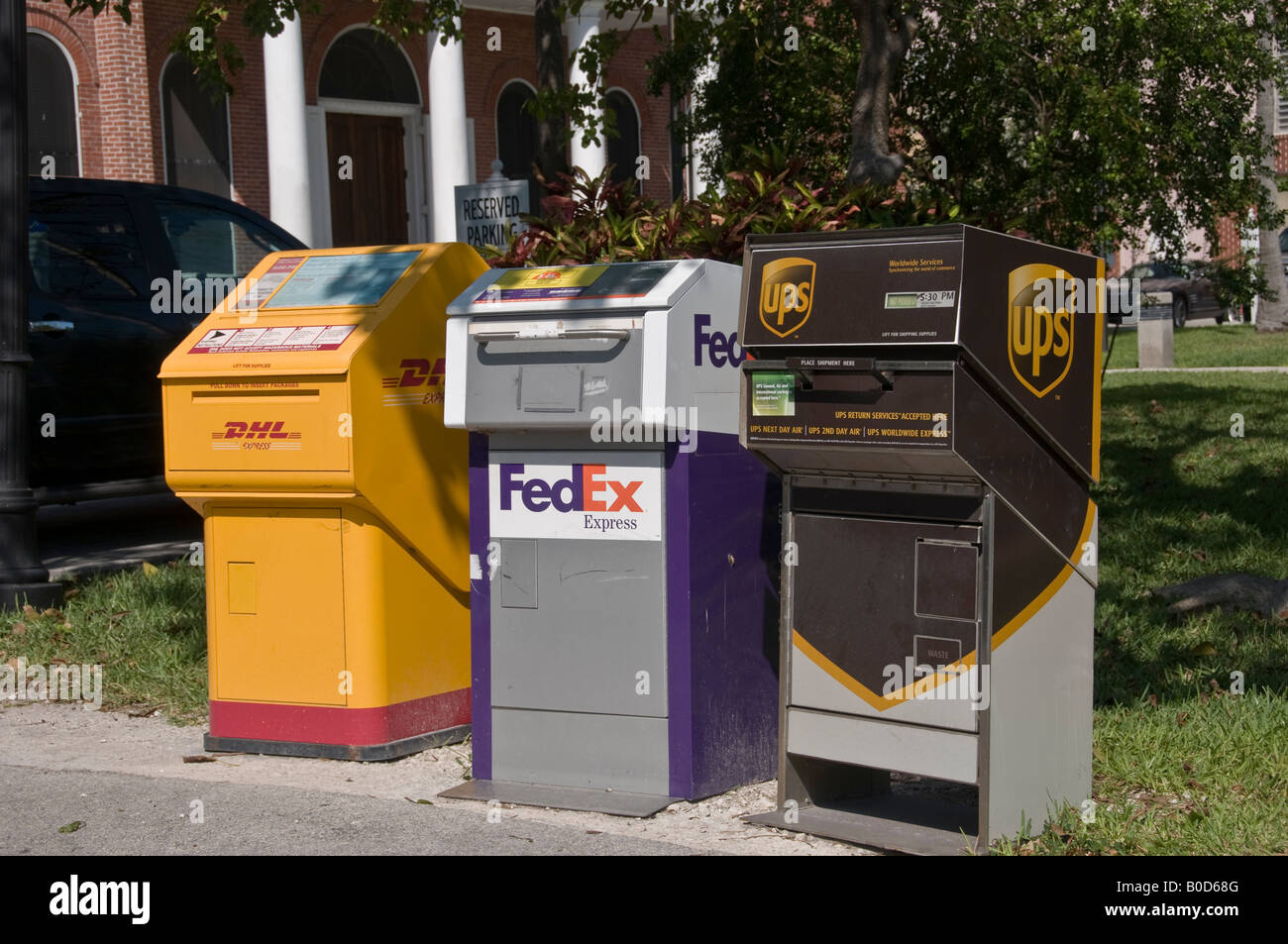
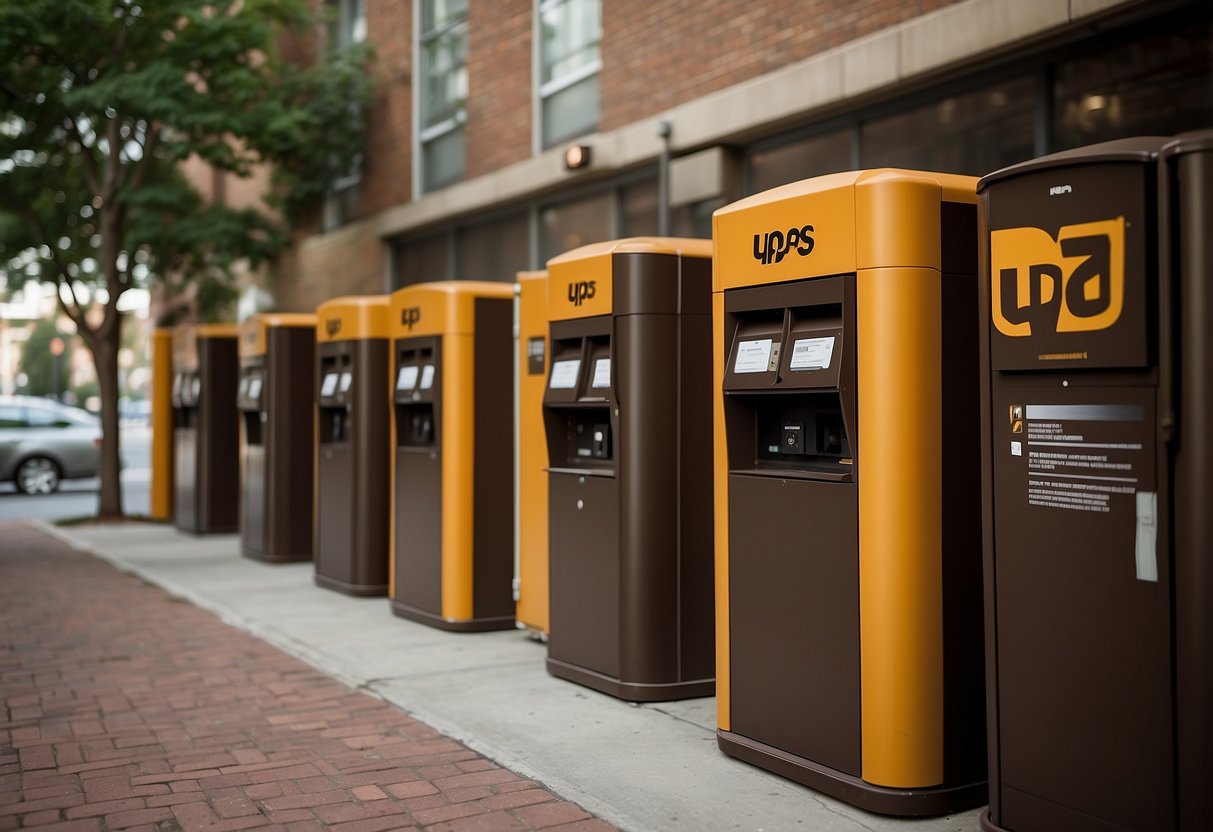
- UPS Drop Boxes: Secure, freestanding steel receptacles located in office parks, retail parking lots, and transit hubs. These are restricted strictly to pre-labeled packages that fit within standard slot dimensions, usually limited to small-to-medium parcels.
- UPS Access Point Locations: Retail partners including pharmacies, grocery stores, and convenience stores designated for dropping off pre-labeled packages or receiving incoming deliveries securely.
Operational Comparison of UPS Drop-Off Channels
Choosing the correct drop-off channel depends on package volume, security needs, label status, and the necessity of obtaining a physical drop-off scan receipt. The following table contrasts the primary operational characteristics of each drop-off option within the modern logistics network.
| Facility Type | Drop-Off Receipt Provided? | Max Package Weight Limit | Staff Assistance Available? | Late Cutoff Times Available? | Pre-Labeled Packages Required? |
|---|---|---|---|---|---|
| The UPS Store | Yes (Automatic) | Up to 150 lbs | Yes | Moderate | No (Full service available) |
| Customer Center | Yes (Upon Request) | Up to 150 lbs | Yes | High | No |
| Authorized Outlet | Yes (Automatic) | Up to 100 lbs | Yes | Low | No |
| UPS Drop Box | No | Up to 50 lbs | No | Low | Yes (Mandatory) |
| Access Point | Yes (Via App Scan) | Up to 70 lbs | Limited (Store staff) | Low | Yes (Mandatory) |
Step-by-Step Guide to Preparing and Dropping Off Parcels
Executing a seamless package drop-off requires careful adherence to carrier preparation standards. Failing to follow structural packaging or barcode placement guidelines can result in sorting jams, misroutes, or lost revenue claims.
- Verify Packaging Integrity and Weight: Ensure cartons meet the structural standards of the UPS packaging guidelines. Use double-wall corrugated boxes for heavy items up to 150 lbs, and verify the physical dimensions do not exceed the maximum length and girth limits (165 inches total).
- Apply and Secure Shipping Labels: Affix the barcode label to the flattest surface of the box. Avoid placing tape directly over the linear or 2D barcodes, as reflective glare can render automated sorting scanners unreadable.
- Select the Appropriate Drop Location: Match your parcel type to the facility. Use drop boxes only for small, pre-labeled packages. Choose The UPS Store or a Customer Center for large, high-value, or fragile shipments requiring physical drop receipts.
- Obtain Proof of Induction: Hand your package to a store associate or scan the barcode via the UPS mobile application at an Access Point. Always secure a tracking receipt; this serves as legal proof of tender in the event of transit loss or damage claims.
Cost Factors, Surcharges, and Dimensional Weight Rules
Dropping off packages at physical locations does not alter base shipping rates, but failure to accurately measure or weigh parcels prior to drop-off can trigger significant carrier adjustments. UPS enforces strict billing practices based on Dimensional (DIM) Weight, calculating charges based on cubic volume rather than actual scale weight for lower-density shipments.
Key Financial and Operational Considerations
- Dimensional Weight Calculations: The standard divisor used by major carriers calculates volume by multiplying length by width by height (in inches) and dividing by the standard DIM divisor. If the resulting DIM weight exceeds the actual scale weight, the higher number is billed.
- Additional Handling Surcharges: Packages weighing over 50 lbs, having any side exceeding 48 inches, or packed in non-standard containers (such as unboxed buckets or bare metal) incur extra processing fees upon physical induction.
- Residential vs. Commercial Destination Rates: Dropping off a package destined for a residential address incurs standard residential delivery adjustments compared to commercial delivery points.
- Accessorial Fees: Extra services requested at retail locations—such as custom box purchases, fragile packing services, or signature confirmation upgrades—are billed at the point of sale.
Pros and Cons of Alternative Drop-Off Channels
Utilizing standard retail locations versus automated drop boxes or customer service hubs presents distinct operational advantages and trade-offs for regular shippers and e-commerce merchants.
The UPS Store and Authorized Outlets
- Pros: Comprehensive staff assistance, packaging supplies available on-site, guaranteed drop-off receipt scanning, and ability to purchase insurance or alter shipping speeds.
- Cons: Limited operating hours on weekends, potential wait times during peak retail hours, and parking constraints in dense urban areas.
UPS Drop Boxes and Access Points
- Pros: 24/7 availability (for exterior drop boxes), rapid self-service drop-off without waiting in retail lines, and widespread geographic distribution.
- Cons: Strict physical size and weight caps, vulnerability to weather exposure for outdoor boxes, absence of drop-off receipts, and lack of staff recourse if a package jams in the slot.
Troubleshooting Common Drop-Off Errors
Logistics friction often arises during the physical handoff of packages. Understanding how to resolve common drop-off errors prevents transit delays and administrative headaches.
- Unreadable Barcodes: If a drop box scanner or staff member cannot read a faded or wrinkled label, do not force the package into a drop box. Take it to a staffed counter where an associate can reprint or tape a fresh label over the damaged one.
- Oversized Box Rejections: Drop boxes feature physical slot height and width limits. Forcing an oversized box into a drop box risks damaging the parcel or leaving it unsecured. Always transport oversized freight to a staffed Customer Center or UPS Store.
- Missing Scan Receipts: If you drop off a pre-labeled package at an Access Point without scanning the barcode into the digital system, tracking may stall until the driver physically retrieves and processes the bin. Always demand an immediate manual scan or electronic confirmation.
Frequently Asked Questions About UPS Drop Locations
What is the difference between a UPS Drop Box and The UPS Store?
A UPS Drop Box is an unattended, secure steel container meant exclusively for pre-labeled packages under 50 lbs. The UPS Store is a staffed retail franchise offering full packing, shipping, label printing, and drop-off receipt services for packages up to 150 lbs.
Can I drop off a prepaid FedEx or USPS package at a UPS location?
No, UPS facilities exclusively handle United Parcel Service network shipments. Dropping off competitor packages will result in refusal or misplacement, as rival carriers do not share sorting infrastructure.
Do I need to pay a fee to drop off a pre-labeled package at a UPS Store?
No fee is charged for dropping off a prepaid package at a UPS Store or Authorized Shipping Outlet. However, associates may charge for optional packaging materials, tape, or printed receipts if required outside standard prepaid drop protocols.
What are the standard pickup times for UPS Drop Boxes?
Most exterior drop boxes feature a single daily pickup time, typically scheduled in the late afternoon or early evening (e.g., 5:00 PM to 6:00 PM Monday through Friday). Packages dropped after the posted pickup time remain in the box until the next business day.
How do I find the closest UPS dropping location with a late cutoff time?
You can use the official UPS Location Finder tool on their website or mobile application. Filter search results by "Latest Drop-Off Times" to identify regional customer centers or high-volume stores with extended evening operating schedules.
Are UPS Access Point locations safe for dropping off valuable packages?
UPS Access Points—such as local pharmacies and convenience stores—are generally safe for pre-labeled drops, as they store parcels in secure backrooms until driver pickup. However, for exceptionally high-value shipments, utilizing a staffed UPS Customer Center or The UPS Store is recommended to secure an immediate counter receipt.
Image Gallery