Stan Wawrinka: The Evolution, Legacy, and Career Profile of a Grand Slam Champion
Stan Wawrinka remains one of the most compelling figures in modern men's tennis, renowned for possessing one of the most destructive one-handed backhands in the history of the sport and capturing three Grand Slam singles titles during...
Stan Wawrinka remains one of the most compelling figures in modern men's tennis, renowned for possessing one of the most destructive one-handed backhands in the history of the sport and capturing three Grand Slam singles titles during the dominant era of the Big Three. Throughout his professional career, the Swiss powerhouse has established a reputation as a fierce competitor who elevates his game on the biggest stages, securing victories at the Australian Open, Roland Garros, and the US Open while cementing his status as an elite modern legend.
Contents
Career Overview and Defining Characteristics
Stanislas Wawrinka was born on March 28, 1985, in Lausanne, Switzerland. He turned professional in 2002 and steadily climbed the Association of Tennis Professionals (ATP) rankings through sheer determination, physical conditioning, and technical refinement. While initially overshadowed by his illustrious compatriot Roger Federer, Wawrinka carved out his own distinct legacy through high-intensity baseline play, explosive power, and tactical maturity that peaked during his late twenties and early thirties.
Known widely as "Stan The Man," Wawrinka transitioned from a top-20 regular into a multi-Grand Slam champion under the tutelage of coach Magnus Norman. His breakthrough came not through sheer volume of tournament wins, but through peak performances that dismantled the world's best players in high-stakes championship matches. Beyond his singles accolades, Wawrinka also achieved significant success representing Switzerland in international competition, capturing a Davis Cup title in 2014 alongside Federer and an Olympic gold medal in men's doubles at the 2008 Beijing Olympics.
The Technical Mastery of the Legendary One-Handed Backhand
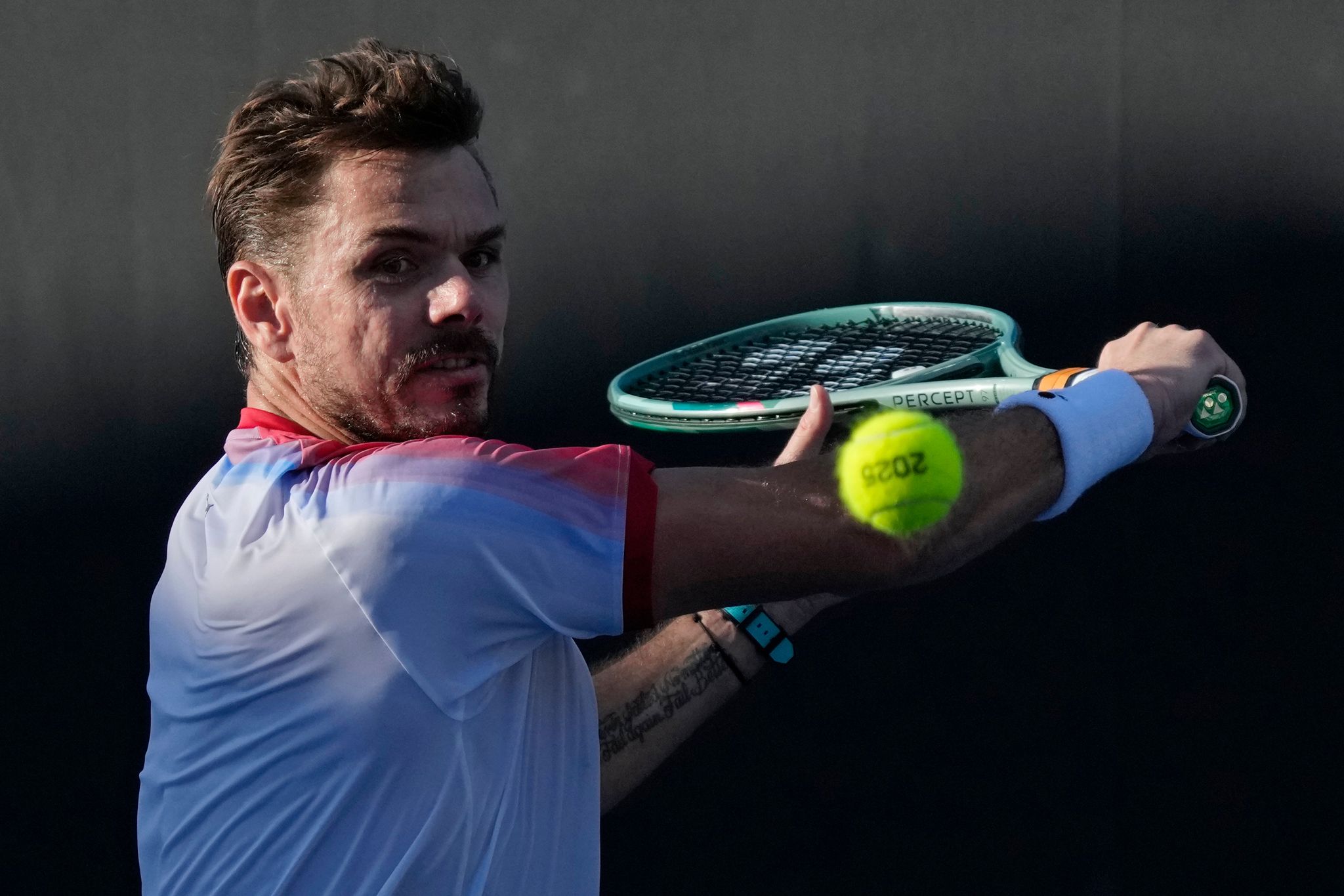
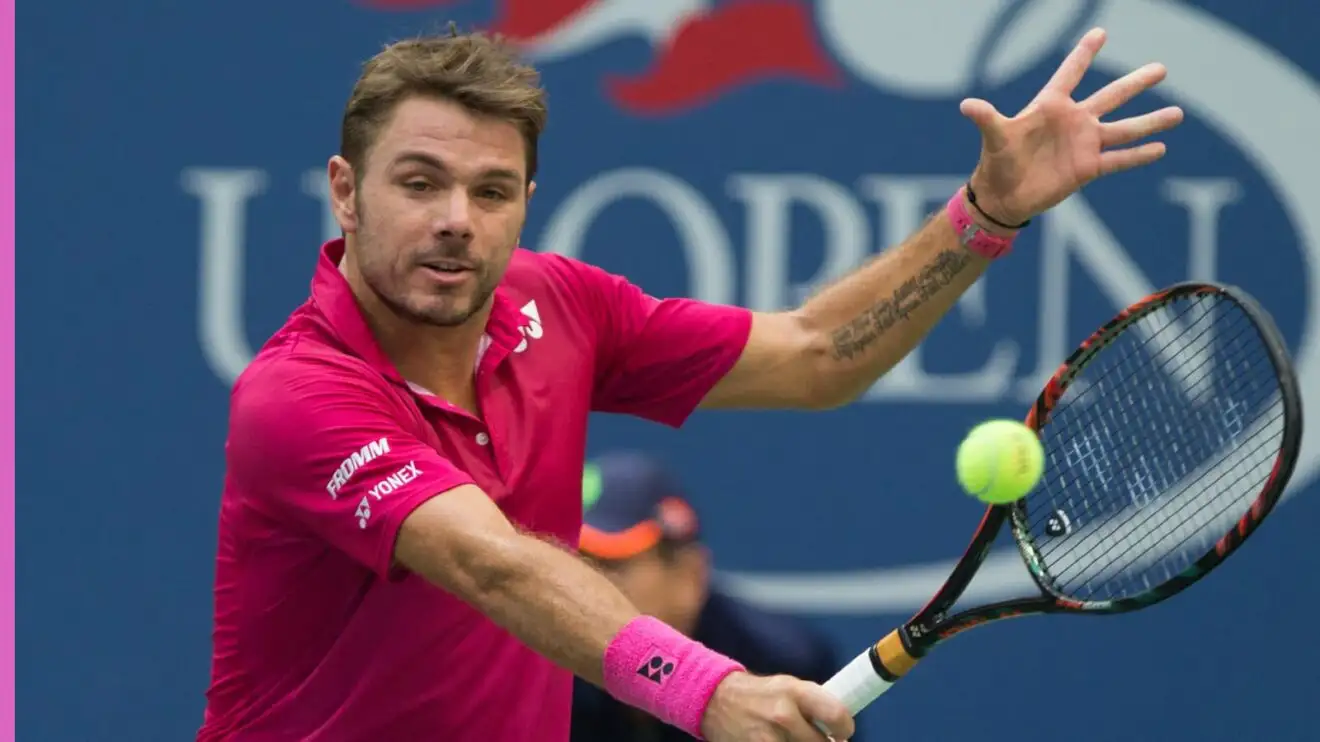
The defining technical stroke of Stan Wawrinka's career is his one-handed backhand, widely considered by analysts, peers, and former champions to be one of the most powerful and aesthetically pleasing shots in tennis history. Unlike players who use the one-handed backhand primarily for slice or redirection, Wawrinka generates immense topspin and flat penetrating power from deep behind the baseline.
- Kinetic Chain and Leg Drive: Wawrinka initiates his backhand with a deep knee bend, utilizing his lower body to drive upward and forward into the ball, transferring maximum kinetic energy through his core.
- Extended Backswing and Racquet Drop: A wide backswing allows him to build significant racquet head speed, dropping the racquet well below the point of contact before accelerating through the hitting zone.
- Firm Wrist and Solid Point of Contact: Unlike players who rely on wrist flexibility, Wawrinka maintains a rigid, locked wrist at contact, ensuring absolute directional control even when absorbing high-velocity serves or groundstrokes.
- Follow-Through: His high, sweeping follow-through wraps completely over his shoulder, ensuring maximum topspin rotation that forces opponents deep behind the baseline.
Grand Slam Breakthroughs and Major Titles
Wawrinka's legacy is anchored by his three major singles titles, each won by defeating a world number-one or top-seeded player in the final. His ability to peak during major fortnights allowed him to break the stranglehold that Roger Federer, Rafael Nadal, Novak Djokovic, and Andy Murray held over the Grand Slam trophies for over a decade.
| Tournament | Year | Surface | Final Opponent | Significance |
|---|---|---|---|---|
| Australian Open | 2014 | Hard (Outdoor) | Rafael Nadal | Defeated an injured Nadal in four sets to capture his maiden Grand Slam title and become the first player outside the Big Four to win a major since 2005. |
| French Open | 2015 | Clay | Novak Djokovic | Played an aggressive masterclass to halt Djokovic's career Grand Slam bid in four sets, hitting blistering winners from all areas of the court. |
| US Open | 2016 | Hard (Outdoor) | Novak Djokovic | Outlasted Djokovic in a grueling four-set physical battle under the lights of Arthur Ashe Stadium to complete three-quarters of a career Grand Slam. |
Playing Style, Physical Conditioning, and Tactical Evolution
Wawrinka's game is built on heavy, aggressive baseline dominance. He relies on a lethal combination of a devastating serve, the aforementioned single-handed backhand, and a ferocious inside-out forehand. Unlike counterpunchers who wait for opponent errors, Wawrinka dictates play by taking time away from his opponents through deep, penetrating groundstrokes.
Physical conditioning played a pivotal role in his career longevity. Working extensively on his core strength and lateral movement, Wawrinka transformed himself into an elite endurance athlete capable of surviving grueling five-set matches against younger generations. His tactical evolution involved reducing unforced errors through patience in neutral rallies while maintaining the tactical clarity to pull the trigger on high-risk winners down the line.
Comparison: Wawrinka vs. Modern Elite Baseline Power Players
To understand Wawrinka's unique position in tennis history, it is valuable to compare his statistical and tactical profile against other elite power baseliners of the 21st century.
- Stan Wawrinka: Relies on high-risk, high-reward groundstrokes, an elite one-handed backhand, and peak performance targeting at Grand Slams. Peak ranking of World No. 3 with 16 career singles titles.
- Andy Murray: Employs an exceptional defensive counterpunching style combined with high tennis IQ, relentless retriever capabilities, and tactical variety. Former World No. 1 with 3 Grand Slam titles.
- Juan Martin del Potro: Utilized a towering frame to generate crushing flat forehands and a powerful flat serve, though limited significantly by chronic wrist injuries. US Open champion and former World No. 3.
Legacy and Ongoing Influence in Professional Tennis
As Wawrinka continues his professional journey, his legacy within the sport is firmly secured. He proved that single-handed backhands remain viable and dominant at the highest levels of modern, power-oriented tennis. His willingness to speak candidly about mental resilience, physical struggles, and the pressure of competing during a golden era has earned him immense respect from fans and fellow athletes alike.
Younger players frequently cite Wawrinka's ability to dismantle defensive walls with raw firepower as a tactical blueprint for aggressive baseline tennis. His epic battles against Novak Djokovic at major championships remain textbook examples of how aggressive shot-making can neutralize elite defensive court coverage.
Frequently Asked Questions
How many Grand Slam titles has Stan Wawrinka won?
Stan Wawrinka has won three Grand Slam singles titles: the 2014 Australian Open, the 2015 French Open, and the 2016 US Open. These victories highlight his rare ability to defeat top-tier opposition on three different surfaces.
What is Stan Wawrinka's highest career singles ranking?
Stan Wawrinka achieved a career-high singles ranking of World No. 3 on January 27, 2014, following his maiden Grand Slam triumph at Melbourne Park. He maintained a consistent presence in the upper echelons of the ATP rankings for multiple seasons.
Does Stan Wawrinka play with a one-handed or two-handed backhand?
Stan Wawrinka plays with a single-handed backhand, which is widely regarded as one of the most powerful, technically sound, and destructive offensive weapons in the history of professional tennis.
What surface is Stan Wawrinka's best?
While Wawrinka won Grand Slams on both hard courts and clay courts, he achieved phenomenal success on clay due to the high bounce accommodating his massive backhand wind-up, highlighted by his stunning 2015 Roland Garros victory over Novak Djokovic.
Has Stan Wawrinka won any Olympic medals?
Yes, Stan Wawrinka won the gold medal in men's doubles at the 2008 Beijing Olympic Games, partnering with his legendary compatriot Roger Federer to represent Switzerland successfully on the international stage.
Practical Recommendations for Tennis Players Learning the One-Handed Backhand
For aspiring tennis players looking to model aspects of Stan Wawrinka's iconic stroke, focus heavily on early preparation, footwork, and core stability. Ensure you establish a wide base of support, drop the racquet head sufficiently below the contact point, and drive upward with the legs rather than muscling the ball solely with the arm. Prioritize clean timing and a firm wrist to replicate the penetrating topspin that made Wawrinka a three-time major champion.
Image Gallery